








Artificial intelligence agents have rapidly evolved from simple conversational interfaces into sophisticated digital assistants capable of complex reasoning, tool utilization, and the execution of intricate multi-step tasks. Yet, despite these remarkable strides in capability, a fundamental architectural limitation has persistently hindered their utility: memory loss. Historically, most AI agents suffer from acute amnesia, wiping their internal state clean the moment a session concludes. Consequently, users are routinely forced to start from scratch, repeatedly re-explaining their preferences, project parameters, and working environments with every new interaction.
Addressing this critical bottleneck, developers and researchers are increasingly adopting persistent agent memory systems that allow AI architectures to retain useful information across distinct sessions. By integrating specialized memory layers, AI applications can now recall user preferences, past decisions, specific goals, and vital context without requiring cumbersome prompt engineering. Recent developments highlight how developers can bridge this gap by combining the OpenAI Agents SDK with Mem0, an advanced memory management platform, and extending that same persistent capability to coding environments like OpenCode.
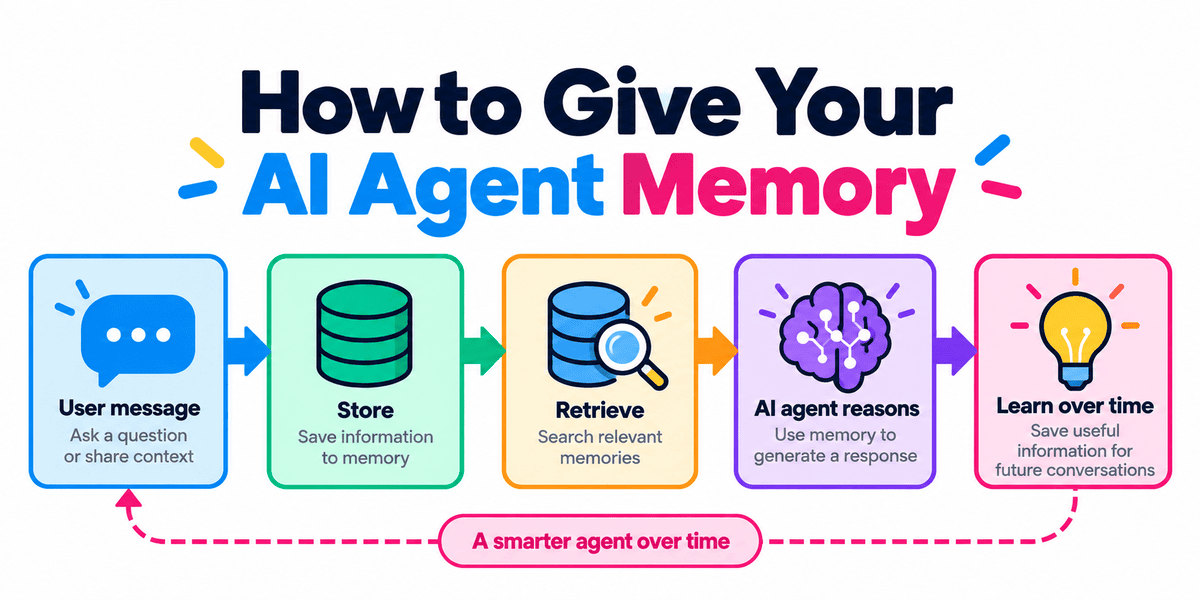
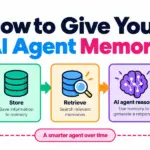
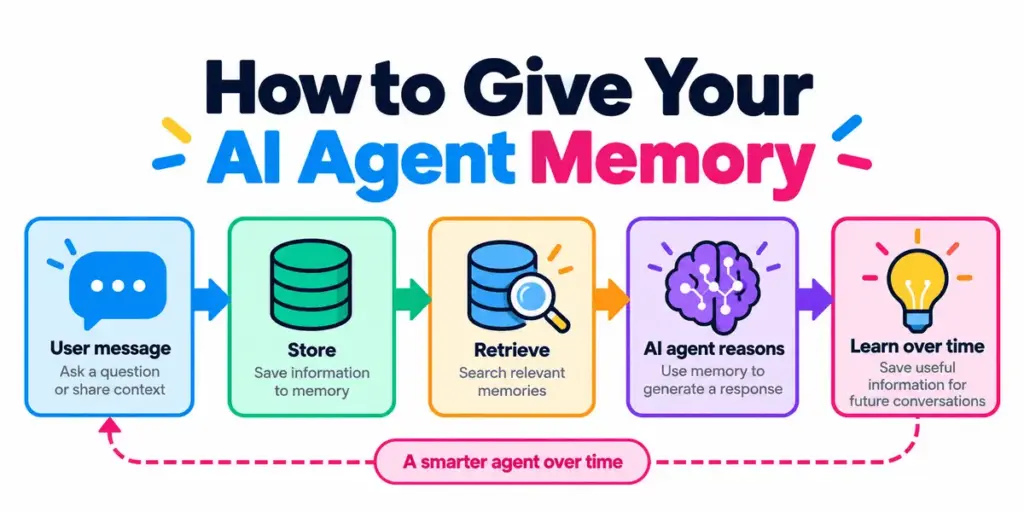
The operational mechanics of a simple agent memory loop are relatively straightforward. When a user transmits a message, the agent queries its persistent memory store for relevant background context. It weaves this retrieved information directly into its reasoning process, generating a more personalized response, while simultaneously capturing any new, durable facts or preferences that emerge during the dialogue for future use. Rather than dumping an entire historical log of previous conversations into the prompt—a practice that quickly inflates token costs and degrades performance—retrieval-augmented memory mechanisms selectively fetch only the information pertinent to the immediate request. This selective recall maintains a lean context window while empowering the agent to behave with continuous, persistent awareness.

Building an agent capable of long-term memory involves establishing discrete tools that handle semantic search and information storage. Within the Python ecosystem, developers initialize this architecture by installing the necessary packages from the OpenAI Agents SDK and Mem0, subsequently configuring environment variables for their respective application programming interface keys. By instantiating a memory client and assigning a unique user identifier, developers ensure that individual memory profiles remain strictly isolated across different users.
To operationalize this, developers construct dedicated functions that act as bridges between the core reasoning agent and the external memory store. A search function enables the agent to query the memory database using semantic similarity, ensuring that exact phrasing is unnecessary for successful retrieval. If a user previously stated a preference for a specific programming language or project management utility, the agent can unearth that fact even when phr
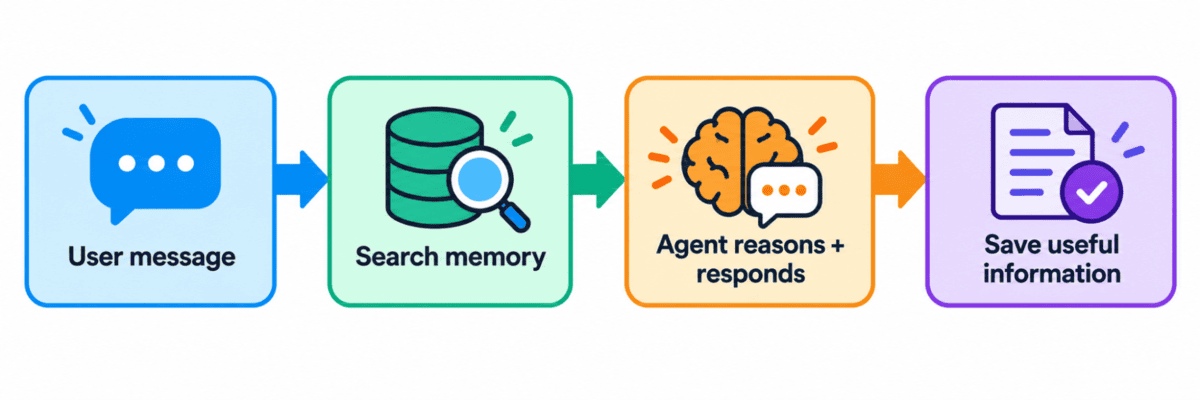
ased differently months later. Conversely, a writing function captures durable preferences, goals, and factual decisions, passing them to the memory engine which parses the input and stores the essential details rather than retaining raw, unstructured chat logs.
When these capabilities are bound to an agent via system instructions, the behavioral dynamic shifts dramatically. The assistant is directed to query its memory store prior to formulating a response, acknowledging recalled details naturally to create a fluid, human-like continuity. Testing confirms the efficacy of this approach. When an agent is informed of a specific technical preference—such as utilizing Python alongside a modern project management tool like uv—it successfully retains and recalls that information when later asked to configure a new software project. Crucially, because the memory resides externally within the Mem0 infrastructure, these insights persist even after the local application or Python runtime environment is completely restarted.
The utility of persistent memory extends far beyond bespoke Python scripts, finding immediate application within specialized development environments. Coding agents, which traditionally struggle to maintain situational awareness of a developer’s preferred frameworks, coding standards, and architectural patterns across multiple terminal sessions, can similarly be outfitted with long-term memory. Through the integration of the Model Context Protocol, developers can seamlessly hook hosted memory servers directly into developer tools like OpenCode without manually scripting custom integration logic.

By registering the hosted memory server as an MCP client within OpenCode, coding assistants gain immediate access to a comprehensive suite of memory operations, including adding, searching, getting, updating, and deleting memories. Once configured, a developer can state a preference in one coding session—such as favoring specific dependency managers or testing frameworks—and find that the coding agent retains and applies those exact guidelines in subsequent, unrelated sessions. This capability mirrors the native memory features found in commercial consumer interfaces like ChatGPT, democratizing persistent context for custom enterprise applications, internal automation tools, and specialized developer workflows.
The broader implications of persistent agent memory point toward a significant shift in how humans interact with software. By eliminating the repetitive friction of context re-establishment, AI agents can evolve from stateless tools into genuine, long-term collaborators. Whether deployed as customer-facing assistants that remember nuanced client preferences, internal enterprise tools that track evolving project decisions, or coding companions intimately familiar with an engineer’s development habits, memory-augmented agents deliver markedly more consistent and personalized interactions. As data professionals and software engineers continue to refine these integration pathways using frameworks like the OpenAI Agents SDK and Mem0, the boundary between transient chat sessions and continuous, long-term artificial intelligence is rapidly dissolving.