









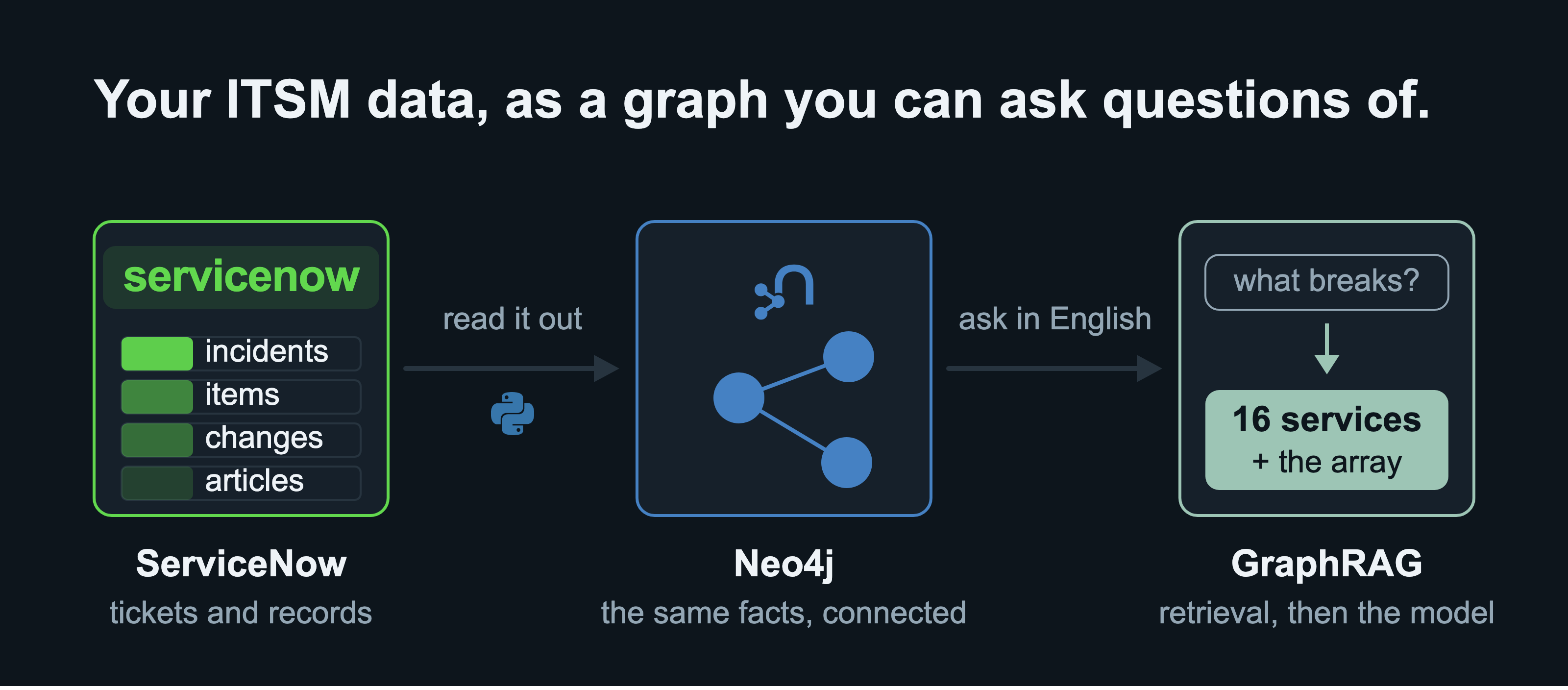
In the modern enterprise, critical operational knowledge is frequently scattered across complex IT service management platforms. At two o’clock in the morning, when an engineer confronts a failing payment system, the answer to what is about to break is typically recorded somewhere within the corporate ServiceNow instance. Every configuration item, incident report, change request, and problem record required to trace the cascading impact of a failure has already been correctly documented by engineers doing their jobs properly.

However, extracting this web of dependencies manually often requires twenty minutes of opening records one by one, leaving the on-call engineer uncertain whether the final list of impacted systems is complete. A new comprehensive technical framework addresses this operational gap by bridging ServiceNow configuration data with Neo4j graph databases and local language models, offering a systematic way to evaluate retrieval strategies against real-world infrastructure data.
The Architectural Challenge of Relational CMDBs
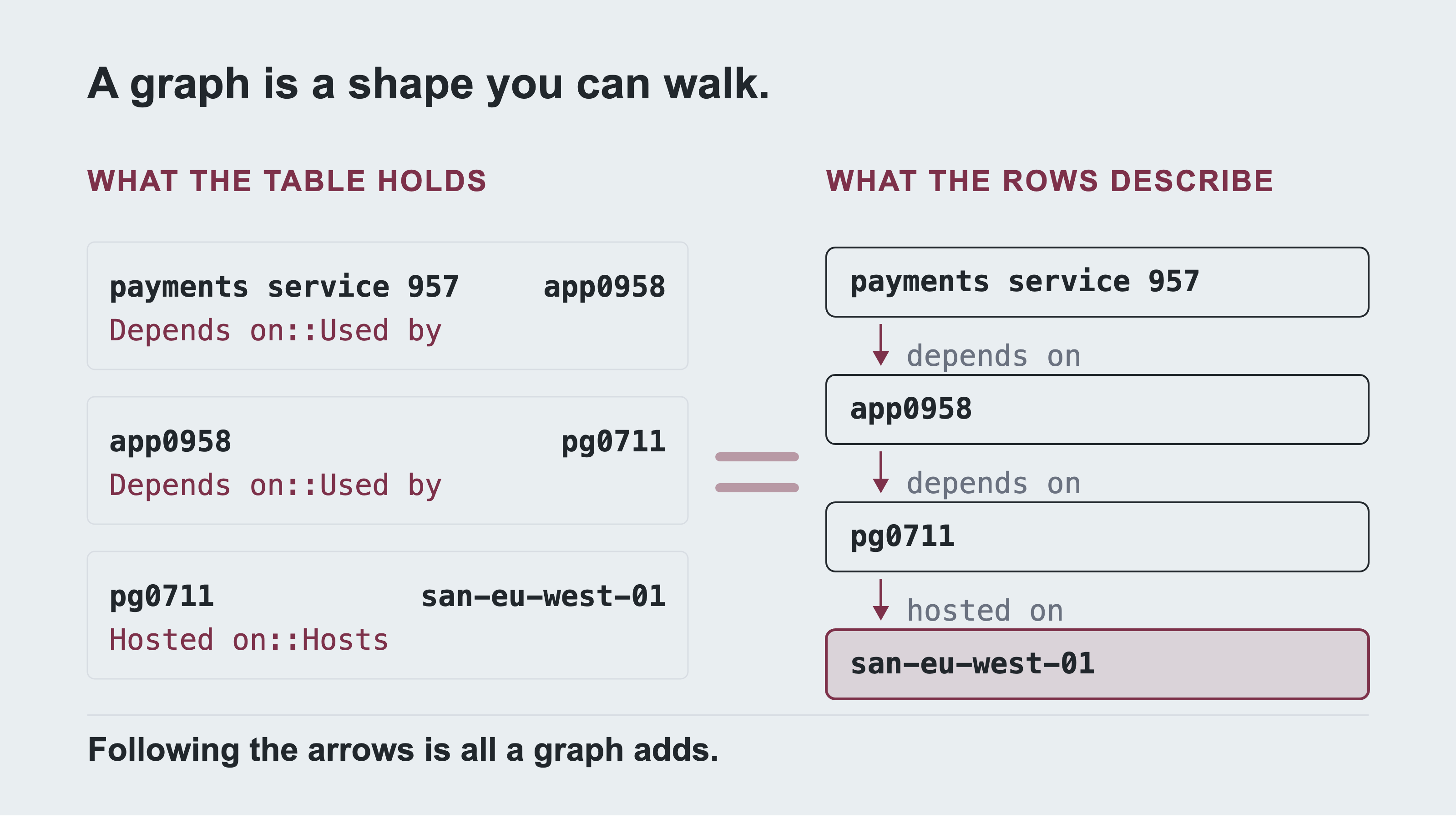
The delay experienced during an outage is not the result of a platform bug or missing administrative data. It stems from a fundamental design decision at the core of configuration management databases. A traditional CMDB stores each fact as an individual row. The payment service is one row, the underlying application is another, and the relationship stating that the payment service depends on the application is stored as a third row in a dedicated relationship table.
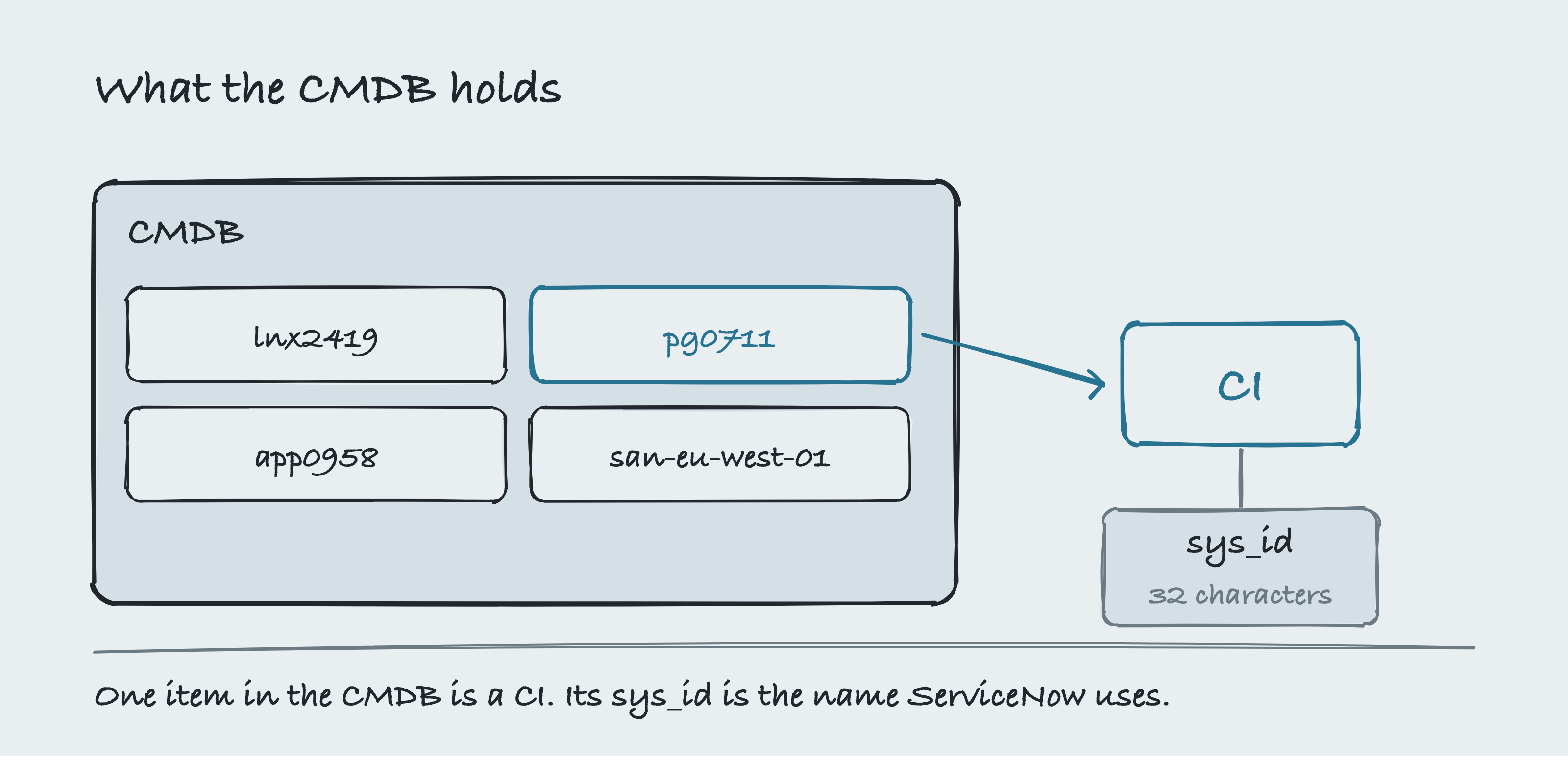
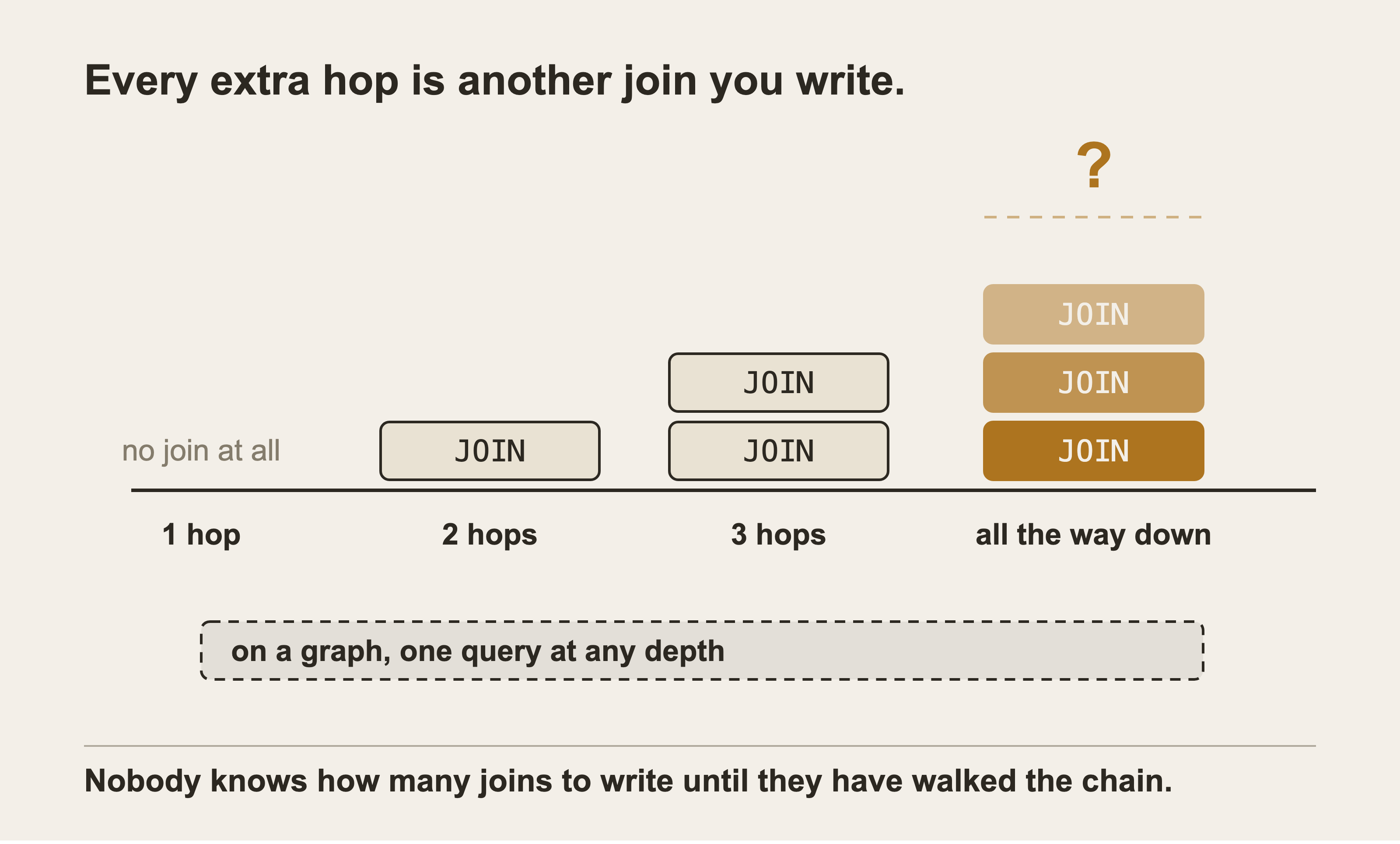
While this relational design allows any two items to be connected without altering the database schema, it creates significant query friction when an engineer needs to traverse multi-level dependencies. Answering a question about what depends on a service requires a self-join. While recursive common table expressions can handle open-ended traversals in standard relational databases, constructing, reading, and verifying these queries under operational pressure remains difficult. Furthermore, maintaining relationship directions in relational queries often introduces silent errors where edges are inadvertently inverted, producing plausible yet entirely incorrect impact reports.
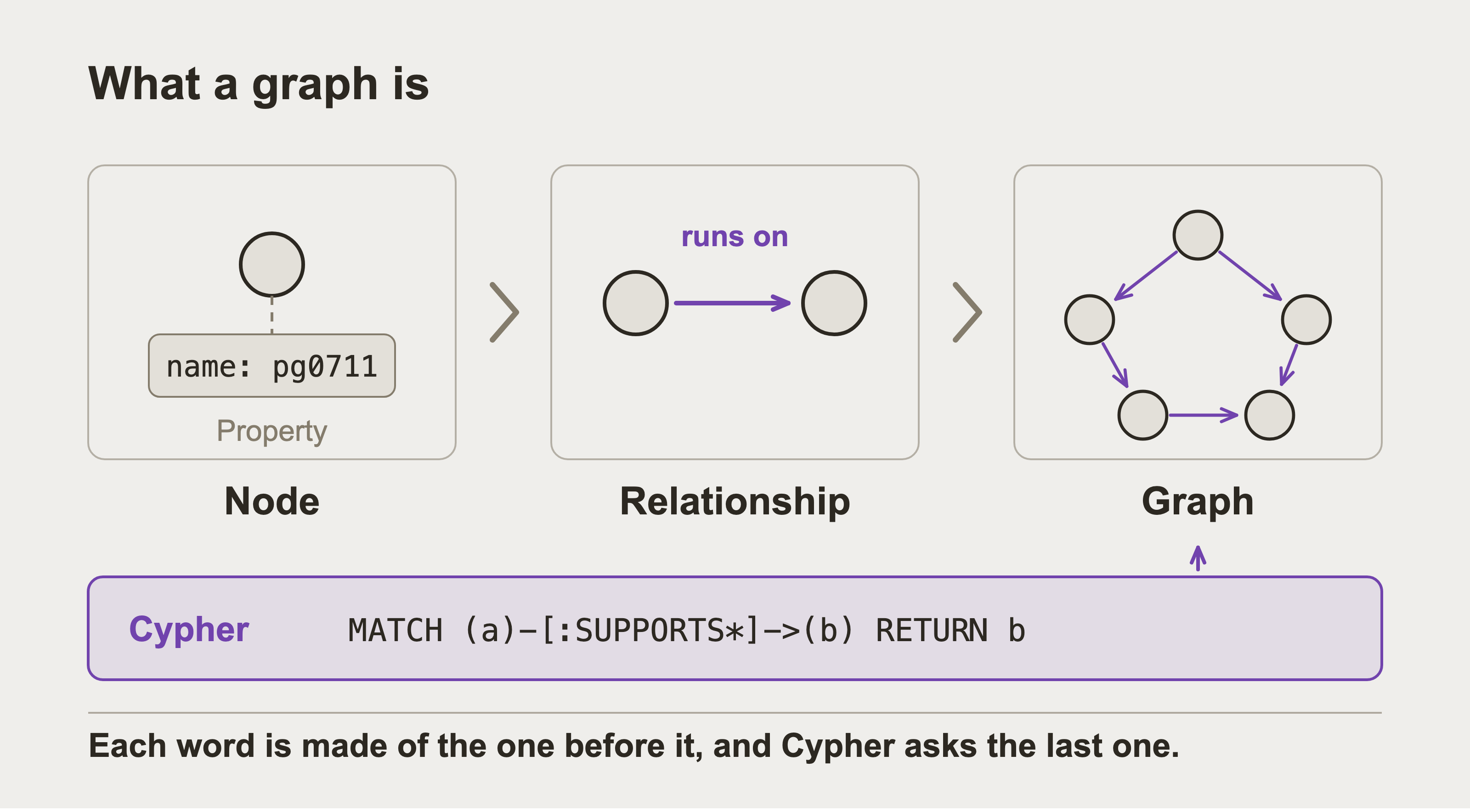
To solve this, the architecture models the entire enterprise estate as a property graph. By moving data from ServiceNow tables into Neo4j, relationships become native pointers rather than dynamic joins, enabling single-query traversals of arbitrary depth.
Structuring the Enterprise Estate as a Graph
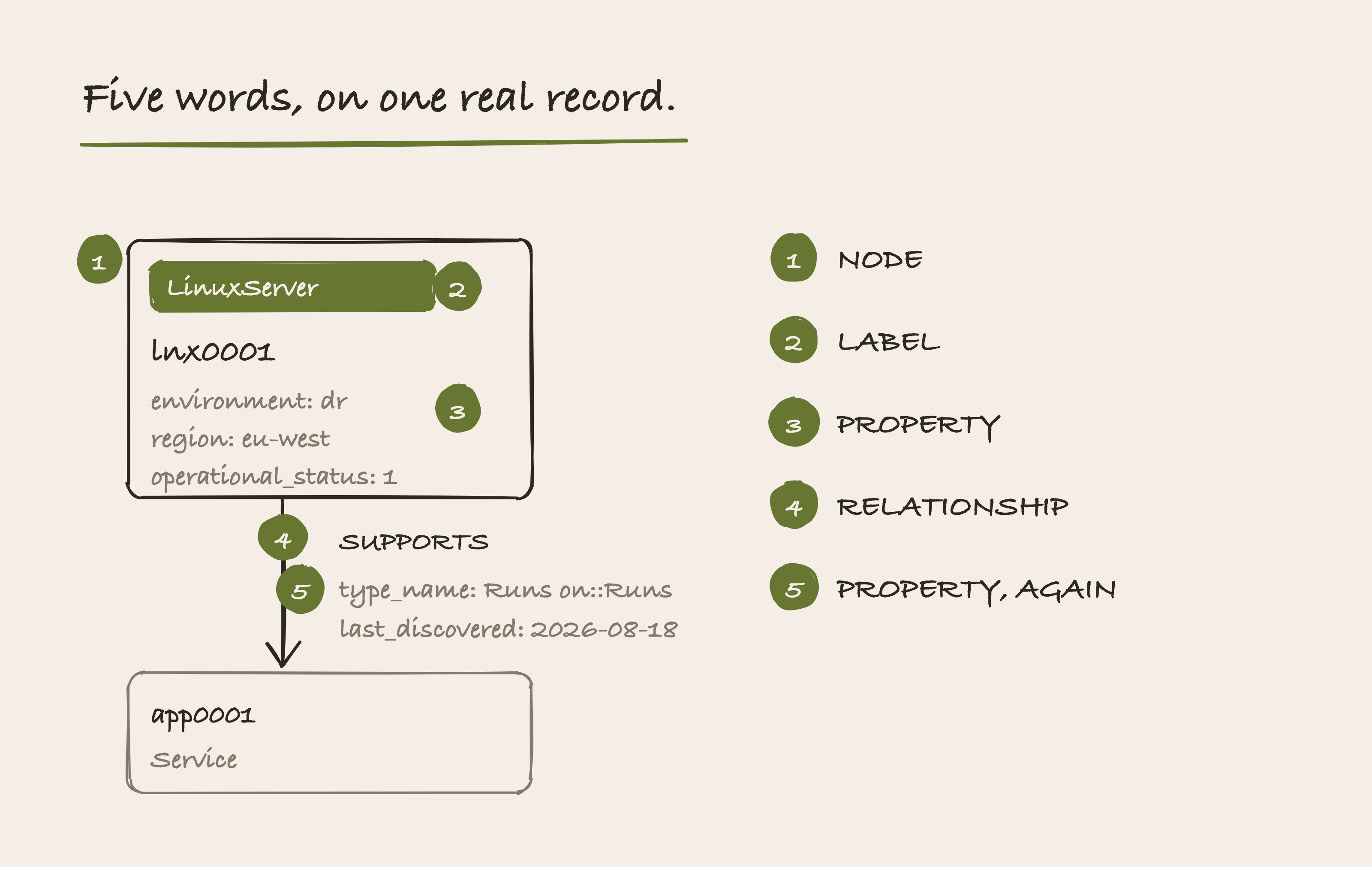
Migrating enterprise data from ServiceNow into a Neo4j graph requires strict adherence to established graph modeling principles. Rather than blindly mirroring every platform table into the graph, architects must start from the operational questions the system needs to answer. Nodes represent distinct entities such as configuration items, incidents, changes, and operational teams, while relationships represent typed, directional connections such as dependencies or impact links.
A critical challenge during this migration is maintaining correct relationship directions. ServiceNow relationship types are named using directional descriptors where the first half describes the parent and the second half describes the child. Misinterpreting these descriptors can easily result in the majority of dependency edges pointing backward, effectively reversing the flow of impact analysis and rendering blast radius calculations useless.
Furthermore, not all relationships carry operational impact. While a configuration item may be physically located inside a rack or managed by a specific team, these containment and administrative links do not cause service outages when modified. Consequently, traversals must strictly filter for impact-carrying relationship types, such as direct dependencies and hosting links, to prevent blast radius queries from expanding to encompass the entire enterprise infrastructure.
Retrieval-Augmented Generation and the Limits of Text Search
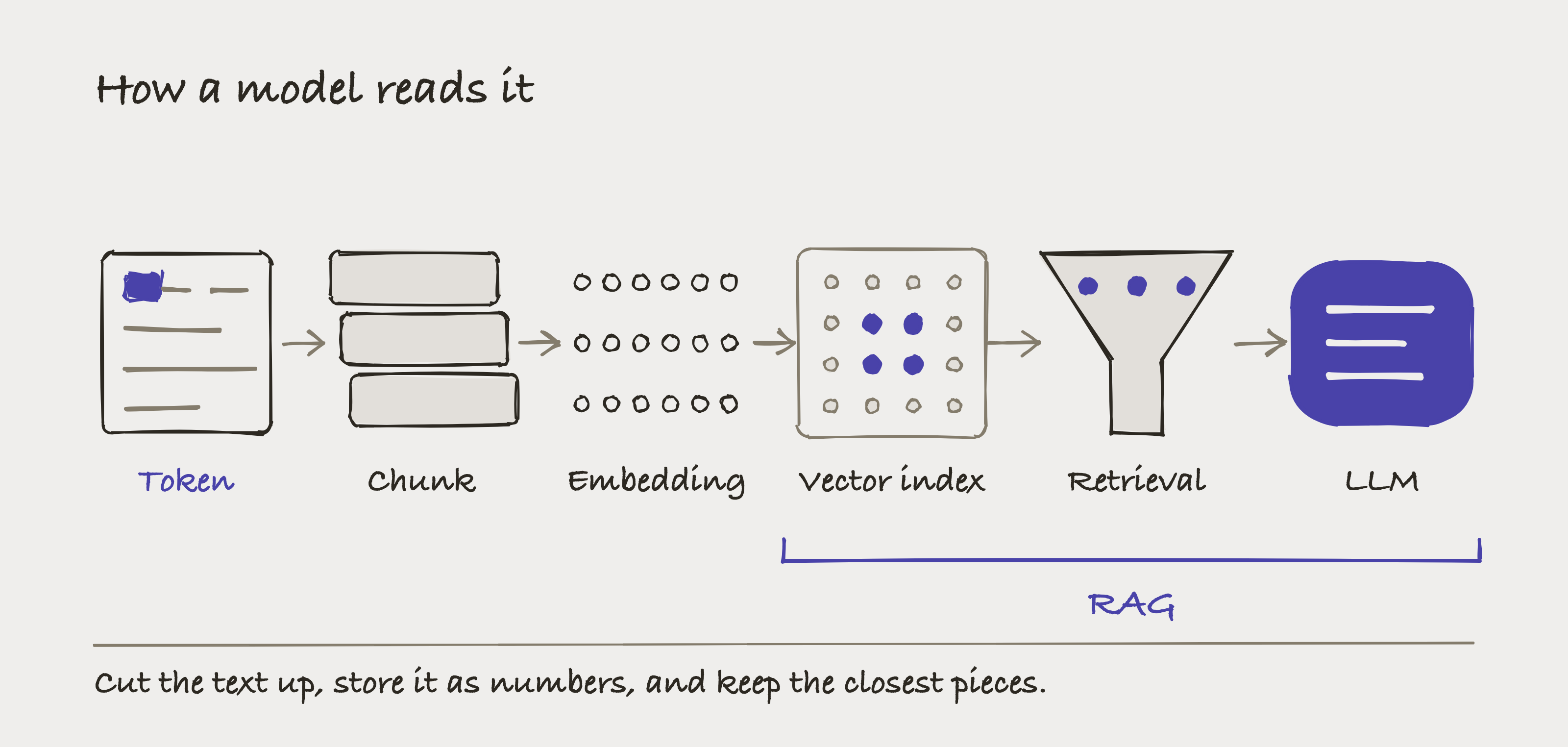
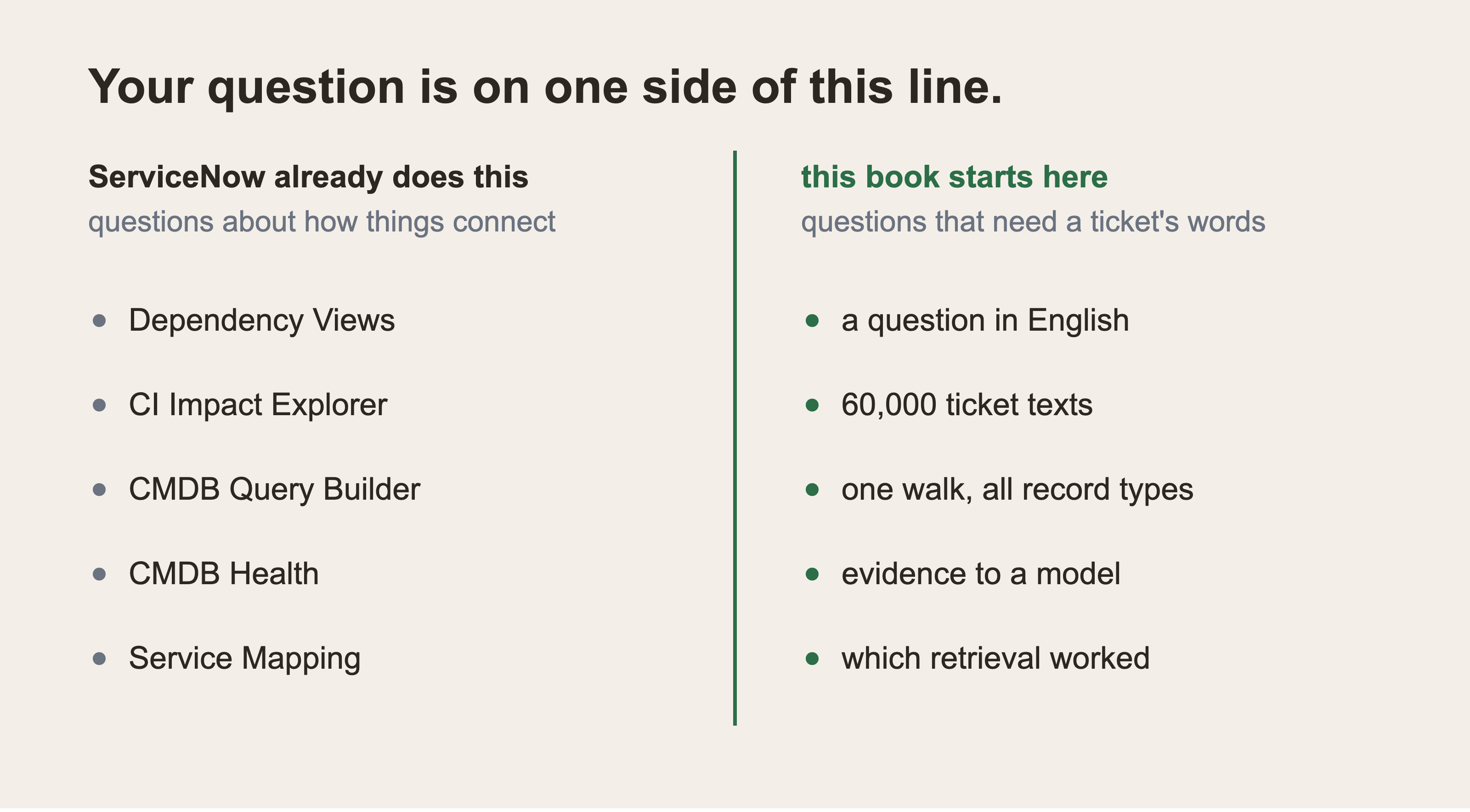
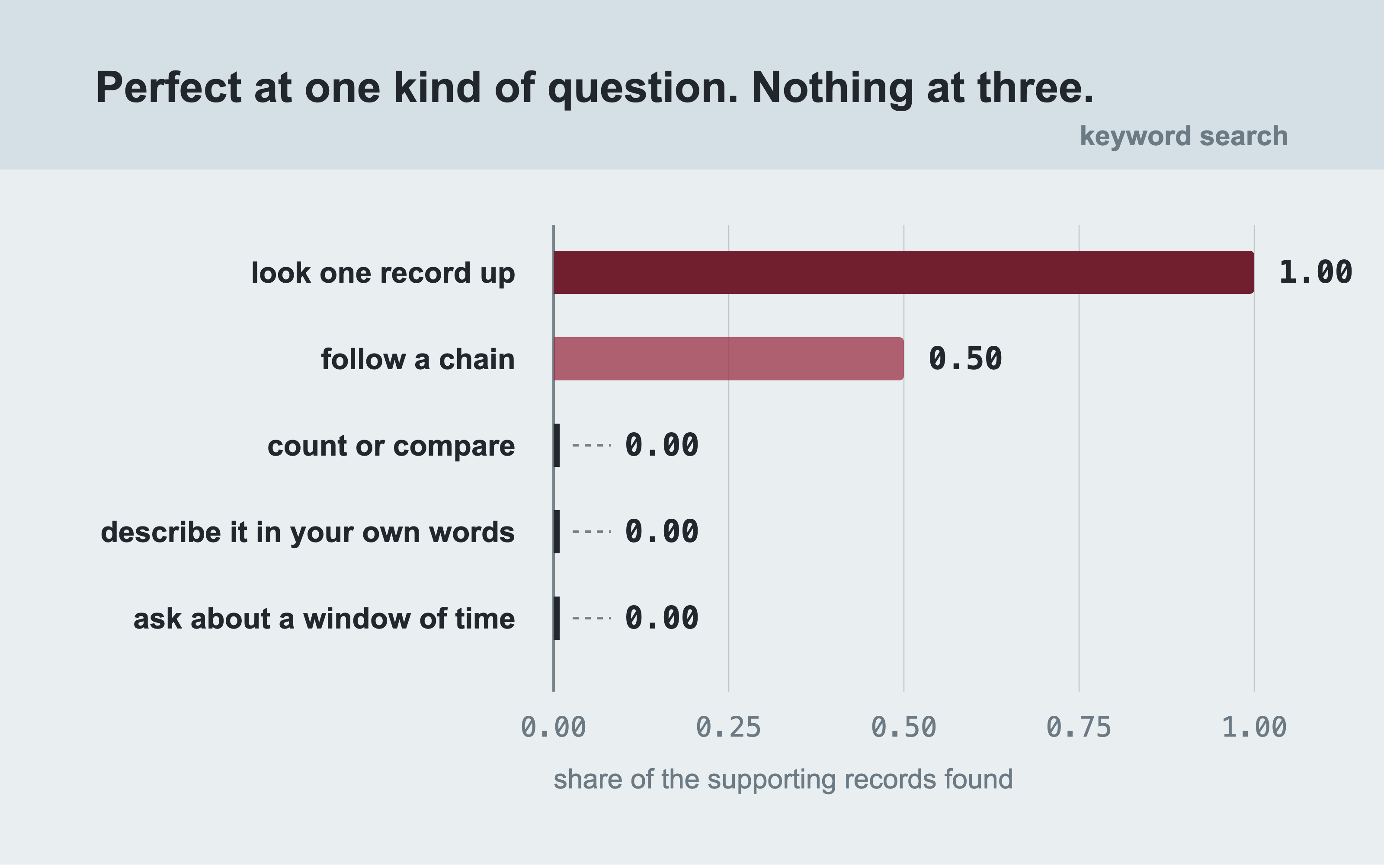
Integrating language models with enterprise graphs via Retrieval-Augmented Generation introduces another layer of complexity. Standard vector search engines excel at finding documents that share semantic similarities with a user’s query, but they struggle to follow multi-hop structural chains. If a user asks about a payment service failure, a text search will surface records explicitly mentioning payments, but it will fail to traverse the infrastructure stack down to the underlying storage array, which may not contain the word payments anywhere in its configuration record.
To overcome this, hybrid retrieval strategies combine semantic vector search, full-text keyword indexing, and graph traversals. By leveraging Reciprocal Rank Fusion, systems can merge the precise identifier-matching capabilities of keyword search with the conceptual matching of vector embeddings. More importantly, graph-aware retrievers can use similarity search to identify an initial entry point, such as an incident ticket, and then execute a bounded graph traversal to gather the surrounding infrastructure neighborhood before presenting the context to a language model.
Evaluating Retrieval Strategies Against Frozen Datasets
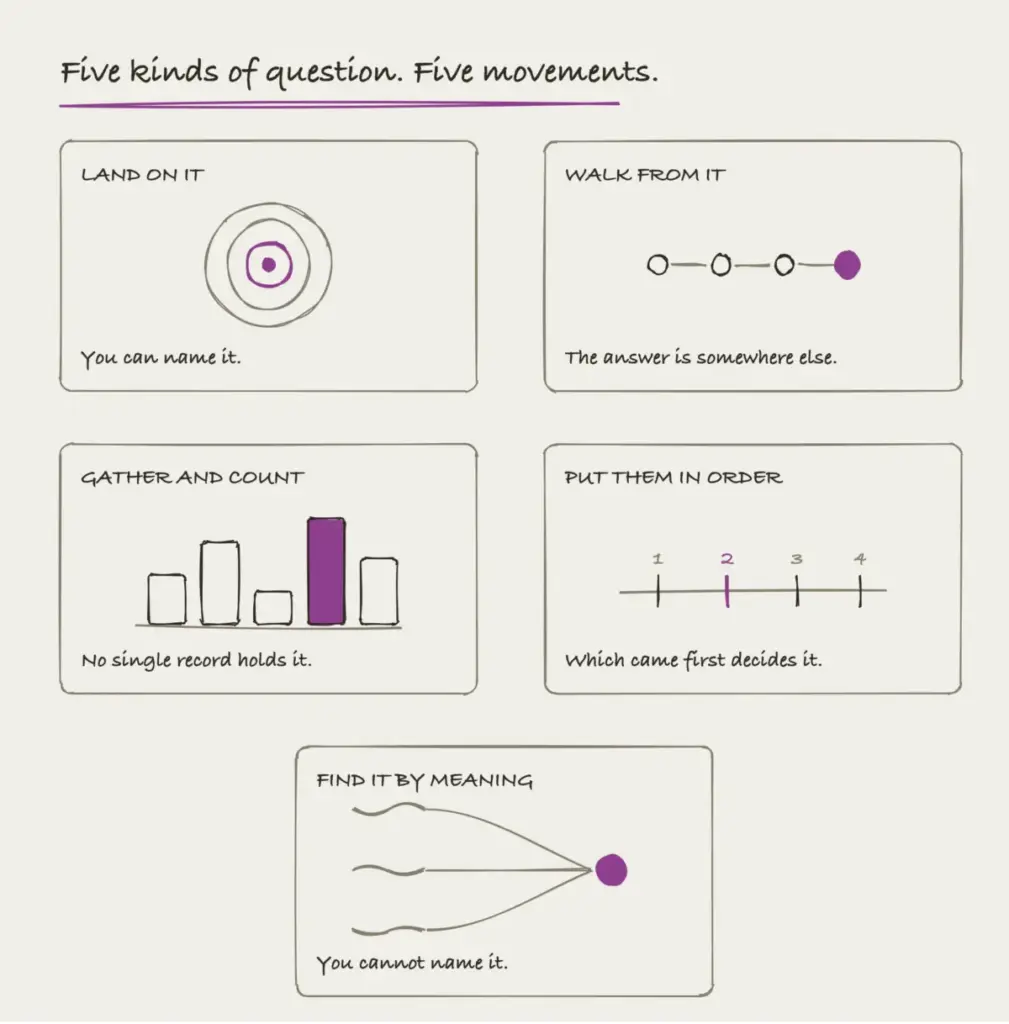
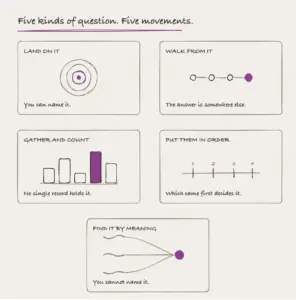
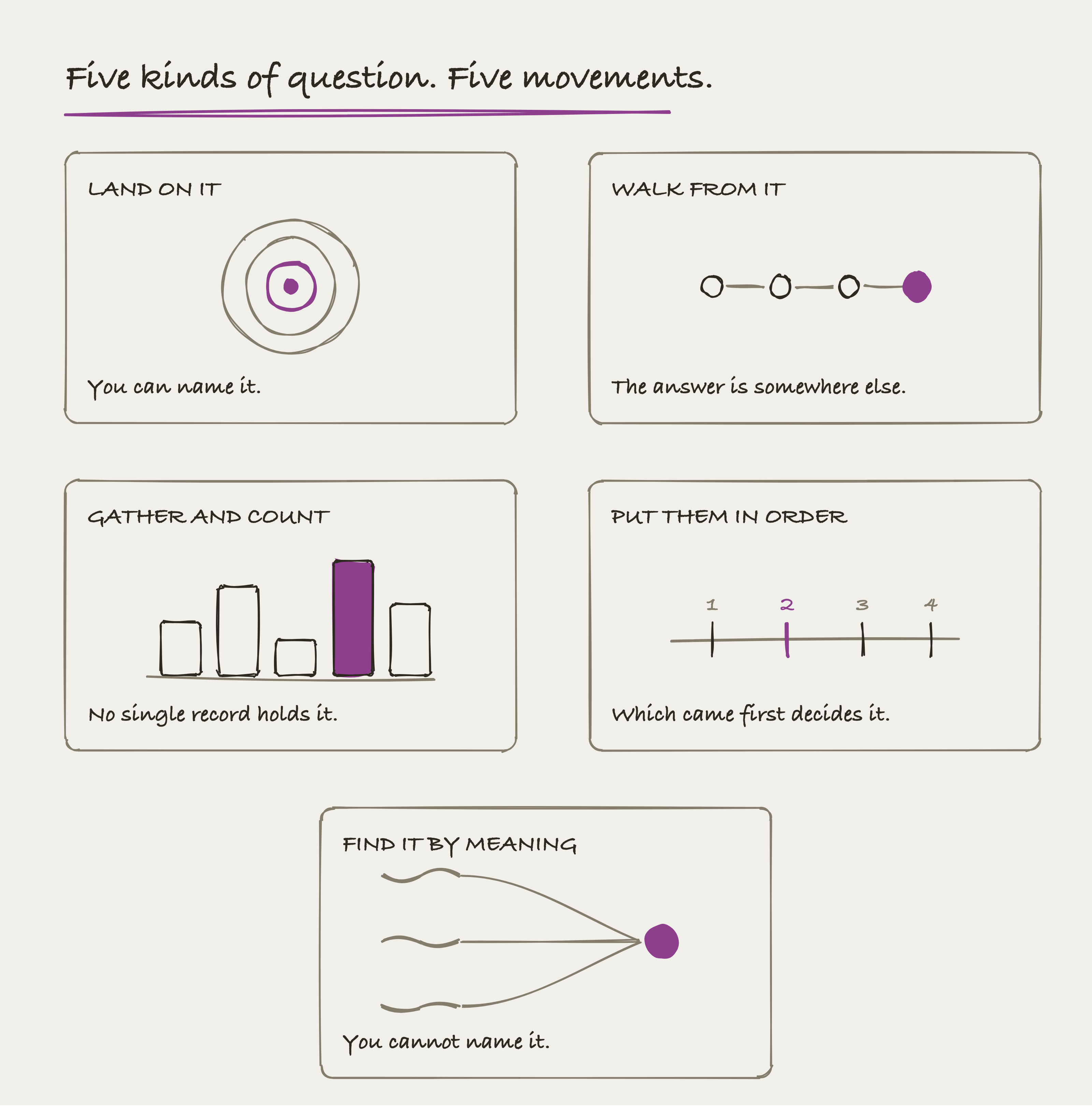
Evaluating the effectiveness of these retrieval pipelines requires rigorous benchmarking against a frozen question set. To prevent tuning bias, a benchmark of thirty-nine operational questions, complete with gold standard answer keys, must be established before any retrieval code is written. These questions test various cognitive tasks, including direct record lookups, multi-hop dependency walks, temporal correlations, and aggregations.
Empirical evaluations of various retrieval arms reveal significant operational insights. While advanced hybrid and graph-augmented retrievers offer sophisticated structural awareness, traditional keyword search mechanisms remain formidable baselines, particularly for queries containing rare identifiers like specific ticket numbers or hostnames. Furthermore, the evaluation highlights the delicate dependency on data quality. Even the most advanced graph traversal algorithms yield misleading results when configuration data is stale, demonstrating that maintaining accurate relationship records is a prerequisite for any automated impact analysis system.