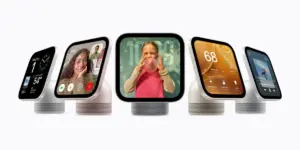







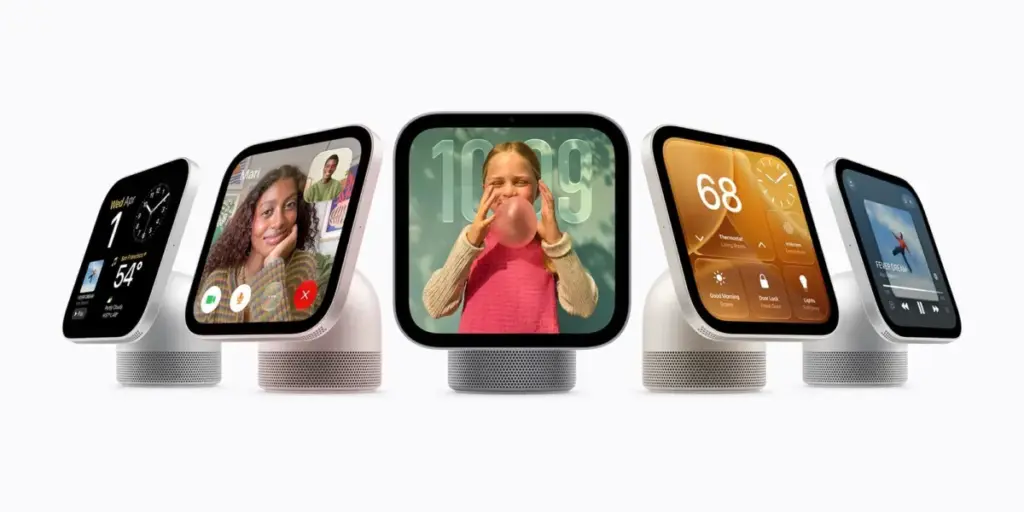
As Apple prepares to bring its initial HomeView product into the homes of consumers next week, industry attention is already pivoting toward the company’s more ambitious, long-term hardware roadmap. A detailed new report from The Information has shed light on a sophisticated, high-end successor currently in development: the "HomeView Ultra." This upcoming device, which incorporates advanced robotics, represents a significant shift in how Apple envisions the intersection of artificial intelligence and the modern smart home.
The news arrives at a pivotal moment for Apple. While the standard HomeView is set to launch imminently, the internal focus under new CEO John Ternus appears to be gravitating toward more complex, autonomous hardware. According to reporting by Aaron Tilley, Ternus has signaled an intent for Apple to move aggressively into the robotics space, elevating the home-centric device from a simple communication tool to a fully aware, interactive assistant.
A Robotic Vision for the Modern Living Room
The proposed HomeView Ultra is being developed under the internal codename J595, a project that has been in the works at Apple since 2019. Early iterations of the device were modest, centered primarily around the utility of video conferencing. The original design concept featured a robotic arm intended to track users as they moved throughout a room, ensuring they remained centered during FaceTime calls. However, as Apple’s internal capabilities in artificial intelligence and machine learning matured, the scope of the project underwent a dramatic transformation.

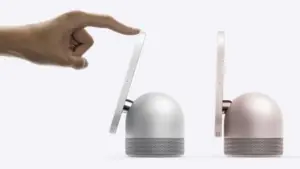
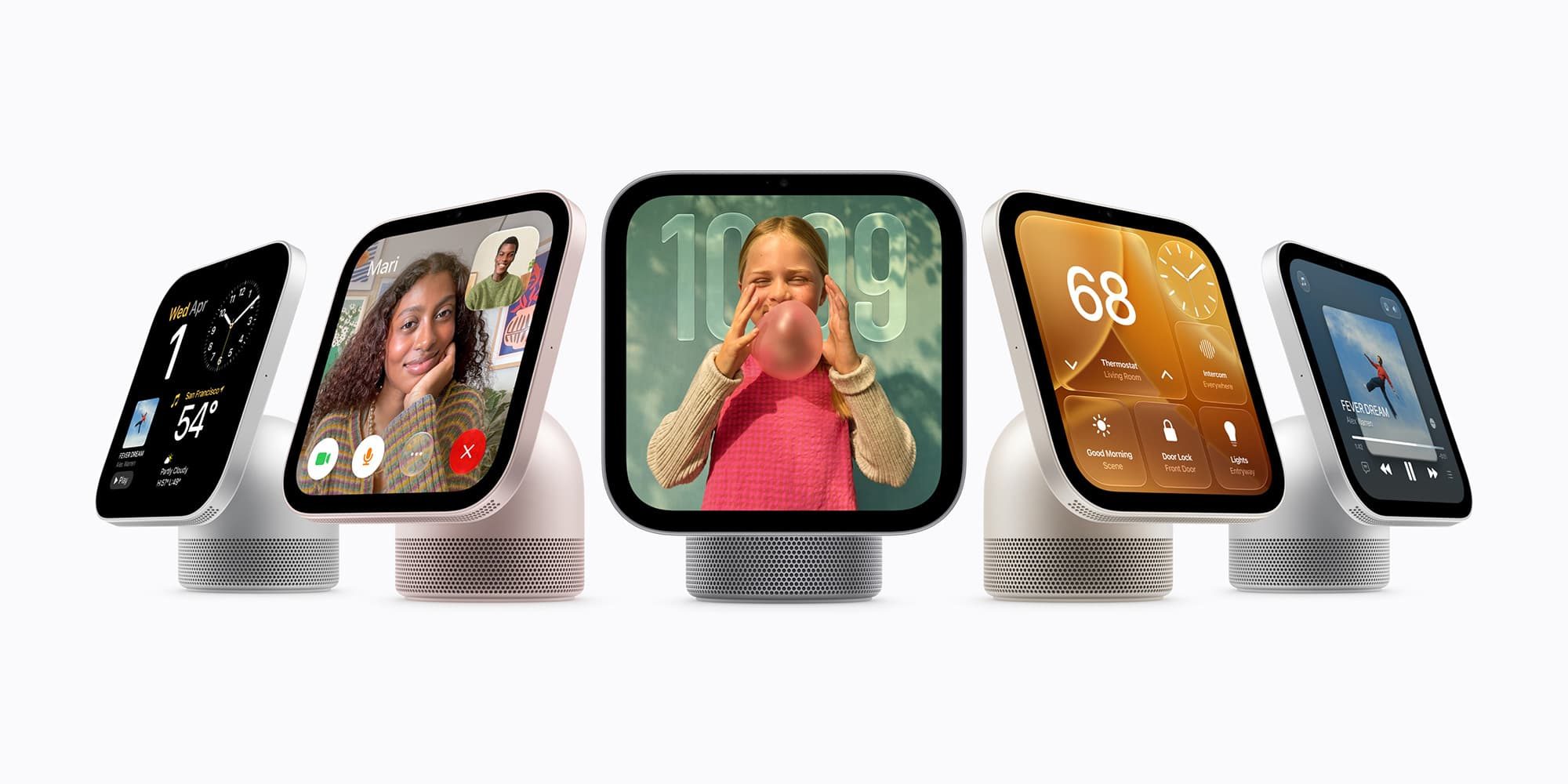
The current design for the HomeView Ultra centers on a nine-inch display mounted on a sophisticated, articulated arm. Visually, the device has been compared to the iconic Pixar lamp, offering a range of motion that allows it to swivel and tilt to follow its environment. This physical flexibility is designed to be paired with advanced sensing technology. By utilizing a suite of onboard cameras and sensors, the device is intended to maintain a state of total environmental awareness, allowing it to navigate and interact with a home autonomously.
The implications for this technology are significant. Rather than functioning as a stationary hub, the HomeView Ultra is envisioned as a proactive assistant. It could potentially recognize when a user enters a room and automatically adjust lighting or climate settings based on their presence. Even more ambitiously, the software is being engineered to handle complex, real-time interactions, such as detecting unwanted behaviors—like a pet on a countertop—and responding accordingly. The sophistication of this design requires not only precise physical movement but also a level of "spatial intelligence" that prevents the device from colliding with furniture or other household objects.
The Software Hurdle and Developmental Delays
Despite the hardware for the HomeView Ultra being largely finalized—with much of the physical design work having been completed roughly two years ago—the project has faced persistent delays. The primary bottleneck, according to those familiar with the development process, is the software. Apple’s original vision for a telepresence device has been overtaken by a desire to implement a much more comprehensive and complex suite of AI-driven features.
Transitioning from a simple robotic arm to a fully autonomous, intelligent home agent requires a massive investment in neural processing and environmental modeling. Apple is reportedly struggling to perfect the software stack that would allow the device to process its surroundings in real-time while maintaining the privacy and security standards the company is known for. The ambition of the software currently under development far exceeds the project’s initial scope, and this friction between hardware readiness and software complexity has been the primary factor in keeping the device from reaching the consumer market.
Pricing and Market Positioning
Market expectations regarding the HomeView Ultra suggest a premium price point, with estimates hovering around the $1,000 mark. However, that figure remains fluid. Industry analysts and former Apple employees note that the final retail price will be heavily dependent on the fluctuating costs of the high-end components required for such a sophisticated robotic system.
The naming convention also remains a subject of internal debate. While "HomeView Ultra" is the moniker currently being used to distinguish the project, Apple’s recent branding strategies have shown a certain level of hesitation regarding the "Ultra" designation. Whether the company chooses to stick with this branding or pivot to something more aligned with its current product lineup remains to be seen.

A Timeline in Flux
Regarding the release schedule, the path forward is similarly uncertain. While there is an internal desire at Apple to bring the product to market as early as next year, the complexities associated with the software development have led to speculation that the launch could easily be pushed back to 2028. This cautious timeline reflects the difficulty of launching a new category of home robotics; unlike a smartphone or a tablet, a robotic device that interacts with the physical world carries a higher threshold for both reliability and safety.
The development of the HomeView Ultra serves as a testament to how Apple’s priorities are shifting. As the company looks to diversify its hardware portfolio beyond the iPhone, it is clearly betting that the future of the smart home lies in devices that are not merely connected, but active, intelligent, and capable of navigating the domestic environment with human-like spatial awareness. Whether the HomeView Ultra will successfully bridge the gap between a novelty gadget and an essential household tool will depend on Apple’s ability to reconcile its high-concept AI vision with the practical realities of mechanical engineering and software stability.
For now, the focus remains on the upcoming launch of the standard HomeView, which will serve as a bellwether for how consumers respond to Apple’s expanded presence in the smart home ecosystem. The trajectory of the J595 project will undoubtedly continue to be a key area of interest for those tracking the evolution of Apple’s long-term hardware strategy.