









The high-end Pokémon Trading Card Game market continues to reach staggering new heights, with rare, professionally graded specimens frequently shattering records on the secondary market. While many of these headlines are dominated by the perennial titans of the hobby—such as pristine first-edition Base Set Charizards or ultra-rare tournament promos—there is an increasingly fervent collector interest in sets that offer historical intrigue, scarcity, and singular aesthetic value. A recent auction result has perfectly encapsulated this trend, as three cards from the 2001 English Southern Islands promotional collection realized a combined total of nearly $1.2 million, reminding the community that true "paradise" in the world of card collecting comes at a significant premium.
The Southern Islands collection has always occupied a distinct, somewhat enigmatic niche within the broader Pokémon TCG landscape. Unlike the standard expansions that defined the Wizards of the Coast era, such as Base Set, Neo Genesis, or Gym Heroes, the Southern Islands release was unconventional from its inception. Originally released in Japan in 1999 to coincide with the second Pokémon feature film, the collection was split into two thematic portfolios: the Tropical Island set and the Rainbow Island set. Comprising 18 cards in total, the collection was designed with a unique narrative and visual gimmick. Collectors could arrange the individual cards to form a sprawling, interconnected panoramic scene, turning a simple card set into a cohesive piece of art.
This interconnected visual storytelling remains the primary driver of the set’s enduring appeal. The artistry was divided between two renowned illustrators: Naoyo Kimura, who brought the lush, vibrant environments of the Tropical Island scenes to life, and Keiko Fukuyama, who lent her distinct, emotive style to the Rainbow Island pieces. When Wizards of the Coast brought the collection to English-speaking markets in 2001, they maintained the original, highly specific artistic vision. The English release was presented in a decorative folder, accompanied by postcards and three booster packs, preserving the unique "island" theme that had made the Japanese debut so memorable.

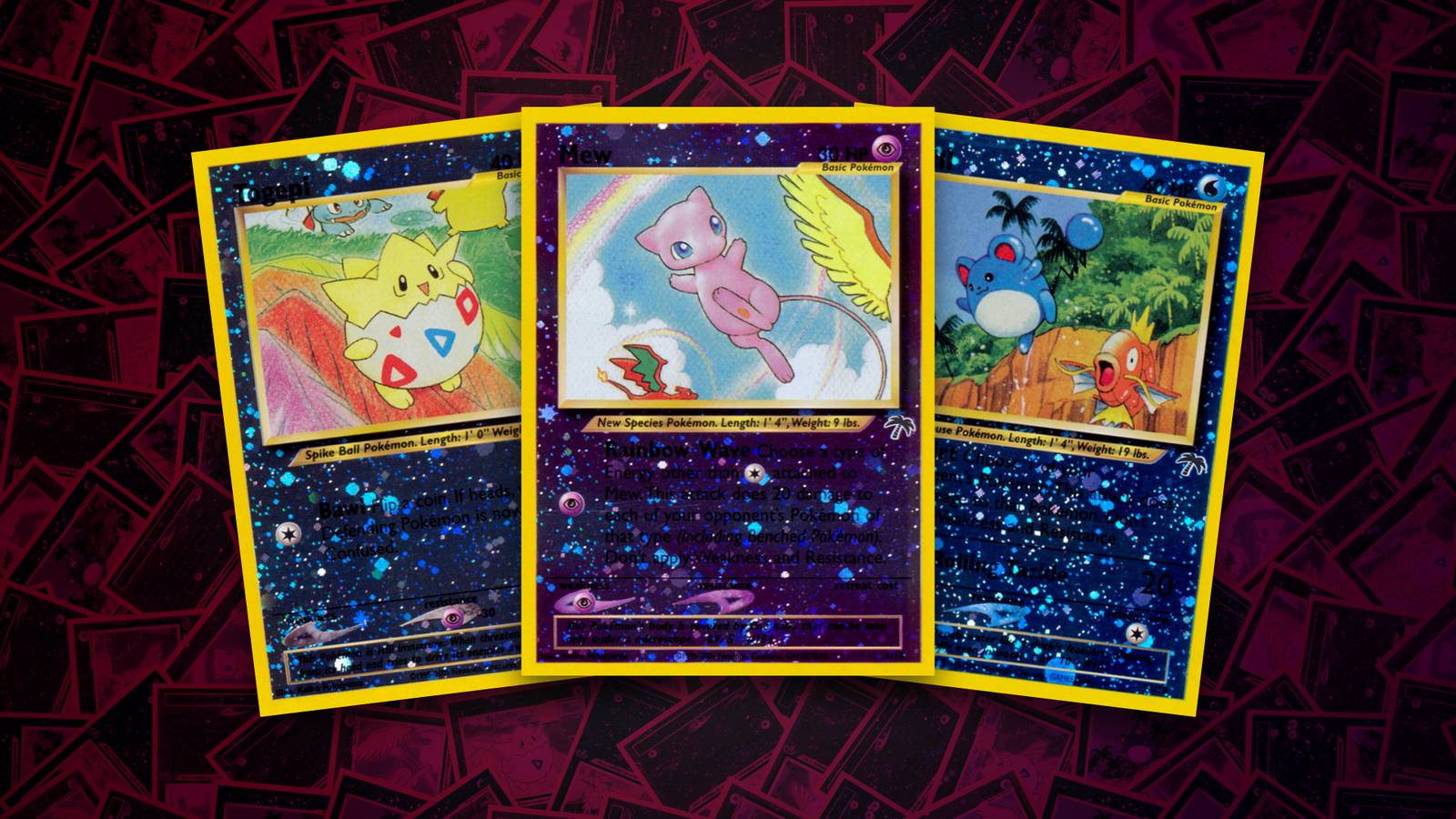
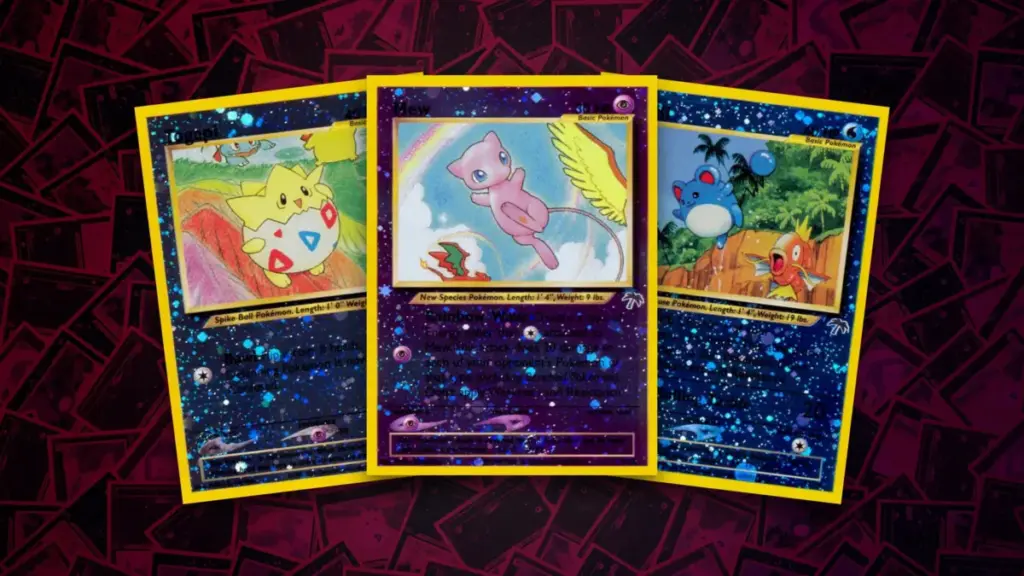
Beyond the composition of the art, the holofoil treatment applied to the Southern Islands cards remains a point of fascination for modern collectors. Unlike many cards of that era, where the holofoil was strictly contained within the borders of the artwork window, the Southern Islands cards featured a shimmering, swirling pattern that often extended across a greater portion of the card surface. This added a distinct level of visual depth and sparkle that set these promos apart from the standard releases of the time.
The recent auction at Fanatics Collect underscored just how much value collectors now place on these historical artifacts. Three specific PSA 10 Gem Mint graded cards from this set combined for a total of approximately $1.2 million, a figure that highlights the intense competition for "perfect" copies of cards that are now a quarter-century old.
The $840,000 Mew: A Grail for the Ages
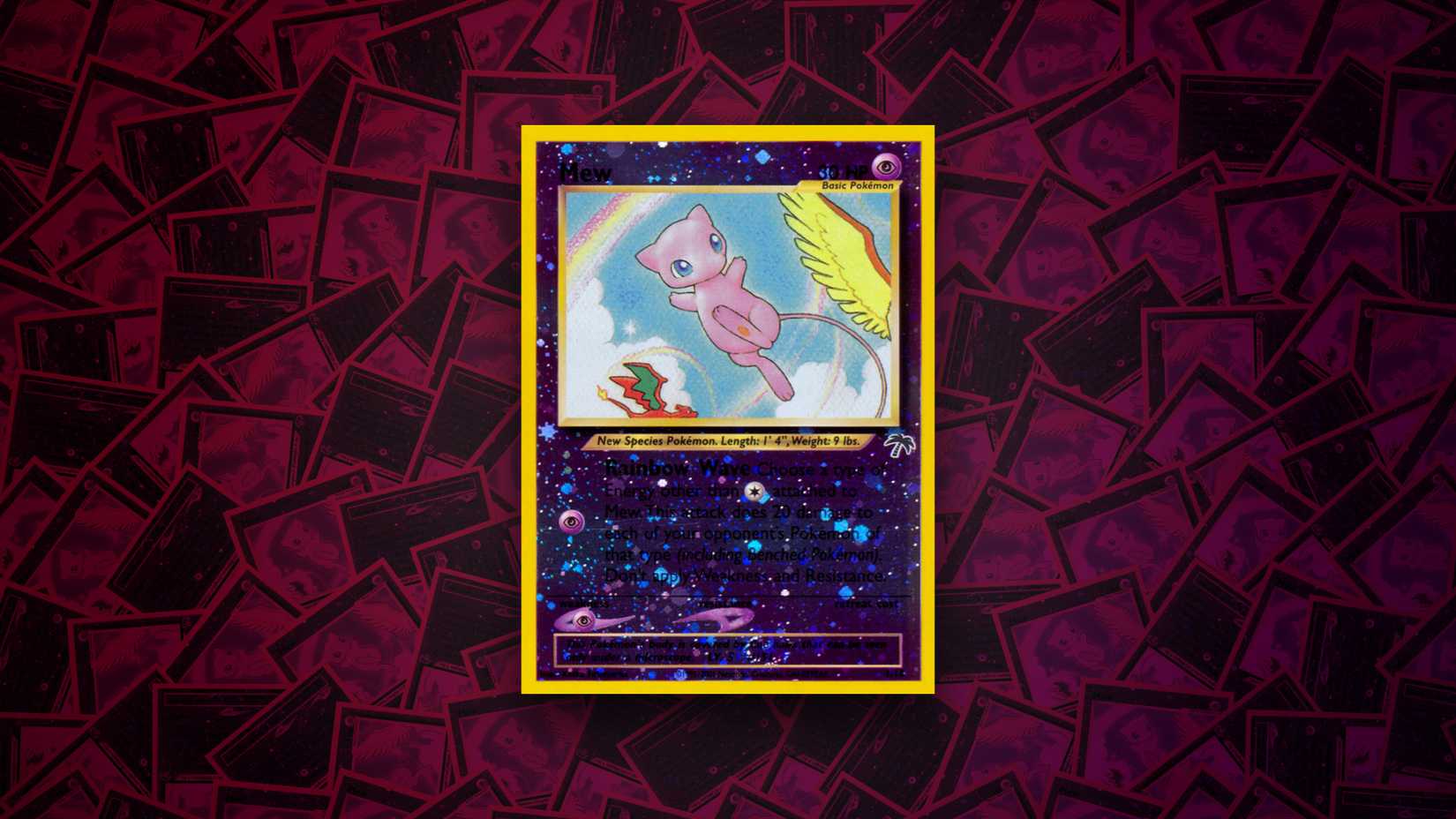
At the center of this record-breaking performance is the PSA 10 Southern Islands Holo Mew #1, which commanded a massive $840,000 price tag. Mew has long been considered one of the most desirable Pokémon in the history of the franchise, and its appearance in the Southern Islands set is widely regarded as one of its most iconic depictions. The artwork, while maintaining the distinct, saturated, and slightly whimsical style characteristic of the set, also features a "cameo" from Charizard in the bottom-left corner, a detail that surely adds to the card’s prestige and market appeal.

The rarity of this specific grade cannot be overstated. With only 20 PSA 10 copies currently confirmed in existence worldwide, the scarcity of the card creates an incredibly high barrier to entry. In the context of the 2026 collecting market—a year that has seen immense interest in everything from vintage grails to the most valuable cards from the Pokémon TCG: 30th Celebration—the $840,000 result is a reflection of a mature market that is willing to pay a premium for limited-supply assets. As collectors continue to hunt for the absolute best specimens, a PSA 10 copy of such a historically significant and aesthetically striking card becomes a trophy that few can acquire.
Togepi and Marill: Significant Results for Iconic Debuts
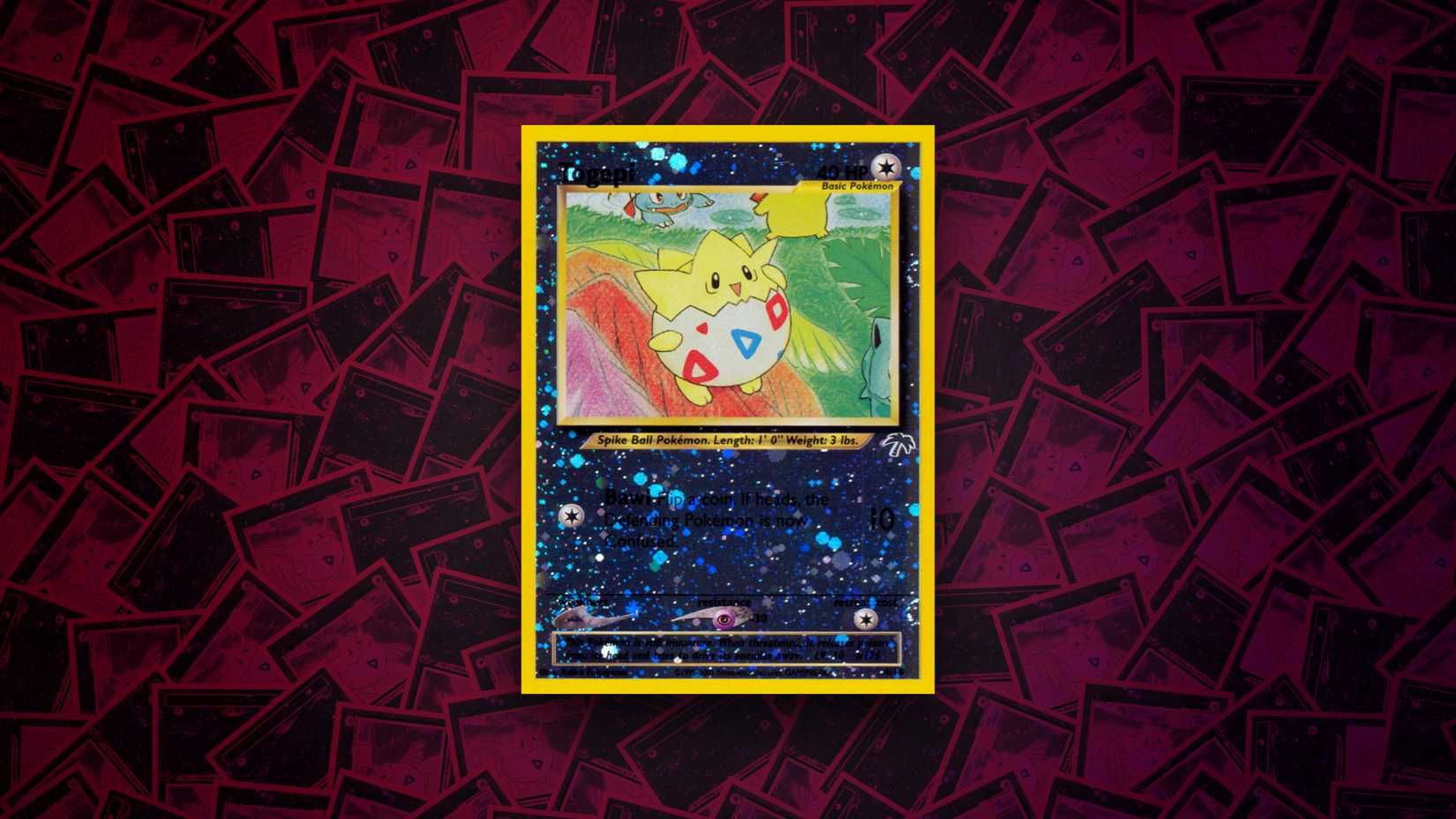
While the Mew capture the lion’s share of the attention, the results for the PSA 10 Holo Togepi #4 and PSA 10 Holo Marill #11 are equally indicative of the current market climate. Both cards sold for $168,000 each, further cementing the status of the Southern Islands set as a high-value category.
The Togepi #4, illustrated by Keiko Fukuyama, showcases the artist’s unique approach to the Pokémon franchise. Fukuyama, who contributed to only 20 cards throughout her tenure as a Pokémon TCG illustrator, brought a signature, almost chibi-esque charm to the Rainbow Island cards. Her work is often characterized by deeply saturated color palettes and expressive, softened features—a style that is immediately recognizable to veteran collectors. While $168,000 is a far cry from the multi-million-dollar results seen in some of the most exclusive promotional cards in existence, it is a testament to the immense value placed on "Baby Pokémon" from this specific, nostalgic era of the game.
The Marill #11 represents an even more interesting piece of Pokémon history. In the years before the official release of the second generation of Pokémon, rumors and speculation were rampant. Marill, in particular, was famously dubbed "Pikablu" by many fans who believed the blue-colored, round Pokémon was a secret evolution of Pikachu. This "Pikablu" legend remains a cornerstone of early internet-era Pokémon culture, and seeing the card officially recognized as a highly valuable collectible feels like a full-circle moment for fans who grew up during the initial Pokémon craze.
Interestingly, this Marill is the only card in the trio illustrated by Naoyo Kimura, whose work is synonymous with the Southern Islands set. Kimura’s contribution to the Pokémon TCG extends far beyond this set; his illustration for the Aquapolis Lugia, for instance, helped drive that card to a $360,000 result in the same auction. The consistent success of cards featuring Kimura’s artwork suggests that collectors are not just paying for the rarity of the Pokémon, but for the specific artistic legacy associated with these vintage cards.
An Eminently Collectible Island Paradise
Looking back at the Southern Islands collection, it is clear that its success is not merely a product of the recent surge in card prices, but a result of its unique place in the hobby’s history. The set lacks the "booster pack" nostalgia associated with the early Base Set era, which relied on the thrill of opening random packs to find rare cards. Instead, Southern Islands was a deliberate, curated, and limited experience. It provided a contained, high-quality set of cards that told a specific story, supported by a presentation format—the folders and the postcards—that felt premium even by 2001 standards.
More than two decades later, those qualities have only served to increase the collection’s appeal. The set offers a rare combination of scarcity, artistic cohesion, and, crucially, a bridge between the early days of the TCG and the modern collector’s desire for high-grade, "slabbed" history.
The nearly $1.2 million total achieved by these three cards serves as a potent reminder of how far the hobby has evolved. When high-end artwork, an intriguing backstory, and a dedicated base of collectors converge, the results can be truly transformative. For those who own pieces of the Southern Islands collection, these auction results validate years of preservation and interest. For the rest of the collecting world, these cards remain a fascinating study in how a small, 25-year-old promotional set can evolve into a million-dollar phenomenon. As the market continues to shift, one thing remains certain: the allure of the Southern Islands, much like the Pokémon themselves, continues to capture the imagination of collectors across the globe.