











In a move that marks one of the most significant legislative shifts in European digital policy, the Greek parliament has officially passed a law prohibiting children under the age of 15 from accessing social media platforms. The landmark legislation, which was first proposed by Prime Minister Kyriakos Mitsotakis earlier this year, is set to go into full effect on January 1, 2027. The bill represents a decisive, if controversial, effort by the Greek government to curb what it views as an increasingly dangerous digital environment for the nation’s youth.
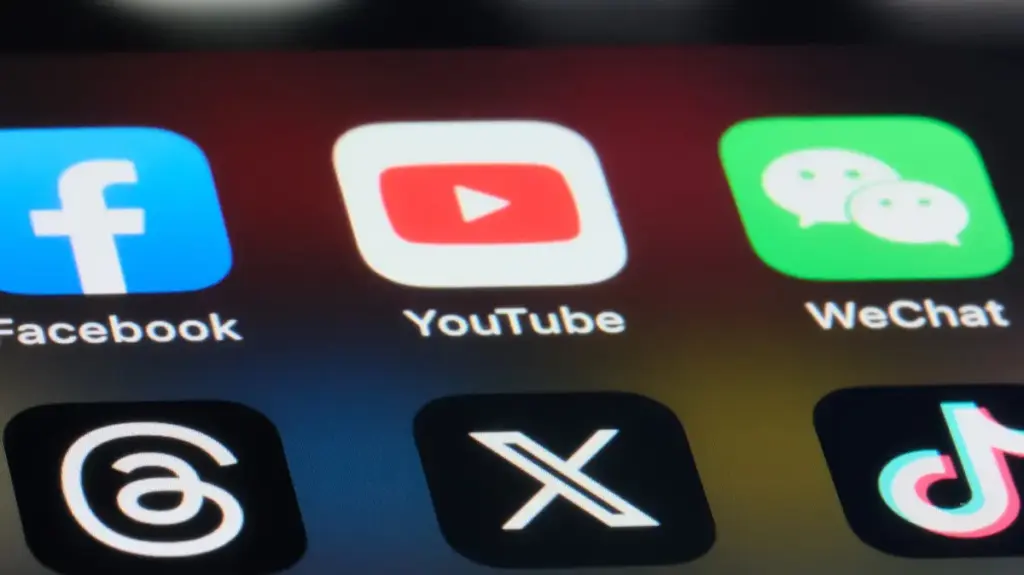
The new law, which Prime Minister Mitsotakis described as “difficult but necessary,” will impose strict operational requirements on major social media platforms, including TikTok, Instagram, Facebook, and X. Under the provisions of the act, these companies are mandated to implement robust, reliable, and proportionate age-verification technologies to ensure that minors below the age threshold are effectively blocked from their services. By enacting this measure, Greece has positioned itself at the forefront of a growing global debate over the role of technology companies in protecting the mental health and safety of younger users.
The path to the bill’s passage was not without resistance. While the legislation faced notable opposition from minority parties within the Greek parliament, Prime Minister Mitsotakis utilized his government’s majority to push the measure through, characterizing it as a proactive defense against the risks of unchecked internet immersion. For the Greek government, the urgency of the situation outweighed the preference for a consensus-based approach.

Dimitris Papastergiou, the Minister of Digital Governance and AI, offered a staunch defense of the legislation during the parliamentary proceedings. "It would have been very easy to do absolutely nothing today and wait for the perfect European law," Papastergiou stated. "But the challenge is here. Children are sinking into the internet every day, and I believe a responsible government must do what it is obliged to do." His comments underscore the administration’s stance that the rapid pace of digital adoption among children has outstripped the current regulatory frameworks, necessitating local intervention even in the absence of a unified European Union directive.
The enforcement of this ban will rely on a combination of corporate responsibility and state-led technical integration. Platforms that fail to comply with the new mandate will face significant financial penalties, with enforcement tied to the standards established under the European Union’s Digital Services Act (DSA). This link to the DSA provides a legal backbone to the Greek initiative, aligning it with broader European efforts to regulate the digital ecosystem, even as Greece pushes for more stringent standards than currently exist at the continental level.
A core component of the government’s strategy involves the introduction of state-backed applications, specifically "Kids Wallet" and "Gov.gr." These digital tools are designed to be paired with the devices of children under the age of 15 to effectively block access to restricted social media platforms. To address valid privacy concerns, Minister Papastergiou emphasized that these apps are built with data minimization in mind. They will utilize "age tokens," a cryptographic mechanism that confirms a user’s age without requiring the disclosure of extensive personal identifiable information. The government maintains that this approach strikes a necessary balance between effective oversight and the protection of minor privacy.
The societal appetite for such a move appears strong, according to recent polling data. Despite the concerns raised by opposition parties and civil liberties advocates, opinion polls indicate that the majority of the Greek adult population supports the ban. This public backing is, in part, the result of a multi-year effort by the Greek government to restrict the influence of digital devices on students. The nation previously enacted a ban on mobile phones within schools in 2024, a policy that served as a precursor to the current, more expansive legislation. By limiting mobile use during school hours, the government established a precedent for viewing digital devices as a distraction and a risk factor in the lives of children.

The move also reflects a broader European trend, though Greece has opted to set a higher age threshold than some of its peers. The European Commission has recently introduced the "EU Kids Act," which aims to restrict social media access for children. However, the European proposal currently stipulates a ban only for children under the age of 13. By choosing 15 as its cutoff, Greece is intentionally outpacing the EU’s baseline, signaling a desire to lead the conversation on child safety in the digital age.
Prime Minister Mitsotakis has been clear about his broader ambitions, noting that his administration’s goal is to exert pressure on the European Union to move toward more restrictive standards across all member states. By establishing a national framework, Greece aims to serve as a case study for the rest of the continent, providing a model that demonstrates both the technical feasibility and the political viability of such a ban.
However, the international experience suggests that implementation remains the greatest hurdle. Australia, which made headlines as the first nation to pursue a comprehensive social media ban for minors, has encountered significant technical and legal challenges. Efforts to enforce age verification in Australia have been described by many observers as inconsistent and difficult to scale, leading to debates about whether a blanket ban is truly effective in a globalized internet environment. The Greek government is clearly aware of these pitfalls, as evidenced by its reliance on the "age token" system and its strategic integration with existing digital governance infrastructure.
The upcoming year will be a period of intense preparation for both the Greek government and the social media companies affected by the law. Between now and the January 1, 2027, implementation date, tech platforms will need to adapt their verification systems specifically for the Greek market. For many, this will mean investing in regional infrastructure to meet the specific requirements of the Greek government, or risk being shut out of a significant European market.
As the deadline approaches, the global technology community will be watching closely to see how the Greek model functions in practice. The debate over whether to restrict social media access for children is no longer merely a theoretical discussion; it has become a matter of active law. Whether this move effectively shields the younger generation from the complexities and harms of digital social life, or whether it creates new challenges regarding privacy and digital freedom, remains to be seen. For now, Greece has committed to a path that prioritizes state-led intervention in the digital lives of its youth, setting the stage for a transformative change in the country’s social and technological landscape.
The success or failure of the initiative will likely depend on the government’s ability to navigate the tension between the technological capabilities of the platforms and the privacy rights of the users. As it stands, the law represents a firm stance by the state, reflecting a belief that the protection of children in an increasingly connected world requires more than just parental guidance—it requires, in the eyes of the current administration, the force of law. Whether other nations follow suit will likely depend on the tangible outcomes observed in Greece once the law takes full effect at the beginning of 2027.