Nearly three decades after its television debut, Buffy the Vampire Slayer continues to cast a long, enduring shadow over the landscape of modern genre television. Created by Joss Whedon, the series did far more than simply introduce audiences to the archetypal "Chosen One" in Buffy Summers, portrayed with nuance and evolving strength by Sarah Michelle Gellar. It fundamentally reshaped the rules of supernatural drama, successfully subverting tired horror tropes and perfecting the "monster-of-the-week" narrative structure in a way that few of its contemporaries in the late 1990s could match. At its core, the series shattered the outdated stigma that femininity and world-altering power were mutually exclusive, presenting a protagonist who was as comfortable in a ballgown as she was driving a wooden stake through the heart of an ancient evil.
A television show that manages to maintain high creative standards across seven full seasons is almost inevitably going to produce a collection of standout, transformative episodes. These installments remain etched in the collective memory of the show’s fanbase, whether they are remembered for the introduction of a terrifying new "Big Bad," pivotal character developments that redefined the Scooby Gang, or stakes that pushed the show’s central metaphors to their breaking point. With these factors in mind, it is worth revisiting the 10 most acclaimed episodes of Buffy the Vampire Slayer, as measured by their enduring IMDb ratings.

The journey through the show’s most impactful moments begins with the season 3 finale, "Graduation Day: Part 2." While the two-part arc functions best as a cohesive unit, the second half serves as a masterclass in emotional and narrative payoff. Buffy and her inner circle are forced to face the reality that they are not alone in their battle against the darkness; the entire student body of Sunnydale High eventually bands together to confront Mayor Wilkins and his apocalyptic plot to ascend into a giant, soul-consuming demon. Beyond the spectacle of the climax, the episode serves as a heart-wrenching turning point for the relationship between Buffy and the vampire Angel, played by David Boreanaz. Angel’s decision to leave Sunnydale, spurred by the agonizing realization that he can never provide the normalcy Buffy deserves, cements the show’s commitment to difficult, mature character growth. It effectively pushed the series’ central "high school is hell" metaphor to its absolute limit, finally validating Buffy’s often solitary efforts as the town’s silent protector.

Equally compelling is the season 5 standout "Fool for Love," which remains a high point for character exploration. The episode serves to humanize Spike, the bleached-blond vampire portrayed by James Marsters, by peeling back the layers of his history. Through flashbacks, audiences are introduced to William, the shy, insecure, and ultimately rejected poet who existed long before the vampire took hold. The narrative masterfully illustrates that vampirism does not simply erase a human soul; rather, it amplifies pre-existing flaws and insecurities in devastating ways. Furthermore, the episode challenges the audience’s understanding of Slayers themselves, as Spike posits that all Slayers harbor an unconscious, self-destructive death wish. He argues that the immense, isolating burden of their responsibility eventually leads them to crave an end. By scrutinizing Buffy’s own psychological state and showcasing the vulnerability beneath Spike’s abrasive exterior, the episode remains a critical piece of the show’s lore.

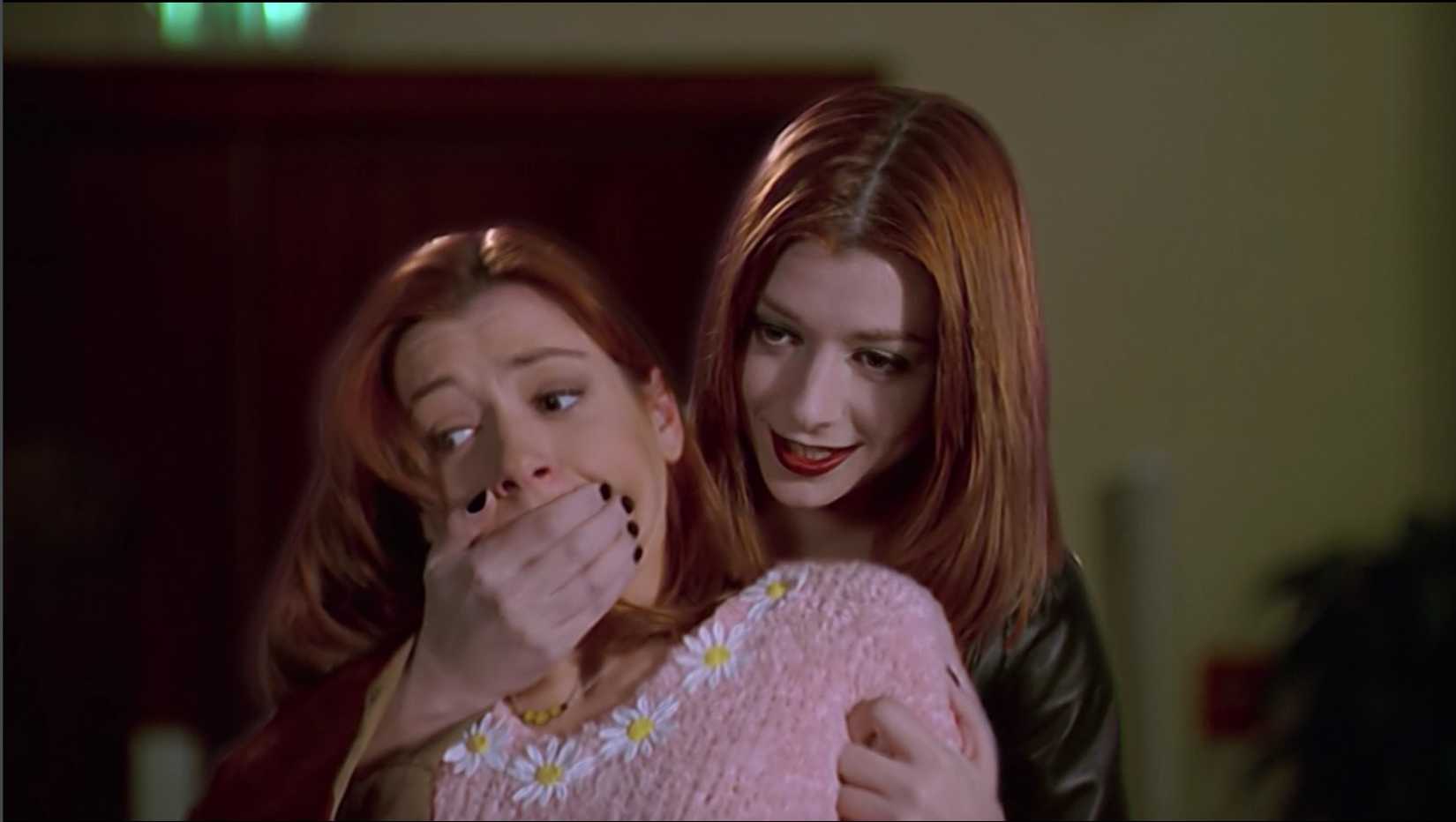
The series was also unafraid to play with its own reality, as seen in the season 3 episode "Doppelgängland." By building upon the terrifying "what-if" scenario introduced in "The Wish"—a reality where Buffy never arrived in Sunnydale—the show explores the dark potential of its core cast. In this alternate timeline, Willow and Xander are not just vampires; they are a malevolent, inseparable couple. When this version of Willow is transported into the main narrative reality, it provides Alyson Hannigan with the opportunity to deliver an electrifying dual performance. The episode is not merely a comedic romp; it forces the primary version of Willow to confront the shadows within her own personality, prompting her to accept her darker inclinations without losing her essential self.
As the series matured, it began to tackle increasingly complex moral questions, most notably in the season 2 episode "Passion." While Angel had spent the first season functioning as a well-meaning, if tormented, ally, his vulnerability to his own nature became the primary engine of the second season’s tragedy. After a momentary lapse in his moral restraint leads to the loss of his soul, the threat of his alter ego, Angelus, becomes immediate and terrifying. His campaign of psychological torture and calculated murder against Buffy and her friends adds a harrowing layer to the show’s supernatural conflict. The episode’s shocking climax—the death of a beloved mentor figure—pushes the characters, including the usually stoic Giles, into a state of profound despair. It remains a stark reminder that Buffy was never afraid to embrace the darkest, most painful consequences of its own mythology.
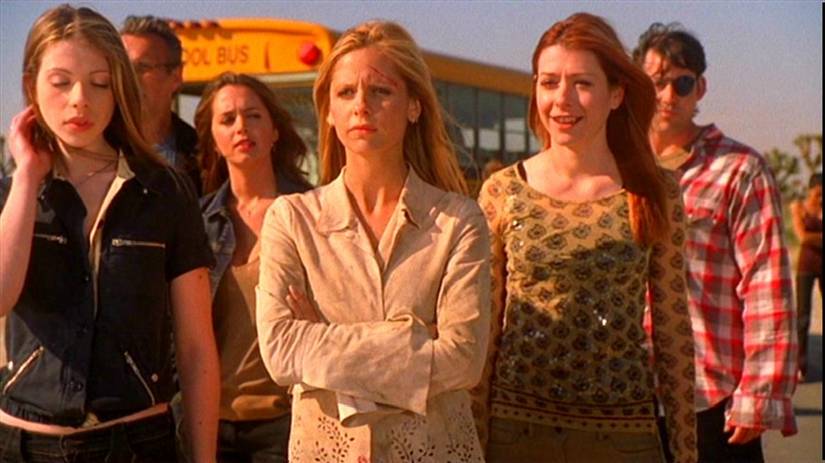
The seventh and final season of the show is often subject to debate among fans, but the series finale, "Chosen," remains an undeniable classic. It manages the nearly impossible feat of providing a fitting sendoff to a large cast of characters. The episode’s most brilliant stroke is its subversion of the show’s foundational premise. For years, being a Slayer meant walking a path of crushing isolation. In "Chosen," that status quo is permanently shattered when Buffy utilizes a spell to activate every potential Slayer across the globe. By sharing the burden of power, Buffy effectively democratizes the role of the protector, ending the era of the singular, martyred hero. Spike’s own journey toward redemption reaches its peak here as well, culminating in a bittersweet final interaction with Buffy that leaves the audience with a sense of hard-won hope.
Perhaps the most devastating moment in the series occurs in the season 5 finale, "The Gift." The episode centers on the moral and physical stakes surrounding Dawn, a mystical entity transformed into a human teenager. When Buffy realizes that the only way to close a destructive dimensional portal is through sacrifice, she makes the ultimate choice, jumping into the rift in her sister’s place. It is a moment of profound emotional finality that highlights Buffy’s evolution from a reluctant, rebellious teenager into a selfless, mature adult capable of bearing any weight to keep those she loves safe.

Similarly, "Becoming: Part 2" from season 2 marks a high point for character agency. Forced into the role of a fugitive and abandoned by her usual support system, Buffy finds herself forming an unlikely, desperate alliance with Spike to confront the threat of Angelus. The episode features one of the most iconic exchanges in the series, where, when confronted with the loss of her friends and her weapons, Buffy declares simply, "Me." It is a testament to her internal fortitude.
Occasionally, the show’s brilliance manifested in the absence of spectacle, most notably in "The Body" from season 5. The episode deals with the sudden, non-supernatural death of Buffy’s mother, Joyce. There are no demons or monsters to fight; there is only the cold, unvarnished reality of grief. The episode depicts the numbness and the disjointed, often irrational reactions of those left behind with heartbreaking accuracy. Gellar’s performance is a masterclass in restraint, stripping away the show’s usual high-octane energy to focus on the quiet, devastating stillness of loss.
The show also proved it could master unconventional formats, as seen in the musical episode "Once More, with Feeling" and the largely silent "Hush." The former uses the medium of song to push forward character motivations and reveal long-buried secrets, transforming the musical gimmick into a vital narrative device. The latter, meanwhile, strips the cast of their voices, forcing them to communicate through gestures and physical cues. "Hush" remains a triumph of visual storytelling, proving that Buffy the Vampire Slayer never required constant action or dialogue to remain one of the most inventive and resonant programs in television history.