









It is a well-worn path in the world of role-playing games: the introduction of an off-stage antagonist who has been pulling the strings of the narrative from the shadows long before the player ever encounters them. Usually, this figure is a malevolent supernatural entity with a deep-seated disdain for humanity, often accompanied by long-winded monologues regarding the nature of free will, destiny, and power. Players are typically expected to dismantle these threats using the time-honored triad of the power of friendship, legendary weapons, and the peculiar aesthetic of high-fantasy armor.
Fire Emblem: Fortune’s Weave adheres to this established trope, yet it manages to subvert the fatigue often associated with such characters by introducing a villain so outrageously, unapologetically horrible that he becomes one of the most compelling aspects of the game. After the deliberate, leisurely pacing of Act 1—a period defined by social simulation, gift-giving, and the nurturing of unit relationships—Act 2 of Fortune’s Weave arrives with the force of a sudden, violent transition. It serves as a potent reminder that storytelling tropes exist for a reason; when executed with precision and thematic weight, they remain incredibly effective.
Entering the War Arc
To unlock the second act of Fortune’s Weave, known as the War Arc, players are required to interact with the Strife Obelisk. While most players will naturally reach this milestone after completing at least one of the four distinct routes available in Act 1, the game does offer the technical possibility of skipping ahead directly after the prologue.

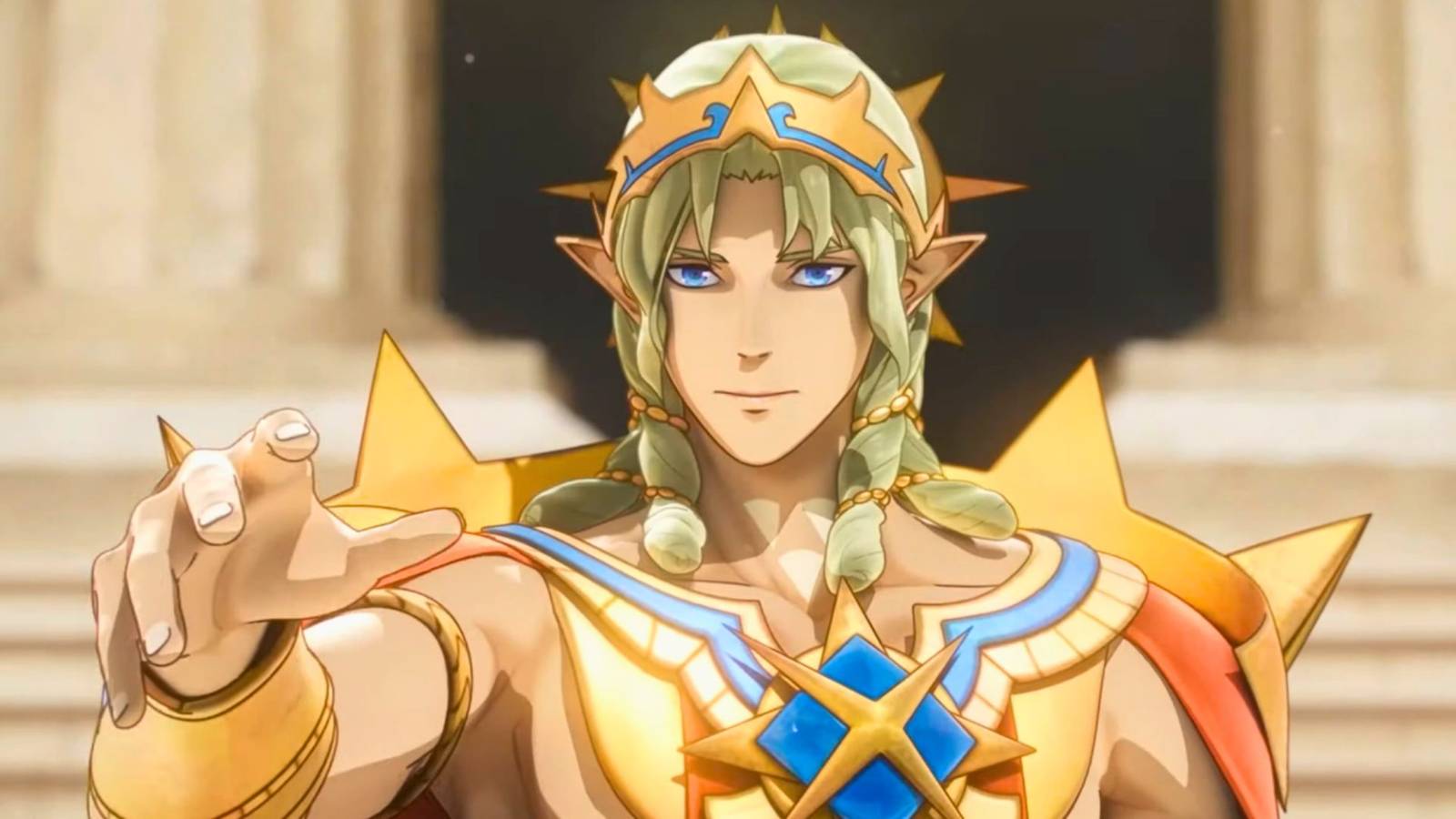
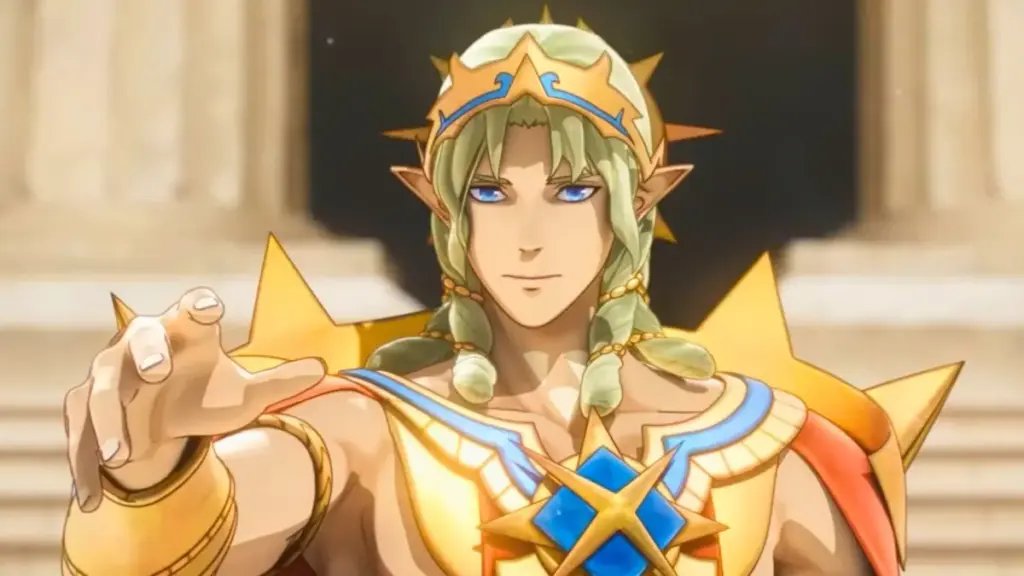
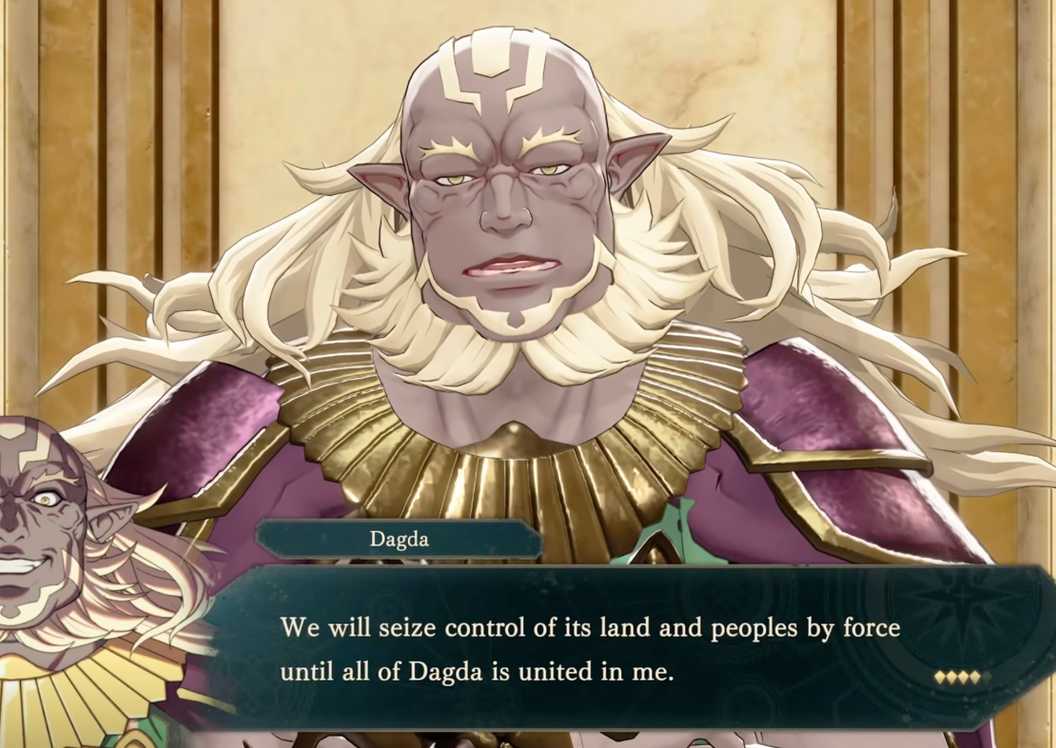
Once the transition occurs, the story leaps forward several months, leaving behind the relative safety and pomp of the Heroic Games. We are introduced to the true antagonist: Emperor Dagda, a figure whose return from a 500-year slumber is orchestrated by his daughter, Raksha, the green-haired schemer who has spent the early portions of the game operating from behind a wooden mask. From his very first appearance, Dagda establishes himself as a force of absolute, unadulterated cruelty.
Dagda makes no pretense of being a fair, just, or even remotely empathetic leader. He operates with a level of malice that makes previous antagonists in the series, such as Edelgard from Fire Emblem: Three Houses, appear almost saintly by comparison. His arrival marks a dark turning point for the continent. He immediately disposes of his own son, Solel, in a callous display of power, signaling that no bond is sacred in his quest for dominion.
Following this, he declares a "war of annihilation" against Saramis, the southern region of the continent—an area specifically highlighted for its demographic diversity. The narrative impact is immediate. The vibrant capital city that players spent hours exploring and growing accustomed to in Act 1 is transformed into a state of oppressive squalor. Imperial troops, acting under Dagda’s mandate, routinely brutalize the citizenry, seizing food and resources to funnel toward their leader.

The Cauldron and the Cost of Power
The most harrowing aspect of Dagda’s rule is his "cauldron." In a bid to consolidate his power and replace the cultural traditions of Dagsion, he orders the demolition of the city’s beloved arena. In its place, he constructs a massive, nightmarish apparatus. When faced with the mounting resistance from the Saramis coalition and the growing defiance among his own allies, Dagda decides to take extreme measures against his own people.
He orders the entirety of the Dagsion population—approximately one million souls—to be cast into his cauldron. This process, which the game wisely keeps off-screen, converts the bodies and spirits of these individuals into a substance known as "flamma." Dagda consumes this soul-slurry by the bowlful, using it to bolster his strength or, frequently, simply to satisfy a petulant, destructive mood. The sheer scale of this atrocity creates a palpable sense of stakes that heightens the tension of every subsequent battle.
The character design and behavioral patterns of Dagda have not gone unnoticed by the community, as the parallels between his rule and certain contemporary political figures are difficult to ignore. His overt prejudice, his tendency to declare war on a whim, his all-encompassing greed, his reliance on a cadre of scheming-yet-inept subordinates, and his bottomless capacity for cruelty combine to create a character that is easy to despise. His presence in the game feels like a calculated provocation, designed to elicit a visceral reaction from the player.
A Satisfying Conclusion to a Short Reign
Despite his terrifying impact on the world of Fortune’s Weave, Dagda’s time in the spotlight is surprisingly brief. In the grand scope of the narrative, especially for those playing through multiple routes, he acts as a high-intensity catalyst for the conflict rather than the final boss of the entire experience.
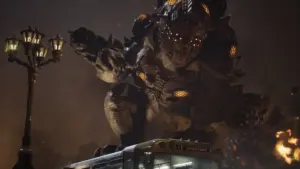
His downfall is as sudden and explosive as his return. Having consumed the souls of a million subjects, he eventually transforms into a gargantuan dragon, stationing himself atop the highest peak in Dagsion. During this encounter, he is initially impervious to conventional damage, representing an insurmountable wall of power. The turning point arrives when the character Eshmel enters the fray, landing a decisive, humiliating blow that breaks Dagda’s shield. This moment of gameplay catharsis—finally being able to strike back at a villain who has spent the entire act tormenting the player—is one of the most gratifying sequences in the game.
The difficulty spike during the battles against Dagda’s forces is notable. Because the stakes are so clearly defined and the enemy is so irredeemably monstrous, each victory feels earned. Even as the narrative moves forward to introduce new, arguably more complex threats that arise in the wake of his defeat, Dagda’s influence remains. He stands out as a masterclass in writing an "outrageous" villain: he is a character who exists to be stopped, and the game ensures that the process of stopping him feels like a necessary, hard-fought triumph. While he may not be the game’s ultimate threat, the memory of his reign of terror and the satisfaction of his eventual demise remain among the most significant impressions Fire Emblem: Fortune’s Weave leaves on the player.