








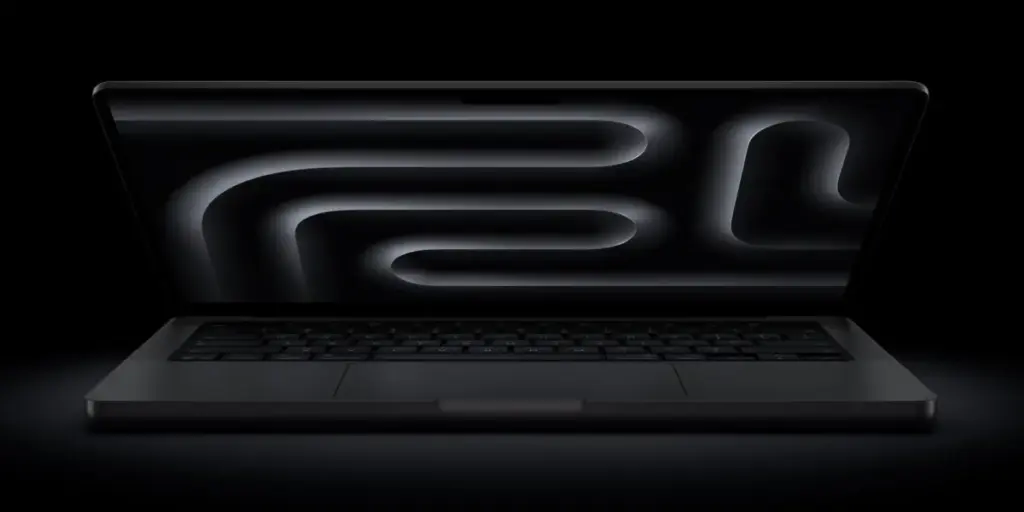
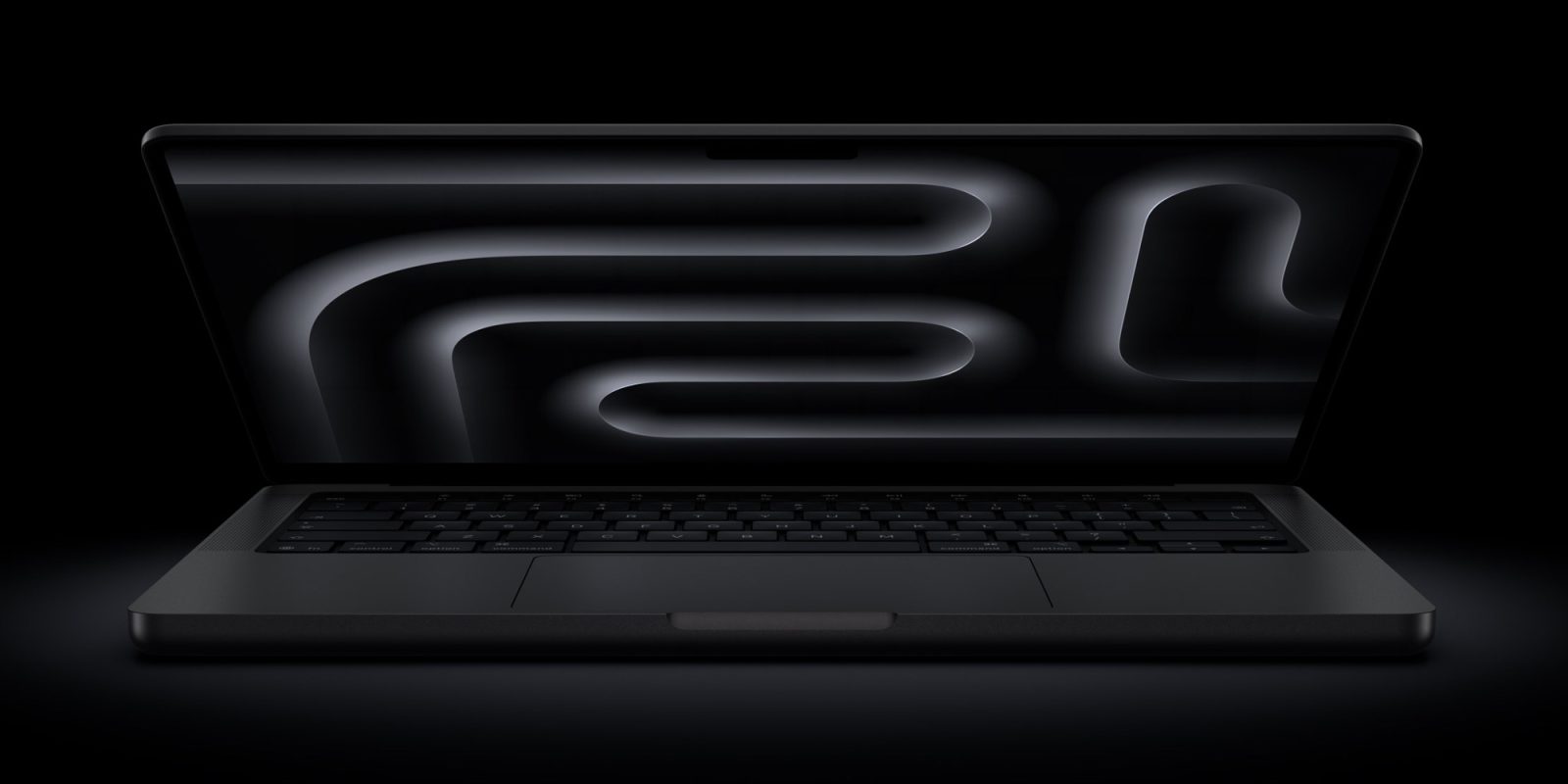
In a tech landscape increasingly defined by creeping inflation and escalating hardware costs, Apple’s latest product reveal has offered a rare moment of stability. During its announcement today, the company unveiled its highly anticipated refresh of the iMac and the 14-inch MacBook Pro, both powered by the new, high-performance M6 silicon. Perhaps most significant for prospective buyers is not just the boost in raw processing power, but the company’s decision to maintain the current pricing tiers for these models—a welcome reprieve following a turbulent year of aggressive price adjustments across Apple’s broader ecosystem.
Prices Remain Steady Amidst a Trend of Increases
For consumers who have been tracking Apple’s pricing strategy over the past several months, the announcement of the M6-powered Macs comes as a surprising point of continuity. Both the refreshed iMac and the 14-inch MacBook Pro launch at the exact same starting prices as their immediate predecessors. This stability stands in stark contrast to a series of strategic price hikes implemented earlier this year, which saw many of the company’s most popular devices move into higher cost brackets.
The value proposition for the new iMac is particularly notable. Beyond the generational leap in performance provided by the M6 chip, Apple has quietly improved the hardware specifications of the base model. While the previous iteration relied on an 8-core CPU and an 8-core GPU via the M4 architecture, the new base-level iMac now features a 10-core CPU and a 10-core GPU. By delivering this increase in core counts without raising the entry-level price, Apple is effectively providing a higher performance ceiling at the same cost to the consumer.

A Context of Rising Costs
To understand why the steady pricing of the new M6 Macs is being received with such relief, one must look back at the broader financial landscape Apple has established over the last six months. In June, the company executed a series of broad-based price increases that affected a significant portion of its hardware lineup. During that period, the iMac saw its starting price jump from $1,299 to $1,499, while the 14-inch MacBook Pro moved from a $1,699 entry point to $1,999. These changes were not isolated incidents; they reflected a concerted effort by the company to adjust for economic shifts and component costs.
The trend of rising prices has permeated nearly every category under the Apple brand. In June, the company hiked the price of the HomePod mini, the Apple TV 4K, and the iPad mini. Since then, the momentum of these increases has only continued. The HomePod mini, which saw its price move from $99 to $129 in the summer, now retails at $149 for the recently announced second-generation model. Similarly, the Apple TV 4K—which previously started at a competitive $129—was adjusted to $199 in June, only to see the latest generation jump to a starting price of $299, albeit with the inclusion of increased storage capacity.
The iPad lineup has faced similar upward pressure. After the iPad mini’s price climbed from $499 to $599 in June, the recently unveiled OLED model of the device has pushed that floor even higher, now starting at $699. Even the iPhone, which remained largely shielded from the initial June price hikes, eventually succumbed to the trend. The launch of the iPhone 18 Pro and iPhone 18 Pro Max in September introduced new, higher price floors of $1,199 and $1,299 respectively—a $100 increase over their predecessors. Furthermore, Apple applied similar $100 price adjustments to the remaining legacy models in its lineup, including the iPhone 17, the iPhone Air, and the iPhone 17e.
Balancing Expectations and Market Realities
Given this aggressive pattern of upward pricing, the decision to hold the line on the M6 iMac and the 14-inch MacBook Pro is a significant departure from the company’s recent trajectory. While these machines remain premium products with price points that reflect their professional-grade capabilities, the lack of a "new generation" premium serves as a morale boost for loyal customers who were bracing for further cost increases.
However, industry analysts suggest that this relief may be temporary, or at least limited to specific segments of the product lineup. The conversation surrounding Apple’s hardware costs has now shifted toward the rumored OLED touchscreen MacBook Pro models, which are expected to be unveiled shortly. Reports from Bloomberg suggest that Apple is considering a starting price of $2,899 for the 14-inch version of this new hardware. If the company maintains a similar pricing gap between its standard models and the high-end, touch-enabled variants, the 16-inch version could potentially see a price tag of $3,399 or higher.

The potential arrival of such high-priced hardware makes the stability of today’s M6 launch feel even more strategic. By keeping the core workhorse models at their current, albeit elevated, price points, Apple is likely attempting to maintain momentum in the professional and creative markets without alienating users who have already absorbed significant price hikes earlier in the year.
As the technology industry continues to navigate the complexities of supply chain costs and global economic shifts, Apple’s pricing decisions remain a focal point for both investors and consumers. For now, users looking to upgrade to the latest M6-powered hardware can do so with the knowledge that the company has opted for a period of calm rather than another cycle of increases. Whether this stability will persist through the upcoming launch of the rumored OLED touchscreen models, or if those devices will set a new, higher standard for professional laptop pricing, remains one of the most significant open questions in the current market. As Apple moves forward with its M6 transition, the focus will undoubtedly remain on whether the company can continue to justify these premium price points through performance gains and hardware innovation.