










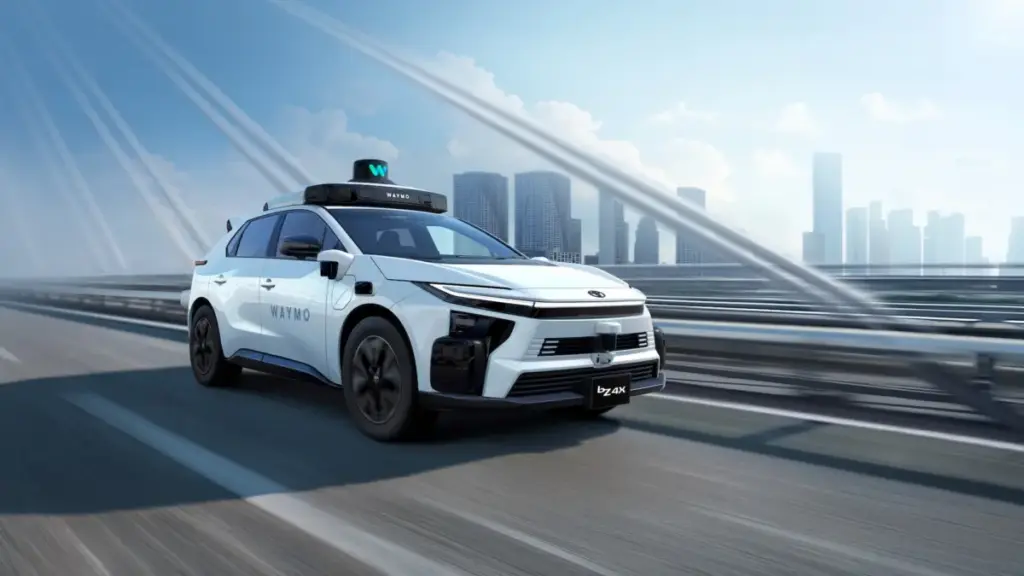
Waymo, the Alphabet-owned autonomous driving technology leader, is set to expand its global footprint significantly. The company announced on Friday that it will begin testing autonomous versions of the Toyota bZ4X in Japan starting next year. This development marks a pivotal milestone in a burgeoning partnership between the Silicon Valley-based tech giant and the Japanese automotive powerhouse, aimed at integrating Waymo’s industry-leading self-driving system into Toyota’s electric vehicle (EV) lineup for robotaxi operations across international markets, including the United Kingdom.
The announcement, released in the early hours of October 30, 2026, solidifies a collaboration that has been in development for roughly 18 months. Under the terms of the agreement, Toyota will undertake the manufacturing of the 2027 model year bZ4X vehicles, incorporating Waymo’s specialized hardware and software integration directly at its Takaoka factory in Japan. This integration at the point of manufacture represents a strategic shift toward more efficient, factory-integrated autonomous vehicle production. It is worth noting that while the vehicle is marketed as the bZ4X in most global regions, it is branded as the "BZ" within the North American market.
A Gateway to Global Markets
The immediate focus of this initiative is to establish a rigorous testing program in Japan. Waymo has long expressed its ambition to operate a commercial robotaxi service in the region, and by utilizing a vehicle platform from a domestic manufacturer, the company gains significant operational advantages, including local supply chain support and deeper integration with regional traffic ecosystems.
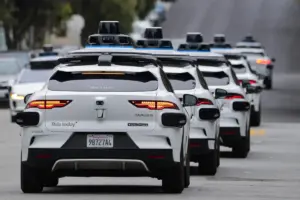
However, the ambitions of this partnership extend well beyond the Japanese archipelago. The long-term goal is to deploy these autonomous bZ4X vehicles in other right-hand-drive countries, with the United Kingdom serving as a primary target. Waymo has already been laying the groundwork in London, where it has spent months conducting extensive testing with its Jaguar I-Pace fleet. The introduction of the Toyota platform provides Waymo with a scalable, diversified vehicle portfolio, allowing it to tailor its fleet to the specific regulatory and infrastructural requirements of different international markets.
This move comes as a tangible evolution of the preliminary agreement signed by the two companies in April 2025. At that time, the announcement was met with cautious optimism by industry analysts, largely due to its vague language, which suggested a tentative "let’s see what happens" approach to the potential development of a dedicated autonomous platform. Eighteen months later, that initial exploration has matured into a concrete, action-oriented supplier agreement that addresses Waymo’s need for a robust, mass-produced vehicle capable of handling the complexities of urban autonomous navigation.
Beyond the Robotaxi: Future Horizons
While the primary application of this partnership is the deployment of robotaxi fleets, the scope of the collaboration is remarkably broad. Both Toyota and Waymo have indicated that they are actively investigating the possibility of bringing Waymo’s autonomous technology to personally owned Toyota vehicles in the future. Should this come to fruition, it would represent a significant leap in the democratization of self-driving technology, moving it out of the niche ride-hailing sector and into the hands of the average consumer.
Furthermore, the companies are exploring a variety of future "initiatives" designed to leverage the vast troves of data generated by Waymo’s real-world operations. The objective is to utilize these insights to enhance safety protocols, not just for autonomous vehicles, but for all road users. While the specifics of these initiatives remain somewhat opaque, the rhetoric from high-level leadership at both firms suggests a focus on the intersection of vehicle intelligence and traffic infrastructure.
Hiroki Nakajima, executive vice president of Toyota and a member of the company’s board, offered insight into this collaborative philosophy. "This collaboration will help scale that technology and bring it to customers in Japan and beyond through Waymo’s ride-hailing service, and in parallel, Toyota will continue to explore how integrating vehicles with traffic infrastructure can make those roads safer still," Nakajima stated.
The emphasis on infrastructure integration is particularly telling. It highlights a growing consensus within the automotive industry that autonomous vehicles cannot exist in a vacuum; they must communicate and interact effectively with their environment—including smart traffic lights, connected road signs, and other vehicles—to achieve the levels of safety and efficiency required for widespread public adoption.
Strengthening the Competitive Landscape
For Waymo, the deal with Toyota is a tactical masterstroke. By diversifying its hardware platform beyond the Jaguar I-Pace, the company reduces its dependency on a single manufacturer and gains access to Toyota’s massive production capacity and global service network. This is crucial for scaling operations; as Waymo seeks to transition from pilot programs to full-scale, profitable commercial services, the ability to procure and maintain a fleet of reliable, purpose-built vehicles is paramount.
For Toyota, the partnership provides a bridge to the future of mobility. As the automotive industry faces an existential shift toward electrification and automation, partnering with an established leader like Waymo allows Toyota to remain at the cutting edge of technological innovation without needing to build an equivalent software stack from scratch. It allows the automaker to focus on its core competencies—vehicle dynamics, manufacturing excellence, and safety engineering—while leveraging Waymo’s proven track record in AI-driven navigation and obstacle detection.
As of late 2026, the partnership is firmly rooted in the realities of the current automotive market. It functions as a conventional vehicle supplier deal, albeit one with a sophisticated, high-tech twist. It solves immediate logistical hurdles for Waymo’s international expansion while providing Toyota with a front-row seat to the rapid advancements in autonomous vehicle technology.
Looking Ahead: The Path to Commercialization
As Waymo prepares for the upcoming testing phase in Japan, the industry will be watching closely to see how the bZ4X performs in real-world urban environments. The success of these trials will likely dictate the timeline for the commercial launch of the robotaxi service in Japan and, eventually, the United Kingdom.
The challenges remain significant. Operating in new, non-U.S. environments requires the Waymo Driver software to adapt to different road rules, signage, cultural driving behaviors, and environmental conditions. However, the use of a Toyota-manufactured platform should streamline the hardware-side integration, allowing Waymo’s engineers to focus their efforts on the complex software adaptations necessary for these new markets.
The collaborative effort between Toyota and Waymo stands as a testament to the changing dynamics of the transportation sector. It marks a transition away from the era of isolated innovation toward a model of strategic, cross-industry alliances. Whether this partnership ultimately leads to a new standard in autonomous safety or the mass adoption of self-driving personal vehicles remains to be seen. However, by aligning the manufacturing might of Toyota with the software prowess of Waymo, both companies are positioning themselves to lead the next generation of global mobility, setting the stage for a future where autonomous transportation is not just a technological curiosity, but an integrated, reliable part of daily life across the globe.