










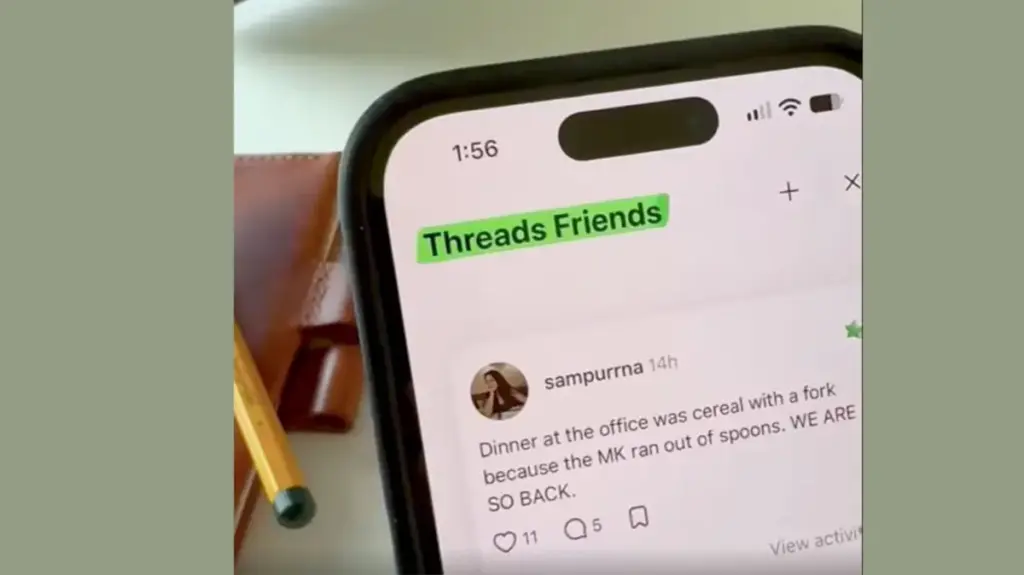
In a move aimed at enhancing user intimacy and control over personal digital spaces, Meta is testing a new feature on its social media platform, Threads, that allows users to share content with a curated, smaller group of followers. Known internally and in early testing as "Threads Friends," the feature marks a significant shift in the platform’s architecture, moving away from a strictly public-facing broadcast model toward a more segmented, private social experience.
The experiment is currently being rolled out to a select group of users in Ireland, Italy, and Japan. By introducing this functionality, Meta is effectively implementing a "close friends" mechanism, a concept that has become a staple across the company’s broader ecosystem, most notably on Instagram. This new tool allows individuals to designate a list of up to 50 people—whom the platform playfully refers to as "Thriends"—with whom they can share posts that remain invisible to the rest of the public.
For many users, the ability to control the audience for specific thoughts or media is a vital component of modern social networking. As platforms have grown larger and more crowded, the pressure to maintain a perfectly curated public persona has often conflicted with the desire to share more candid, personal moments with a trusted inner circle. By capping the audience at 50, Threads is attempting to strike a balance between the vast reach of the platform and the comfort of a smaller, more intimate digital environment.

The timing of this test is particularly interesting given the history of similar features in the industry. The concept of "fenced-in" posting is not entirely new; it mirrors, almost exactly, the functionality of "Twitter Circles," a feature introduced by the platform now known as X back in 2022. Twitter Circles allowed users to limit their post visibility to a group of up to 150 people. That feature, however, faced a tumultuous tenure. Despite being touted as a way to foster more authentic conversation, Twitter Circles was eventually discontinued by X approximately a year after its introduction, as the company pivoted its strategic focus.
Meta’s decision to pursue a similar path suggests a belief that the demand for private sharing remains high, even if previous iterations on other platforms failed to gain permanent traction. To lower the barrier to entry for this feature, Meta is taking a proactive approach in helping users build their initial friend lists. According to a spokesperson for the company, the Threads app will automatically analyze a user’s interaction history to suggest followers who are frequently engaged with, such as those with whom the user regularly exchanges replies or likes.
While the platform provides these algorithmic suggestions to expedite the setup process, the lists are not static. Users maintain full control over the curation, allowing them to add or remove individuals at their discretion to ensure their private feed remains reflective of their actual social preferences. This customization is key to the feature’s intent: providing a safe, controlled space where users feel comfortable posting without the anxiety of a massive, unknown audience.
Once a user has configured their friends list, the interface provides a distinct pathway for interacting with this content. A new, dedicated green bubble will appear at the top of the user’s feed. Tapping this icon allows the user to filter their view specifically to see "Friends’ posts" that have been shared within the last 24 hours. This temporal limitation—restricting the view to the most recent day—is a design choice that encourages active, real-time engagement rather than the consumption of historical, archived content.
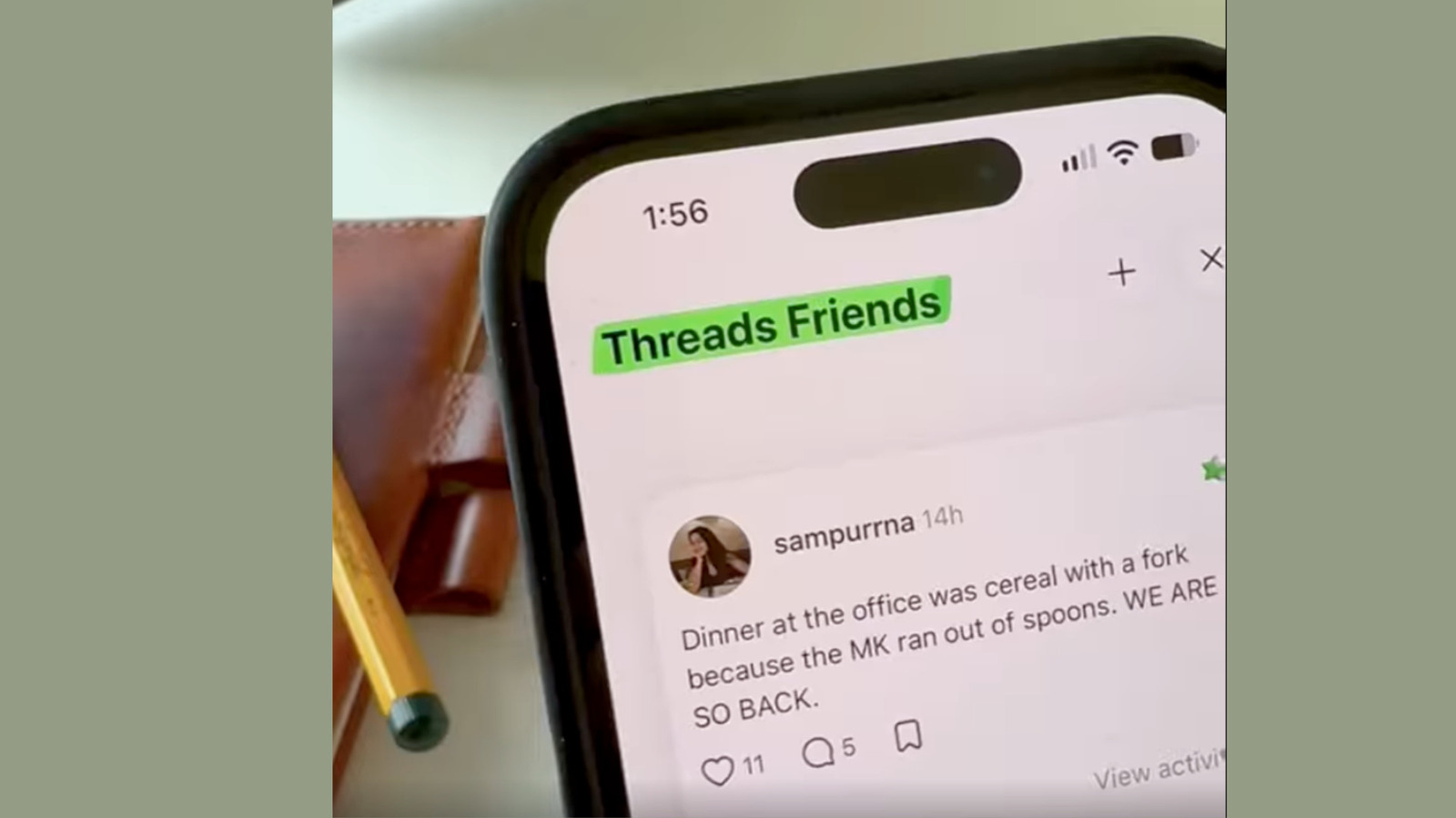
While Meta has not yet released a comprehensive suite of images or a full UI walkthrough of the feature, some glimpses into the user experience have begun to emerge. Laura Javier, the product design director for Threads, provided a brief preview of what a friends-only post might look like, highlighting the visual cues that distinguish these posts from standard, public-facing content. In a nod to the social nature of the feature, she also showcased a playful "Easter egg" embedded in the interface: the text "Threads Friends" shifts to read simply "Thriends," a portmanteau that reflects the more informal, social nature of the group.
The impact of this feature on the broader Threads experience remains to be seen. For the time being, the test is strictly localized. Users in the United States and other regions currently lack access to the feature, and it is unclear how long the testing phase will last or what metrics Meta will use to determine whether to roll it out globally. However, the architecture of the feature is such that it allows for cross-regional interaction. If a user is based in one of the test countries—such as Japan or Italy—and they add a user based in the United States to their "Thriends" list, that U.S.-based user will be able to see the private posts. This creates a small, exclusive bridge across geographical boundaries, potentially increasing the utility of the feature for international friendship groups.
The introduction of "Threads Friends" underscores a broader trend in social media: the "privatization" of the public square. As users become increasingly wary of the pitfalls of broad, permanent, and public digital footprints, platforms are scrambling to provide tools that facilitate ephemeral or limited-audience interactions. By focusing on groups of 50, Meta is positioning Threads not just as a town square for public discourse, but as a digital living room where users can speak more freely.
Whether this feature will meet a better fate than its predecessor at X remains a central question for industry analysts. Critics of such features often point out that they can lead to echo chambers or "social fragmentation," where users lose the benefit of the broad, diverse exposure that social media was originally intended to provide. On the other hand, proponents argue that such tools are essential for the mental health and comfort of users, preventing the burnout often associated with constant public performance.
For now, the development remains in its experimental infancy. Meta’s approach, characterized by a gradual rollout and user-controllable lists, suggests a cautious strategy. By limiting the test to specific regions, the company can monitor how users interact with the feature and identify potential issues with privacy, moderation, or user confusion before committing to a global release.
As Threads continues to refine its identity as a platform for text-based conversation, the integration of private, smaller-group sharing represents a pivotal evolution. It acknowledges that while users may come to the platform to participate in global conversations, they remain fundamentally driven by the desire to connect with the people they know and trust. As the test continues in Ireland, Italy, and Japan, the data gathered will undoubtedly influence the future direction of the platform, potentially signaling a long-term shift toward a more segmented, intimate social media landscape. For the time being, the platform’s users in these test markets are the first to experience this new dimension of digital interaction, providing a window into how the future of social networking might prioritize the small, private circle over the vast, anonymous crowd.