








Death has always been the shadow cast over the Sunnydale landscape. Throughout the seven-season run of Buffy the Vampire Slayer, the titular heroine, played with searing vulnerability by Sarah Michelle Gellar, spent her life dancing on the edge of mortality. Whether she was desperately trying to outrun her destiny or, in the most profound moments, choosing to embrace it, the series served as a long-form meditation on the finality of existence. Upon a retrospective viewing, death emerges as the undeniable thematic spine of the show—a realization that stands in stark contrast to the disbelief many fans felt during their initial watches. In those early years, the prospect of Buffy Summers actually dying seemed like an impossible narrative gambit. Surely, a show built on the foundation of a teenage hero couldn’t possibly follow through on that promise. But, as the series proved, it was never afraid to go to that dark, necessary place.
The turning point arrived with the season 5 finale, "The Gift," a masterclass in television writing that effectively served as a series closer. As the town of Sunnydale began to collapse under the weight of an interdimensional rift, Buffy and her inner circle found themselves cornered, with no apparent way to stop the impending apocalypse. At the heart of the crisis was Dawn, Buffy’s younger sister, whose very existence was the catalyst for the portal’s opening. In a desperate act of self-sacrifice, Dawn attempted to leap into the energy stream to close the gate, only to be restrained by her older sister. It was in this harrowing moment, amidst the chaos of a dying world, that Buffy uttered the line that has resonated with fans for over two decades: "The hardest thing in this world is to live in it. Be brave. Live. For me."
This moment was not merely a farewell; it was the final resolution of an arc that had been brewing since the show’s inception. By sharing the same blood, Buffy was uniquely capable of closing the portal that Dawn’s body—a mystical "Key"—had opened. By choosing to jump into the void, Buffy fulfilled her duty as the Slayer, but she did so not out of a desire for death, but as an ultimate act of love and preservation.
A Sister Out of Nowhere
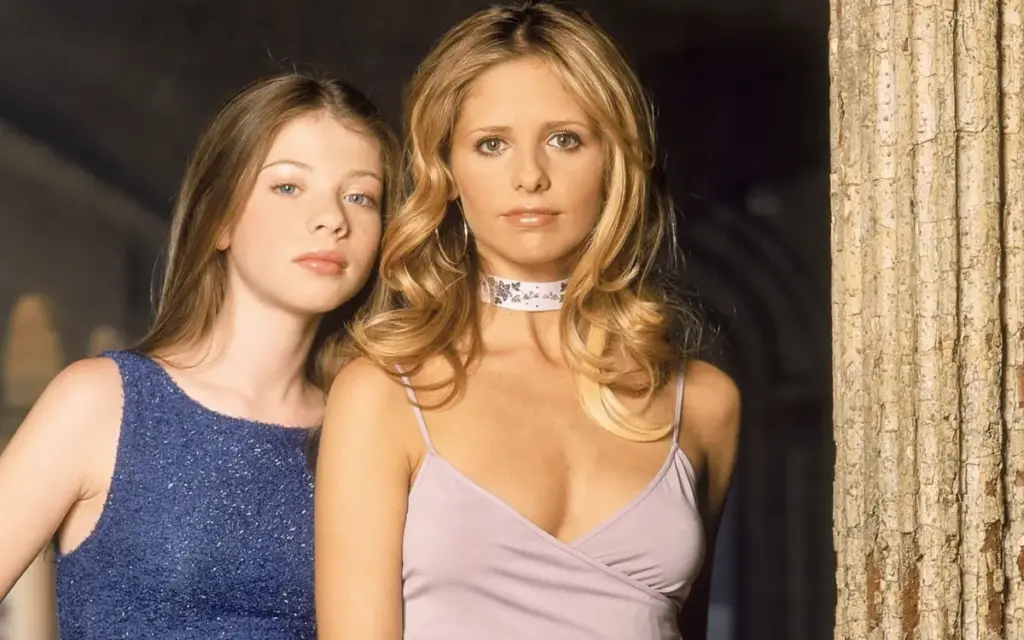
To understand the emotional weight of "The Gift," one must look at the radical structural risks taken during the show’s fifth season. The introduction of Dawn was perhaps one of the most audacious creative decisions in television history. For four seasons, Buffy was defined by her isolation—she was an only child, a unique vessel of power struggling to balance her "normal" teenage desires with her supernatural obligations. Then, suddenly, she had a younger sister.
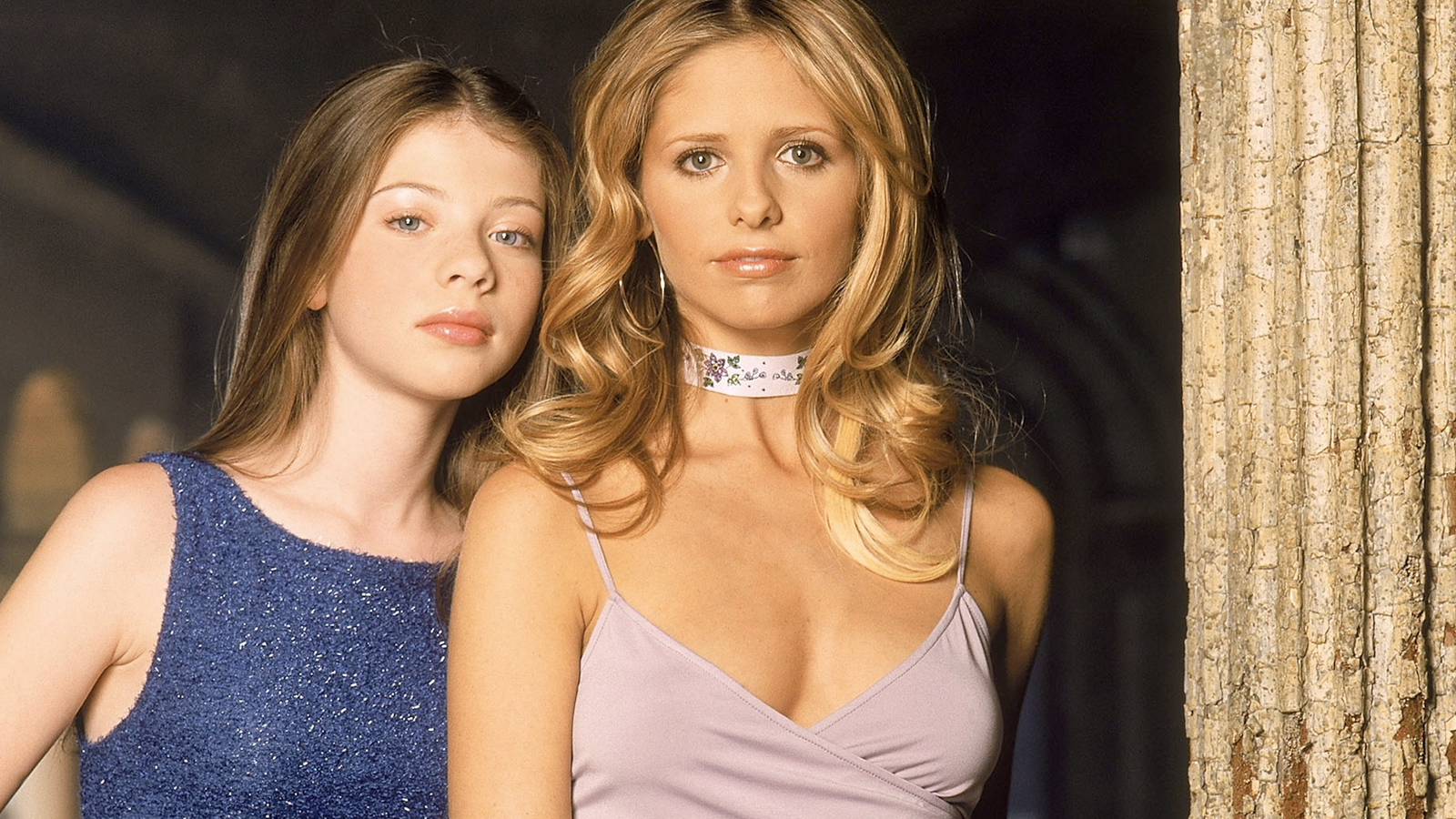
The introduction was so jarring, appearing in a throwaway moment that left many viewers wondering if they had missed an entire season, that it initially felt like a massive continuity error. However, it was a deliberate, calculated subversion. As showrunner Joss Whedon later explained, the inclusion of Dawn was designed to force Buffy into a dynamic that had nothing to do with her romantic entanglements. After years of watching Buffy grapple with the complicated, often toxic romances of Angel, Riley, and the complex allure of Spike, the introduction of a familial, protective bond was a transformative shift. It allowed the audience to see a different side of Buffy—one that could be raw, angry, protective, and profoundly distraught over a connection that didn’t involve a heartbeat in the traditional romantic sense.
The reveal that Dawn was not human, but a "Key" formed from ancient energy and forced into the form of a girl, only deepened the tragedy. The monks who performed this ritual had retroactively inserted memories of Dawn into the minds of Buffy and her friends, creating a reality where she had always existed. This revelation stripped away the last vestiges of Buffy’s childhood. With the departure of her boyfriend, Riley, and the devastating loss of her mother, Joyce, the show effectively dismantled the safety net that had kept Buffy anchored to a semblance of a normal life. The show was no longer about a scrappy group of teens fighting off monsters; it had matured into a darker, more complex exploration of duty, grief, and the brutal transition into adulthood.
What Buffy Leaves Behind
The title "The Gift" refers back to an earlier, haunting prophecy delivered by the First Slayer during a vision quest: "Death is your gift." For much of the season, this line served as a source of existential dread for Buffy, confirming her worst fear—that she was merely a killing machine, closer in nature to the monsters she hunted than to the human world she fought so hard to protect. However, the finale recontextualizes this "gift" entirely.
In the final moments, the audience sees that for Buffy, being the Slayer was never truly about the accumulation of strength or the exertion of power. It was about the capacity for sacrifice. By tasking Dawn with the duty of living, Buffy transformed her own death from a tragedy into a legacy. She demanded that those she loved continue to exist, even when the world offered them nothing but pain and isolation. This mandate would go on to haunt the narrative in season 6, as the audience witnessed the anguish and destructive behavior that followed Buffy’s resurrection, proving that sometimes, the struggle to live is indeed more difficult than the act of dying.

At the time, the future of the show was uncertain. While we know now that Buffy the Vampire Slayer survived to see two more seasons on a new network, the production team at the time treated the season 5 finale as a definitive conclusion. This uncertainty allowed them to craft an episode that engaged in a profound dialogue with the season 1 finale, "Prophecy Girl." In that early episode, a younger, terrified Buffy struggled to face the Master, paralyzed by the fear of her own mortality. In "The Gift," we see a fully realized woman who walks into the heart of death with a calm, resolute grace. She no longer fears the end, because she understands that her life has served a purpose far greater than her own survival.
The final frame of the episode remains one of the most indelible images in television history. As the camera pans over the rubble where Buffy’s body lies, the grief of her friends is palpable. The transition to her tombstone, etched with the words "Buffy Anne Summers. Beloved sister. Devoted friend. She saved the world a lot," acts as a final epitaph for a character who redefined the landscape of pop culture. It is a testament to the fact that while she fought demons and vampires, her greatest victory was not the destruction of her enemies, but the preservation of the life she left behind. Even 25 years later, the weight of her final command—to be brave and to keep living—continues to resonate, serving as a reminder that the endurance of the human spirit is the most heroic act of all.