



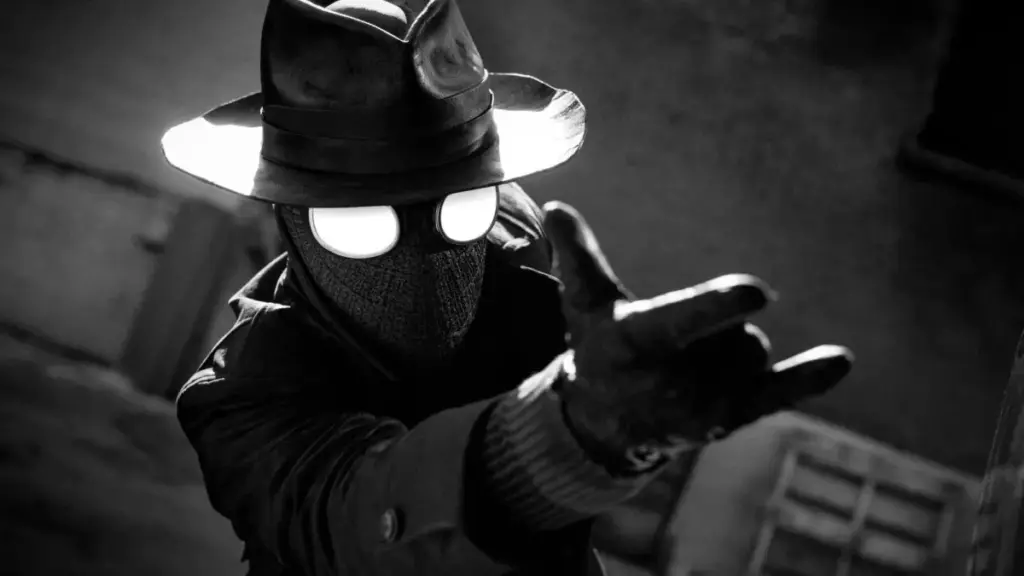
In a move that signals a continued commitment to building out their live-action Spider-Man universe, Amazon MGM is reportedly nearing an order for a new television series centered on the infamous "Clone Saga" from Marvel Comics history. The development comes just weeks after the surprising cancellation of Spider-Noir, the ambitious project that was set to star Nicolas Cage as a gritty, alternate-universe version of the wall-crawler. Despite the cancellation of Spider-Noir—a decision that shocked many fans given the positive early reception—the partnership between Amazon and Sony Pictures remains firmly intact, with both studios actively exploring new ways to translate the vast Spider-Man lore into serialized television.
The news, first reported by Deadline, indicates that the project will focus on two of the most complex figures in Marvel’s mythos: Ben Reilly and Kaine Parker. For those unfamiliar with the sprawling, often labyrinthine history of 1990s comic books, the "Clone Saga" represents one of the most divisive yet iconic eras for the character. Originally introduced as a one-off gimmick in the 1970s, the concept of a Spider-Man clone was resurrected in the mid-90s, triggering a massive, multi-year storyline that fundamentally altered the status quo of Peter Parker’s life. At the height of the saga, the comics famously revealed that Ben Reilly was, in fact, the original human being, while the character readers had followed for decades—Peter Parker—was actually the clone. While Marvel eventually walked back this controversial revelation, the saga remains a cornerstone of Spider-Man lore, known for its high-stakes drama, identity crises, and the introduction of several "flawed" clones, including the anti-hero Kaine.
Navigating the Complexities of Canon and Rights
The transition of the "Clone Saga" from the printed page to the small screen presents a unique set of challenges, particularly regarding the complex web of rights-sharing between Sony and Marvel. Because Sony holds the screen rights to the broader Spider-Man character library, their collaborative efforts with Amazon have been subject to specific legal and contractual constraints. This reality was a major factor in the development of the now-canceled Spider-Noir. Reports surrounding that project suggested that "rights carveouts" played a significant role in its development, ultimately forcing the creative team to pivot away from using the traditional Peter Parker moniker in favor of Ben Reilly.
This precedent raises significant questions about how the new "Clone Saga" series will function. Sources close to the project have provided conflicting accounts regarding the exact plot direction. While some suggest the series will lean into the existential dread of characters grappling with their clone identities as they face off against a rogue’s gallery of other duplicates, others imply that the show may take significant liberties with the source material. It is entirely possible that the showrunners will opt to grant the protagonists new names or entirely distinct origins, potentially bypassing the use of the Peter Parker identity altogether if legal restrictions make it difficult to utilize the core Spider-Man character.
The narrative potential of the "Clone Saga" is undeniably vast, offering a dark, psychological lens through which to view the concept of heroism and identity. Unlike the traditional "hero’s journey" often associated with Peter Parker, the stories of Ben and Kaine are defined by trauma, search for purpose, and the struggle to differentiate oneself from a shadow. Whether the series will lean into the 1990s melodrama that characterized the original comics or opt for a more grounded, modern-thriller approach remains to be seen. Given the current appetite for "prestige" genre television, it is likely that Amazon is looking to craft a mature, character-driven drama that differentiates itself from the colorful, high-octane spectacle of the animated Spider-Verse films.

A New Creative Direction
The creative leadership behind this new endeavor suggests that Amazon and Sony are prioritizing established talent with deep roots in the Spider-Man universe. Kelvin Yu, the acclaimed creator of American Born Chinese, has been tapped to write the series. Yu’s background in blending cultural narratives with superhero tropes suggests a sophisticated approach to the material. His involvement provides a level of stability and creative vision that will be necessary to navigate the complexities of a story as dense as the "Clone Saga."
Furthermore, the production team boasts an incredibly high pedigree. The project is expected to feature executive production from Amy Pascal, Phil Lord, and Christopher Miller. Pascal, a veteran producer whose fingerprints are on nearly every major modern Spider-Man project, brings institutional knowledge that is vital for managing the brand. Meanwhile, the inclusion of Lord and Miller—the visionaries behind the critically adored Spider-Verse franchise—provides a massive vote of confidence for the series. Their work has set a high bar for quality and innovation within the franchise, and their oversight suggests that this project is intended to be a significant pillar of Amazon’s growing entertainment slate.
For fans of the franchise, the news of a "Clone Saga" series is a reminder that the Spider-Man brand is far from stagnant. While the loss of Spider-Noir was a disappointment, the willingness of the studios to pivot toward such a massive, lore-heavy storyline indicates a desire to explore the corners of the Marvel universe that have previously been ignored by feature films. The upcoming release of Beyond the Spider-Verse on June 18, 2027, will undoubtedly keep the public’s attention firmly fixed on the character, and the "Clone Saga" series appears poised to capitalize on that continued interest.
As development progresses, the industry will be watching closely to see how the show navigates the inherent narrative hurdles of the "Clone Saga." The source material is notorious for its density and the intensity of its fan debates; managing that legacy while creating a standalone, accessible television experience will be no small feat. However, with a team that has already demonstrated success in adapting complex comic book concepts for new audiences, there is a clear path forward for the project. For now, the "Clone Saga" remains in the active development phase, with fans waiting to see if this ambitious adaptation can finally bring one of the most polarizing chapters of Spider-Man history to the screen with the depth and gravitas it deserves. The transition from the ink-and-paper world of the 90s to a live-action, serialized format is fraught with risk, but the potential to explore the fundamental nature of identity through the lens of a clone is a narrative opportunity that is simply too compelling for Amazon and Sony to pass up.