










The sight of NASA astronauts aboard the International Space Station utilizing 3D printers to manufacture critical tools and replacement parts on demand has long captured the public imagination. It serves as a high-tech testament to the power of additive manufacturing: the ability to create complex, functional objects exactly when they are needed, rather than waiting for supply shipments. While the context for the average consumer is far more terrestrial, the underlying principle remains remarkably consistent. Today, a growing number of hobbyists are discovering that owning a 3D printer can transform a money pit into a manageable expenditure, allowing them to produce components and accessories at a fraction of the cost of retail store prices.
However, the question of whether purchasing a 3D printer is a sound financial decision requires a nuanced look at hardware costs, material consumption, and the specific nature of one’s interests. At its core, 3D printing—or additive manufacturing—is the process of creating three-dimensional objects from digital computer-aided design (CAD) models. For those looking to enter the hobby, the market is tiered. Entry-level machines, such as the Creality Ender-3 V3 SE, are often available for around $170. More sophisticated systems, which offer higher speeds, better reliability, and superior material compatibility, can quickly climb to $700 or more.
The ongoing cost of operation is primarily tied to filament, the thermoplastic material that serves as the "ink" for most home machines. A standard kilogram of polylactic acid (PLA) filament typically costs around $20. By calculating the mass of an item, a user can determine that producing 50 small, $10 components from a single kilogram of material represents a substantial return on investment. Yet, the barrier to entry is lower than many realize; for those hesitant to commit to the hardware, local libraries and community maker spaces frequently offer access to printers, and numerous online services exist that will print and ship your designs for a competitive fee.

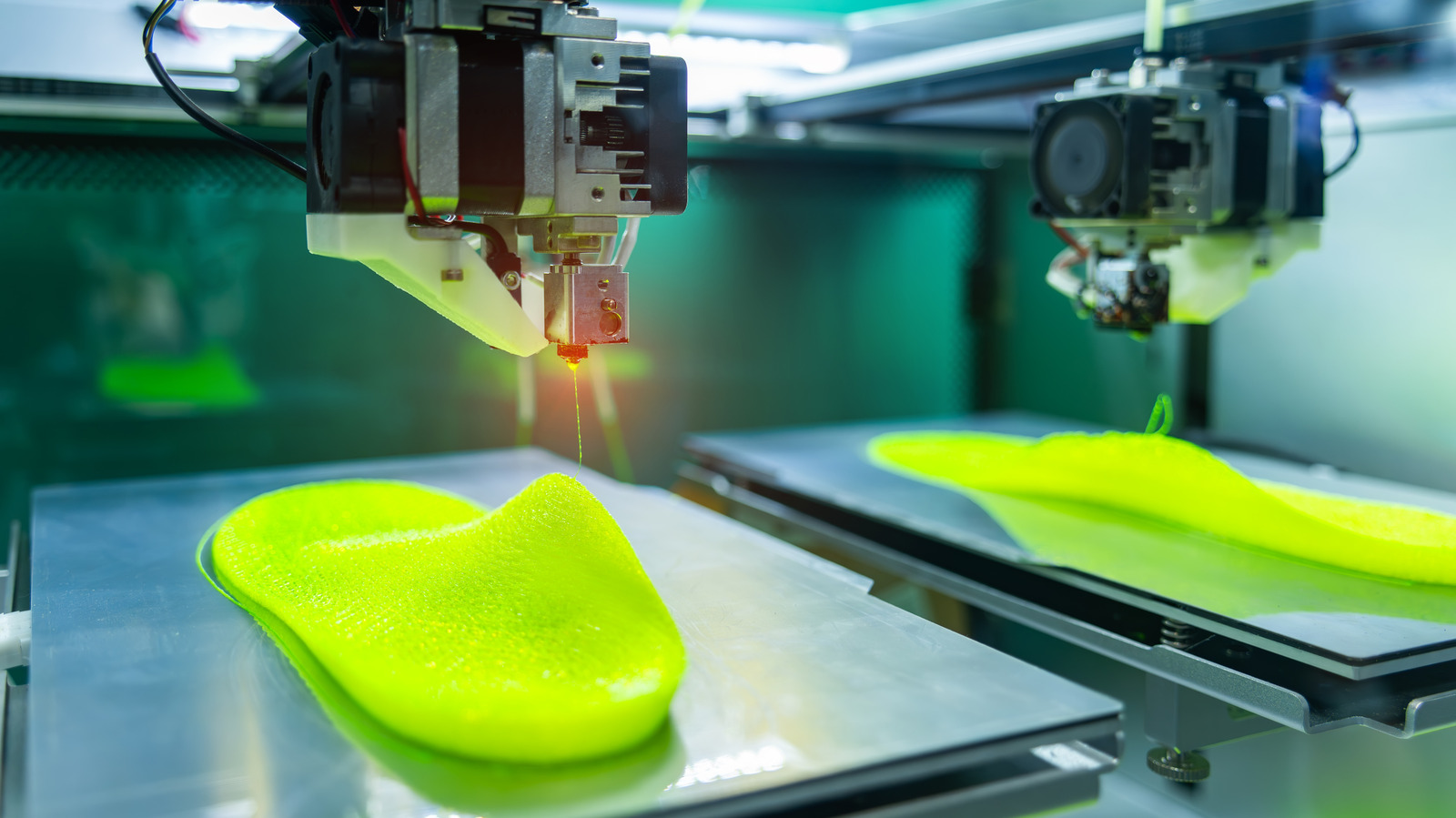
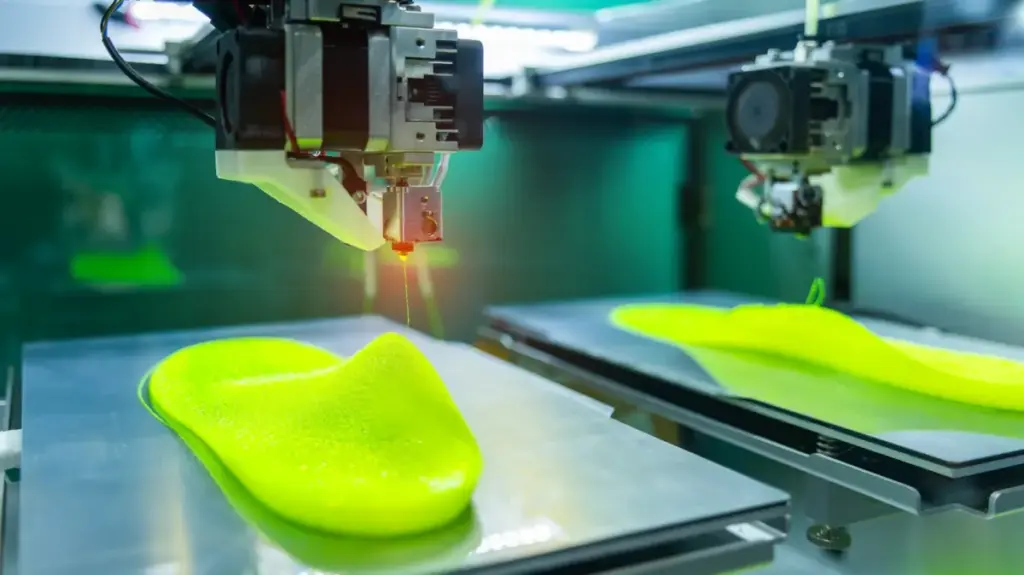
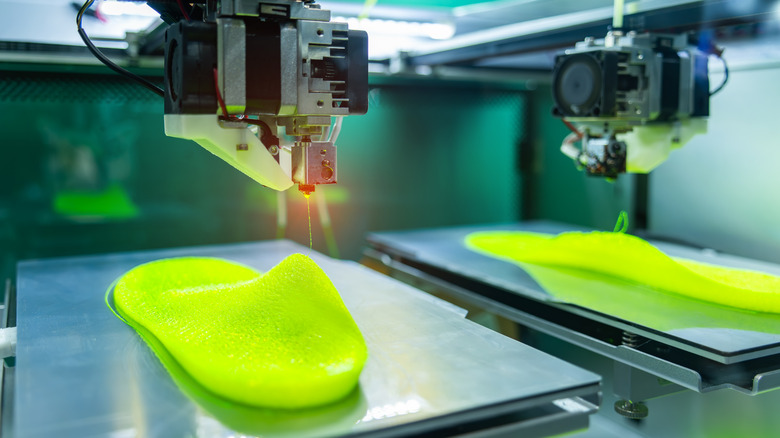
Most domestic 3D printers rely on Fused Deposition Modeling (FDM), a process where plastic filament is fed through a heated nozzle to build an object layer by layer. While this is the industry standard for hobbyists, those requiring high-precision detail—such as miniature painters or jewelry makers—often look toward resin-based systems like Stereolithography (SLA) or Digital Light Processing (DLP). Others may explore Selective Laser Sintering (SLS), which uses polymer powder. While these technologies offer different levels of resolution and material properties, the primary goal for the hobbyist remains the same: finding where the cost of the printer and materials intersects with the savings generated by bypassing traditional retail supply chains.
The Economics of Drone Maintenance and Repair
For drone pilots and enthusiasts of remote-controlled vehicles, the hobby is notoriously hard on hardware. Frequent flight, high-speed maneuvers, and the inevitable "hard landings" mean that components are constantly reaching the end of their operational lifespan. Replacing a proprietary chassis, a camera gimbal, or an arm protector from a major manufacturer can be an expensive endeavor, with parts often inflated by branding and shipping overheads.
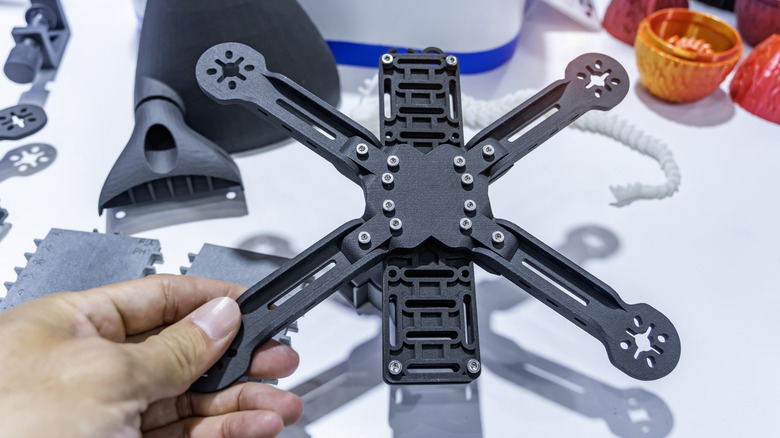
Within the 3D printing community, drone maintenance is one of the most well-supported niches. Specialized websites host vast libraries of CAD models specifically for drone components. While industry experts generally caution against printing flight-critical structural components—such as propeller blades or main chassis supports—until the specific material, design, and structural integrity have been rigorously validated, the potential for savings on non-critical parts is immense. Antenna guards, landing skids, camera mounts, and battery straps are all prime candidates for home production. When a simple plastic guard that costs $10 at a hobby shop can be manufactured at home for pennies, the printer begins to pay for itself remarkably quickly. Furthermore, the convenience of printing a replacement part on a Saturday afternoon, rather than waiting days for an online order to arrive, offers a level of operational continuity that is difficult to place a price on.
Practical Solutions for Gardeners and Mechanics
The utility of a 3D printer extends well beyond the digital realm and into the physical demands of the garden and the garage. For the home mechanic, the ability to manufacture specialized tools or replace obsolete trim pieces can be a revelation. Vehicles, particularly older models, often suffer from brittle interior knobs, broken clips, and worn-out plastic fasteners that are no longer manufactured. Instead of scouring scrap yards or paying exorbitant prices for "new old stock" on auction sites, a 3D printer allows a user to replicate these parts with precision.
Similarly, the garden provides an endless list of potential projects. Whether it is custom-sized planters, specialized soil dibbers for planting bulbs, garden signage, or even complex bird feeders, the printer acts as a reservoir of custom solutions. The hobbyist gardener no longer needs to rely on the limited selection at a local hardware store. Instead, they can design or download tools tailored to their specific soil types and plant varieties. In the garage, the ability to print custom tool organizers, wrenches, and even complex multi-axis vises allows for a level of shop organization that would otherwise be prohibitively expensive. By printing the exact tool needed for a specific task, the hobbyist saves not just money, but the time and frustration associated with searching for retail alternatives that may not even fit the application.
The Smart Home and Automation Frontier
The rise of home automation has opened a new avenue for 3D printing, specifically in the creation of housings and mounts for smart technology. While one cannot "print" a smart hub, one can certainly print the infrastructure required to support it. From sleek cable management systems to custom shelving for hubs and routers, the printer is an essential tool for the modern smart home integrator.
The technology truly shines when it allows for the integration of Near-Field Communication (NFC) stickers into the home environment. Rather than leaving these stickers as exposed, utilitarian tags, a user can print custom housings, button mechanisms, or aesthetic covers that integrate seamlessly into their decor. For those interested in home monitoring, the cost of commercial wall-mounted displays can be high. Rather than spending hundreds of dollars on a dedicated smart display, a hobbyist can mount a standard tablet using a 3D-printed bracket or even construct an entire custom enclosure for a Raspberry Pi-based smart home dashboard. This ability to create "Apple-style" mounting solutions for a fraction of the cost makes high-end home automation accessible to a much broader range of enthusiasts.
Enhancing the World of Photography and Videography
Photography and videography are hobbies defined by their reliance on expensive, proprietary accessories. Camera manufacturers are known for charging significant premiums for simple items like lens caps, cable clamps, and battery holders. In the world of 3D printing, these items are seen as ideal projects. A universal lens cap, printed in a durable material, can perform the same function as a branded version for a fraction of the cost.
Beyond simple replacements, the real value lies in customization. Many photographers require specific rigs, such as mechanical V-lock battery plates, custom mounts for microphones, or specialized light brackets. Because every shoot presents unique challenges, the ability to tweak a CAD file to create a single-use custom tool is a game-changer. Whether it is a selfie handle designed for a specific camera configuration or a compact, portable tripod, the printer allows the videographer to build a kit that is uniquely suited to their style of work, effectively eliminating the "accessory tax" imposed by major camera brands.

Bringing Fantasy and History to the Tabletop
For tabletop gamers, Dungeons & Dragons players, and model railroad enthusiasts, the intersection of 3D printing and hobbyism has been nothing short of a revolution. Historically, building a detailed campaign setting or a complex model railroad layout required significant capital investment in pre-manufactured plastic kits. Today, the cost of entry to these worlds has dropped precipitously.
Platforms such as MyMiniFactory host a massive, thriving marketplace of models that allow users to print everything from intricate, high-fidelity characters and monsters to modular terrain and building components. For the model railroader, this means the ability to print custom railroad sidings, long-lost historical logos, and unique architectural features that add character to a layout. Tabletop gamers, meanwhile, can populate their boards with historically accurate, uniformed troops or fantastical creatures. While these users often gravitate toward resin printers to capture the fine detail required for such small-scale projects, the principle remains: the cost of manufacturing an entire tabletop army at home is vastly lower than purchasing individual miniatures from retail outlets.
However, as with any investment, the transition to 3D printing requires careful consideration. Before purchasing a machine, prospective users should evaluate how frequently they will use it, their comfort level with CAD software and hardware maintenance, and the total cost of ownership, including electricity and ventilation. Because printers require proper airflow to manage the fumes and particulates generated during the melting process, they cannot be safely operated in enclosed living spaces like bedrooms or lounges. For most, the best path forward is to seek out a community maker space or a friend with a machine to gain hands-on experience. By understanding both the potential savings and the practical requirements, enthusiasts can determine if the technology is the right addition to their hobbyist toolkit.