









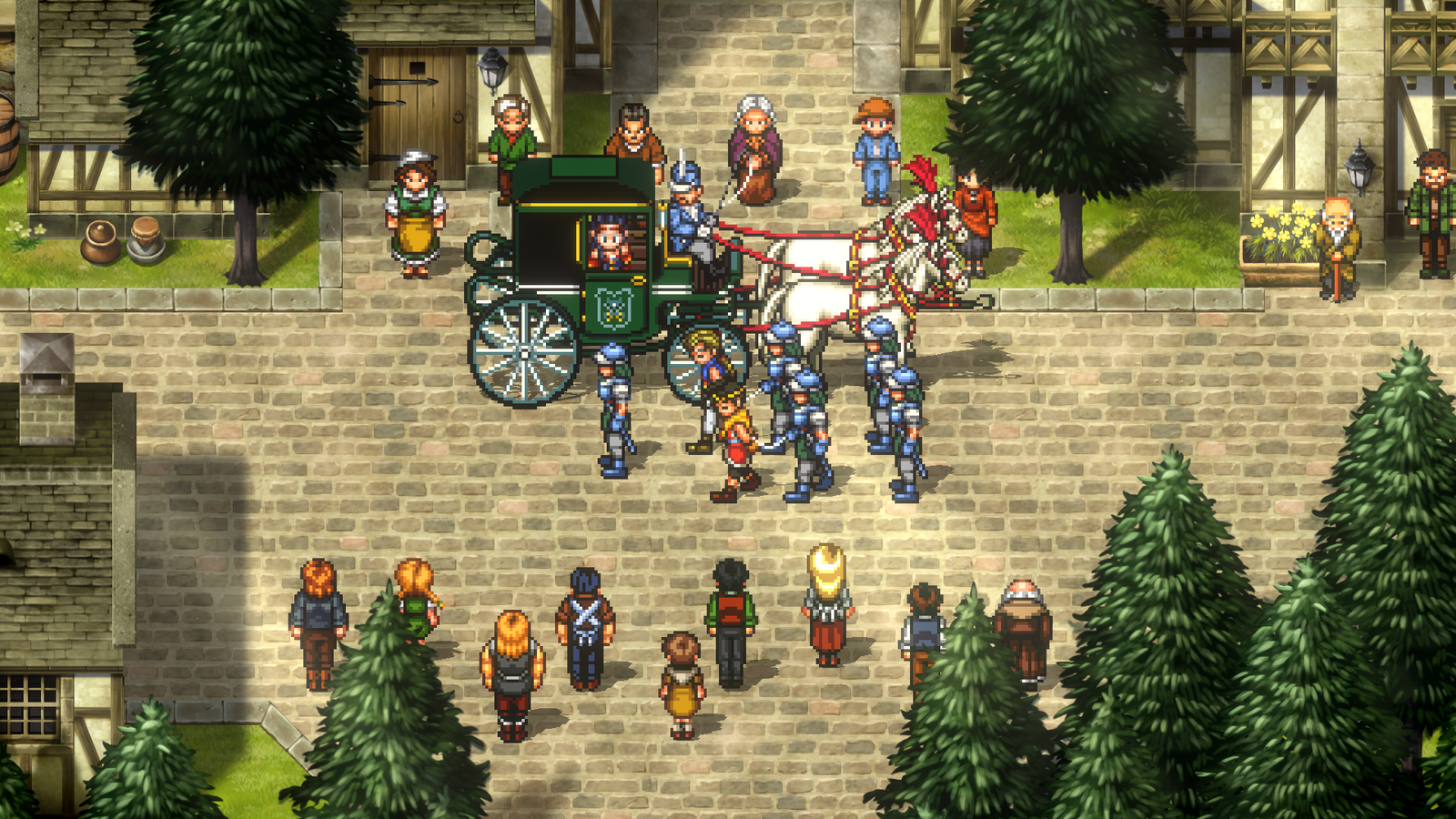
The modern video game industry is currently obsessed with the past, but not necessarily in the way one might expect. For the better part of the last decade, major publishers and independent studios alike have been locked in a competitive race to breathe new life into legacy titles. From Capcom’s masterful, ground-up reconstruction of Resident Evil 4 to the sprawling, narratively audacious Final Fantasy 7 Remake trilogy from Square Enix, the industry has signaled that "classic" status is often synonymous with a need for a modern overhaul. Yet, this industry-wide trend toward remakes, remasters, and total reimaginings obscures a fundamental truth: some games are simply designed with a level of foresight, aesthetic cohesion, and mechanical integrity that allows them to remain relevant for decades without a single line of code being rewritten.
While the appeal of high-definition textures, orchestral scores, and modernized quality-of-life features is undeniable, there is a distinct category of Japanese Role-Playing Games (JRPGs) that have successfully defied the aging process. These titles, spanning the 16-bit and 32-bit eras, remain as captivating in 2026 as they were upon their original releases. Whether through their singular art styles, inventive narrative structures, or gameplay loops that remain satisfyingly challenging, these seven titles stand as proof that true design excellence is timeless.
Earthbound: A Masterclass in Subversion
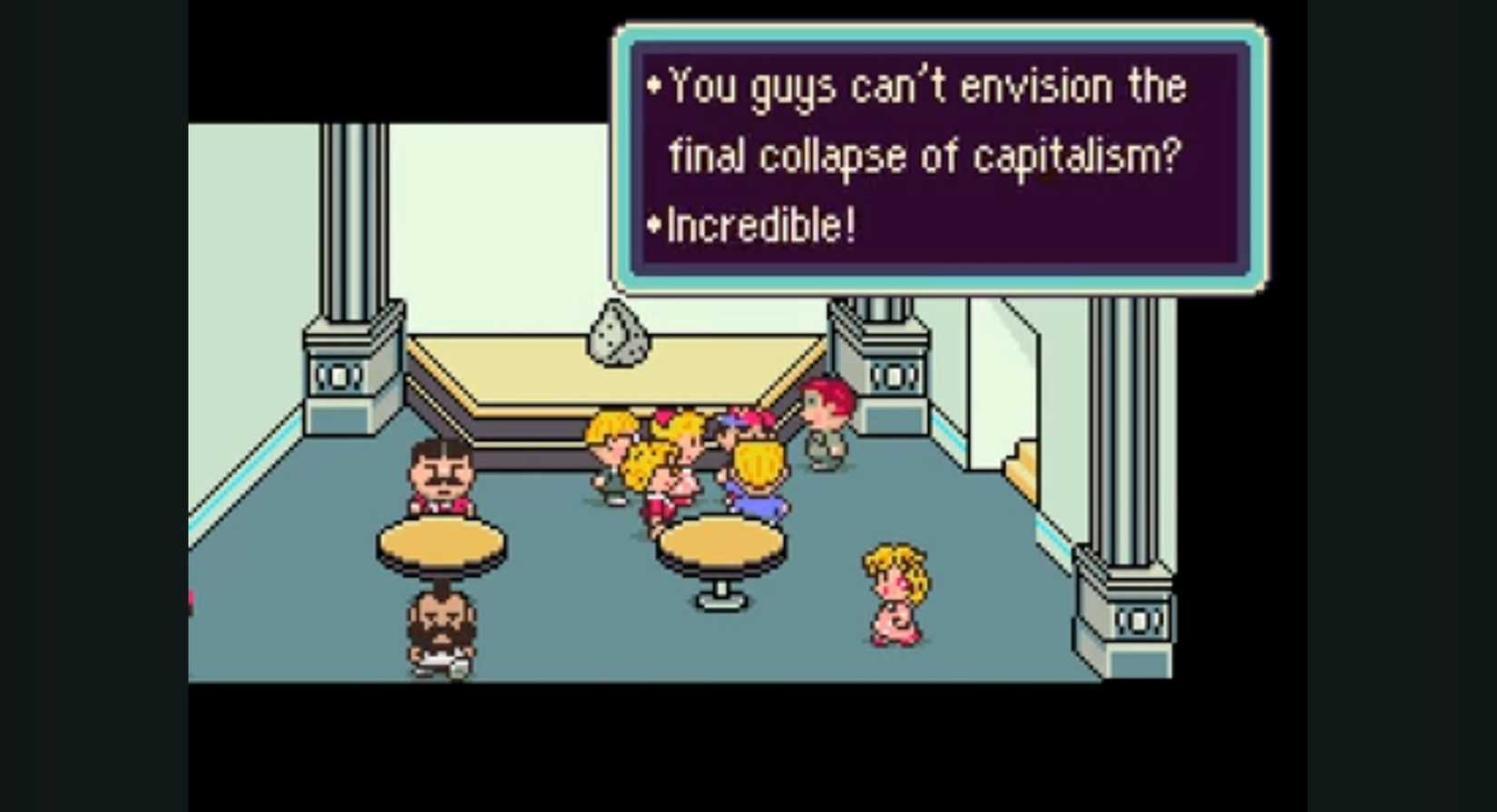
Perhaps the most iconic example of a game that requires no modern intervention is Earthbound (known as Mother 2 in Japan). Currently available to subscribers of the Nintendo Switch Online service, this 1995 SNES staple remains one of the most endearing and influential RPGs ever conceived. While modern games often struggle to balance humor with high-stakes drama, Earthbound navigates this tonal tightrope with effortless grace.
Shigesato Itoi’s vision of a warped, surreal version of 1990s American suburbia serves as the backdrop for a story that is as weird as it is heartfelt. The game’s enemy designs—ranging from sentient piles of puke and agitated hippies to a quintet of moles competing for the title of "third-best"—are unparalleled in their creativity. Decades later, the game continues to spawn imitators, yet the original retains a unique, "wonderful" quality that no amount of graphical polishing could replicate. It is a testament to the game’s design that its charm remains perfectly preserved, proving that if a story is grounded in genuine emotion, it does not need high-fidelity assets to resonate with a new generation of players.

Final Fantasy 9: The Purest Expression of Fantasy
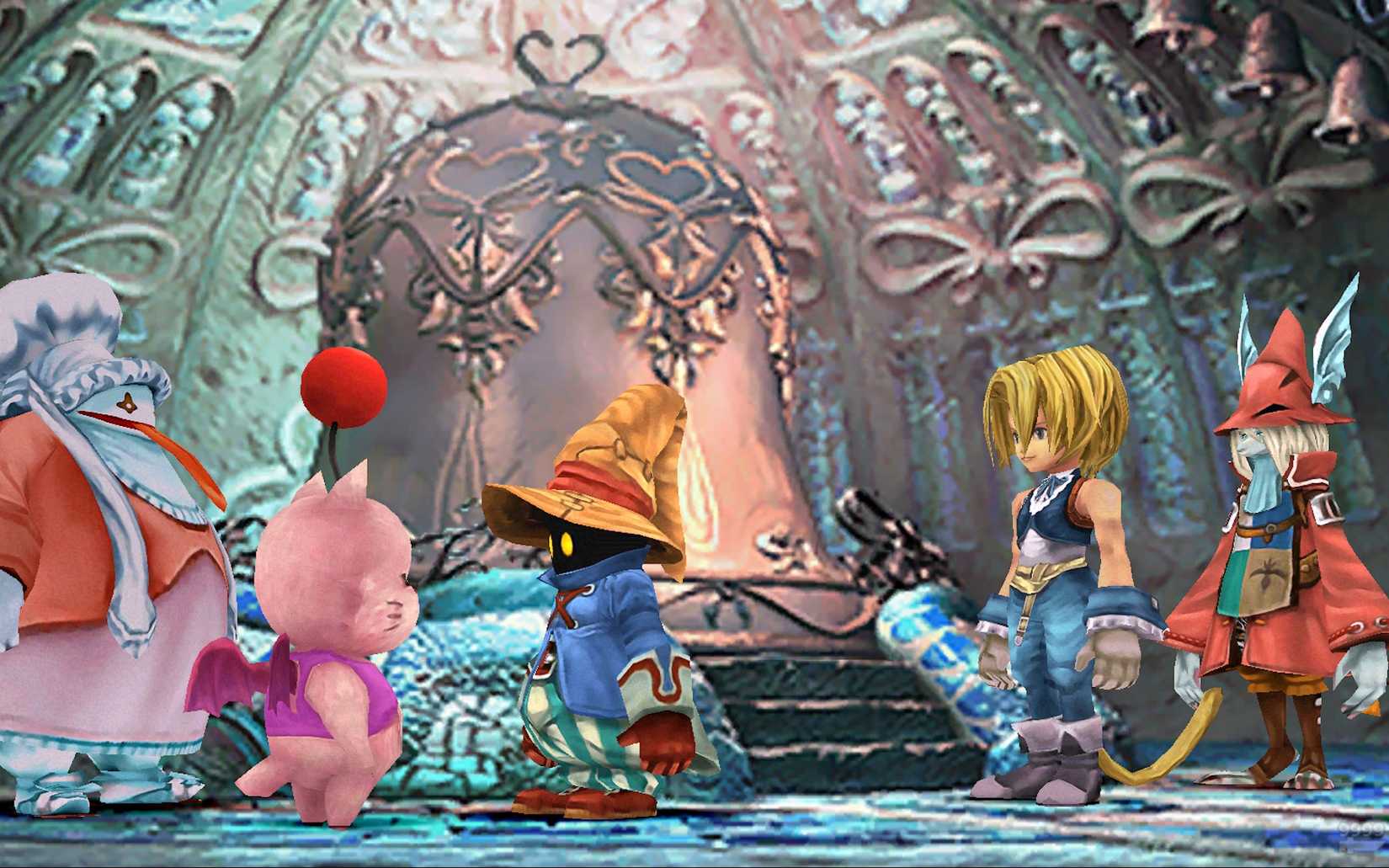
In the late 1990s, the Final Fantasy series was aggressively pushing toward industrial, steampunk-inspired grit, exemplified by the moody atmosphere of Final Fantasy 7 and 8. Against that backdrop, Square took a daring risk by reverting to a classical, medieval fantasy aesthetic for Final Fantasy 9.
The title remains a masterwork of tone and character development. By centering the story on a charming thief and a princess desperate to break free from the suffocating expectations of royalty, the game crafts an intimate, poignant examination of mortality and love. Despite persistent rumors of a high-budget remake appearing in the years following its 25th anniversary, the game persists as a reminder that artistic direction often trumps technical horsepower. The pre-rendered backgrounds, which were breathtaking in 2000, still possess a painterly beauty today, and the soundtrack remains a high-water mark for the genre.
Chrono Trigger: The Dream Team’s Unrivaled Achievement
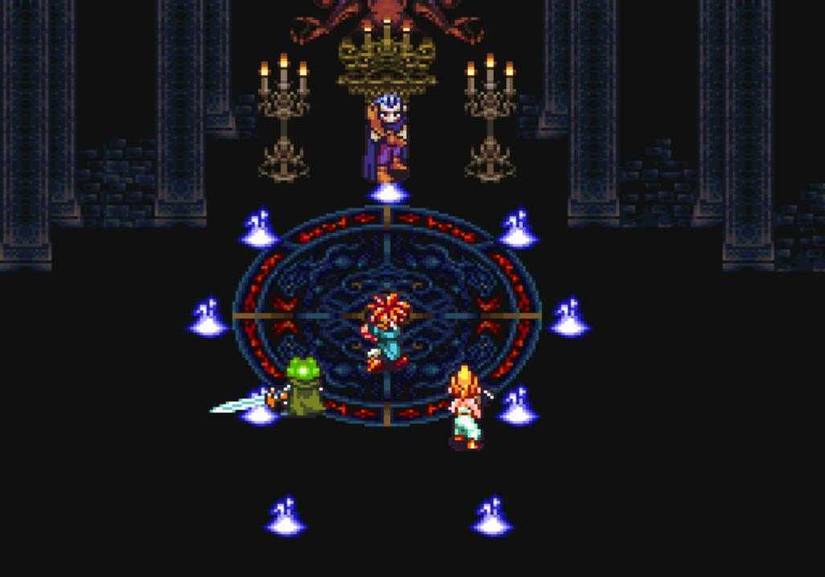
The conversation regarding JRPG perfection almost always leads back to Chrono Trigger. Developed by a "dream team" consisting of Hironobu Sakaguchi (Final Fantasy), Yuji Horii (Dragon Quest), and Akira Toriyama (Dragon Ball), the game’s reputation is well-earned.
Even as the industry has pivoted toward "HD-2D" aesthetics, Chrono Trigger remains an outlier. Its time-travel narrative, which spans six distinct historical eras, is paced with an efficiency that modern games rarely achieve. The ensemble cast—including an anthropomorphic warrior frog, a cavewoman, and a gentle, oversized robot—functions as a cohesive, lovable unit that drives the narrative forward without the bloat often found in contemporary RPGs. While it is currently available on Windows PC, the absence of a modern console port, particularly on the Nintendo Switch, remains a point of frustration for fans. Regardless of its availability, the game’s core mechanics and narrative structure remain as mesmerizing as they were in 1995.
Lunar: Silver Star Story
The transition to CD-based gaming brought about the era of the "cinematic" RPG. Lunar: Silver Star Story, originally released for the Sega CD, was a pioneer in integrating high-quality anime-style cutscenes and original voice acting into the traditional pixel-art structure of the SNES era.
What makes Lunar stand out isn’t just its technical ambition, but its unashamed commitment to tropes that, in this instance, work in the game’s favor. With its floating magic academies, sassy animal companions, and a romance that feels both earnest and grounded, Lunar captures the essence of what made the 90s JRPG boom so successful. While it has seen various ports and remasters, the core experience has remained untouched, preserving the specific aesthetic that made the original 1993 release so memorable. It continues to be a standard-bearer for the genre, frequently bundled alongside its successor, Lunar: Eternal Blue.

The Legend of Zelda: A Link to the Past
While the Zelda franchise has evolved significantly since the release of Breath of the Wild and Tears of the Kingdom, A Link to the Past remains the essential template for the series. Released in 1991, it solidified the core building blocks that have defined the franchise for decades: the imposing presence of Death Mountain, the complex Zora culture, and the intricate dungeon design that rewards exploration.
For players who entered the series through the modern open-world entries, A Link to the Past offers a fascinating look at the franchise’s roots. It is a game that values player intelligence and spatial awareness, and its 16-bit art style remains as crisp and readable as it was on the day of its launch. Through the inclusion of modern conveniences, such as the rewind functionality on Nintendo Switch Online, the game has become more accessible than ever, allowing players to enjoy the challenge of the 90s without the frustration of repetitive setbacks.
Suikoden 2: A Grandiose Tale of War and Loyalty
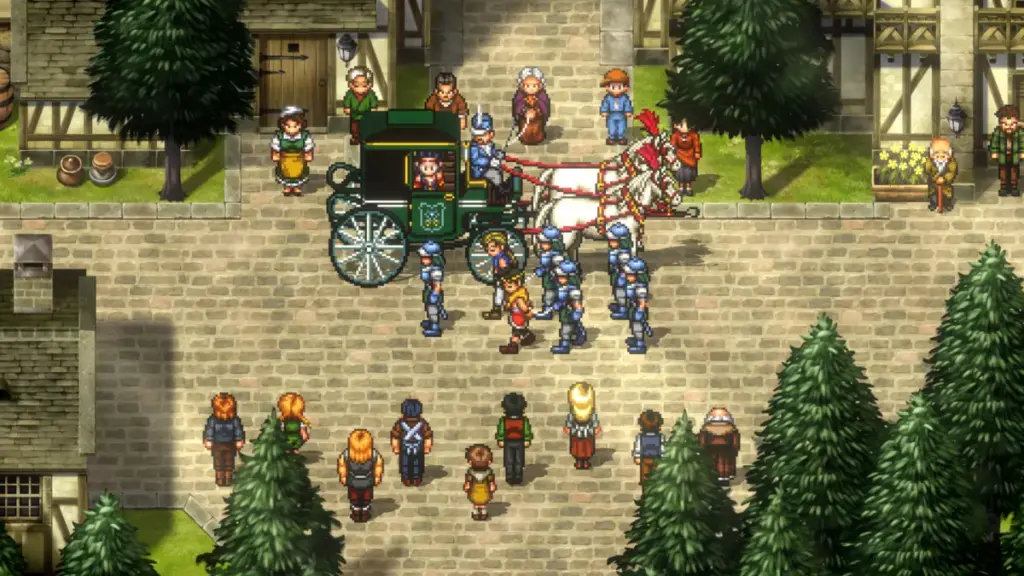
Few games have managed to balance a large-scale political narrative with personal stakes as effectively as Suikoden 2. Released in 1998, the game tells a harrowing story of two childhood friends forced to take up arms on opposite sides of a continent-spanning conflict.
The game’s core hook—the ability to recruit 108 allies and build a massive, personalized castle—creates a sense of progression and community that few other RPGs have matched since. As the player works to thwart a genocidal antagonist, the stakes feel genuinely high. The 2025 remaster, which bundled the first two entries of the series, serves as a model for how to update a classic: the developers opted for subtle quality-of-life improvements, including widescreen support and polished localization, rather than attempting to fundamentally alter the game’s DNA.
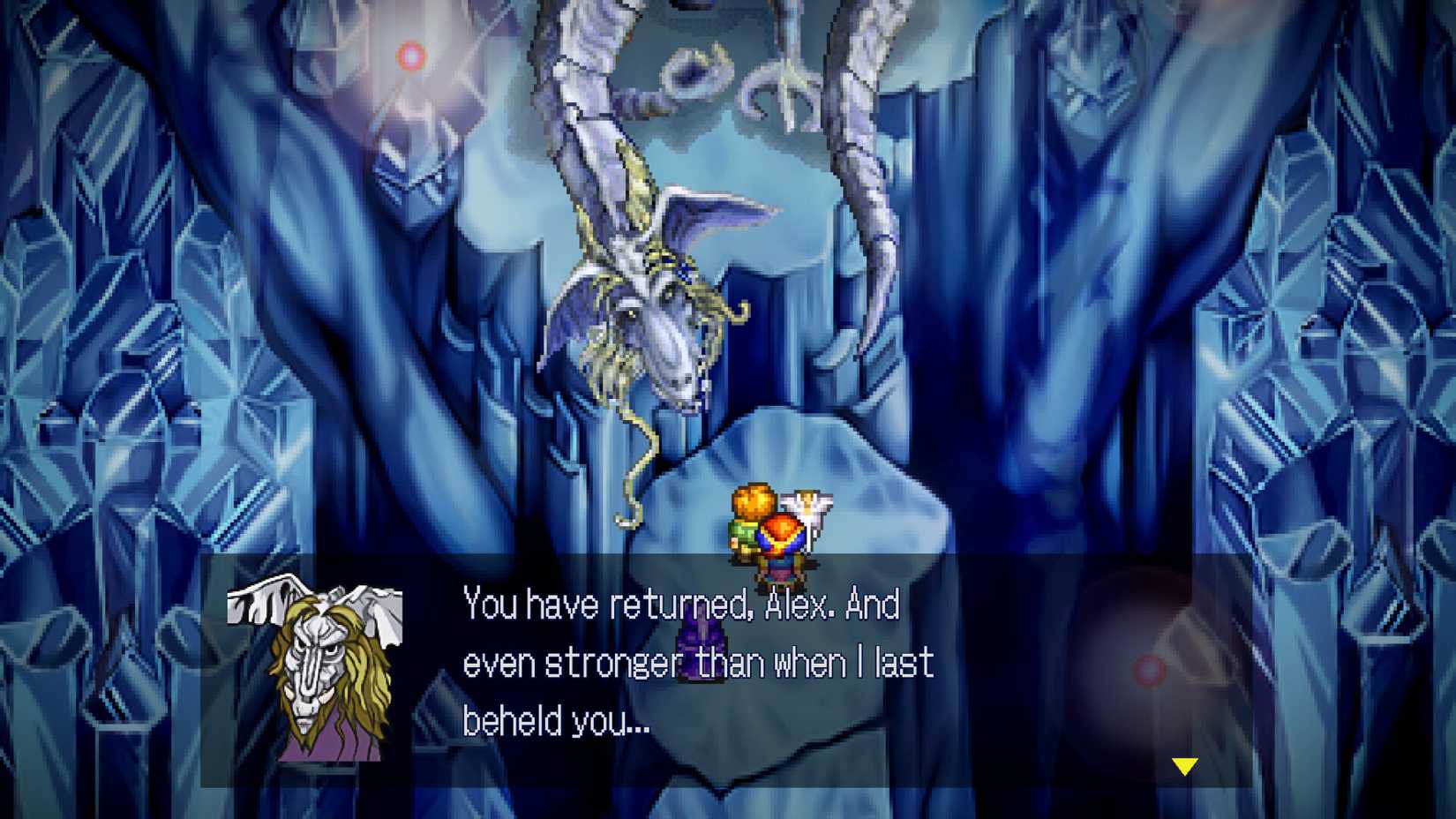
Golden Sun: Puzzles and Depth
Finally, the Game Boy Advance era provided us with Golden Sun, a title that remains a masterclass in dungeon design and mechanical depth. Released in 2001, the game took the established conventions of the turn-based RPG and infused them with crunchy, satisfying environmental puzzles that required players to use their characters’ magical abilities in creative ways.
The story, following Isaac and Garet on their quest to investigate the supernatural origins of a village tragedy, is punctuated by memorable encounters and a world that feels expansive despite the hardware limitations of the GBA. The game’s inclusion in the Nintendo Switch Online + Expansion Pack library has introduced these mechanics to a new audience, demonstrating that the "Golden Sun" formula—a blend of deep character customization and clever spatial reasoning—is just as effective today as it was over two decades ago. Together with its sequel, The Lost Age, the Golden Sun series remains an essential piece of handheld history that refuses to show its age.