










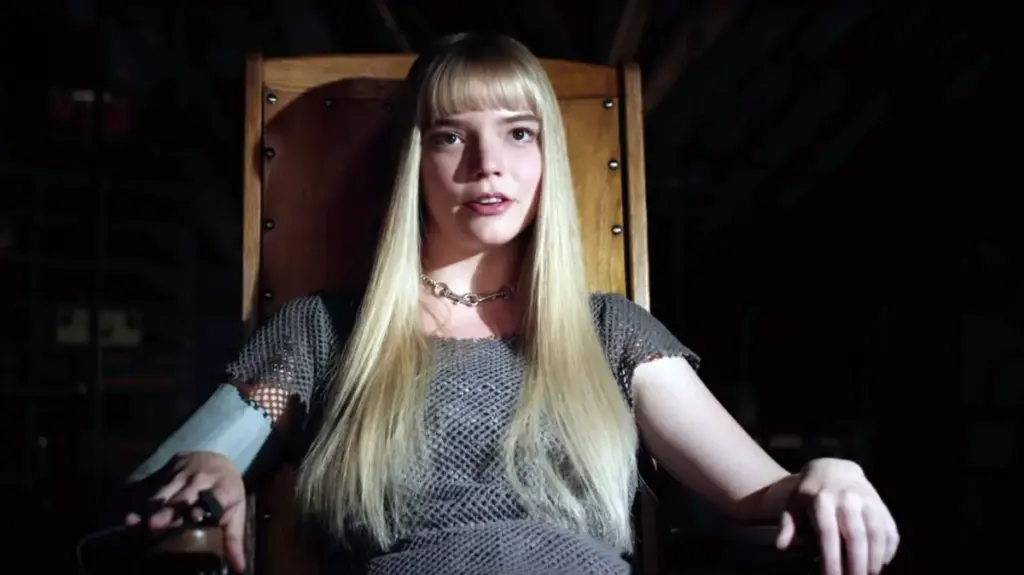
Anya Taylor-Joy has spent the last decade firmly establishing herself as one of the most versatile and commanding actors of her generation. Now at 30, she commands the screen with an ease that justifies the "movie star" label, having navigated a career that bridges the gap between high-concept auteur cinema and massive global blockbusters. From her roles in major franchises like Super Mario and Mad Max to her Golden Globe-winning turn in the cultural phenomenon The Queen’s Gambit, Taylor-Joy has proven her range is as vast as it is precise. As she continues to headline major projects, including the recent Apple TV series Lucky and her upcoming appearance in the highly anticipated Dune: Part Three, it is worth looking back at the foundation of this meteoric rise: her career-defining breakout role in Robert Eggers’ 2015 folk horror masterpiece, The Witch.
More than ten years after its initial premiere, The Witch remains an invigorating, unsettling piece of cinema that stands as a landmark in the horror genre. It was a project that not only introduced audiences to a formidable new talent in Taylor-Joy but also signaled the arrival of Robert Eggers as a director with a singular, uncompromising vision. Furthermore, the film managed to turn a goat named Black Phillip into an indelible icon of contemporary horror. For those looking to revisit the film or experience its chilling atmosphere for the first time, there is a limited window of opportunity: The Witch is currently available to stream on Netflix, but it is scheduled to leave the platform on October 1.

What is The Witch about?
Set in the 1630s, the film transports viewers to the harsh, unforgiving landscape of Puritan New England. It is a world defined by its isolation and the pervasive influence of religious dogma, where the boundary between faith and folklore is perilously thin. The story centers on a family of seven who find themselves cast out of their local plantation following a heated dispute with the church authorities. Forced to abandon their community, the family relocates to a remote homestead situated on the edge of a vast, dark, and unmapped forest.
The film is deeply committed to its historical authenticity, utilizing a dense, archaic form of English that mirrors the period’s cadence and theological preoccupation. While this stylistic choice can be a barrier for some modern audiences, it serves as an essential component of the film’s suffocating atmosphere. At its heart, The Witch is a story about a family pushed to the absolute brink of sanity and survival.

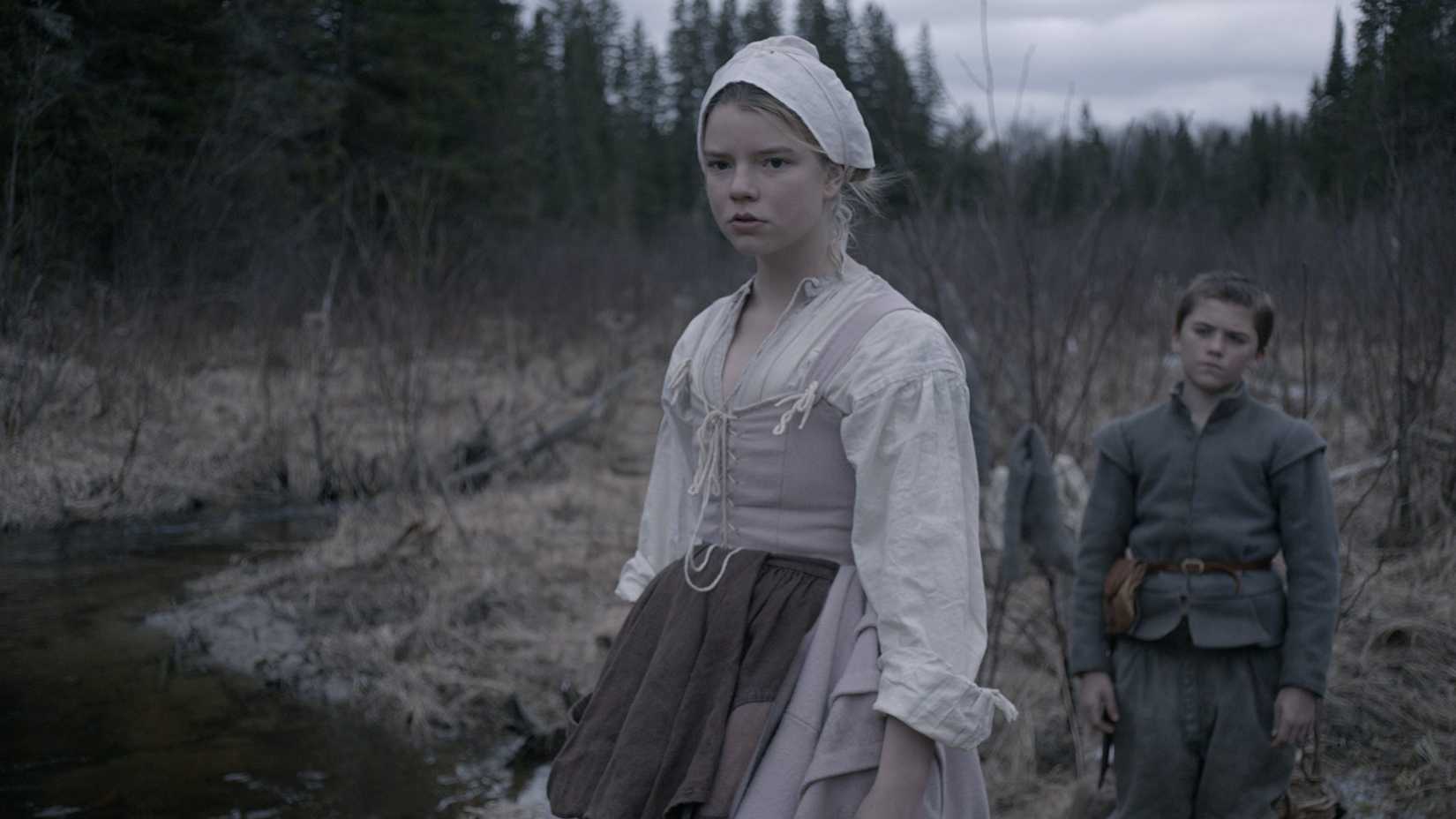
The patriarch, William, played with rugged desperation by Ralph Ineson, and his wife, Katherine, portrayed by Kate Dickie, struggle to maintain their lives in a wilderness that refuses to yield. With their crops rotting in the soil and their livestock failing, the family is consumed by hunger and despair. The mounting tension within their cramped home manifests as bitter recriminations, with the parents blaming each other—and the world—for their misfortunes. The children, meanwhile, absorb this toxic environment, with the younger ones becoming increasingly volatile. The situation reaches a catastrophic breaking point when the family’s infant son, Samuel, vanishes without a trace while under the care of the eldest daughter, Thomasin. What begins as a survival drama rapidly spirals into a harrowing, violent tragedy that defies simple explanation.
Living deliciously
Thomasin quickly becomes the primary target of the family’s collective grief and paranoia. As the eldest child, she is burdened with responsibilities she cannot possibly manage, and her blooming youth becomes a source of projection for her parents. Katherine, devastated by the loss of the baby, begins to view her daughter’s development with suspicion, projecting her own internal darkness onto Thomasin’s body. Caleb, the younger brother, is caught between his religious indoctrination and a nascent, confusing attraction to his sister, while the twins use their own dark imaginations to frame Thomasin for witchcraft. Perhaps most betrayal comes from her father, who, despite his performative piety, is willing to sacrifice his daughter to protect his own secrets, including the sale of a silver cup he hid from his wife.
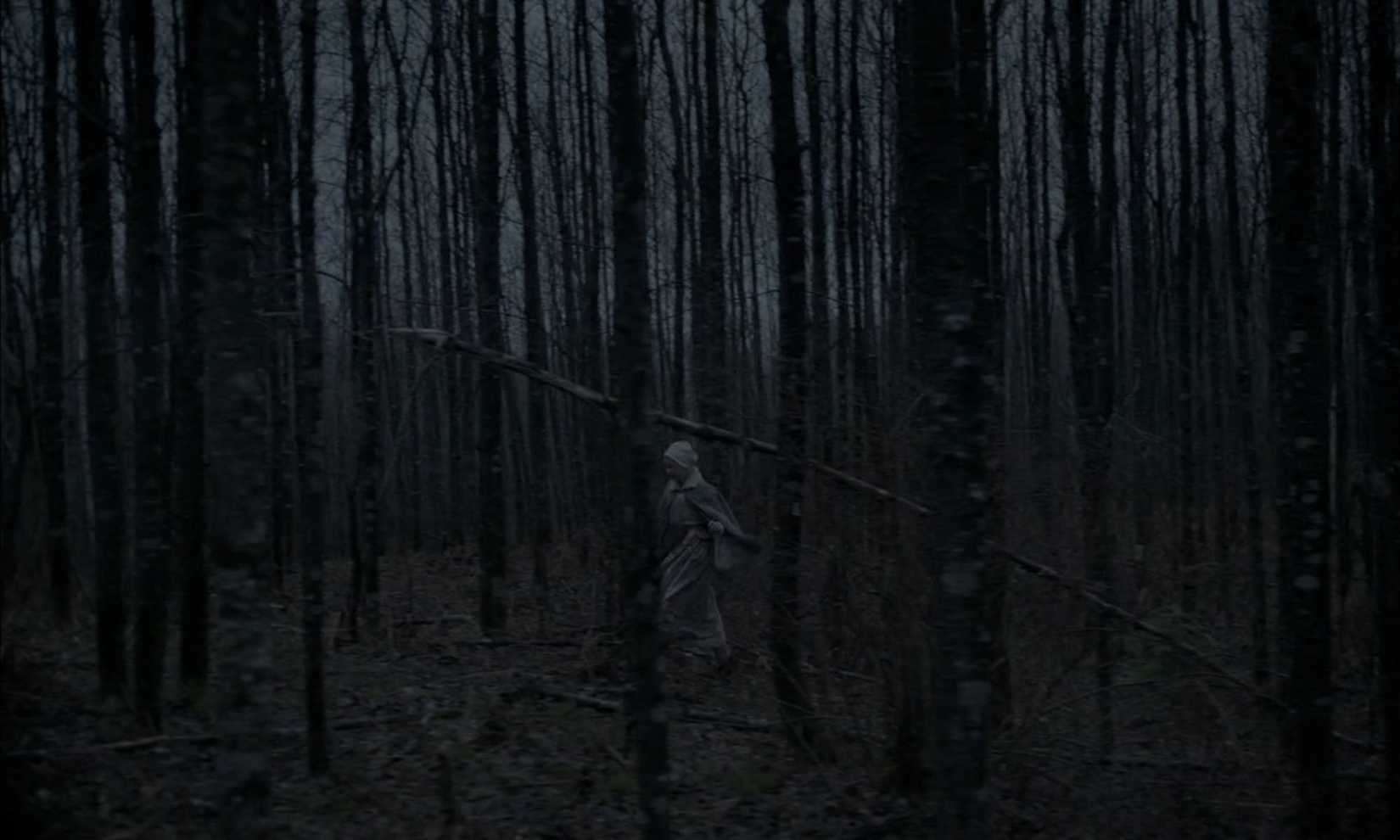
The brilliance of the film’s conclusion lies in how it subverts the traditional "final girl" trope. In most horror films, the survivor is defined by their resistance to evil and their triumph over it through strength or cleverness. Thomasin, however, finds no salvation in the world of her parents. When the demonic goat, Black Phillip, eventually drops his facade and reveals his true nature, he offers Thomasin the only thing she has been denied: an escape from the suffocating judgment of her family and the puritanical society they represent.
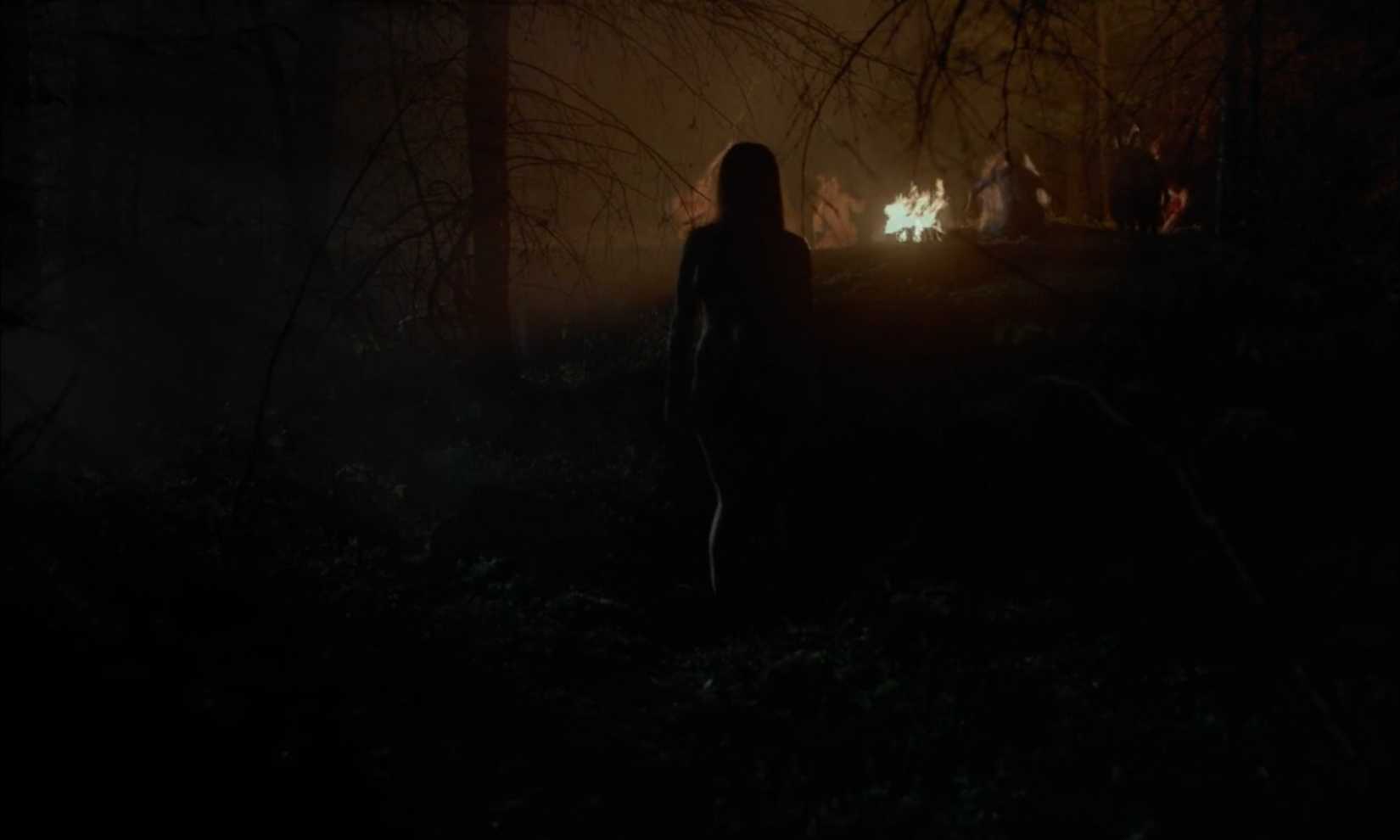
The iconic invitation to "live deliciously" is chilling not only due to the performance of voice actor Daniel Malik but because it represents a total surrender. When Thomasin accepts, shedding her clothes and walking into the woods to join the coven, the audience is left to grapple with the ambiguity of the moment. Is it a descent into absolute evil, or is it a perverse form of liberation? By embracing the very force that destroyed her family, Thomasin escapes a life of servitude and oppression, finding a new, albeit terrifying, agency.
The film’s legacy is inextricably linked to the partnership between Taylor-Joy and director Robert Eggers. Known for his obsessive attention to period detail and his ability to craft immersive, atmospheric worlds, Eggers has continued to refine his cinematic language in the years since. His subsequent projects, such as the brutal Viking epic The Northman—which featured another collaboration with Taylor-Joy—and his recent reimagining of the vampire canon in Nosferatu, demonstrate a career defined by a refusal to compromise on his vision.
Eggers is set to return to theaters on December 25 with Werwulf, a film starring Aaron Taylor-Johnson as a man struggling with a curse in 13th-century England. As anticipation for his new work grows, it is a fitting time to return to the origins of his directorial career. The Witch remains a stark reminder of the power of well-crafted dread, anchored by a performance that set the trajectory for one of modern cinema’s most exciting stars. Whether viewed as a descent into madness or a dark fable of autonomy, the story of a girl, a goat, and a life-altering choice continues to resonate a decade later.
The Witch is currently available to stream on Netflix through October 1.