









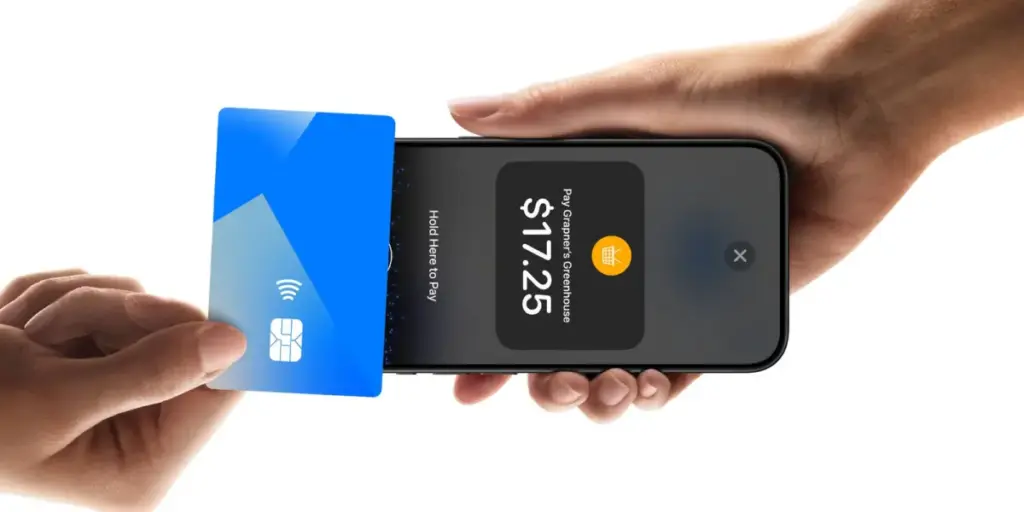
Apple has significantly bolstered its fintech footprint in Latin America today, announcing the official rollout of its "Tap to Pay on iPhone" technology across eight additional countries. This expansion marks a pivotal moment for merchants and small businesses throughout the region, as the service enables contactless payments directly on a compatible iPhone without the necessity of bulky, traditional hardware terminals or specialized card readers.
The announcement, which was detailed in an official update on the company’s Latin America and the Caribbean Newsroom, brings the innovative payment solution to Argentina, Colombia, Costa Rica, the Dominican Republic, Guatemala, Honduras, Panama, and Peru. By integrating with existing payment platforms, Apple is effectively lowering the barrier to entry for digital commerce, allowing vendors ranging from independent street-side sellers to established retail boutiques to accept payments securely and efficiently.
Simplifying Commerce Across Latin America
At its core, Tap to Pay on iPhone is designed to democratize access to electronic payment processing. Traditionally, small businesses in many parts of the world have faced challenges in accepting card payments due to the high cost of acquiring dedicated hardware, the complexities of setting up merchant accounts with traditional banks, and the maintenance requirements of legacy point-of-sale systems.

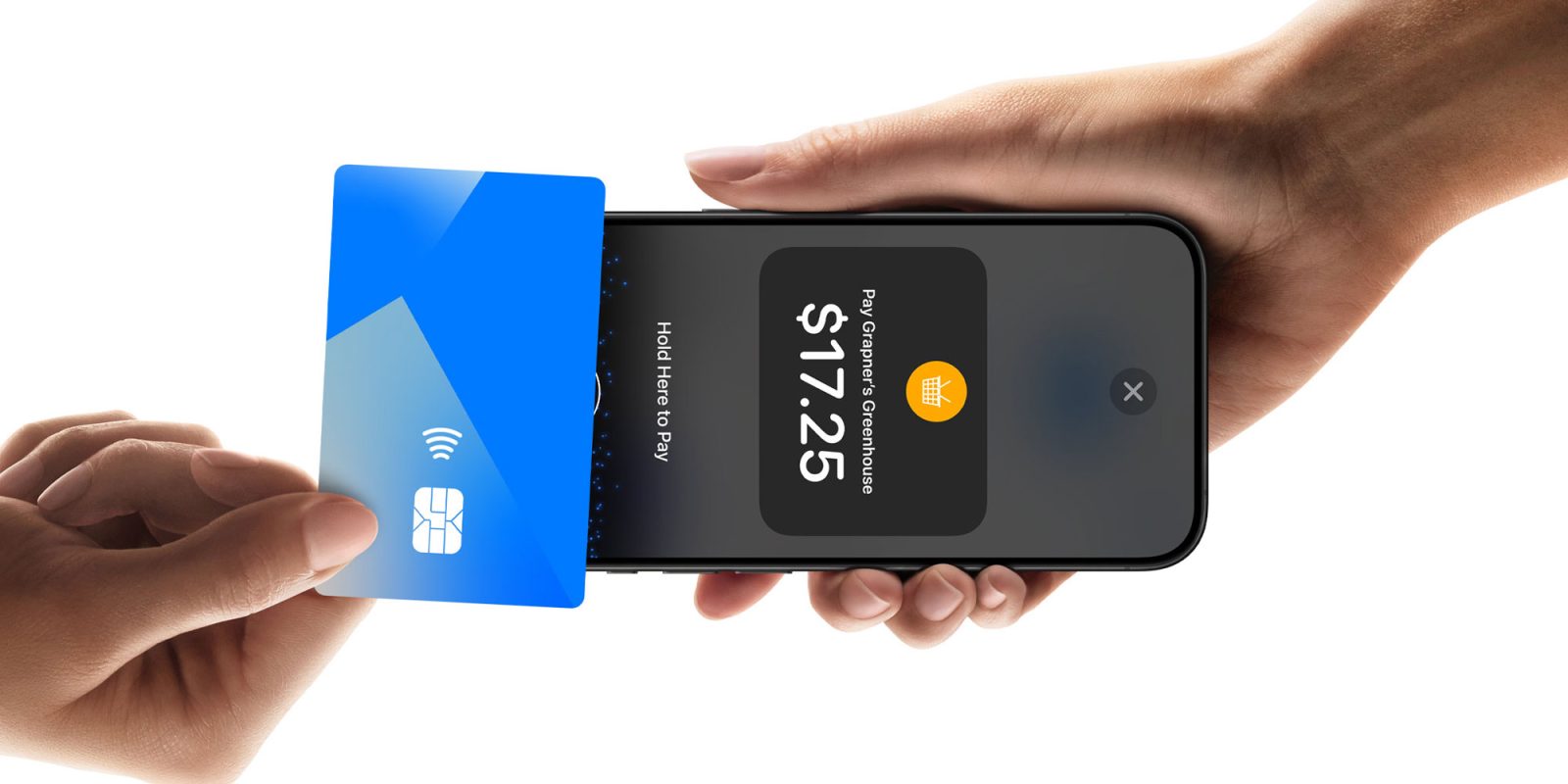
With this new update, the iPhone itself serves as the payment terminal. By utilizing the built-in Near Field Communication (NFC) technology—the same hardware responsible for Apple Pay—the device can securely capture payment data from a customer’s contactless credit or debit card, a smartphone running a digital wallet, or other wearable devices like smartwatches. The process is seamless, requiring no extra equipment beyond the merchant’s smartphone, which is already an essential tool for many modern business owners.
Security remains a cornerstone of the service. Apple emphasizes that all transactions made through Tap to Pay on iPhone are encrypted and processed using the same secure infrastructure that protects Apple Pay. The company notes that it does not store the card numbers of the customer or the merchant on the device or on Apple servers, ensuring that the integrity of the transaction is maintained from the moment the card is tapped until the funds are settled by the payment provider. This level of privacy and security is critical as digital adoption continues to surge across Latin American economies.
A Growing Ecosystem of Payment Partners
The success of Tap to Pay on iPhone is largely contingent upon the partnerships Apple establishes with local financial institutions and payment service providers. In these eight new markets, the service is being supported by six prominent payment platforms that have integrated Apple’s APIs to offer the functionality to their merchant clients.
These platforms act as the intermediaries that bridge the gap between Apple’s technology and the local banking networks. By integrating this feature, these providers enable their merchant users to simply download the provider’s app, sign in, and immediately begin accepting payments. This "plug-and-play" capability is expected to be a major driver of adoption among micro-entrepreneurs who may have previously relied exclusively on cash transactions.
The service is inherently versatile, accepting contactless debit and credit cards from the world’s most widely recognized payment networks, including American Express, Mastercard, and Visa. This breadth of compatibility ensures that a merchant using Tap to Pay on iPhone can serve the vast majority of customers, whether they are locals using domestic cards or international tourists visiting from abroad.

The Evolution of Apple’s Payment Strategy
The journey of Tap to Pay on iPhone began in early 2022, when Apple first unveiled the feature on February 8. At the time, the announcement was centered on the United States market, with Stripe serving as the inaugural partner to pilot the technology. The industry reaction was immediate, with analysts noting that Apple was positioning itself to disrupt the traditional point-of-sale market by turning every iPhone into a competitive payment terminal.
Since that initial launch, the trajectory has been one of rapid global acceleration. Over the past several years, the service has expanded to 59 countries and regions, encompassing a massive network of over 100 payment service providers. This expansion reflects Apple’s broader strategy to integrate itself into the daily financial operations of businesses worldwide, moving beyond the consumer-facing aspects of Apple Pay to become a foundational component of merchant commerce.
The rollout in Latin America is particularly significant given the region’s diverse economic landscape and the varying levels of digital banking penetration. In countries like Colombia and Peru, where the fintech sector has seen explosive growth in recent years, the introduction of Apple’s technology provides a robust, standardized solution that can help accelerate the transition away from cash-heavy economies. For small businesses, this means increased sales potential, better record-keeping, and the ability to participate more fully in the formal digital economy.
Implications for Future Growth
As Apple continues to scale this technology, the focus remains on the developer and payment service provider ecosystem. By providing the tools for these companies to build on top of the iPhone’s secure hardware, Apple ensures that the user experience remains consistent regardless of which payment app the merchant chooses to use.

For those interested in tracking the service’s progress, Apple maintains a comprehensive and regularly updated directory on its developer website. This list serves as the definitive record of which countries are currently supported and which payment service providers have been certified to offer the technology. As the company continues to negotiate with local regulators and financial networks, it is expected that this list will continue to grow, potentially reaching even more markets in the coming months and years.
Ultimately, the arrival of Tap to Pay on iPhone in these eight Latin American nations represents more than just a software update; it is a signal of the changing nature of retail. As the boundary between the smartphone and the point-of-sale terminal continues to blur, businesses are finding that they can operate with greater agility, lower overhead costs, and increased security. With the backing of major networks and a growing roster of local partners, the feature is well-positioned to become an industry standard in the region, providing a streamlined, efficient, and secure payment experience for millions of merchants and their customers.
As business owners in Argentina, Colombia, Costa Rica, the Dominican Republic, Guatemala, Honduras, Panama, and Peru begin to integrate this technology into their daily operations, the long-term impact on the region’s commerce will likely be profound, marking another step in the global transition toward a more integrated, digital-first financial landscape.