







This week, the landscape of horror television undergoes a significant transformation as Prime Video prepares for the debut of an ambitious eight-episode adaptation of Carrie. For fans of Stephen King, the project represents a landmark moment: a deep, serialized exploration of the author’s very first published novel. While the story of the telekinetic teenager pushed to her breaking point is etched into the bedrock of modern pop culture, this new iteration promises to venture into psychological and social depths that were previously constrained by the runtime of feature-length cinema.
The series is the latest high-profile collaboration between Stephen King and acclaimed genre filmmaker Mike Flanagan. Having already established himself as a master of the King canon, Flanagan serves as an executive producer on the series, continuing a creative streak that has seen him successfully translate the author’s unique voice to the screen. Flanagan’s previous efforts—which include the haunting adaptation of Doctor Sleep, the character-driven narrative of The Life of Chuck, and the claustrophobic tension of Gerald’s Game—have cemented his reputation for balancing profound emotional stakes with genuine dread.
This new Carrie project also serves as a pivotal cornerstone for Flanagan’s ongoing partnership with Prime Video. The platform has become a primary hub for his creative output, most notably as he develops a long-awaited adaptation of King’s sprawling fantasy epic, The Dark Tower. By tackling Carrie first, Flanagan is demonstrating a commitment to the foundational pillars of King’s bibliography, proving that even the most familiar stories can offer fertile ground for a modern, nuanced reimagining.

A Fresh Perspective on a Familiar Tragedy
The history of Carrie on screen is storied and iconic. Brian de Palma’s 1976 film remains a seminal work of the horror genre, defining the visual language of supernatural retribution for decades. Later, in 2013, director Kimberly Peirce provided a more contemporary take on the material. However, the move to an eight-episode television format allows this latest production to breathe in a way that previous iterations could not. Where a two-hour movie must prioritize the kinetic energy of the finale, an eight-part series provides the necessary real estate to explore the toxic dynamics of the high school ecosystem, the suffocating religious zealotry of Carrie’s home life, and the slow, agonizing erosion of her mental state.
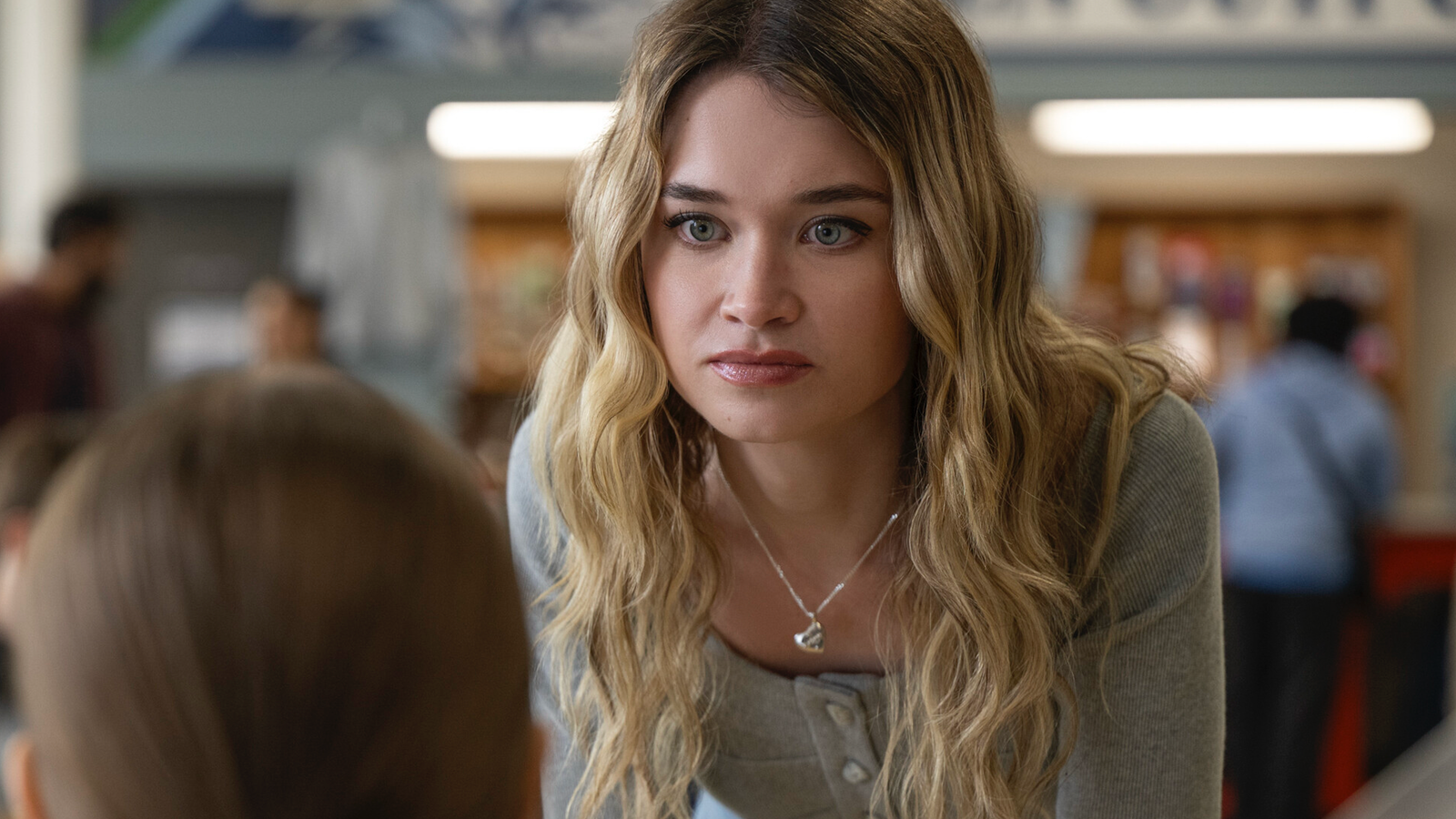
While Mike Flanagan is well-known for utilizing a recurring ensemble of actors across his various projects—a hallmark that has fostered a distinct sense of continuity in his work—this adaptation of Carrie introduces a fresh injection of talent. The cast includes newcomers such as Summer H. Howell and Amber Midthunder, whose performances help ground the series in a palpable, lived-in reality. This deliberate choice to mix familiar faces with new talent serves a narrative purpose, making the horrific events feel more relatable and immediate for a new generation of viewers who may be encountering the story for the very first time.
The Evolution of Horror in the Digital Age
It is perhaps a testament to the enduring power of Carrie that the core narrative remains as resonant today as it was when the novel was first published in 1974. The story has long been a cultural shorthand for the devastating consequences of unchecked bullying, but the environment in which that bullying occurs has shifted drastically over the last fifty years.
The most striking departure in this version of the story is its unflinching integration of contemporary technology. The high school halls in this adaptation are not just filled with whispers; they are dominated by the omnipresence of social media, the instant cruelty of instant messaging, and the relentless pressure of a 24-hour digital news cycle. By weaving cell phones and apps into the fabric of the narrative, the production highlights how modern connectivity can amplify social isolation.
In his review of the series for Polygon, critic Jake Kleinman noted the effectiveness of this modernization. "We know the story’s true horror will eventually emerge from Carrie’s awful psychic outburst, but watching the entire town squirm under the pressure of anonymous social media accusations is even more agonizing," Kleinman wrote. This shift suggests that the series is less interested in repeating the spectacle of the past and more focused on examining how the mechanisms of public shaming and digital harassment act as the true catalysts for the tragedy.
Such creative risks are rarely met without debate, and updating a classic is always a delicate operation. However, the early reception suggests that the creative team has struck a balance between honoring the spirit of King’s original text and interrogating the anxieties of the present day. By allowing the story to "spread its wings" over the course of eight hours, the production avoids the common trap of rushing the character development. Instead, it invites the audience to sit with the weight of the story’s emotional consequences.
Critical Reception and the Road Ahead
The anticipation surrounding the series has been bolstered by a strong critical reception, with the show currently holding an 84% rating on Rotten Tomatoes. Critics have largely praised the series for its ability to inject a modern, sophisticated touch into a timeless work, noting that the expanded runtime gives all performers—from the lead to the supporting cast—the space to offer nuanced, memorable performances.

For many, the true horror of Carrie has always been the tragic humanity at its center. Beneath the telekinetic powers and the iconic prom night finale lies a story about a girl who is systematically failed by every adult and peer in her life. By prioritizing this emotional weight, the series ensures that the eventual eruption of violence feels like a tragic inevitability rather than a simple plot point.
As the industry looks toward the future of horror adaptations, Carrie stands as a reminder of the potential inherent in long-form storytelling. By stripping away the constraints of the feature-film format, Mike Flanagan and his team have created an opportunity to look at one of literature’s most famous tragedies with fresh eyes. Whether the audience is a lifelong fan of Stephen King’s work or a newcomer to the horror genre, the series offers a deep, uncomfortable, and thoroughly modern exploration of what it means to be pushed to the edge.
The series is set to arrive on Prime Video on October 7, marking the beginning of what promises to be a haunting and thought-provoking television event for the fall season. As the debut approaches, the conversation remains focused on how the show manages to reconcile the classic, terrifying imagery of the original novel with the digital complexities of the 21st century. If early reviews are any indication, the experiment is a success, proving that while the tools of fear may evolve, the human capacity for cruelty—and the subsequent need for empathy—remains a constant, universal force in storytelling.