








The modern smartphone landscape has shifted dramatically over the past few years, moving away from the rigid, monolithic glass slabs that defined the last decade toward a more flexible, ambitious future. Foldable phones are no longer mere prototypes or niche experiments; they have become high-end staples for tech enthusiasts and power users alike. Yet, as our devices become more complex, the margin for error in our daily handling habits has narrowed. While a foldable phone offers the convenience of a pocketable tablet, it brings with it a unique set of vulnerabilities that owners must navigate to ensure their investment survives the rigors of daily life.
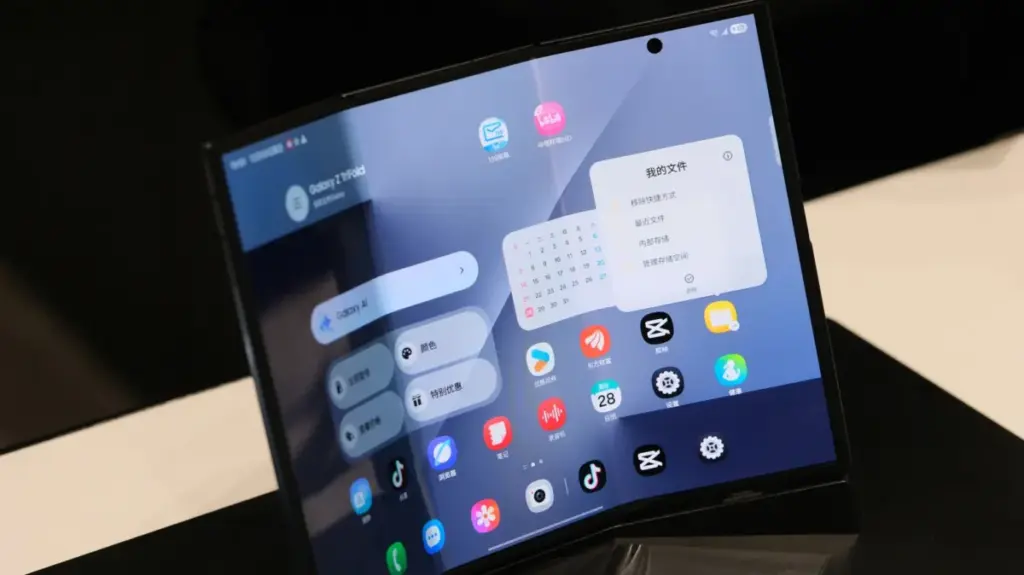
The most intuitive mistake, and perhaps the most catastrophic, is the most obvious: dropping the device. However, the unique structural anatomy of a foldable—specifically the inner display—introduces a more subtle and insidious category of damage. Unlike traditional smartphones, which feature hardened, exposed outer glass, the primary screen of a foldable is a specialized, flexible polymer. Because this display must articulate, it is inherently more susceptible to damage from foreign objects.
Industry leaders, including Samsung, have consistently issued warnings regarding the fragility of these internal displays. It is a common, albeit disastrous, error to fold a device shut while a stray object—a car key, a loose coin, or a rogue paperclip—is resting on the screen. The pressure exerted by the hinge mechanism is significant, and the soft, pliable surface of an inner display cannot withstand the concentrated force of a hard object. In such instances, the screen doesn’t just scratch; it can suffer from localized punctures that render the entire panel unusable. While this advice may seem like common sense, the reality of modern life—rushing through a commute, juggling groceries, or fumbling for keys—often leads to oversight.
This challenge is further compounded by environmental factors. For those who work in demanding industrial environments, or for individuals who enjoy spending time in outdoor settings like the beach, the risk profile changes entirely. Grit, fine particulate matter, and sand are the natural enemies of a foldable hinge. These tiny, abrasive particles can bypass the protective seals of a device, potentially finding their way into the hinge mechanism or becoming trapped between the screen layers. Once inside, they act like sandpaper, slowly grinding away at the integrity of the display from the inside out.
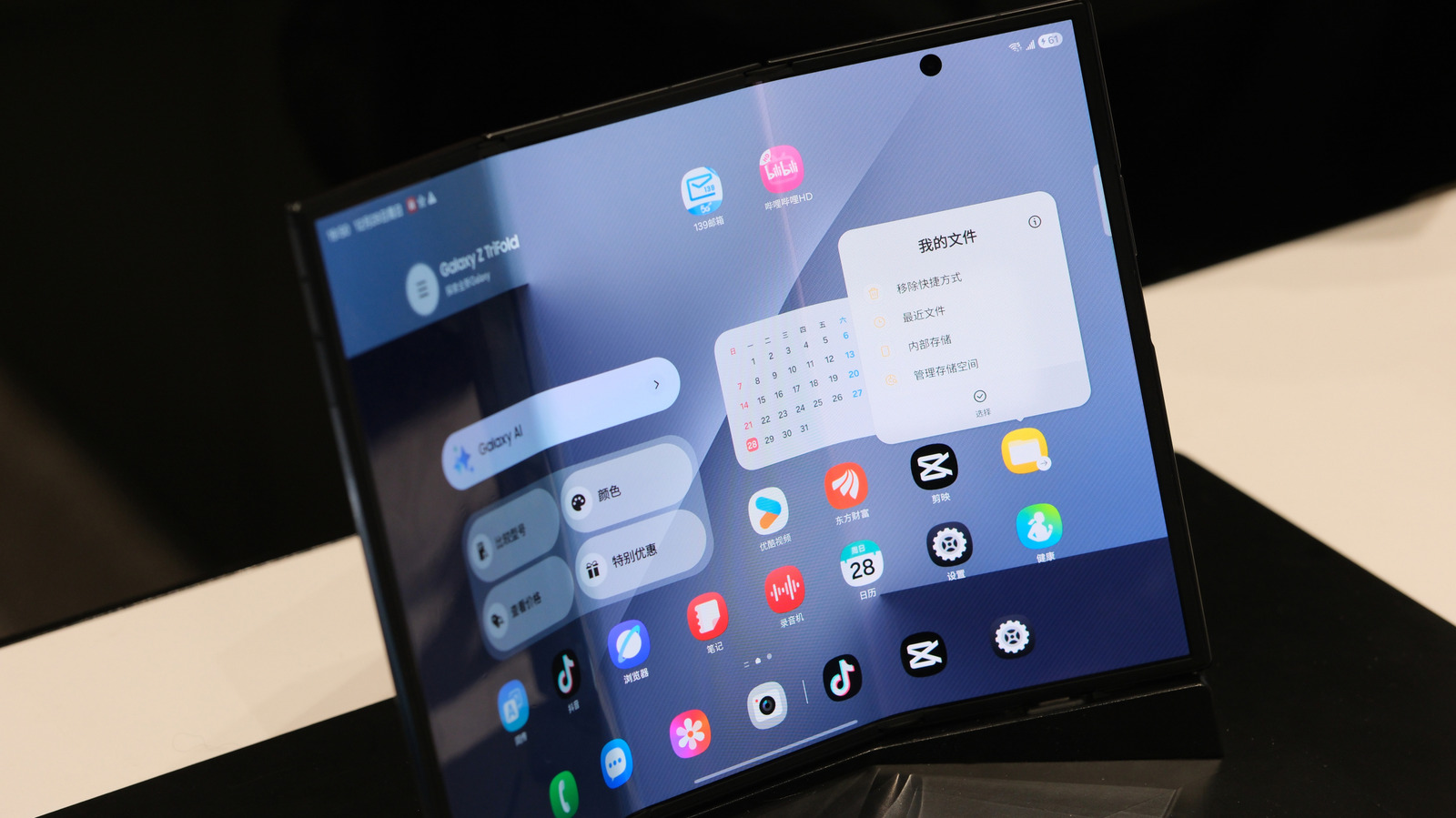
It is vital to recognize that not all foldable devices offer the same level of protection. The market is currently stratified, with varying degrees of durability reflected in official ingress protection ratings. For example, devices such as the Galaxy Z Fold8 and Fold8 Ultra carry an IP48 rating. In the standardized language of the International Electrotechnical Commission, the first digit signifies protection against solid objects, while the second indicates moisture resistance. An IP48 rating means the device is protected against objects larger than 1mm, but it is not considered dust-tight. In contrast, other market competitors, such as the iPhone Duo, boast an IP68 rating, which signifies full protection against dust ingress. Understanding these technical distinctions is crucial for users who need to calibrate their expectations regarding where and how they use their phones.
Treating the Inner Screen with Care
The inner display of a foldable phone requires a fundamental change in how a user interacts with their device. It is not a conventional slab-phone display, and treating it with the same casual force as a traditional glass screen is a primary cause of premature hardware failure. Because the material is designed to bend, it possesses a different tactile response and a softer surface. Users who are accustomed to tapping, swiping, or even flicking a speck of dust off their screen with a fingernail must unlearn these habits. A sharp nail can easily mar the protective coating of a foldable screen, creating a permanent blemish that detracts from the display quality.
One of the most persistent issues manufacturers face involves users attempting to "clean up" their device by peeling off the factory-applied protective film. In the earliest generations of foldable phones, this film was often misinterpreted as temporary shipping protection, leading many users to remove it, which frequently resulted in immediate screen failure. While manufacturers have improved the design by tucking the edges of these films deep into the frame, the temptation to remove them remains. It is imperative that users leave these factory layers intact, as they are an integral component of the screen’s structural integrity.
Conversely, there is the common mistake of applying third-party screen protectors. Because the screen is constantly subjected to tension and compression as it folds, generic adhesive protectors are often incompatible. They can interfere with the hinge mechanism, cause the screen to bubble, or fail to adhere properly under the repeated stress of opening and closing. Manufacturers, including Samsung, emphasize that users should only utilize screen protectors or styluses that are specifically tested and certified for their specific model. Using a non-compatible accessory can do more than just void a warranty; it can actively accelerate the degradation of the display.
Ultimately, while these devices are marketed for daily use, they are not invincible. They do not necessarily require the user to "baby" them, but they do demand a higher degree of situational awareness. Avoiding concentrated pressure and ensuring the inner screen remains clear of debris before folding are simple but essential practices for longevity.
Understanding the Lifespan of Foldable Technology
The question of how long a foldable phone will actually last is perhaps the most debated topic among prospective buyers. While manufacturers provide durability metrics based on laboratory testing—often citing figures between 200,000 and 500,000 folds—these numbers should be interpreted as marketing benchmarks rather than guarantees of real-world performance.
If a user opens their phone 100 times a day, a 500,000-fold rating suggests a theoretical lifespan of nearly 14 years. However, this logic ignores the reality of mechanical wear, material fatigue, and the inevitable accumulation of environmental debris. Historical data serves as a reminder to be cautious; previous iterations of foldable technology have occasionally struggled to meet these high-cycle claims in real-world scenarios. A controlled laboratory environment, where the phone is folded under perfect, clean conditions by a robotic arm, cannot replicate the unpredictable nature of being pulled in and out of pockets, exposed to temperature fluctuations, and handled with varying degrees of care.
Ultimately, the most effective way to extend the life of a foldable device is to focus on daily maintenance rather than the theoretical fold count. Using a soft, microfiber cloth to gently wipe away fingerprints or dust is far more beneficial than worrying about how many times the hinge has articulated. While modern devices are increasingly robust, they remain complex mechanical systems. As noted by industry leaders like Apple regarding their own water and dust resistance standards, these features are subject to normal wear and tear and can diminish over time. Nothing is truly designed to last forever, and when moving parts are introduced into a pocket-sized computer, the impact of time and usage becomes more pronounced. By approaching these devices with an understanding of their limitations, users can maximize their experience and ensure that the innovative technology holds up to the demands of modern life.