









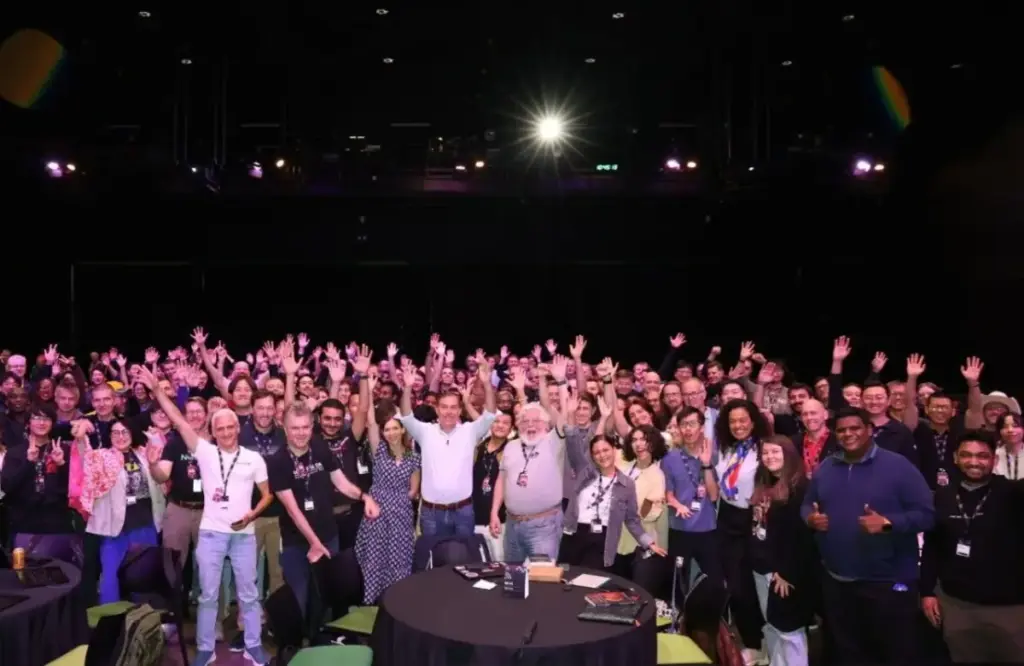
Last week, the global AWS community saw its most influential advocates, developers, and experts come together in a unique, collaborative environment. The annual AWS Heroes Summit, an exclusive, invite-only gathering, served as a nexus for some of the brightest minds in the technology industry to connect, exchange technical insights, and chart the future of cloud computing. By bringing together experts who specialize in critical fields such as artificial intelligence, serverless architecture, and container orchestration, the summit provided a platform for direct engagement with the internal product and service teams that build the foundation of the AWS ecosystem.
The event is designed not merely as a conference, but as a high-level feedback loop. It facilitates deep-dive technical discussions where AWS Heroes—individuals recognized by Amazon for their exceptional contributions to the developer community—can provide candid, real-world feedback to engineers and product managers. This direct line of communication is vital, as it ensures that the evolution of AWS services remains grounded in the practical, often complex requirements of the builders who deploy them in production environments globally.
Bridging Leadership and Development
The opening day of the summit set a collaborative tone with an inspiring fireside chat featuring AWS CEO Matt Garman. His participation underscored the strategic importance of the developer community to Amazon’s broader mission. For attendees, hearing directly from the top of the organization provides a sense of the long-term vision for cloud services, helping them better align their own community efforts and architectural decisions with the trajectory of the platform.

The second day continued this momentum with a highly anticipated "Ask Me Anything" (AMA) session featuring James Hamilton. Known for his deep expertise in large-scale distributed systems and infrastructure, Hamilton’s participation is often a highlight for engineers, offering a rare opportunity to discuss the physics and logistics of running global-scale data centers. These interactions are more than just networking; they are knowledge-sharing sessions that bridge the gap between high-level architectural theory and the daily realities of managing massive, distributed workloads.
Throughout the week, breakout sessions organized by various product teams served as catalysts for innovation. These smaller, more intimate settings allowed for the kind of granular technical debate that often leads to new feature requests or the refinement of existing ones. The atmosphere was characterized by a spirit of mutual support—a hallmark of the AWS Heroes program—where participants shared not only their successes but also the challenges they have faced while scaling applications. The feedback gathered during these sessions is instrumental in shaping the roadmap for upcoming releases, ensuring that the services AWS delivers are as robust and intuitive as possible.
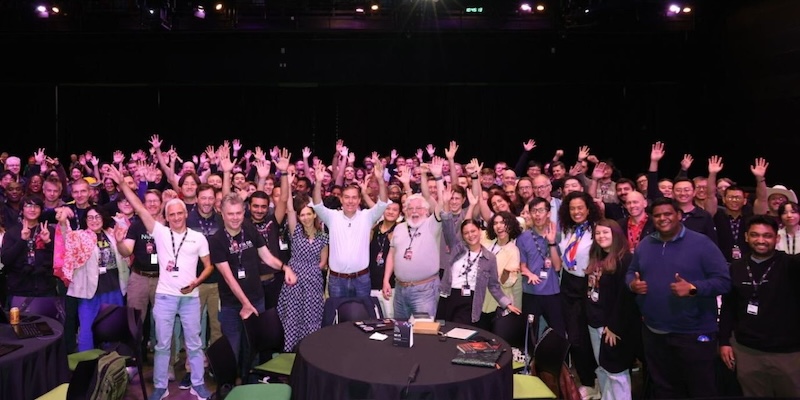
The impact of these conversations extends far beyond the summit walls. As attendees returned to their respective regions and organizations, they brought with them a deeper understanding of the internal processes at AWS and a strengthened network of peers. The enthusiasm generated during the week was palpable, as evidenced by the active discourse on professional networks like LinkedIn, where participants shared their takeaways and celebrated the collaborative nature of the event. For those interested in the pulse of the community, this collective feedback provides a valuable lens through which to view the current priorities of the global developer ecosystem.
Staying Informed in a Rapidly Evolving Landscape
While the Heroes Summit focused on long-term strategy and technical deep dives, the pace of change within the AWS ecosystem remains relentless. For those who were not present at the summit, keeping up with the sheer volume of product announcements, service updates, and infrastructure enhancements can be a significant challenge. The "What’s New with AWS" page remains the definitive resource for professionals who need to stay current on the latest launches. Regularly monitoring this feed is a standard practice for cloud architects and DevOps professionals who must ensure their stacks remain secure, efficient, and cost-effective.
Beyond the formal product launches, the broader AWS community continues to thrive through an array of ongoing projects, regional meetups, and open-source contributions. These initiatives are often highlighted in the AWS Blogs, which provide technical context, architectural patterns, and best practices that are essential for implementing new features successfully. Whether it is a new integration for a machine learning pipeline or a performance improvement for a serverless function, the blog serves as the primary educational channel for the builder community.
Engaging with the Global Builder Ecosystem
The strength of AWS lies in its community, and there are numerous ways for developers and architects to get involved, share their expertise, and stay connected with the broader ecosystem. AWS-led events, which include both in-person Summits and virtual sessions, offer localized opportunities for learning and networking. For those interested in specific domains, startup-focused events and developer-centric gatherings provide a platform to discuss niche challenges and share solutions that might not be covered in more general sessions.
Events such as AWS Community Days are particularly noteworthy, as they are organized and driven by the community members themselves. These events are often the best venues for peer-to-peer learning, where the focus shifts from official product announcements to the practical, sometimes messy, reality of building on the cloud. They offer a unique environment where developers can present their own case studies, share their "lessons learned," and receive honest feedback from their peers in a vendor-neutral, community-led setting.

For builders looking to centralize their learning and engagement, the AWS Builder Center acts as a hub for resources, community connections, and collaborative tools. It is designed to support developers at every stage of their journey, from those just starting with their first instance to veteran architects designing complex, multi-region distributed systems. Accessing these resources is an effective way to leverage the collective intelligence of the global AWS community.
As the industry continues to evolve, the importance of these human connections cannot be overstated. Technology may be the product, but the community is the engine that drives its adoption and refinement. The insights shared at the recent Heroes Summit—and the ongoing work happening across the community—serve as a reminder that the best solutions are rarely built in isolation. By continuing to foster these channels of communication, the AWS ecosystem ensures that it remains at the forefront of the technological landscape.
For those who rely on these updates to maintain their professional edge, this week’s summary is merely a snapshot of a much larger, continuous stream of activity. As we look ahead to the coming weeks, the cadence of innovation is expected to remain high. Keeping a close watch on the official channels, engaging with local community events, and participating in the wider builder network will continue to be the best way to navigate the complexities of modern cloud infrastructure. With another productive week of collaboration in the books, the focus now shifts back to the work of building, optimizing, and scaling for the future.