










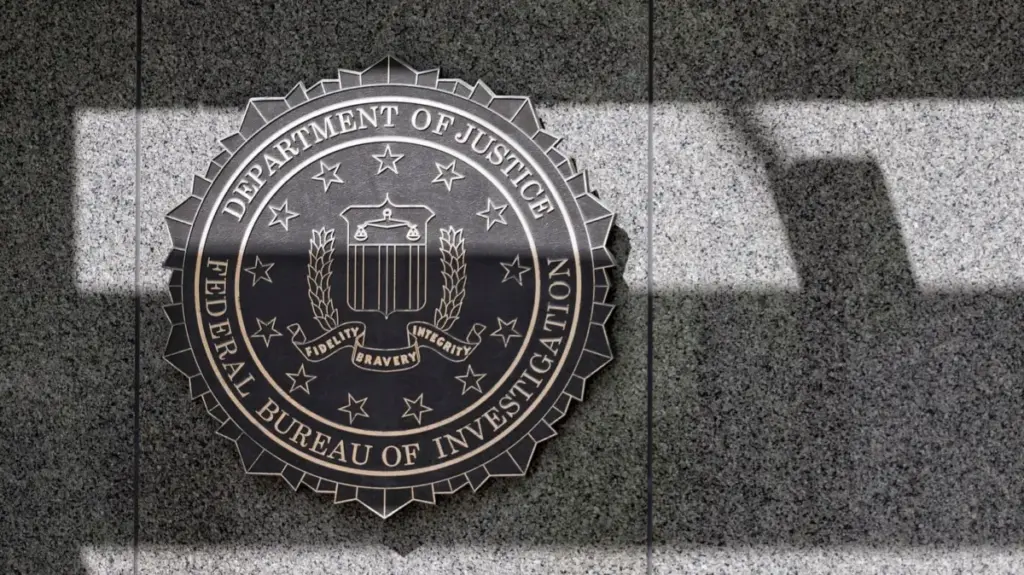
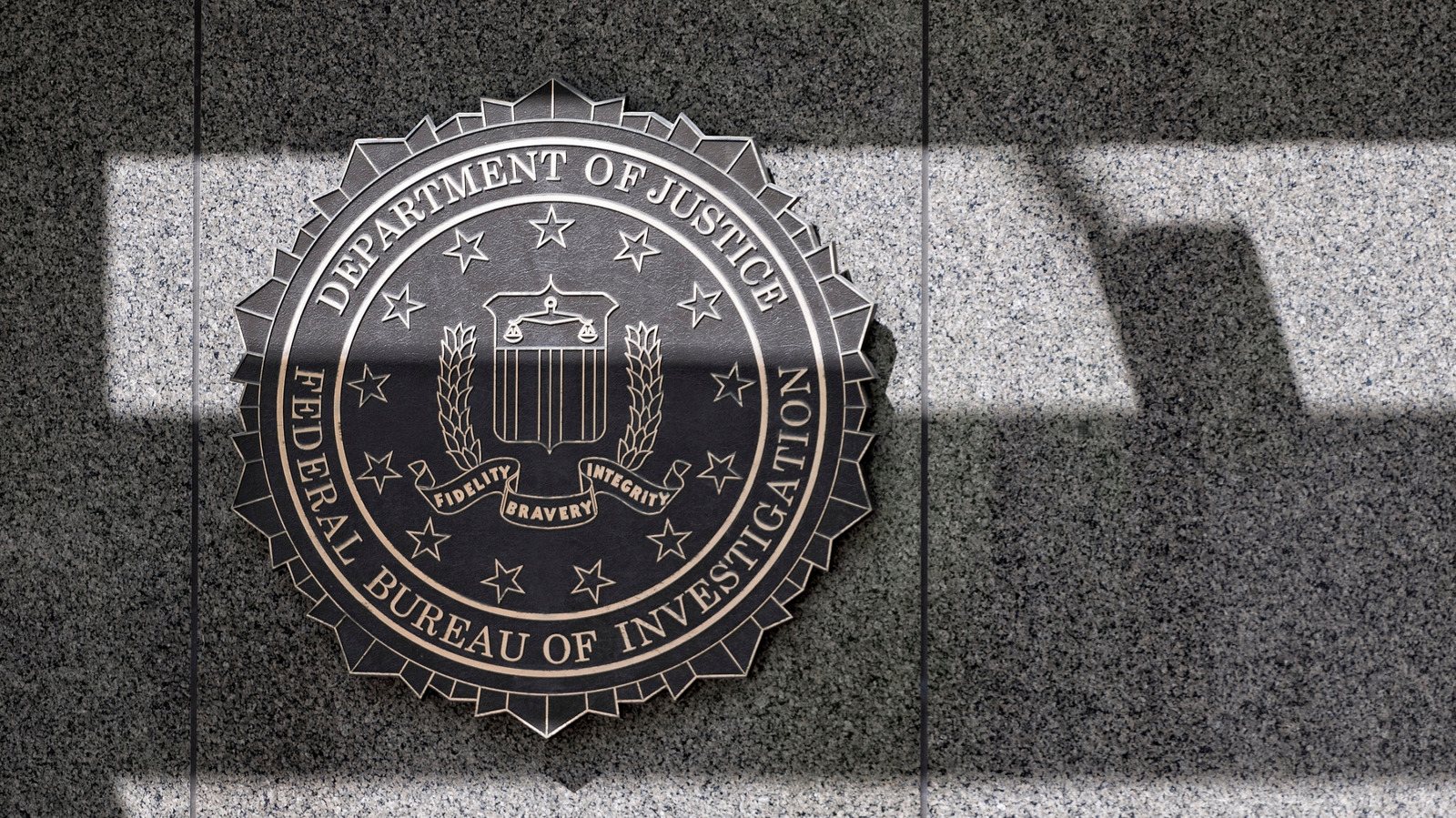
In a significant escalation of cyber-hostility against United States federal infrastructure, the prolific hacking collective known as ShinyHunters has claimed responsibility for a massive data breach involving the Federal Bureau of Investigation (FBI). The group asserts that they have successfully exfiltrated between two and three terabytes of sensitive information, including detailed records pertaining to bureau employees and job applicants. This incident, which follows a reported unauthorized takeover of the FBI’s official website earlier this week, represents a major challenge for federal cybersecurity defenses and has prompted an aggressive investigation by the agency.
Reports from Reuters and 404 Media have confirmed that the attackers possess a substantial cache of data. Journalists from these outlets have reviewed a sample of the stolen files, which appear to contain highly sensitive personal identifiers. The compromised records include names, residential addresses, telephone numbers, dates of birth, social security numbers, and emergency contact information for approximately 5,000 FBI personnel. Beyond basic biographical data, there are indications that the stolen cache may contain sensitive operational details, including work assignments for field agents and information regarding specific FBI units tasked with high-stakes intelligence, security, and counter-espionage operations—notably those focused on China and Russia.
The breach was allegedly facilitated through a sophisticated technical exploit. According to a representative of ShinyHunters who communicated with 404 Media, the hackers gained unauthorized entry into the agency’s systems by leveraging a previously undisclosed "zero-day" vulnerability within Oracle’s PeopleSoft software. This access reportedly allowed the group to penetrate Amazon Web Services’ (AWS) GovCloud servers, an infrastructure environment specifically designed to host sensitive government data.

In response to these developments, the FBI has acknowledged the severity of the situation. In a statement provided to Reuters, the agency confirmed that it is aware of a cyber-criminal enterprise group claiming a compromise of the FBIJobs.gov portal and an alleged impact on the personally identifiable information (PII) of its employees. The bureau emphasized that it is currently "actively and aggressively investigating the matter."
This latest operation marks a departure from the typical methodology associated with ShinyHunters. Historically, the group has operated as a cyber-extortion syndicate, launching high-profile attacks against major corporate entities for financial gain. Over the past several years, their footprint has been identified in breaches affecting high-profile organizations such as Ticketmaster, where hundreds of millions of user records were potentially exposed, and Rockstar Games, which suffered a significant data security incident. In those instances, the group’s primary objective was almost universally tied to financial coercion, utilizing the threat of public data exposure or sale to force victim organizations into paying significant ransoms.
However, the motivations behind this specific assault on the FBI appear to be ideological and retaliatory rather than fiscal. A spokesperson for the group explicitly told 404 Media that the hack was "not financially motivated." Instead, the group characterized the intrusion as a punitive measure aimed at forcing the government to retract or amend a public statement the FBI issued earlier this year. In a report published in May, the FBI characterized ShinyHunters as a group that routinely "exaggerated claims of access to sensitive or personal information to prompt payment from victims." The hackers, stung by this characterization of their capabilities and business model, seem to have targeted the bureau to challenge its narrative and demonstrate their technical reach.
The claim that the group holds data on "all FBI employees and applicants" remains to be fully verified by federal investigators, but the scope of the potential compromise is extensive. The inclusion of details regarding intelligence, security, and counter-espionage units is particularly concerning for national security officials. If the hackers have indeed obtained information regarding the identities of agents involved in sensitive international operations, the implications extend far beyond a standard data breach. Such information, if leaked or sold to foreign state actors, could jeopardize ongoing investigations, compromise the safety of field personnel, and undermine the integrity of American intelligence efforts against adversarial powers.
The use of a zero-day exploit in an enterprise-grade platform like Oracle’s PeopleSoft highlights the persistent difficulty that even the most secure government agencies face in defending against determined, sophisticated adversaries. Zero-day vulnerabilities—flaws in software that are unknown to the vendor and for which no patch exists at the time of exploitation—are among the most potent tools in a hacker’s arsenal. When such an exploit is successfully deployed against cloud-based government infrastructure, it underscores the inherent risks in the digitalization of sensitive human resources and administrative systems.
As the investigation proceeds, the FBI and its cybersecurity partners are likely conducting a forensic audit of the compromised GovCloud servers to determine the exact extent of the unauthorized access and to identify the specific timeline of the intrusion. Simultaneously, the agency must balance the need for transparent communication with the public and its employees against the operational necessity of maintaining the secrecy of ongoing investigations.
For the victims—the thousands of current and former FBI employees whose personal information has been exposed—the situation is critical. The breach of social security numbers and residential addresses places these individuals at a heightened risk for identity theft, social engineering, and potential physical targeting. The bureau will likely need to provide comprehensive monitoring services and security guidance to those impacted to mitigate the fallout of the incident.
The confrontation between ShinyHunters and the FBI also serves as a stark reminder of the evolving landscape of cyber warfare. As hacking groups become more emboldened and move beyond simple financial extortion to engage in political or reputational warfare against state actors, the distinction between criminal cyber-activity and state-sponsored espionage continues to blur. Whether the hackers’ objective of forcing a retraction from the FBI will be met remains unlikely, given the standard federal policy of refusing to negotiate with cyber-criminal entities.
The incident remains a developing story. While the group’s claims of holding data on the entirety of the FBI’s workforce remain unconfirmed by official sources, the documented presence of 5,000 sensitive personnel records is sufficient to categorize this as one of the most significant security failures in the agency’s recent history. The coming weeks will likely see the FBI working to patch the identified vulnerabilities in their systems, attempting to trace the digital breadcrumbs left by the attackers, and assessing the long-term impact of this unprecedented intrusion on its intelligence-gathering capabilities and personnel security. For now, the bureau remains in a state of high alert as it works to contain the breach and secure the integrity of its digital portals.