










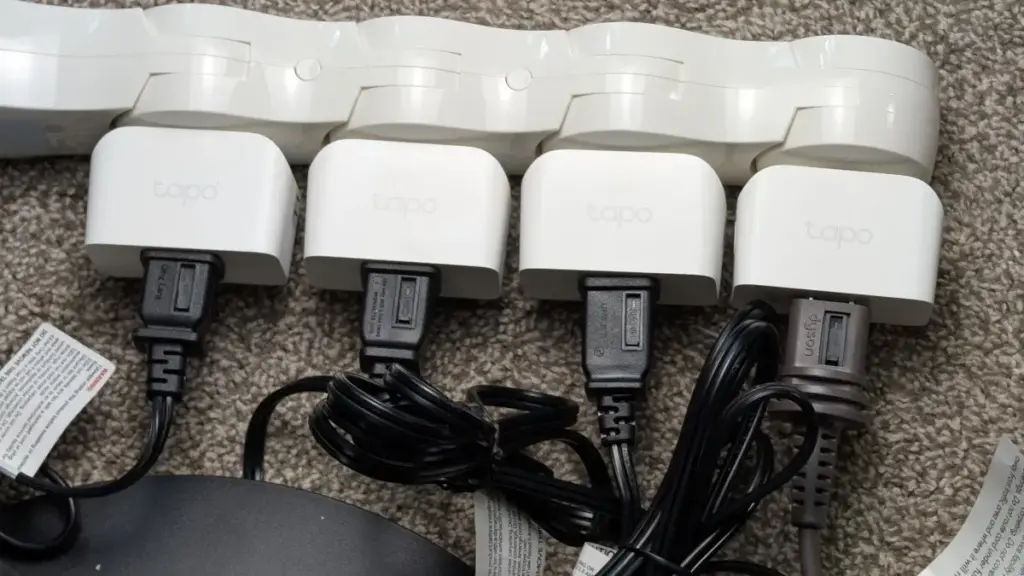
When used improperly, smart plugs can pose significant safety risks, leading to damaged equipment, melted casings, or even catastrophic fire hazards. The core issue lies in how these devices are engineered. Most consumer smart plugs are constructed to handle relatively low, steady electrical loads. They are simply not built to withstand the rigorous demands of high-powered appliances, heating elements, or heavy-duty motor-driven systems.
To better understand the hidden dangers of misusing smart plugs, industry professionals are highlighting the specific categories of household equipment that should always be plugged directly into standard wall outlets. Kamran Khan, founder and managing director of SilverWater Plumbing and Electrical, points out that homeowners frequently misjudge the electrical capacity of their smart home accessories, often with dangerous consequences.

Space Heaters
Plugging a portable space heater into a smart plug is a widespread mistake, yet it remains one of the most hazardous misapplications of smart home technology. Many portable space heating models continuously draw between 1,200 and 1,500 watts of electricity during operation. This intense draw sits right at the upper threshold of what typical consumer smart plugs are rated to handle. Furthermore, standard residential outlets in North America are generally designed to support 15 or 20 amps, whereas budget-friendly smart plugs sourced from less reputable manufacturers may not maintain safe operational tolerances for that level of continuous current.
Beyond the steady-state draw, space heaters are notorious for producing severe energy spikes. High-wattage heating devices can experience instantaneous power surges ranging from 1,000 to 1,800 watts when cycling or initiating full heating cycles. According to Khan, this type of intense thermal stress inflicts far more cumulative damage on an electrical relay than running continuously at a moderate power level.
Electrical professionals frequently encounter smart plugs removed from residential walls that exhibit visible discoloration, warping, or structural melting caused by the immense heat generated by connected heaters. In many cases, homeowners remain entirely unaware that a failure is imminent. The thermal damage accumulates silently over time, offering no outward warning sign until the internal components break down completely. Even when a smart plug claims to support high-wattage loads on paper, prolonged operation at maximum capacity accelerates component degradation, sharply increasing the likelihood of electrical failure, internal shorting, or fire.

Hair Dryers, Toasters, and Hot Plates
Smaller desktop and kitchen appliances—including hair dryers, toasters, and portable hot plates—combine high wattage with the potential for massive, rapid power surges. When these devices are switched on, they instantly demand a surge of electrical energy that frequently exceeds the designed operational limits of standard smart plugs.
The repeated thermal and electrical stress generated by these rapid-heating appliances accelerates the degradation of internal relays and solder joints inside the plug, particularly within lower-cost models. This wear and tear eventually leads to erratic, unreliable, or unsafe operating conditions. Any household device that generates rapid heat or frequently cycles on and off at maximum power should be strictly operated through a direct wall connection.
Refrigerators and Freezers
Refrigerators and upright freezers present an entirely different electrical challenge, revolving around compressor-driven startup surges rather than continuous resistive heating loads. Each time a refrigerator compressor kicks on to regulate internal temperatures, it demands a significant surge of power far exceeding its normal running load.

When motor-driven appliances initiate their cooling cycles, they generate compressor and inductive surge currents that can reach up to three times their standard running ramp amperage. The delicate internal electronic relay inside a standard smart plug has no physical way to absorb these repeated high-amperage surges over extended periods. Electrical contractors report that relay degradation frequently occurs deep within these plugs long before any external signs of physical damage become visible on the plastic casing.
Beyond the physical hardware risks, utilizing smart plugs with refrigeration units introduces a severe practical hazard. If a smart plug temporarily loses its Wi-Fi connection, suffers an unexpected software reset, or is accidentally toggled off through a smartphone application, the refrigerator or freezer will lose power without warning. In a worst-case scenario, this unexpected downtime can lead to widespread food spoilage and costly financial losses for the homeowner.
Sump Pumps
Sump pumps serve as a critical last line of defense against basement flooding during periods of heavy rainfall, rapid snowmelt, or severe weather events. Introducing a smart plug into the power chain of a sump pump establishes an entirely unnecessary and dangerous point of failure for an emergency life-safety appliance.

If a smart plug encounters a firmware glitch, loses network connectivity, or experiences a hardware failure during a storm, the sump pump may fail to activate precisely when it is needed most. The resulting consequence can be catastrophic basement flooding and extensive property damage. For essential infrastructure systems designed to protect a home from structural water intrusion, absolute mechanical and electrical reliability must always take precedence over smart home convenience.
Washing Machines, Dryers, Air Conditioners, and Power Tools
Large household appliances and heavy-duty power tools rely heavily on robust electric induction motors, which behave fundamentally differently from simple resistive electronics. Khan emphasizes that smart plugs are fundamentally designed as convenience accessories rather than heavy-duty power management solutions for high-draw appliances.
During startup, major motor-driven appliances draw a substantial inrush current. This brief electrical surge places immense mechanical and thermal strain on a smart plug’s internal relay contacts. Repeated exposure to these high-amperage startup spikes shortens the operational lifespan of the accessory and can cause the internal components to fuse or fail catastrophically, potentially damaging the connected appliance as well.

While typical smart plugs carry a UL rating of 15 amps maximum, that electrical ceiling is only safe for stable, purely resistive loads. That rating does not account for the punishing inrush currents and inductive surges generated by motorized and heating appliance loads at the moment of activation.
Practical Applications for Smart Plugs
Despite these critical limitations, smart plugs remain exceptionally useful, safe, and practical accessories when paired with appropriate low-draw electronic devices. They deliver optimal performance when utilized with hardware that maintains a consistent, minimal overall power draw and relies on simple, steady on-and-off states rather than heavy motor actuation or intense heating elements.
Ideal candidates for smart plugs include decorative accent lighting, bedside lamps, television peripherals, audio equipment, portable fans, and minor electronic chargers. Operating these low-impact devices within safe parameters can even assist homeowners in identifying and mitigating persistent "energy vampires" that draw standby power throughout the house.

Safety Standards and Specifications
For consumers looking to integrate smart plugs safely into their living spaces, understanding electrical ratings and safety certifications is paramount. Homeowners should always verify both the designated capacity of the smart plug and the precise power requirements of the target appliance, ensuring a substantial safety margin.
In North America, buyers should look for official listing marks from recognized testing laboratories such as UL Solutions or ETL, indicating that the hardware has been rigorously evaluated against severe risks including fire, electric shock, and mechanical hazards.
A standard North American smart plug is commonly rated for 15 amps at 120 volts, representing a theoretical maximum threshold of approximately 1,800 watts. However, electrical safety best practices dictate keeping continuous operating loads comfortably below that ceiling. For a standard 120-volt smart plug, maintaining a continuous load under roughly 10 amps—or roughly 1,200 watts—provides a conservative safety margin, protecting both the smart plug and the home electrical system from long-term thermal degradation.