







When modern audiences survey the landscape of science fiction, the conversation is inevitably dominated by the massive, multi-billion-dollar empires of Star Wars and Star Trek. These franchises have defined the commercial potential of the genre, shaping how studios approach intellectual property, merchandising, and world-building for decades. Their profitability and cultural ubiquity are, by any metric, unparalleled. However, when we shift the criteria from mere box office receipts to the sheer breadth of creative influence and foundational impact on the medium, one name stands above the rest, acting as the DNA for almost every speculative story told in the last half-century. That property is The Twilight Zone, and it is currently available to stream for free on Tubi.
If you are a fan of contemporary prestige television or high-concept cinema, you are likely already a fan of Rod Serling’s masterwork, whether you realize it or not. The series acts as the primary wellspring from which modern genre storytelling draws its water. To revisit the original 1959 series is not merely to engage in nostalgia; it is to observe the blueprint for the most significant developments in television history.
You Have Entered… The Twilight Zone
The series made its debut in 1959 on CBS, running for five seasons and delivering a total of 156 episodes that would irrevocably alter the landscape of the medium. At the time of its inception, television was a nascent medium struggling to find its own identity. It was largely dominated by taped, theatrical-style stage plays and multi-camera sitcoms—the era of I Love Lucy and domestic comedies that prioritized comfort over challenge.

Rod Serling, a visionary writer and producer, sought to shatter these conventions. He envisioned a single-camera anthology series that functioned less like a recurring variety show and more like a collection of short, high-concept films. By utilizing the anthology format, Serling freed the show from the constraints of a single set of characters or a continuous narrative. Each episode offered a blank slate, allowing for a unique premise that could explore the deepest reaches of the human condition within the span of a half-hour. While the fourth season experimented with an hour-long format, the show eventually returned to its roots, cementing its legacy as a masterclass in concise, impactful storytelling.
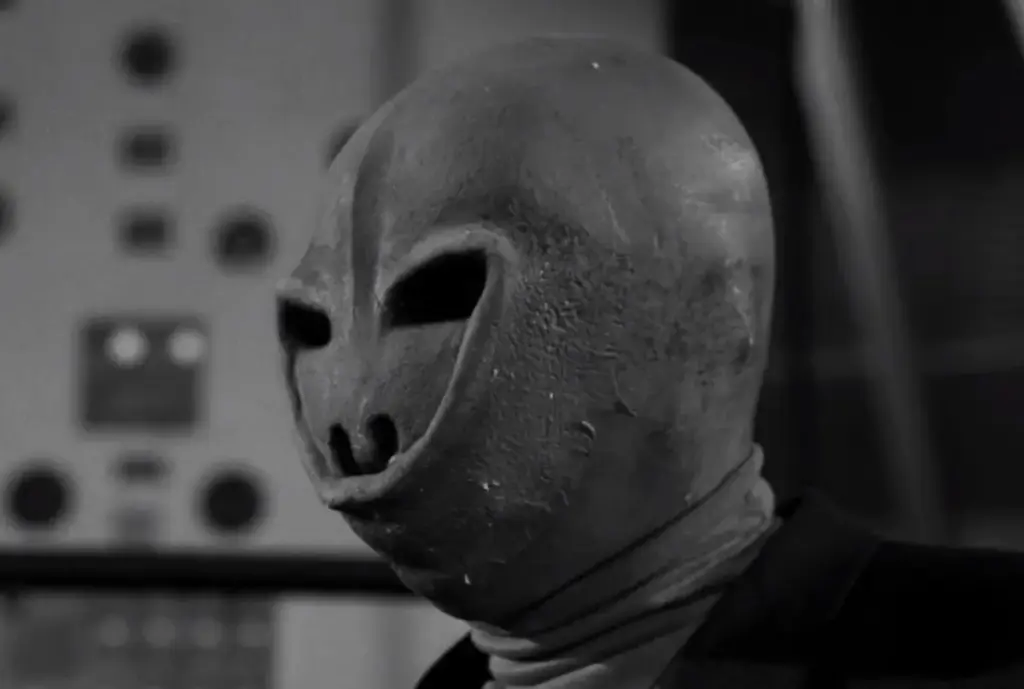
Every episode of The Twilight Zone introduced new faces and new realities, yet they were united by a common thread: the exploration of the extraordinary. The series seamlessly blended science fiction tropes—such as time travel, alien encounters, and futuristic technology—with the chilling sensibilities of horror, featuring ghosts, supernatural occurrences, and the uncanny presence of possessed objects. Yet, beneath these genre trappings lay the show’s true genius. Serling used the "safe" distance of science fiction to hold a mirror to society. Under the guise of a space-faring adventure or a bizarre time loop, the show tackled the most uncomfortable subjects of the era: institutionalized prejudice, the crushing weight of loneliness, the complexities of human morality, and the haunting sting of regret.
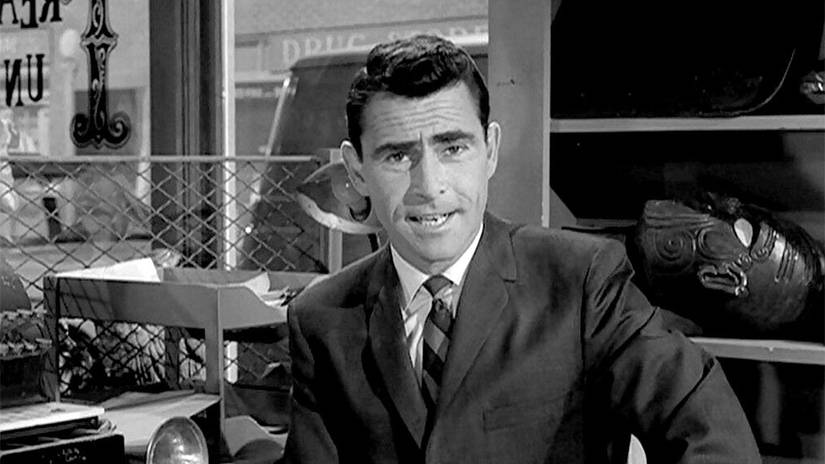
The quality of the writing was bolstered by an unprecedented roster of talent. Serling, who famously introduced every episode with his iconic, cigarette-wielding narration, was the show’s creative engine, penning nearly 100 of the 156 episodes himself. However, he also recruited the finest minds in speculative fiction. Legends like Ray Bradbury and Richard Matheson contributed scripts that elevated the show from simple pulp fiction to literary television. They drew inspiration from the great pioneers of the genre, such as H.G. Wells and Mary Shelley, grounding the series in a rich tradition of philosophical inquiry and gothic unease.

A Legacy That Defines Modern Media
The influence of The Twilight Zone on subsequent generations of storytellers cannot be overstated. When we look at modern television, the lineage is direct and undeniable. Series like Black Mirror owe an existential debt to Serling’s anthology; they occupy the same space of using technology and futuristic scenarios to critique contemporary society. The Outer Limits served as the immediate successor to the mantle, continuing the tradition of the high-concept anthology.
However, the influence extends far beyond the anthology format. The DNA of the show is embedded in the narrative structures of The X-Files, Fringe, Lost, and Futurama. These shows adopted the series’ penchant for the "weird" and its willingness to pivot from comedic absurdity to existential dread within a single hour.
This impact is equally visible in modern cinema. Visionary directors like Jordan Peele have been vocal about their reverence for the series. Peele’s 2019 film Us, with its focus on doppelgängers and the fracturing of identity, draws direct thematic and narrative inspiration from the Season 1 episode "Mirror Image." Similarly, horror icon Don Mancini, the creator of the Chucky franchise, has frequently cited the Season 5 episode "Living Doll"—featuring the terrifying Talky Tina—as the foundational inspiration for his own killer doll.
The series is also responsible for some of the most iconic moments in television history, moments that have been parodied and referenced so frequently they have become part of the collective cultural vocabulary. "Nightmare at 20,000 Feet," which stars a young William Shatner as a man convinced he sees a creature on the wing of his plane, remains a gold standard for psychological tension. Episodes like "Dummy," centered on a ventriloquist haunted by his own puppet, and "To Serve Man," an alien invasion story that culminates in one of the most famous twist endings ever filmed, remain as shocking and effective today as they were over sixty years ago.
The Timelessness of the Anthology
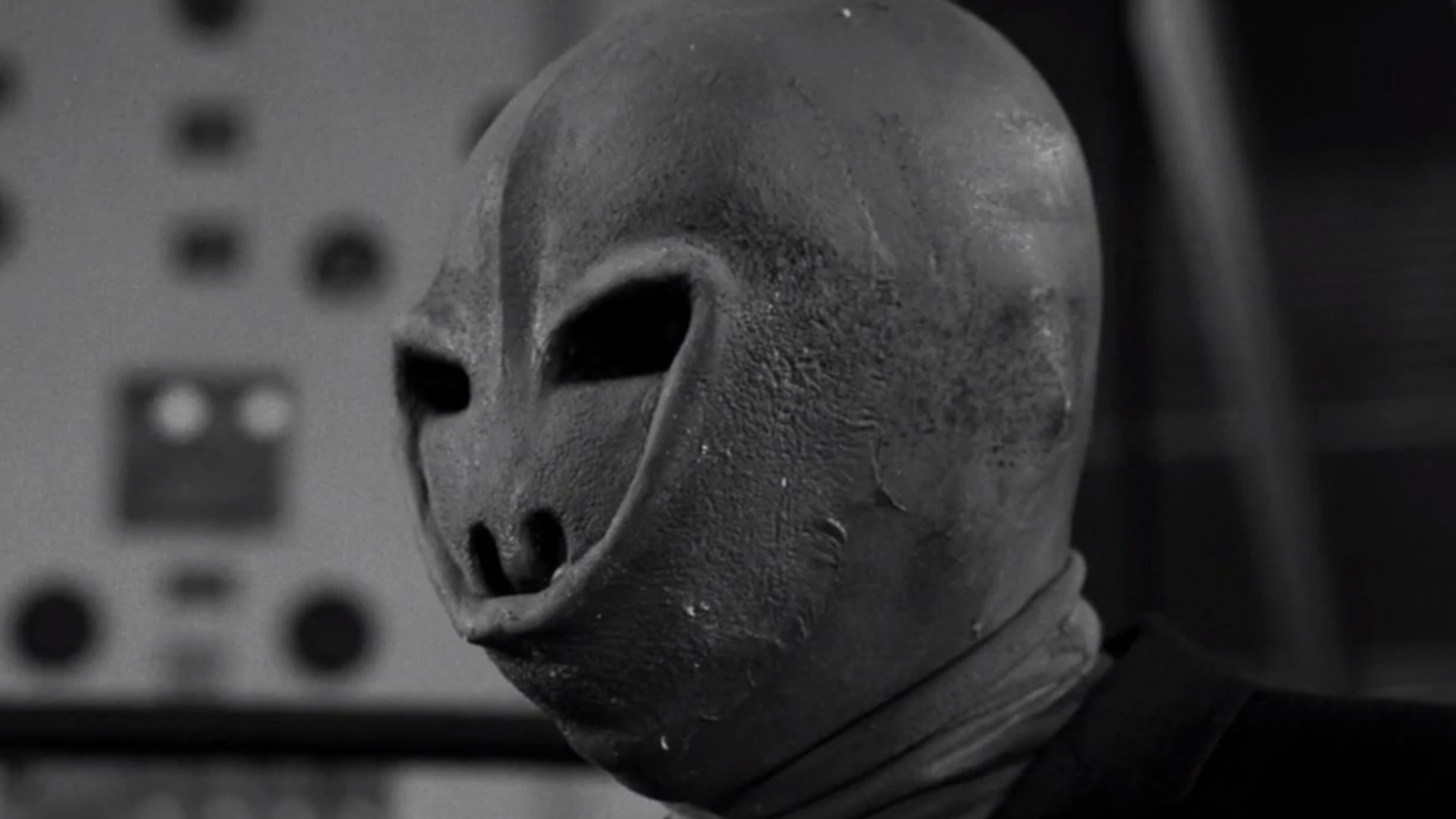
Admittedly, viewing a series that is more than six decades old requires a certain degree of historical patience. Some of the practical special effects and production techniques are clearly products of their time, lacking the polished, high-definition gloss of modern streaming originals. Yet, these superficial elements do little to diminish the power of the storytelling.
Because the series focused on universal themes rather than specific, fleeting trends, it avoids the trap of becoming obsolete. The questions Serling asked about human nature, societal collapse, and the ethics of progress are, if anything, more relevant in our modern, digital-first world. The anthology format is also uniquely suited for the modern viewer. Because there is no overarching continuity to keep track of, one can dip in and out of the series at will. You do not need to commit to a hundred-hour binge to understand the gravity of a specific episode.
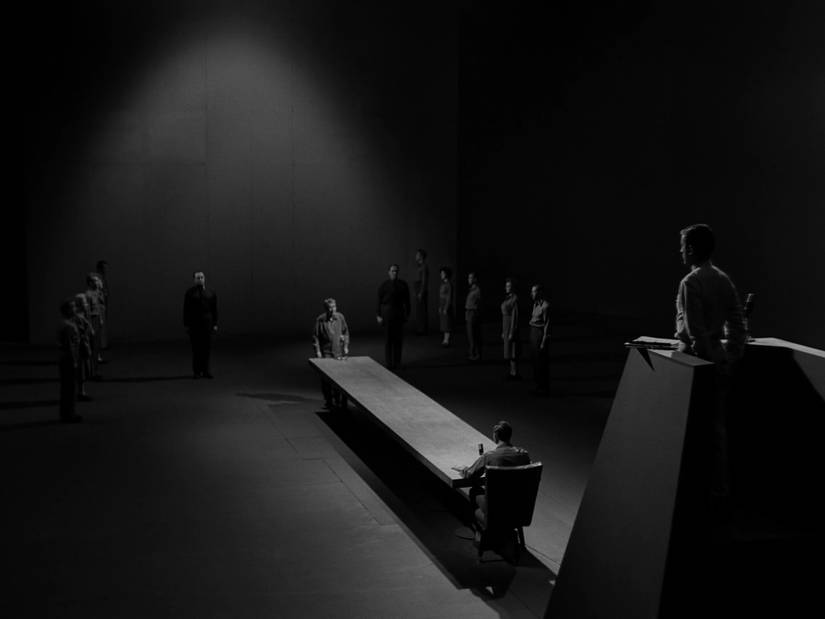
This "low barrier to entry" makes The Twilight Zone the perfect candidate for a streaming revival. It allows for a trial-and-error approach; if one episode’s premise doesn’t immediately grab you, the next offers a completely different world, tone, and set of characters. It is a show that invites return visits, rewarding viewers who seek out the profound and the peculiar.
For those who enjoy the dark, speculative, and challenging nature of modern horror and science fiction films, a dive into the original Twilight Zone is not just recommended—it is essential. So much of the storytelling landscape we navigate today was carved out by Rod Serling and his team. By tuning in for free, you aren’t just watching a classic television show; you are witnessing the genesis of the modern imagination. Even after all these years, it remains a destination worth visiting.