











In the intricate, branching world of Fire Emblem: Fortune’s Weave, the narrative is as much about the choices players make on the battlefield as it is about the ones they make on the calendar. Among the most significant of these choices is the decision to engage with paralogues—the game’s high-stakes optional missions that can be notoriously easy to overlook. While these missions are technically side content, they represent some of the most vital strategic investments a player can make, serving as the primary bridge to unlocking key characters and bolstering one’s resources before the game’s demanding endgame.
Paralogues in Fortune’s Weave operate on rigid, unforgiving deadlines. Missing these windows is not just a matter of skipping a bit of side flavor; it can fundamentally alter the composition of your roster in the later stages of the campaign. For players aiming to optimize their experience without necessarily committing to multiple full playthroughs of every route, understanding the cadence and utility of these missions is essential. These quests serve as the gateway for recruiting plot-critical characters, and for those navigating the complexities of Part 3, they offer a rare opportunity to recruit the three additional Flame Lords—Bertrand, Anatolia, Talimun, and Orchel—albeit with varying degrees of integration into your main force.

The Strategic Value of Paralogues
The question of whether to prioritize these missions often comes down to a player’s current standing in the game’s economy and their long-term recruitment goals. Each successfully completed paralogue yields a reward of 20,000 gold. Given the high cost of gifting items, food, and other social bribes required to build support levels with your army, this influx of capital can be a game-changer. For players who find their coffers empty after a series of intensive training sessions or shopping sprees, these missions are arguably the most efficient way to restore financial stability.

Beyond the monetary incentive, the primary motivation for completing these quests is the recruitment potential. Every Flame Lord—whether playable or restricted to the non-playable categories—has a dedicated paralogue, as does the merchant character Anna. Completing a Flame Lord’s specific paralogue is the key to ensuring their presence in your party by the time you reach Part 3. However, there is a distinct difference in how these characters are integrated. Completing the paralogues for Leda, Dietrich, Cai, or Theodora results in them joining your ranks in Part 3 strictly as guests. This means players have no agency over their class progression, stat leveling, or inventory management. Conversely, by tackling the paralogues for Talimun, Orchel, Bertrand, or Anatolia, these characters join as fully fledged members, allowing players to customize their builds and integrate them into their core strategy.

The game’s design offers a clever efficiency for those who do not wish to play every single route to completion. Once you have cleared a specific Flame Lord’s paralogue and finished the War Arc on their path, the respective character will be unlocked for Part 3 regardless of which route you choose to play in subsequent sessions. This allows for a modular approach to recruitment; if you have already secured a character like Cai during a previous playthrough, you are free to skip his paralogue during your current run as Dietrich without suffering any negative repercussions, other than the loss of the associated gold reward.
Navigating Deadlines and Route Restrictions
While the system is designed to be flexible, it is not without its complications. Availability is deeply tied to the narrative progression of each route, and not every paralogue is accessible to every player. Cai’s route, for instance, provides alternative story solutions that bypass the need for certain paralogues entirely. While this is efficient for the narrative, it means those players will miss out on the specific character recruitment opportunities and the gold rewards associated with those missions.
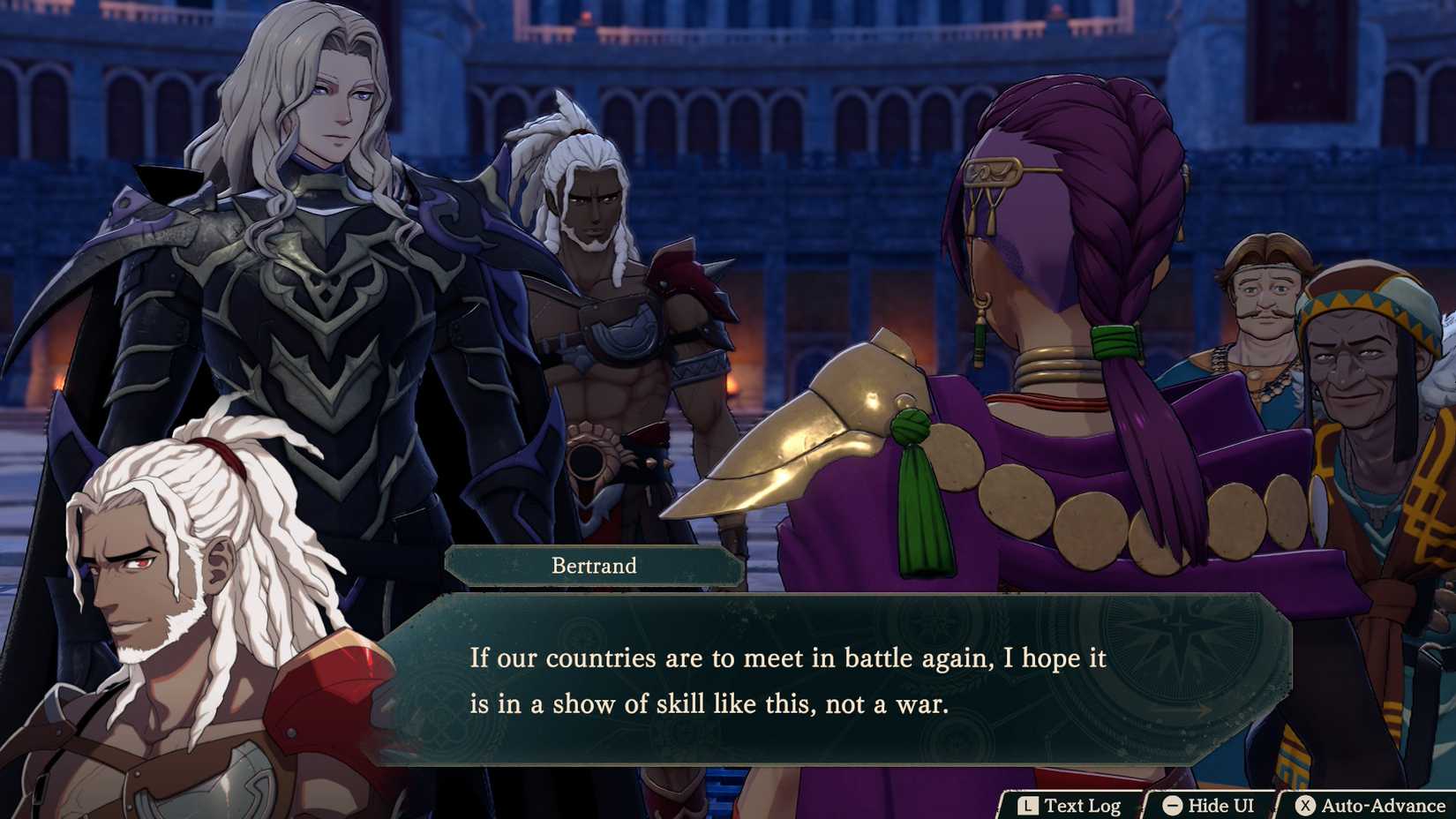
Dietrich’s route serves as a significant exception to the general rules of accessibility. Because of his unique story trajectory, he is able to access almost every paralogue in the game, with the obvious exception of his own. However, this accessibility comes with the most punishing deadline in the game. Recruiting Peppe, for example, is entirely dependent on completing Bertrand’s paralogue, which is also the only way to obtain the character Gaitz—who is not recruitable on any other path. In Dietrich’s route, this specific mission window is open for only one day, specifically on September 17th at 9:00 p.m. This leaves players with a mere five turns before the main story deadline triggers a mandatory conclusion. It is a high-pressure scenario that requires careful preparation; players should ensure they have fully prepared for the main quest and are ready to depart through the Gate of the Gods before committing to this narrow window.
Theodora’s path presents its own unique set of constraints. While the game may display quest end dates that suggest availability beyond October 24th, her final chapter concludes strictly on that date. This creates a hard stop for any outstanding preparations, subquests, or paralogues. Players who ignore this date will find themselves locked out of content, potentially missing out on critical late-game recruits or resources.

Planning Your Campaign
For those new to the sprawling narrative of Fortune’s Weave, the sheer density of the game’s mechanics can be overwhelming. The importance of balancing the immediate needs of the current chapter against the long-term requirements of the late game cannot be overstated. Decisions made during the early Heroic Games matches—such as where to spend your free time and which characters to prioritize for recruitment—ripple throughout the entire campaign.
While the allure of pursuing every objective is strong, the game is designed to be challenging, and there is no shame in focusing your efforts on specific recruits who fit your playstyle. Whether you are focusing on the Boons of Salvation to gain an early edge or ensuring you have enough time to visit the Perch for a crucial Bird Time session, the key is consistency. As you manage your resources and navigate the shifting alliances of the War Arc, keep a close eye on your calendar. In Fortune’s Weave, the difference between a fully rounded roster and a depleted one is often found in the fine print of the mission log and the ticking of the clock. By staying informed about the availability of these paralogues, you ensure that your army is as prepared as possible for the challenges that lie ahead.