











The rapid evolution of generative artificial intelligence has brought the industry to a significant inflection point. For much of the past year, the prevailing narrative surrounding Large Language Models (LLMs) focused almost exclusively on raw power and the "intelligence" benchmarks of frontier models. However, as the ecosystem matures, the focus has shifted toward practical utility, economic viability, and architectural precision. The central question for developers and enterprise architects is no longer simply "how smart is this model," but rather, "which model provides the optimal balance of performance, cost, and latency for this specific application?"
This shift toward strategic model selection—a concept often referred to as "right-sizing" AI—is the defining theme of the latest updates to Amazon Bedrock. Over the past few days, AWS has significantly expanded its model library, introducing new offerings from OpenAI and Anthropic that provide developers with more granular control over their AI workloads. By adding GPT-6 Sol and GPT-6 Luna from OpenAI, alongside Claude Opus 5.5 from Anthropic, AWS is empowering users to tailor their technology stacks to their specific operational requirements rather than relying on a "one-size-fits-all" approach.
The New Intelligence-Versus-Efficiency Curve
The introduction of these models marks a departure from the pursuit of monolithic, general-purpose models. Instead, these additions represent specific points on the intelligence-versus-efficiency curve, allowing organizations to optimize their cloud spend while maintaining high performance.

OpenAI’s new entries, GPT-6 Sol and GPT-6 Luna, address distinct functional needs. GPT-6 Sol has been architected to tackle the rigorous, recurring demands of development and operations. Its design is intended to handle the nuances of coding workflows and infrastructure management, providing a reliable partner for engineers who require consistency and high-level reasoning for complex technical tasks. In contrast, GPT-6 Luna is optimized for focused, repeatable tasks that demand high throughput. For enterprises operating at scale—where thousands of small, repetitive requests are processed daily—Luna provides a high-efficiency alternative that maintains the intelligence of the GPT-6 lineage while significantly reducing the overhead associated with larger models.
Critically, both of these models are positioned at a more attractive price point than their GPT-5.6 predecessors. This pricing strategy reflects the broader trend in the AI market toward commoditization and cost-efficiency, enabling businesses to integrate advanced AI into production environments that were previously cost-prohibitive.
Anthropic’s entry, Claude Opus 5.5, further diversifies the toolkit available on Bedrock. As the flagship of the new Claude 5.5 family, this model has been specifically tuned for agentic coding and complex, long-running processes. The primary innovation here is token efficiency; Claude Opus 5.5 is capable of achieving superior outcomes with fewer tokens than its predecessor, Opus 5. By reducing the token footprint, Anthropic and AWS are helping developers mitigate the latency and cost barriers that often accompany complex, multi-step agentic workflows. For tasks that require prolonged reasoning or sustained interaction with large codebases, this efficiency gain is transformative.
Strategic Model Selection in the Enterprise
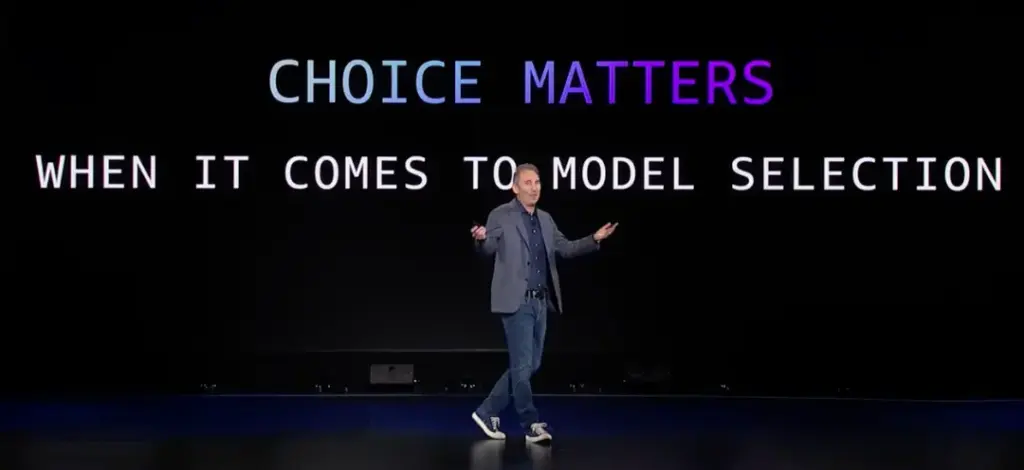
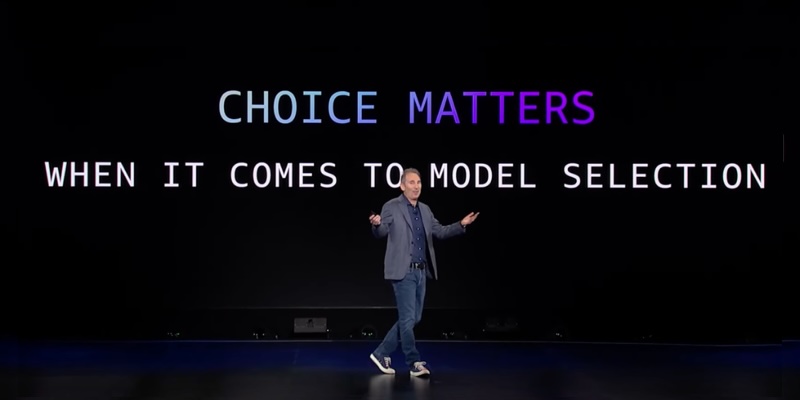
The underlying philosophy driving these updates is a move away from the reflex to deploy the largest, most parameter-heavy model for every use case. In the early stages of the generative AI boom, the "biggest model" was often the safest choice for performance. However, as the industry matures, it is becoming increasingly clear that using an oversized model for simple tasks is an inefficient use of compute resources and a source of unnecessary latency.
By offering a spectrum of models on Amazon Bedrock, AWS is encouraging a more deliberate architecture. A developer might now choose GPT-6 Sol for building complex backend logic, while offloading high-volume, repeatable data-entry tasks to GPT-6 Luna. For long-running, multi-agent coding projects, Claude Opus 5.5 offers the specialized reasoning necessary to navigate intricate dependencies without the bloat of a general-purpose model. This architectural flexibility is essential for businesses that intend to scale their AI initiatives from experimental pilots to core, production-grade infrastructure.
This push toward granular model selection is also being mirrored by advancements in observability. As AI agents become more autonomous and complex, the ability to monitor, trace, and debug their behavior in real-time has become a mandatory component of the development cycle. The recent focus on observability within the AWS ecosystem ensures that as developers shift toward these more specialized model configurations, they maintain full visibility into how these models are performing, where costs are being incurred, and where potential bottlenecks in agentic workflows are emerging.
Looking Ahead at the AWS Ecosystem
The expansion of the Bedrock model catalog is only one part of the broader, ongoing evolution of the AWS service portfolio. As we look toward the coming weeks, the focus remains on equipping builders with the tools necessary to navigate this complex, high-velocity environment. The integration of these models is not an isolated event; it is part of a deliberate effort to keep AWS at the center of the AI-driven transformation of software development and operations.

For those looking to stay informed about these rapid developments, the "What’s New with AWS" page remains the primary source for the latest service announcements, feature updates, and infrastructure enhancements. Similarly, the AWS Blogs continue to serve as a hub for deep-dive technical articles that explain how to implement these new models in real-world scenarios.
Beyond individual service updates, the AWS Builder Center remains a critical resource for the community. By providing a space for developers to connect, share their own solutions, and access curated content, the center helps foster the knowledge-sharing that is vital in an era where AI best practices are being written in real-time. Whether through virtual sessions or in-person developer events, the community-led approach to learning remains a cornerstone of the AWS experience.
As we move forward, the "right model for the right job" approach will likely continue to dominate the discourse. The competition between model providers to offer higher efficiency and lower latency is benefiting the end-user significantly, turning AI from an expensive luxury into a practical, scalable utility. With the arrival of the latest models from OpenAI and Anthropic, the bar has once again been raised for what developers can achieve on the cloud, and it is clear that the focus will remain firmly on balancing the ambition of AI with the pragmatism of modern engineering. The landscape is changing rapidly, and as the weekly cadence of these updates demonstrates, there is no sign of this momentum slowing down. Next week will undoubtedly bring further shifts, and the ongoing dialogue between the capabilities of frontier models and the requirements of enterprise-scale production will continue to define the future of the cloud.