










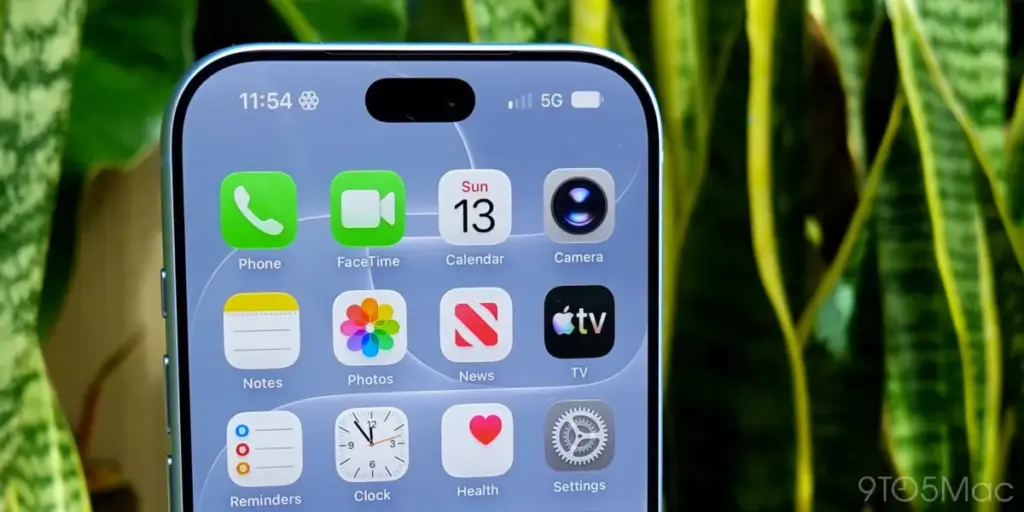
Apple has officially acknowledged a critical technical issue currently affecting a specific segment of its latest flagship lineup, the iPhone 18 Pro Max. According to the company, a “small number” of these devices operating on the AT&T network in the United States have experienced a catastrophic loss of cellular connectivity. While Apple has moved quickly to deploy software and carrier-level patches intended to mitigate the spread of this issue, the company has confirmed that for those users who have already lost service, a software fix will not suffice. Instead, these customers will be required to pursue a hardware replacement to restore full functionality to their devices.
The situation has caused significant frustration among affected users, who have taken to social media platforms, including Reddit and various technology forums, to report that their high-end handsets are effectively rendered useless for mobile communication. The primary symptom reported is a total inability to connect to the cellular network, leaving the device stuck in “SOS” mode. In this state, the iPhone 18 Pro Max is unable to place or receive voice calls, send SMS messages, or access mobile data, effectively stripping the device of its most fundamental utility as a mobile phone.
Apple’s Response and Mitigation Efforts
In an official statement provided to 9to5Mac, Apple confirmed that it has identified the root cause of the connectivity failure, which is currently isolated to iPhone 18 Pro Max units utilizing the AT&T network. “We have identified an issue affecting a small number of iPhone 18 Pro Max users on the AT&T network that may cause a device to lose service and be unable to make calls,” the statement read.

To address the growing problem, Apple acted swiftly earlier this week by releasing iOS 27.0.1. The company is strongly urging all owners of the iPhone 18 Pro Max to update their devices immediately to the latest version of the operating system. Furthermore, Apple is pushing a supplementary carrier settings update to AT&T users today. The company emphasizes that these two measures—the iOS update and the carrier settings patch—are designed to prevent the connectivity failure from occurring on devices that have not yet been affected.
The carrier settings update is expected to be deployed automatically to eligible devices over the next 14 days. However, given the severity of the issue and the understandable anxiety of users, Apple has provided a method for customers to trigger the update manually. By navigating to the Settings app, selecting the General menu, and choosing About, users can check for and install the latest carrier configuration.
The Limitation of Software Fixes
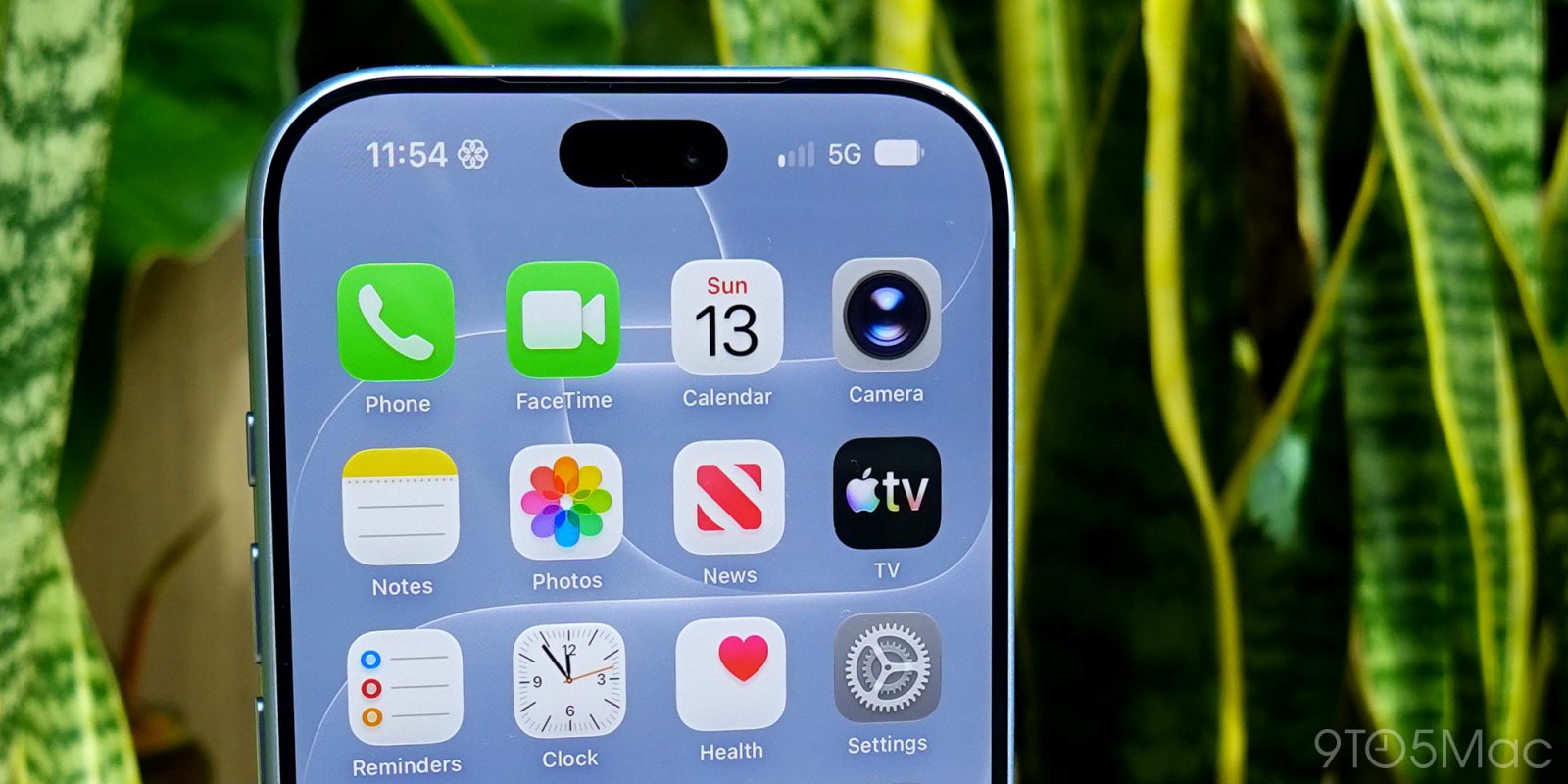
While the software and carrier updates are essential for prevention, Apple has been transparent about their limitations. The company clarifies that these updates will not restore cellular service to devices that have already succumbed to the failure. For those whose phones are already showing the “SOS” status in the top right corner of the display, the damage is, for the time being, irreversible through digital means.
Apple has directed these affected users to reach out to Apple Support or AT&T customer service representatives for assistance. Given the nature of the issue, those who have lost connectivity will need to visit an Apple Store or an authorized AT&T retail location to facilitate a hardware replacement. This process ensures that the internal components responsible for the network failure are exchanged for functional ones, providing a permanent resolution for those caught in this technical impasse.
Contextualizing the Technical Divide
The incident has sparked considerable debate regarding the hardware architecture of the iPhone 18 series. It is worth noting that the connectivity failure is specifically tied to the iPhone 18 Pro Max, which, in the United States, continues to rely on a Qualcomm modem. Conversely, the smaller iPhone 18 Pro model utilizes Apple’s proprietary C2 modem. Notably, the iPhone 18 Pro has not been affected by these specific connectivity issues, suggesting that the vulnerability may be tied to the interplay between the Qualcomm modem hardware and the current AT&T network infrastructure.
This technical distinction has become a point of interest for analysts and tech enthusiasts, as it highlights the complexities involved in modem integration and carrier compatibility. While Apple has been working toward transitioning to its own in-house modem solutions—as evidenced by the C2 modem found in the standard Pro model—the continued reliance on Qualcomm for the Pro Max underscores the challenges of scaling new technology across different device tiers and carrier networks.
User Reaction and the Search for Answers
The issue, while described by Apple as affecting a “small number” of users, has been reported with enough frequency to cause significant concern. Reports surfacing on community forums suggest that the transition to an “SOS” state often happens without warning, leaving users stranded without the ability to contact emergency services or personal contacts. Many users have expressed frustration that a flagship device, retailing at a premium price point, would encounter such a fundamental failure shortly after launch.

Earlier today, reports surfaced highlighting that despite the release of iOS 27.0.1, some users remained skeptical of the efficacy of the update, or were already beyond the point where a software patch could help. The disconnect between the official guidance and the user experience in the field has led to a flurry of activity on platforms like Reddit, where users are sharing their experiences with Apple support staff and exchanging advice on how to expedite the replacement process.
For those currently experiencing the “SOS” issue, the path forward remains a visit to a service center. While Apple’s proactive stance in releasing the software update is a standard protocol for mitigating widespread software-related bugs, the necessity for a hardware swap underscores the gravity of this particular failure. As the company continues to monitor the situation, the focus remains on ensuring that the affected users receive the support needed to restore their service as quickly as possible.
The situation serves as a stark reminder of the complexities inherent in modern mobile hardware. Even with rigorous testing and the deployment of high-end components like those from Qualcomm, the integration between hardware, operating system software, and carrier-specific network settings remains a delicate ecosystem. As Apple continues its efforts to replace the affected hardware, the industry will likely be watching closely to see if any further software-level adjustments are required to ensure the long-term stability of the iPhone 18 Pro Max on the AT&T network.
In the meantime, the company maintains its recommendation that all users, regardless of whether they are currently experiencing issues, proceed with the recommended updates. Keeping the device software and carrier settings current is the most effective defense against this and other potential network-related anomalies. For those currently without service, the immediate priority remains securing a hardware replacement through official channels, ensuring that their device connectivity is restored to full capacity. Apple has not yet provided a timeline for how long the replacement process may take, but they have signaled that they are treating the issue with the necessary urgency to restore trust and connectivity for their user base.