


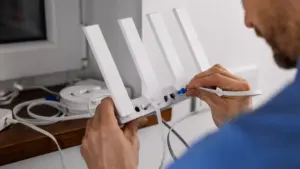






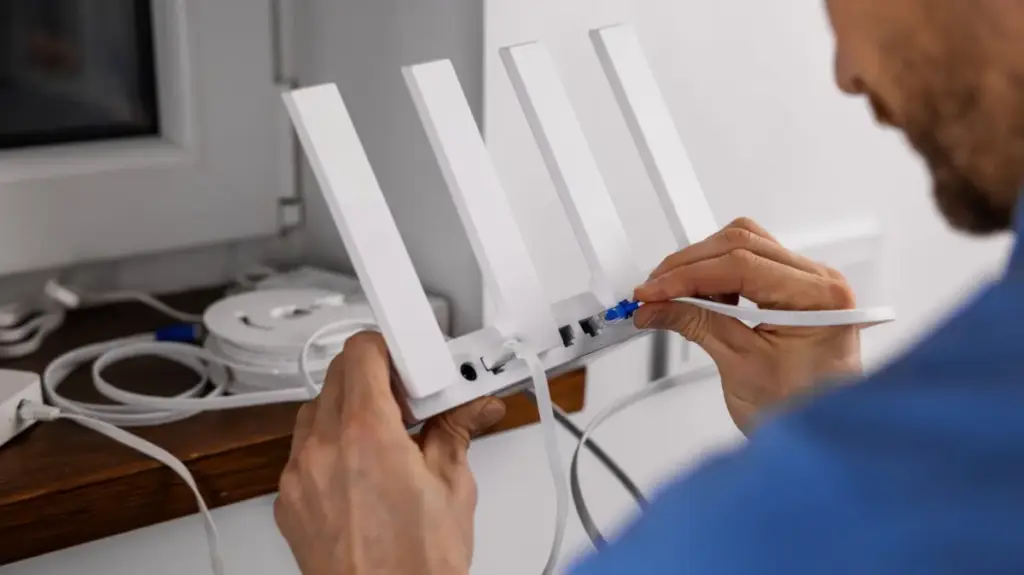
When you finalize a new contract for home internet service, your provider will inevitably steer you toward their own proprietary gateway—a combined modem and router unit. Historically, this piece of equipment has been presented as a convenient rental add-on, typically tacking an additional $10 to $20 onto your monthly service bill. Providers often market this as the "easy" path, emphasizing the seamless integration and support that comes with using their hardware. However, for many consumers, the choice is not nearly as simple as it seems. While the rental model offers a certain level of simplicity, the financial and technical implications of owning your own networking gear are significant. Deciding whether to rent or buy is ultimately a calculation that balances your immediate convenience against long-term costs, security preferences, and the desire for control over your digital environment.
The narrative presented by internet service providers is built on convenience. Renting a gateway is designed to be the path of least resistance for the average consumer. When a customer signs up for service, the ISP can ship a pre-configured unit that is essentially "plug and play." If a subscriber encounters connectivity issues, the provider can remotely access the gateway, diagnose the problem, or even push firmware updates to ensure the device remains functional and secure. For households that prefer to avoid the technical headaches of hardware compatibility, configuration, and troubleshooting, the rental fee is often viewed as an insurance policy. Furthermore, many ISPs operate on a cycle where they automatically upgrade their rental equipment to newer versions every few years, ensuring that customers are not left using aging technology.
This approach is particularly beneficial for those who may not feel comfortable navigating the complexities of networking hardware. If an ISP technician is required to visit your home for a new installation, they will typically arrive with the gateway in hand, install it, and verify the connection before leaving. This service minimizes the risk of user error and ensures that the responsibility for the hardware remains with the provider. For those living in smaller spaces or those who prefer an all-in-one aesthetic, a single, integrated box is far more efficient than managing separate modem and router units. However, this convenience comes with a persistent financial weight. The monthly rental fee is a recurring cost that never disappears; as long as you remain a customer, you are paying for the privilege of using equipment that you will never truly own. Additionally, should you decide to switch your internet provider, that hardware must be returned, leaving you with no equipment for your next service.

Beyond the financial aspect, the most significant limitation of ISP-provided gateways is their "one-size-fits-all" nature. While these units are generally capable of supporting basic browsing and streaming, they often fall short when compared to high-end, consumer-grade hardware. Many ISP devices lack the latest Wi-Fi standards, such as the most recent iterations of Wi-Fi 7, and may struggle to provide consistent, high-speed coverage throughout larger homes. Furthermore, the software on these devices is almost always locked down. Users are restricted to the settings the ISP deems necessary, which often prevents them from accessing advanced features, customizing network security, or managing traffic in a way that suits their specific needs.
Conversely, the decision to purchase your own equipment shifts the burden of responsibility and the potential for reward to the consumer. In instances where an ISP mandates the use of their hardware—or simply doesn’t support the use of third-party devices—the debate is purely financial. If a provider charges $20 a month for a rental and the equivalent hardware costs $200 to purchase outright, the break-even point is reached in only ten months. Since most residential internet contracts and promotional periods extend well beyond a year, buying the hardware is almost universally the more cost-effective choice in the long run.
The calculation becomes more nuanced when the user has the freedom to select both their own modem and their own router. While high-quality, individual components can easily cost $200 or more each, the benefits extend far beyond simple cost savings. Owning your equipment provides the freedom to tailor your network to your lifestyle. A user can select a simple router for a small apartment, or, for larger homes, implement a robust mesh network system to ensure seamless connectivity in every room. Should you move or change your service provider, you retain ownership of your gear, and in many cases, you can bring it with you to your next home. Furthermore, the secondary market for technology means that even if you decide to upgrade your hardware in the future, your older equipment can often be repurposed or sold, offsetting the cost of new investments.
Owning your networking hardware also introduces a significant element of control. Unlike ISP-provided gateways, which are managed by the provider, your own equipment allows you to upgrade whenever you see fit, rather than waiting for your provider to deem you eligible for a hardware refresh. You gain full access to security and performance settings, and you are not limited by the manufacturer’s stock firmware. Enthusiasts often take advantage of this by installing custom, open-source firmware, which can unlock capabilities far beyond what a standard consumer router offers.
Privacy and network management also play a crucial role in this decision. ISP-provided gateways are frequently configured to allow the provider’s technicians to remotely access the device, identify the hardware connected to your network, and manage settings. For privacy-conscious users, this level of oversight is often undesirable. Owning your router grants you the ability to configure your own DNS settings, implement higher levels of encryption, and manage your network traffic without the risk of an ISP’s proprietary software interfering. A common point of contention is the practice by some providers of broadcasting public Wi-Fi signals from residential gateways to create wider coverage for their customers. While providers maintain that these signals are isolated from the user’s private bandwidth and are secure, many consumers remain uncomfortable with the idea of their personal property being utilized as a node in a public network.
It is worth noting that the landscape is shifting; for many modern consumers, the decision might already be made for them. Many major internet service providers have begun to bundle the cost of the gateway directly into the monthly service plan, effectively making the rental "free" in the context of the overall bill. In these scenarios, the provider might display a nominal rental fee, but simultaneously apply a "discount" of an equal amount, meaning the customer incurs no additional cost unless the hardware is damaged or not returned upon cancellation. In such cases, the incentive to purchase your own modem or router is significantly diminished. If a high-end, state-of-the-art router is provided at no extra cost, the financial logic of spending hundreds of dollars on a personal device becomes harder to justify.
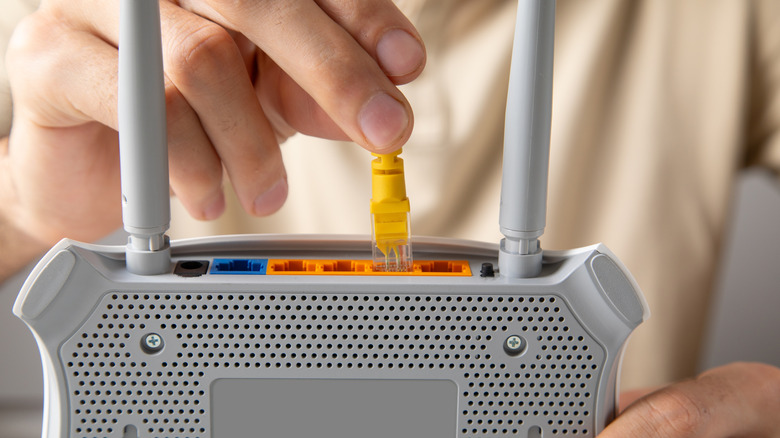
However, if your specific provider continues to charge a recurring fee, it is essential to conduct a personal audit of your needs. Consider the lifespan of your current service, the square footage of your living space, and the types of activities you perform online. If you are a casual user with a small footprint, an ISP-provided unit may be perfectly adequate. If you are a power user, a remote worker, or someone with a large home, the performance and customization afforded by personal hardware are likely worth the initial investment.
To determine the best path, estimate the costs of quality equipment. A functional modem for moderate speeds might be found for under $100, while more robust hardware designed for multi-gigabit speeds will command a higher price. When combined with a reliable router or a comprehensive mesh system, the total upfront cost can range from $200 to several hundred dollars. By dividing this investment by the monthly rental fee you would otherwise pay, you can quickly determine how long it will take to recover your costs. If you plan to remain at your current address and with your current provider for a period exceeding that break-even point—typically 18 to 24 months—purchasing your own equipment is almost always the superior strategy. By doing so, you avoid the endless cycle of rental fees, reclaim control over your home network’s security and performance, and ensure that your technology is working for you, rather than for your service provider.