









For the modern gamer, the ability to sit back, relax, and play a game without being physically tethered to a console by a tangle of plastic-coated wire is a fundamental expectation. We take for granted the seamless, low-latency performance of today’s Bluetooth-enabled gamepads, which allow us to roam our living rooms, snack without restriction, and enjoy multiplayer sessions without a chaotic web of cables crossing the floor. However, this level of convenience was not an overnight innovation. It is the result of decades of engineering, experimentation, and trial and error, a journey that began long before the current era of high-fidelity gaming.
While many might associate the rise of wireless technology with the transition into the high-definition era of the PlayStation 3 and Xbox 360, the quest to cut the cord dates back much further. In fact, the story of the wireless controller is a fascinating window into the evolution of gaming hardware itself, moving from bulky, battery-hungry curiosities of the early 1980s to the sleek, haptic-feedback-rich peripherals we rely on today.
When Did Controllers First Become Wireless?
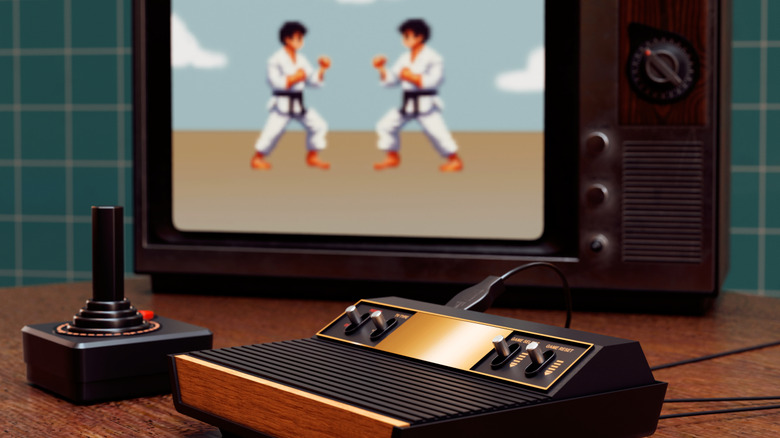
To understand just how deep the roots of this technology go, one must look back to the early 1980s. For those who grew up in the current console generation, it may come as a surprise that the first wireless gaming controller is actually older than many of the industry’s veteran developers. That distinction largely belongs to the Cynex Game Mate 2, a peripheral released around 1982 designed for the Atari 2600.

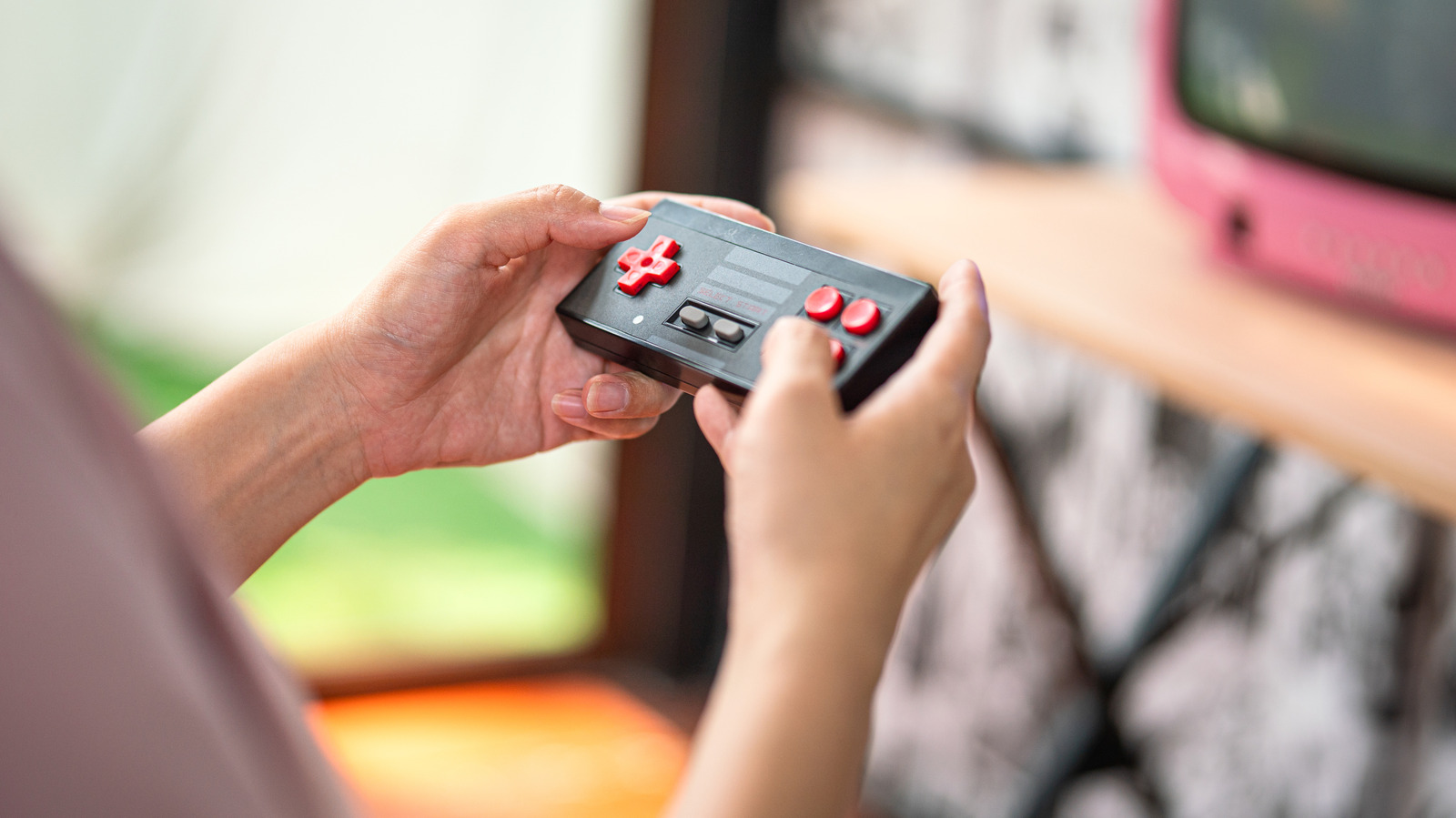
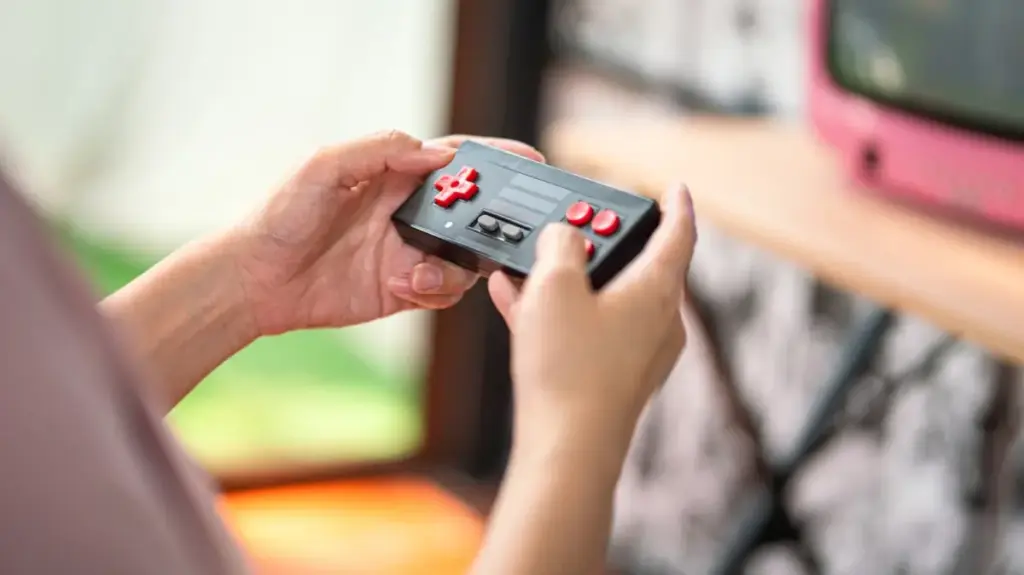
In an era defined by the limitations of early home computing and console hardware, the Game Mate 2 represented a bold, genre-defying leap forward. Unlike the later infrared (IR) controllers that would emerge toward the end of that decade—which often required a direct line of sight between the controller and the console to function—the Game Mate 2 utilized radio frequency (RF) technology. By embracing RF signals, this pioneering device offered gamers a level of freedom that its successors would struggle to match for years.
The primary advantage of the RF approach was its reliability. Early infrared pads were notoriously finicky; if a player shifted their position, blocked the sensor with a cushion, or walked in front of the television, the connection would often drop entirely. The Game Mate 2, however, was not bound by these rigid spatial restrictions. It reportedly boasted a signal range of up to 20 feet, allowing for a much more natural gaming experience.
Yet, as is often the case with "first-generation" technology, the Game Mate 2 was far from perfect. It was a bulky, heavy piece of equipment, effectively functioning as a standard Atari 2600 controller grafted onto a large, power-hungry base. Because of its reliance on power-intensive electronics and primitive battery management, it drained 9V batteries with alarming speed. It was a prototype of a dream rather than a polished product, yet it set the stage for what was possible. Its potential was recognized early on, leading Atari to take over distribution just a year after its launch, rebranding the device as the "CX42 Remote Control Wireless Joystick." While the name was perhaps less than inspired, the concept proved that the future of gaming would eventually be wireless.
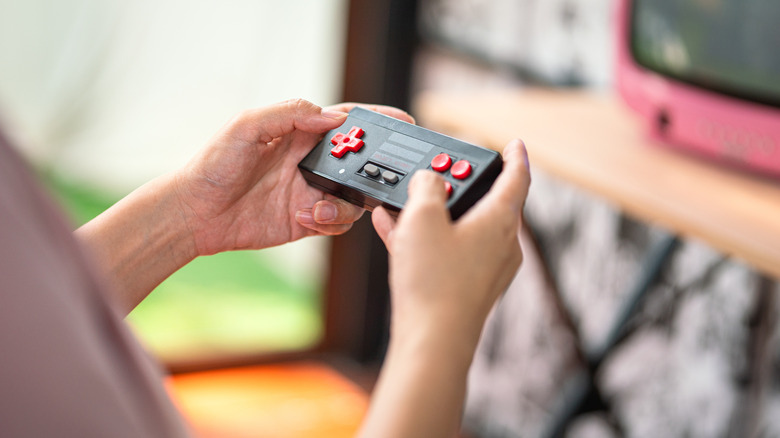
The First Mainstream Success: The WaveBird
Throughout the 1980s and 1990s, various third-party companies attempted to capitalize on the desire for wireless play. However, these attempts were often plagued by latency issues, poor build quality, or a requirement for proprietary, often unreliable receivers. It wasn’t until the early 2000s that the industry saw a wireless controller that could truly be considered a mainstream success—a device that did not force the user to make significant sacrifices in performance or comfort.
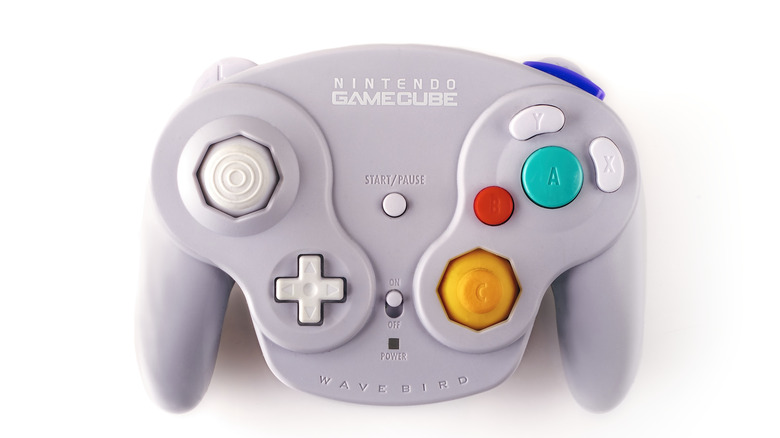
That device was the Nintendo GameCube’s "WaveBird," which arrived in 2002. The GameCube itself is remembered for many eccentricities, including its use of compact, proprietary mini-discs, but the WaveBird remains one of the console’s most enduring legacies. For many gamers, the arrival of the WaveBird was a revelation. It was a large, sturdy, and reliable gamepad that managed to strip away the compromises that had defined its predecessors.
Unlike the experimental peripherals of the past, the WaveBird utilized 2.4GHz radio frequency technology. This provided a stable, consistent connection that allowed for a minimum of 20 feet of range, effectively untethering the player from the console. The setup process was tactile and intuitive, involving a matching system where players had to align channel sliders on both the controller and the receiver plugged into the GameCube.
The WaveBird was undeniably a "brute" in terms of its physical design. It added significant girth to the standard GameCube controller, which already had a unique shape, and it required a somewhat chunky receiver. Furthermore, in order to maximize battery life, Nintendo made the decision to omit rumble support, a feature that was becoming standard at the time. Despite the added weight and the lack of haptic feedback, the trade-off was worth it. With the ability to run for up to 100 hours on a pair of AA batteries, the WaveBird offered a level of reliability that made long, uninterrupted gaming sessions a reality. It proved to the industry that wireless controllers were not just a gimmick for enthusiasts, but a viable, high-quality standard that consumers were eager to adopt.
The Sony Transition: From Sixaxis to DualShock
Perhaps one of the most common misconceptions in gaming history is that Sony was the pioneer of wireless controllers. Given that the PlayStation brand has dominated the console market for decades, it is easy to assume they were at the forefront of this specific innovation. However, the truth is that Sony’s venture into wireless gaming did not occur until the transition into the seventh console generation with the PlayStation 3.
The debut of the PS3 brought with it the "Sixaxis" controller, a device that remains, in retrospect, one of the most controversial in the company’s history. Released in 2006, the Sixaxis was intended to be the sleek, modern successor to the iconic DualShock design. However, it arrived with a glaring omission: it lacked rumble functionality. At the time, Sony officials, including then-President of Sony Computer Entertainment Worldwide Studios Phil Harrison, defended the decision by suggesting that rumble was a "last-generation feature."
The industry and the player base were largely unconvinced. The Sixaxis was also heavily marketed for its integrated motion-control capabilities. While some launch titles, such as Resistance: Fall of Man, attempted to integrate these features, the technology was largely seen as half-baked. The most infamous example was the game Lair, which became a case study for the pitfalls of forced motion controls. Players were frustrated by the lack of physical feedback and the inconsistency of the movement sensors.
The backlash was swift and undeniable. Sony quickly recognized that the removal of rumble was a misstep that the market would not tolerate. By 2008, the company released the DualShock 3, which restored the beloved vibration functionality while retaining the wireless capabilities of the Sixaxis. It was a return to form that solidified the standard for modern gamepads, effectively bridging the gap between the experimental days of the early 2000s and the highly refined controllers of today.
Ultimately, the history of the wireless controller is a testament to the industry’s commitment to player comfort and immersion. From the clunky, battery-draining RF units of the Atari era to the sophisticated, multi-featured devices that now power our gaming experiences, the path to "unleashing" the player from the couch was a long and complex road. It serves as a reminder that the most essential features of our favorite hobbies often have humble, challenging beginnings, paved by engineers and designers who dared to imagine a world without wires.