











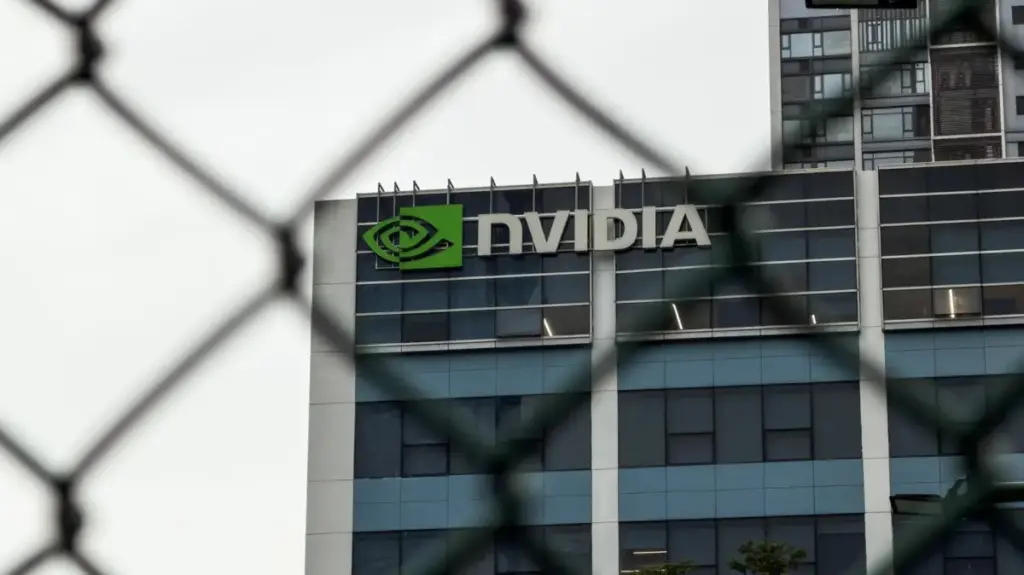
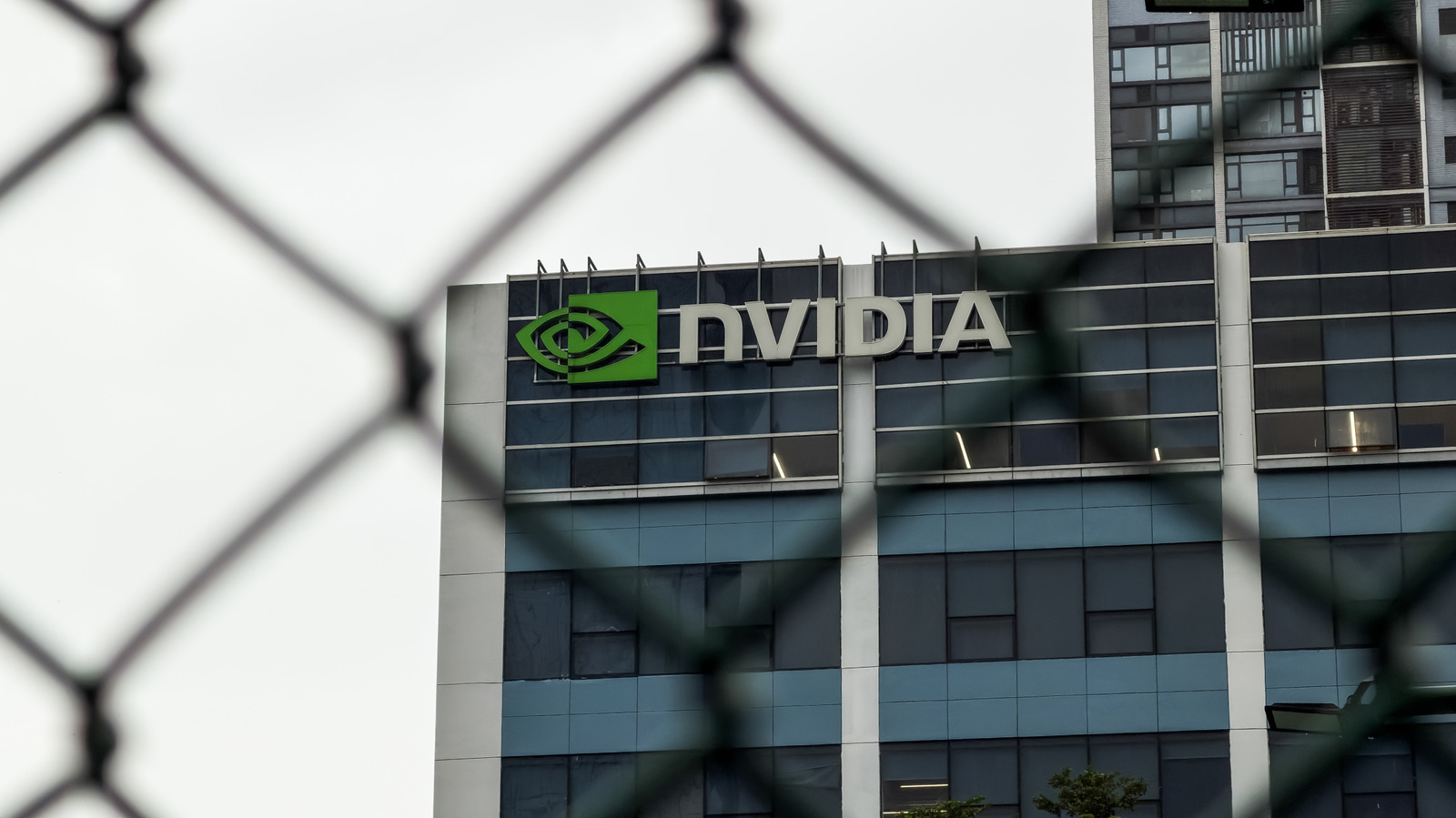
The global race for artificial intelligence supremacy has placed NVIDIA at the center of a complex geopolitical struggle, with the company now facing mounting pressure from US regulators and government officials over the illegal diversion of its high-end AI processors into China. While the semiconductor giant maintains that it strictly adheres to all federal export regulations, a string of high-profile arrests and emerging evidence of sophisticated smuggling rings have led critics to argue that the company’s due diligence efforts remain fundamentally insufficient.
The most recent development in this ongoing saga involves federal prosecutors filing charges against an individual accused of masterminding a clandestine operation to export restricted NVIDIA hardware to China. This latest arrest follows a series of investigative reports from Bloomberg, which highlight a growing friction between Washington’s restrictive trade policies and the reality of how these powerful AI chips are moving across international borders.
The illicit trade is fueled by the significant premium that restricted hardware commands within China. Because US export controls effectively choke off the supply of cutting-edge silicon to Chinese entities, a black market has flourished, incentivizing a sophisticated network of middlemen to reroute hardware through third-party countries. NVIDIA, for its part, has consistently emphasized its commitment to the rule of law. The company has repeatedly stated that it has never been accused of knowingly abetting smuggling operations and that it maintains rigorous internal protocols to ensure its products are sold only to legitimate, authorized buyers. However, industry observers and federal officials are increasingly questioning how these massive shipments manage to evade detection.

The Anatomy of an Illicit Supply Chain
The scale of these smuggling operations is perhaps best illustrated by a bizarre but effective tactic recently uncovered by authorities: the "hair dryer method." Surveillance footage released earlier this year provided a window into the lengths to which smugglers will go to bypass compliance checks. In one notable instance, individuals were observed using common hair dryers to heat and carefully peel serial number stickers off NVIDIA server boxes. These stickers were then transferred to dummy servers, effectively masking the true origin and capability of the equipment before it was shipped to its final destination in China.
This method was allegedly employed by entities linked to Super Micro. Federal investigators claim that conspirators—including notable figures such as Super Micro co-founder Yih-Shyan "Wally" Liaw—orchestrated the sale of approximately $2.5 billion worth of AI servers to a Bangkok-based firm known as OBON. The cover story provided to compliance officers was that OBON intended to build extensive AI infrastructure within Thailand. In reality, the servers were allegedly destined for end-users in China.
Critics point to the OBON deal as a prime example of the "red flags" that NVIDIA and its partners should have identified. Analysts note that the sheer volume of hardware purchased by a startup like OBON was vastly disproportionate to the actual technological infrastructure available in Thailand. At the time of the sale, Thailand’s domestic capacity for high-density, power-hungry AI data centers was limited to only a few hundred megawatts. Yet, the purchase required approximately 100 megawatts of dedicated data center space—a physical requirement that would have been impossible to meet in the local market without significant, high-profile construction projects.
NVIDIA has firmly pushed back against the suggestion that it should be held responsible for the business plans of its customers in neutral territories. A spokesperson for the company stated that a startup’s growth ambitions in a friendly nation represent a legitimate economic opportunity for the United States, rather than a cause for suspicion. The company argued that its servers are high-value, financeable assets that assist startups in securing the capital necessary to build out infrastructure. Furthermore, NVIDIA asserted that when the law is clear, it fulfills its obligations to the letter, regardless of the speculative criticisms leveled by those who might wish for a different set of trade policies.
A Growing Regional Discrepancy
The skepticism from government officials is bolstered by data suggesting a significant geographic mismatch between where NVIDIA chips are officially exported and where they are actually utilized. Former State Department AI policy head Daniel Remler has been particularly vocal regarding the surge in shipments to Southeast Asian nations like Thailand and Singapore. According to Remler, the volume of hardware flowing into the region appears to far exceed what could reasonably be absorbed by the local market, raising serious questions about whether these countries are acting as a transit hub for contraband silicon.
Industry analysis supports the suspicion that a substantial portion of this hardware is finding its way across the border into China. Bloomberg reports that developers in western China are currently constructing dozens of large-scale data centers capable of housing an estimated 115,000 restricted NVIDIA processors. US officials now believe that the total number of smuggled chips currently operating within China may well exceed this figure.
This intelligence adds urgency to the debate over export policy, particularly as Chinese domestic players like Huawei continue to advance their own semiconductor development. NVIDIA has suggested that as Chinese hardware improves, the incentive to smuggle American-made chips may naturally decline. However, for many in Washington, the focus remains on the immediate enforcement of existing restrictions and the accountability of the manufacturers who supply the global market.
Political Friction and the Question of Accountability
The tension surrounding NVIDIA’s export compliance has also spilled over into the halls of Congress. While there is a consensus on the need to protect national security, support for further tightening export rules has been somewhat tepid among lawmakers. A notable exception is Senator Elizabeth Warren, who has taken a hardline stance on the issue.
The relationship between the company and its regulators reached a boiling point recently when NVIDIA CEO Jensen Huang declined an invitation to testify before a Senate committee regarding the company’s export practices. Senator Warren was quick to highlight what she characterized as a disregard for congressional oversight. Pointing to Huang’s active participation in high-level social and political events—including a $1 million-a-head dinner at Mar-a-Lago and high-profile meetings with Chinese leadership—Warren argued that if the CEO has the time to navigate global diplomacy, he should be able to make the time to answer questions from the legislative branch.
The conflict reflects a broader struggle to define the responsibilities of private corporations in the era of strategic technological competition. For NVIDIA, the goal is to navigate a narrow path: maximizing its global business interests and satisfying shareholders while strictly adhering to a complex and often shifting landscape of US export controls. For the government, the objective is to prevent the most advanced computing power in the world from falling into the hands of a strategic competitor, even as the global supply chain proves increasingly porous.
As federal authorities continue to pursue those involved in the smuggling networks, the pressure on NVIDIA to bolster its compliance and due diligence programs is unlikely to subside. The company continues to lobby the US government for flexibility, successfully securing approval last year under the Trump administration to sell its previous-generation Hopper H200 accelerators to select, approved customers in China. This move was intended to balance commercial interests with national security concerns, yet as the recent arrests demonstrate, the black market for the company’s most advanced hardware remains a persistent and growing challenge for both the tech giant and federal law enforcement.