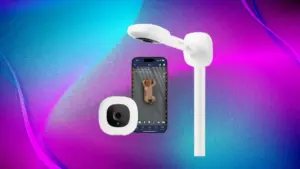
Apple has officially unveiled its latest wave of smart home hardware, headlined by the new HomeView smart display, a fourth-generation Apple TV 4K, and the HomePod Mini 2. The primary selling point driving consumers toward these new product releases is their built-in processing power, which is specifically engineered to support Siri AI—the flagship artificial intelligence upgrade anchoring Apple’s broader product ecosystem.
However, before consumers rush to secure preorders, a careful look around the living room or kitchen might reveal a straightforward way to save money. If your home is already outfitted with recent hardware, such as a third-generation Apple TV 4K, you may not need to open your wallet just yet. Apple has confirmed that some of the very devices being replaced will still receive the upcoming Siri AI capabilities through software updates later this year.
OK, let’s do Apple TV 4K one last time
The most expensive hardware update in the new lineup is the fourth-generation Apple TV 4K. Priced at $300, this latest set-top box shares the same name, physical design, resolution capabilities, and most core features of the third-generation model released back in 2022. For this premium price tag, buyers are investing in a faster A19 processor, internal microphones designed to capture direct Siri commands and queries, 128GB of internal storage, and a dedicated Ethernet port as part of its sole configuration option.


The package also introduces a revamped Siri Remote. While it looks and acts nearly identical to its predecessor, it features precision-finding capabilities and an integrated chime that can be activated using the Find My app, helping users locate the remote when it slips between couch cushions or hides beneath furniture.
Despite the inclusion of built-in microphones and a speedier chip in the new model, Apple noted in the fine print of its product launch announcements that second- and third-generation Apple TV 4K models will also gain access to Siri AI when the feature rolls out later this year. According to software release notes, the feature is currently rolling out in the tvOS 27.2 beta. Initially, the functionality will support English in select regions, including the United States, Australia, Canada, India, New Zealand, Singapore, South Africa, and the United Kingdom.
For those who want the updated hardware features without buying an entirely new set-top box, the new Siri Remote is also being sold separately for $59. Shipping in mid-November, the standalone remote is fully compatible with existing Apple TV 4K models as well as the older Apple TV HD.
HomePod Minis aren’t quite as lucky
The announcement of Apple’s audio ecosystem updates raises immediate practical questions about how older and newer hardware will function side by side. For instance, in a household utilizing a mix of first- and second-generation HomePod Minis, issuing a standard voice command might prompt responses from both the advanced Siri AI and what Apple is now categorizing as Siri Classic.

It remains unlikely that consumers will broadly replace their existing fleets of original HomePod Minis unless they are prepared to invest heavily in Apple’s envisioned home theater setup. Building out a comprehensive surround-sound environment using four miniature speakers alongside a fourth-generation Apple TV 4K would carry a steep price tag of roughly $900. Consumers will ultimately need to weigh whether this multi-speaker configuration justifies the cost compared to traditional, high-end soundbar systems.
Furthermore, users of older HomePod Minis will not receive the most advanced Siri AI capabilities. Because the new HomePod Mini 2 is built around a faster S10 processor specifically chosen to handle intensive AI tasks, those sophisticated computing features will not scale backward to legacy HomePods.
At the same time, the lack of backward compatibility for Siri AI does not mean older hardware becomes obsolete or incompatible within a shared space. Basic Siri commands will continue to function across mixed generations of HomePod Minis. However, the exact performance dynamics of mixing devices with vastly different internal processing capabilities remain to be tested in real-world household environments.
The iPad in the kitchen
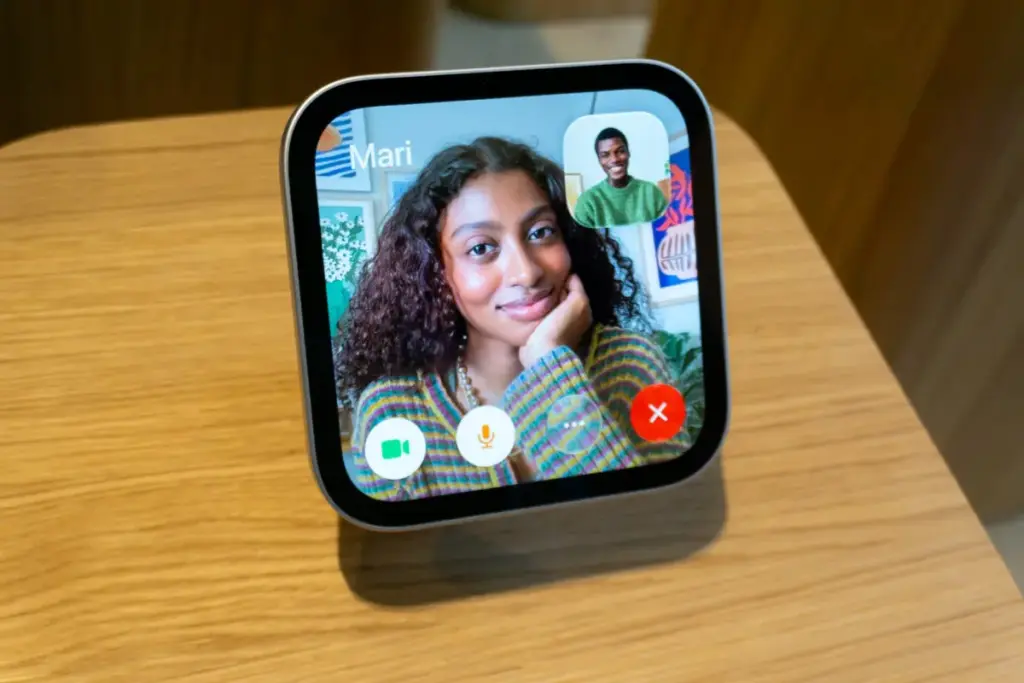
Apple’s newly introduced HomeView represents the company’s first dedicated smart home device featuring an integrated screen. While its physical aesthetic diverges from the retro-futuristic, iMac G4-inspired look some enthusiasts anticipated, its capacity to securely recognize and interact with multiple family members offers a compelling addition to shared spaces. Siri AI serves as a central pillar for this device, making it a natural fit for high-traffic areas like the kitchen.

For years, many households have relied on an iPad or iPad Mini resting on an inexpensive countertop stand to fulfill kitchen assistant duties—managing timers, pulling up recipes, and handling FaceTime calls. The new HomeView aims to formalize that role, though it will likely displace those makeshift tablet setups.
Importantly, existing iPad owners do not necessarily need a HomeView to access these capabilities. Later this year, Siri AI support will expand to compatible tablets, including iPad Pro and iPad Air models powered by the M1 chip or later, as well as the iPad Mini equipped with the A17 Pro chip. Unlike stationary smart home hubs, these tablets retain the advantage of running without a permanent power tether.
The Apple devices connecting them all
Because advanced Siri AI features demand significant processing power, questions naturally arise about how older smart home hardware will keep pace. The solution relies heavily on proximity and ecosystem integration. To unlock advanced AI features on stationary home devices, users typically must have a compatible iPhone or iPad nearby. This requirement encompasses the iPhone 15 Pro and subsequent smartphone models, alongside the previously mentioned high-end iPads.
In fact, the HomeView’s standout ability to seamlessly switch between up to six individual household members and deliver personalized information depends entirely on each person carrying an Apple Intelligence-supported device. These personal devices must be actively paired to the HomeView, connected to the same local Wi-Fi network, and recently unlocked. For many families, fully utilizing the smart display’s personalization features may require simultaneous upgrades to current-generation iPhones.

Will you really be able to get the new Siri AI features without buying new hardware?
By extending Siri AI support to select previous-generation hardware, Apple has avoided rendering its existing Apple TV 4K and HomePod Mini lineups entirely obsolete. For consumers interested in faster gaming performance on their television or those looking to expand their audio footprint by moving older speakers to secondary rooms, upgrading remains a logical choice.
Ultimately, Apple’s strategy appears to target a long-term vision. The company is actively courting consumers eager to dive fully into its interconnected ecosystem—particularly through its renewed push into the smart home via the Home Collection—while also appealing to newcomers who have the financial flexibility to build out a complete smart home infrastructure from scratch.
However, for households already equipped with a collection of recent Apple devices, the wisest approach may simply be to wait. By holding off on immediate preorders, consumers can evaluate how Siri AI performs on their existing hardware before committing funds to a hardware refresh.