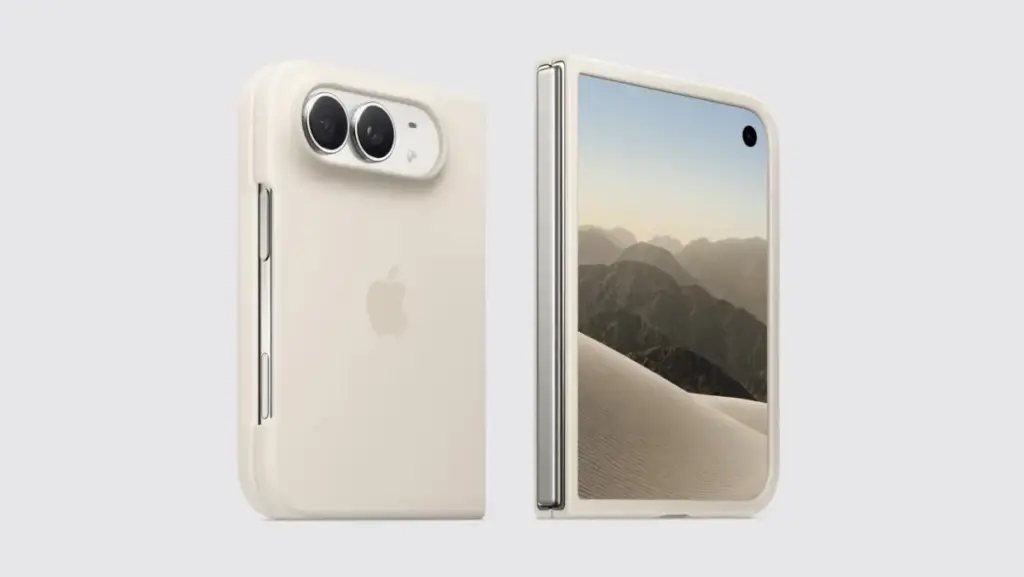
As the highly anticipated launch of the iPhone Duo draws near—now just one week away—early adopters have begun securing their hardware, and with that comes the arrival of Apple’s official accessory lineup in retail channels. While the initial wave of orders has brought excitement to those preparing for the device’s debut, a particular design choice regarding Apple’s official silicone case has sparked a conversation among early users. The case, priced at $79, features a specific installation requirement that differentiates it from the traditional snap-on covers that have defined the iPhone experience for over a decade: it relies on adhesive strips to maintain a secure hold on the handset.
For years, the Apple ecosystem has been synonymous with seamless, frictionless accessory integration. From the magnetic snap of MagSafe to the simple, satisfying click of a rigid silicone or leather shell, the expectation has been that an official case should be as easy to remove as it is to apply. However, the unique form factor of the new iPhone Duo appears to have necessitated a departure from this established norm. Reports from users who have already received their silicone cases reveal that the interior of the cover includes peel-away protective films that expose adhesive strips. These strips are essential to ensuring that the case remains firmly attached to the device’s chassis.
The reliance on adhesive rather than a purely friction-fit or magnetic system is not necessarily a design failure, but rather a functional adaptation to the mechanics of foldable or specialized hardware. In the broader mobile market, foldable devices—which often have thinner profiles or unique hinge mechanisms—frequently utilize adhesive-backed cases to ensure that the two halves of the device remain covered without the bulk of heavy-duty clips. By opting for a low-tack adhesive, Apple is ensuring that the case stays flush against the device’s surface, preventing the "gapping" that can occur with thinner materials on more complex hardware designs.

However, this design choice brings with it a significant trade-off in user flexibility. Traditional iPhone cases are designed to be swapped out on a whim; a user might switch from a silicone case for a workout to a leather folio for a business meeting, or simply remove the case to enjoy the naked aesthetic of the phone. With the iPhone Duo’s silicone case, this level of spontaneity is effectively eliminated. Once the adhesive has been exposed and the case applied, removing it repeatedly will inevitably degrade the stickiness of the strips. Over time, the bond will weaken, leaving the user with a case that may slide, shift, or fall off entirely.
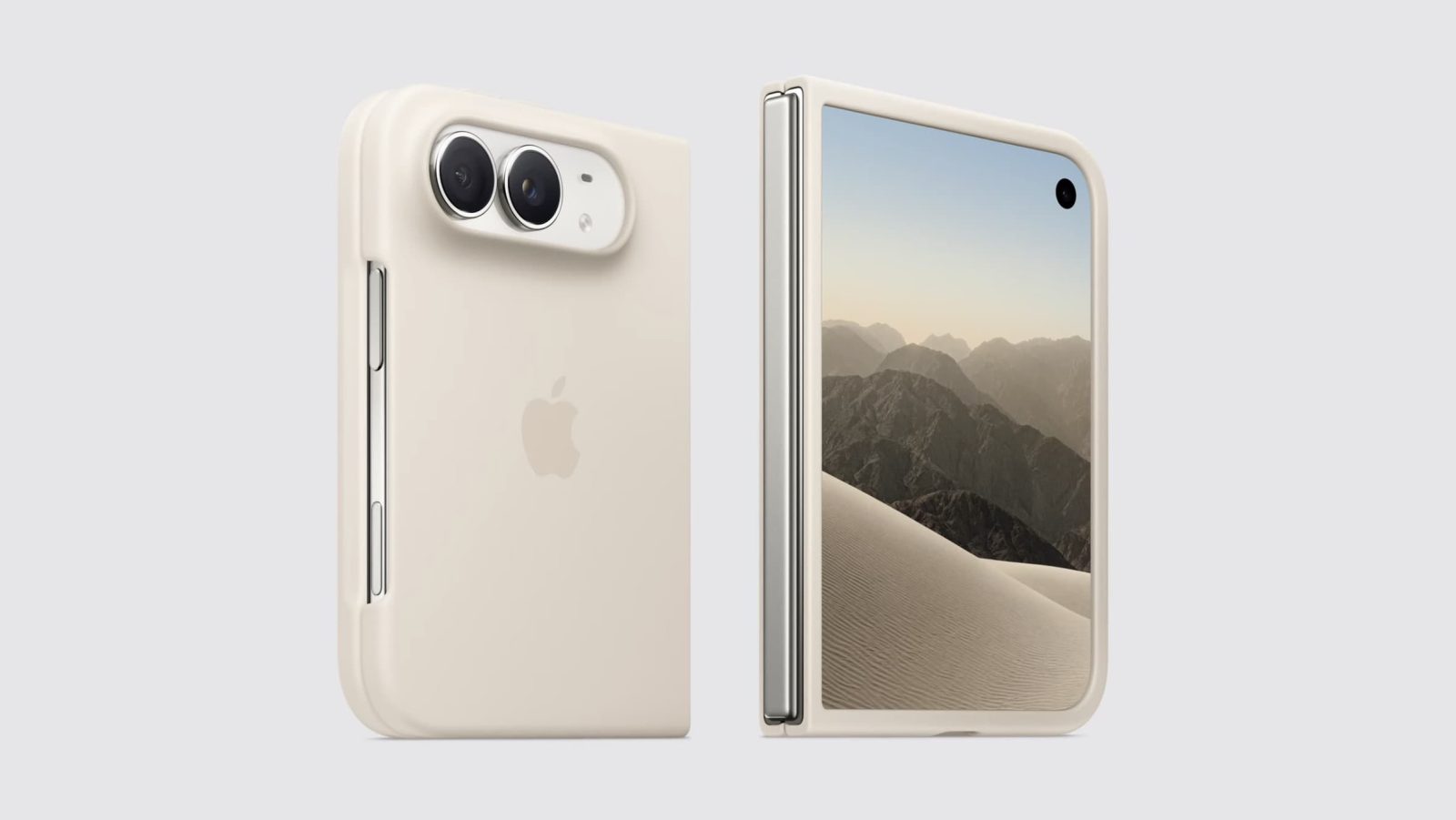
This realization has prompted some early buyers to reconsider their accessory strategy. If you are the type of user who prefers to go "naked" at home and only uses a case when commuting or traveling, the official silicone case for the iPhone Duo may not be the optimal solution. The adhesive-based installation is clearly intended for a "set it and forget it" approach, where the case remains on the device for the duration of its lifespan or until the adhesive loses its efficacy. While this ensures a secure fit that protects the chassis from scratches and minor impacts, it forces a commitment that many Apple customers are not accustomed to making.
It is worth noting that Apple has also introduced a more premium $129 folio case for the iPhone Duo. Early impressions suggest that this folio option offers a more refined experience, complete with an integrated kickstand that adds significant utility to the device’s display. Unlike the silicone version, the folio design is often engineered with a more robust mounting structure that accounts for the device’s weight and size, making it a potentially more attractive alternative for those who find the adhesive requirement of the silicone model to be a deal-breaker. The higher price point of the folio reflects not only the additional material costs associated with a leather-like wrap and a folding mechanism but also the perceived value of a more durable, non-adhesive mounting solution.
For those who are disappointed by the limitations of the official silicone offering, the broader third-party market is already stepping in to provide alternatives. Manufacturers like Spigen and ESR have a long history of filling the gaps in Apple’s accessory ecosystem, and the iPhone Duo is no exception. Spigen’s Ultra Hybrid Pro and the ESR Classic Hybrid with a kickstand are currently being highlighted as viable contenders. These third-party options often utilize different engineering approaches to achieve a secure fit without the need for permanent adhesive, potentially offering a better balance between protection and the ability to easily remove the case for cleaning or aesthetic changes.
The decision by Apple to move toward an adhesive-based case for the iPhone Duo serves as a reminder of how evolving hardware designs necessitate changes in peripheral ecosystems. As smartphones move away from the standardized "slate" form factor that has dominated the industry for nearly two decades, the accessories that accompany them must also evolve. While the adhesive requirement is an inconvenience for users who value ease of removal, it is a reflection of the engineering requirements for a device that likely possesses a more complex exterior surface area.

Prospective buyers should weigh their habits carefully before settling on their first purchase. If you value the ability to change your case color or style frequently, or if you prefer to occasionally hold your phone without any case at all, the $79 silicone case may prove frustrating. Conversely, if you are looking for a slim, form-fitting solution that prioritizes a seamless aesthetic and are willing to commit to keeping that case on the device for the long term, the silicone model will likely perform exactly as intended.
As the launch date approaches and more units enter the hands of the public, it is likely that we will see further community testing regarding how many times these cases can be removed and reapplied before the adhesive fails. For now, the takeaway is clear: the era of the universal, effortless snap-on case is shifting for specialized devices like the iPhone Duo. Apple’s transition to adhesive-backed protection highlights the growing pains of new form factors, and it serves as an important note for consumers to check the installation requirements of their accessories before finalizing their checkout.
Whether this becomes a standard trend for all future Apple devices or remains a niche requirement for the iPhone Duo series remains to be seen. What is certain, however, is that the accessory market is as vibrant as ever, providing users with a variety of choices to manage the unique demands of their hardware. As always, the best advice for early adopters is to research the specific mechanical requirements of their chosen cases—whether they be official Apple products or third-party alternatives—to ensure that their protection strategy aligns with their daily usage patterns.