










For years, the multi-device user—the professional juggling a handset for work and another for personal use, or the enthusiast who enjoys the latest flagship alongside a more portable model—has faced a consistent technological hurdle: the fragmentation of the digital identity. Keeping two iPhones in sync has traditionally required a patchwork of iCloud settings, call forwarding, and separate carrier plans. However, with the rollout of iOS 27, Apple has introduced a significant shift in mobile connectivity: iPhone Handoff.
First teased during the WWDC keynote and later detailed during the company’s "Surprise and Shine" event on September 9, this new feature fundamentally changes how users interact with their mobile hardware. By allowing a single mobile number to exist and function simultaneously across two distinct iPhones, Apple is effectively removing the barrier between devices. For the subset of users who regularly toggle between two iPhones, this development represents one of the most practical and invisible quality-of-life improvements in recent memory.
The Mechanics of Seamless Integration
At its core, iPhone Handoff is designed to be an almost subconscious experience. Once the feature is configured, the user no longer needs to worry about which device is currently "active" in the eyes of their carrier or their contacts. The transition is triggered by the simple act of unlocking the device you intend to use. As soon as you pick up your secondary or primary iPhone and authenticate your identity, the system recognizes the device as the active endpoint for your cellular service.

This synchronization extends far beyond simple voice calls. Users can send and receive iMessages, manage SMS threads, and leverage iCloud-connected services across both devices with total continuity. Furthermore, the feature handles payment cards stored in the Apple Wallet, ensuring that your digital payment methods are available regardless of which handset is in your hand. This level of parity creates an ecosystem where the phone is no longer the primary identity anchor; rather, your Apple Account and your carrier subscription become the unified thread that follows you from device to device.
However, the technology is not without its boundaries. Because this feature relies on deep integration with carrier network protocols, its utility is currently restricted to providers that have explicitly enabled support for the Handoff architecture. Additionally, while the phones themselves become mirrors of one another, the feature does not extend to the Apple Watch. A paired wearable will remain tethered to its original host, meaning users who rely on their watch for cellular connectivity may still find themselves needing to manage device pairing manually. Similarly, while standard credit and debit cards sync perfectly, specialized Wallet items—such as secure digital IDs, government-issued passes, or certain event tickets—may remain restricted to a single device for security and regulatory reasons.
Configuring Your Dual-Device Environment
Setting up iPhone Handoff requires a specific set of prerequisites to ensure that the synchronization remains secure and reliable. Both devices must be running iOS 27 or later, which serves as the foundational software architecture for the feature. Beyond the operating system, the devices must be connected to the same Wi-Fi network during the initial handshake and, crucially, must be signed into the same Apple Account for iCloud, FaceTime, and iMessage services.
The system relies on a hierarchy where one device is designated as the primary handset. This primary device retains the main eSIM and manages the bulk of the carrier-level configurations. While the secondary device also utilizes its own eSIM, the primary phone acts as the anchor for the service. It is a sophisticated background process that essentially allows the carrier to route traffic to two unique device identifiers under the same subscriber profile.
The rollout of this service is currently in its nascent stages, and as such, availability is limited. In the United States, T-Mobile has emerged as the launch partner, offering the service for a monthly surcharge of $5. Internationally, Telekom in Germany has also confirmed its support. While industry analysts expect this list to grow as carriers update their infrastructure to support Apple’s new standards, users should verify their specific carrier’s compatibility before attempting to initiate the setup.
It is also important for users to understand the permanency of the configuration. This is not a "toggle-off" feature that can be managed entirely within the iPhone’s Settings app. Because the Handoff feature is provisioned at the carrier level, if a user decides they no longer wish to use the service, they must contact their carrier directly to have the Handoff provisioning removed from their account. Furthermore, when the time comes to upgrade or replace one of the handsets, users must follow standard eSIM transfer procedures to ensure that the Handoff link remains intact on the new hardware.
Use Cases and the Future of Mobile Flexibility
The utility of iPhone Handoff becomes most apparent when examining the varied ways modern users interact with technology. For the average consumer, this might seem like a niche offering, but for those who manage complex digital lives, it solves a long-standing frustration. Many professionals, for instance, have long struggled with the dichotomy of needing a powerful, large-screen device for work-related tasks while preferring a smaller, more portable device for travel or evening use.
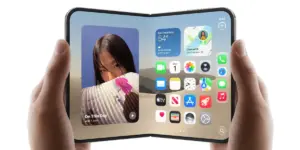
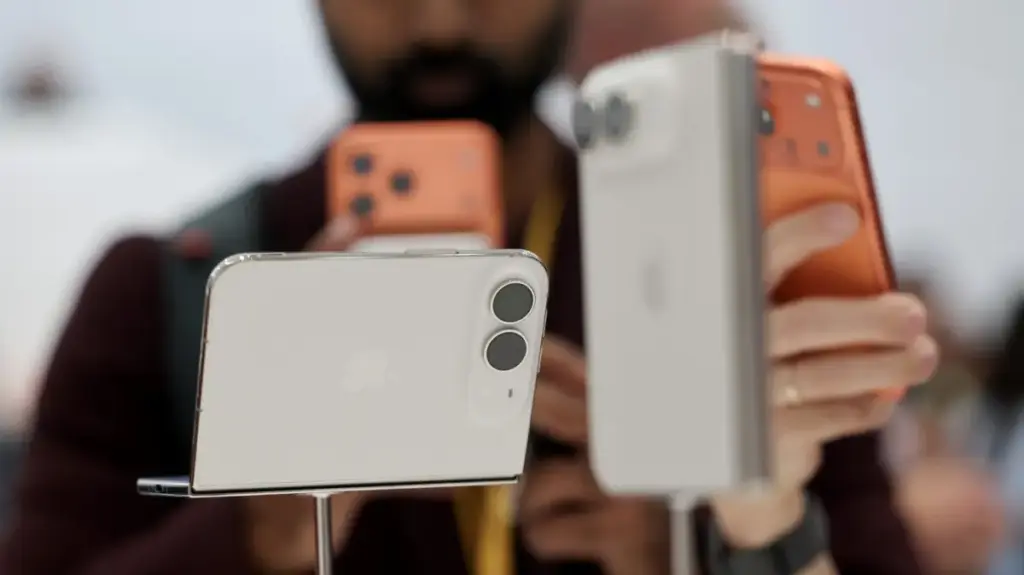
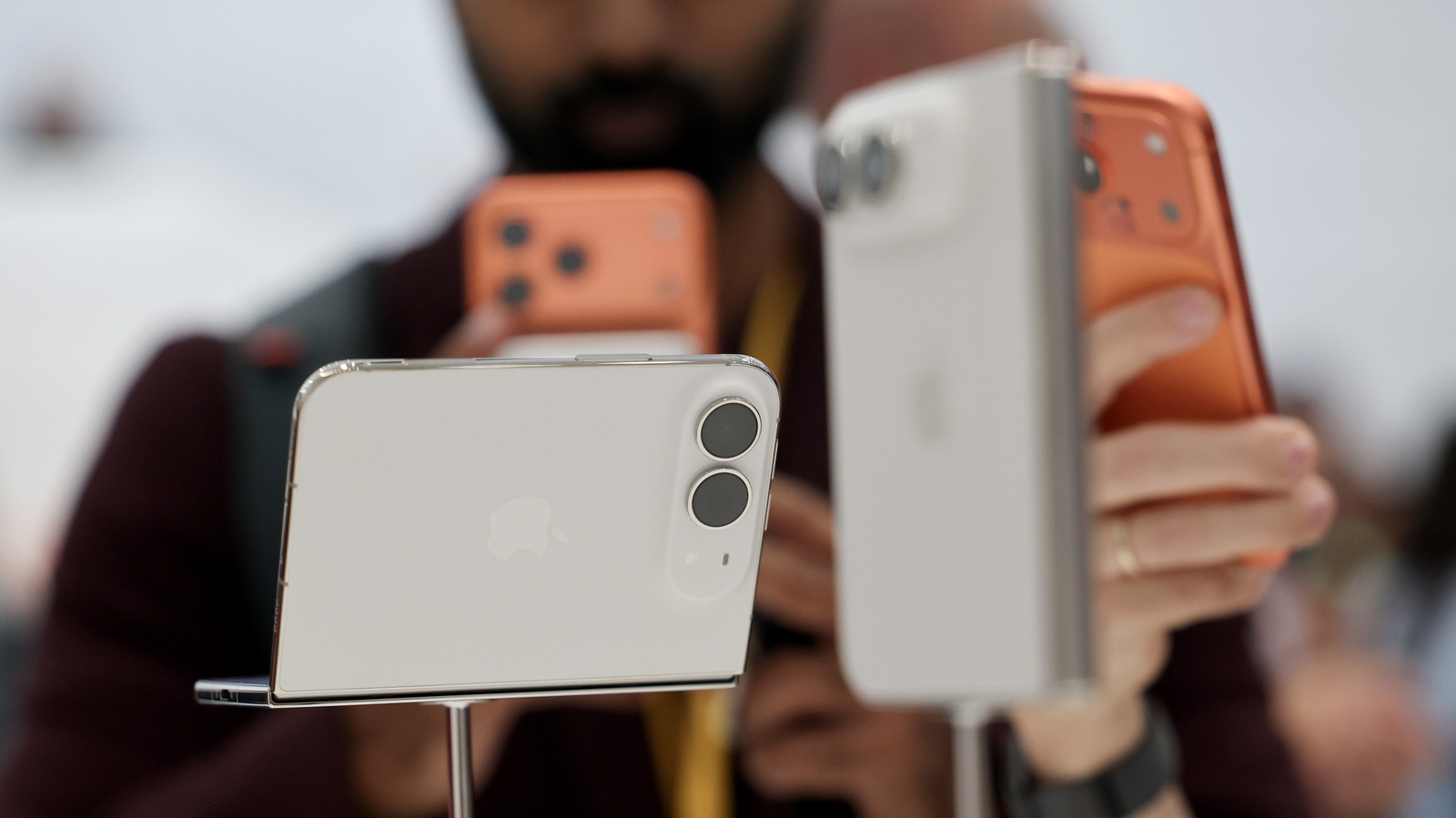
Before Handoff, such a workflow required constant manual oversight, potential missed messages, and the annoyance of carrying two separate SIM cards or paying for redundant data plans. With this update, the user can utilize a high-performance device like the iPhone Duo for intensive work and then seamlessly switch to a secondary, more pocketable iPhone for a night out, all without losing access to their primary mobile number.
The feature also simplifies the transition period when migrating to a new phone. Instead of the frantic, all-at-once data transfer that often accompanies a new purchase, users can now operate both devices in tandem for as long as they choose, gradually moving their habits and applications to the newer model without the immediate pressure of deactivating the old one. This creates a bridge between hardware generations that feels far more natural than the traditional "wipe and restore" method.
As we look toward the future, the introduction of iPhone Handoff signals a shift in how Apple perceives the device. For years, the iPhone was the singular center of the user’s mobile life. By enabling this level of cross-device fluidity, Apple is suggesting that the user’s identity should be decoupled from a specific piece of hardware. Whether this leads to a broader adoption of multi-device ownership remains to be seen, but for now, the feature provides a seamless, sophisticated solution for those who have long awaited the ability to own two phones without the weight of two separate lives. As with many Apple features, the magic lies in its simplicity—a small notification in the Dynamic Island is the only indication that the transition has occurred, leaving the user to focus on their day rather than their settings.