Addressing this widespread architectural headache, platform engineering teams at modern tech organizations like Vercel, Netlify, and Shopify have popularized a vastly superior pattern: automated, isolated ephemeral environments dedicated to every single pull request. Under this modern paradigm, opening a pull request automatically triggers the deployment of a fresh, dedicated copy of the application. Subsequent commits update the environment in real time, and merging or closing the pull request instantly tears the entire infrastructure down. This approach eliminates resource queues, scheduling conflicts, and environment drift, offering reviewers an immediate, working URL directly within the pull request thread.
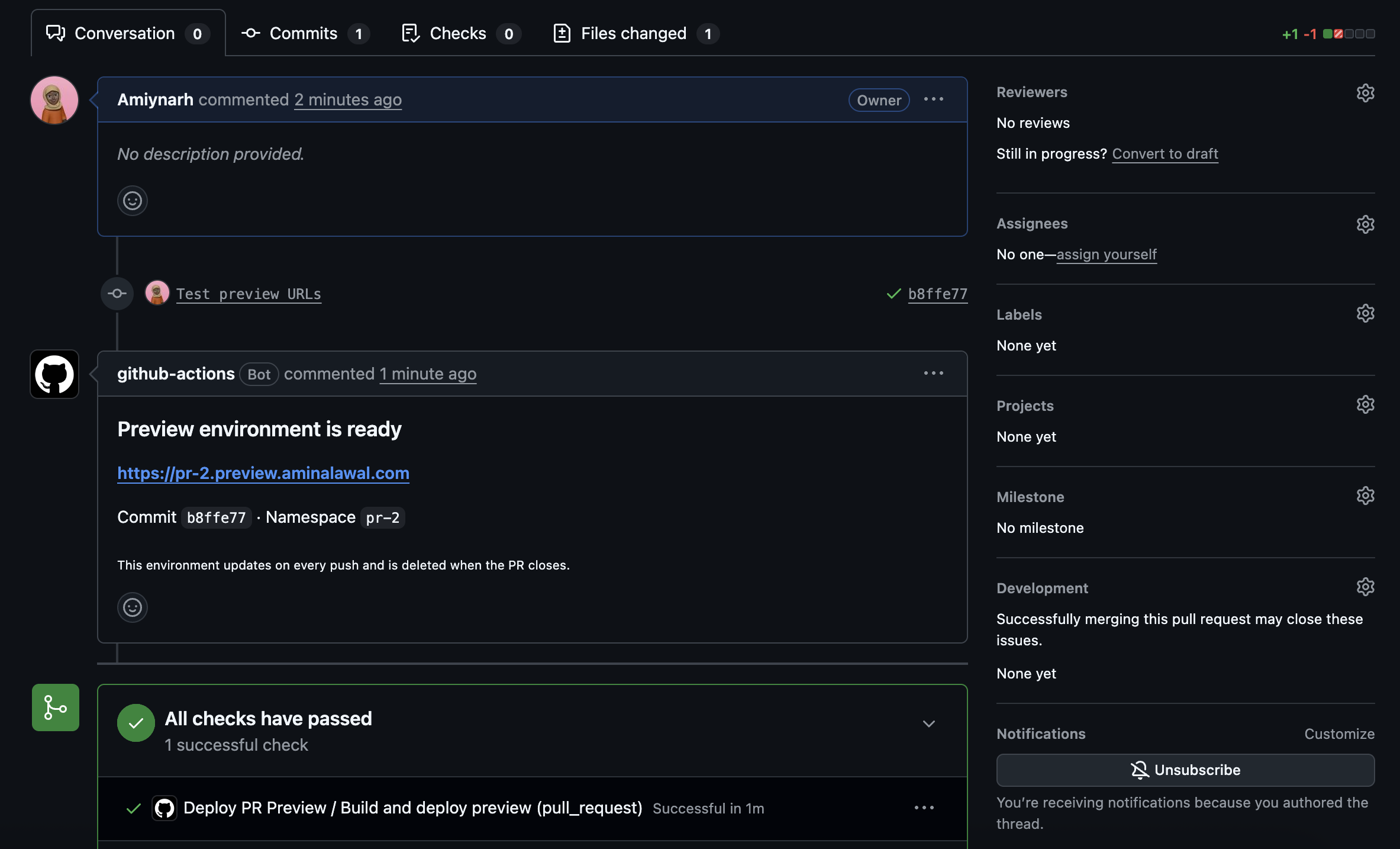
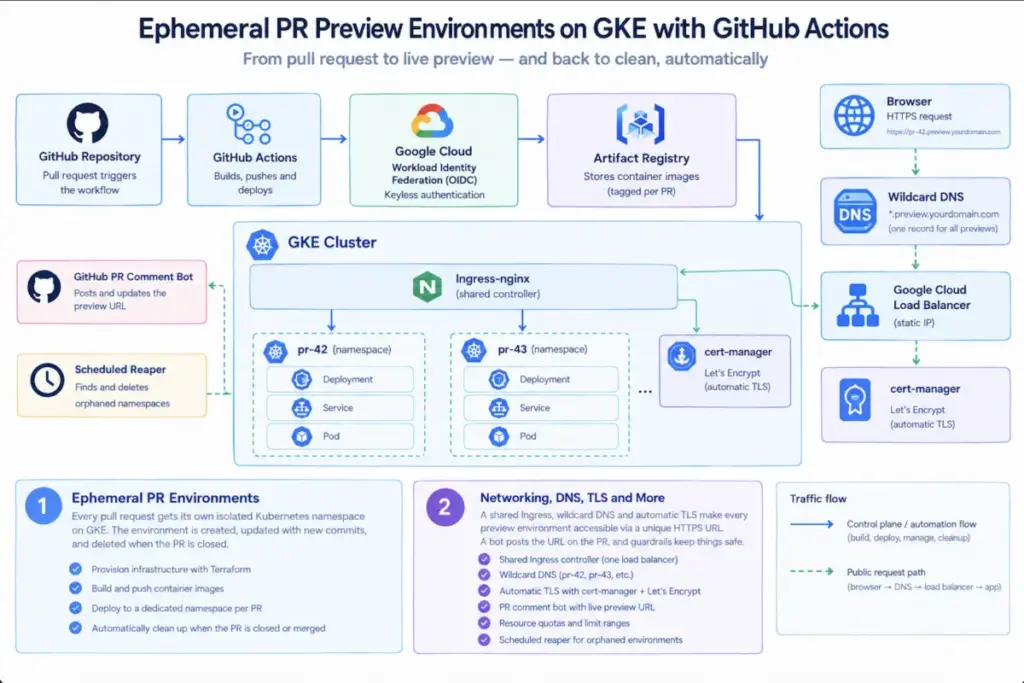
Building such a system requires careful architectural orchestration, typically leveraging cloud-native tooling such as Google Kubernetes Engine (GKE), GitHub Actions, Artifact Registry, NGINX Ingress, and cert-manager. The underlying design relies on automation paths driven by Workload Identity Federation, allowing GitHub Actions to securely authenticate to Google Cloud without storing long-lived, high-risk JSON service account keys. When a developer pushes code, the CI pipeline builds a container image tagged specifically for that pull request, pushing it to an artifact repository and deploying it into an isolated Kubernetes namespace, such as pr-42 or pr-43.
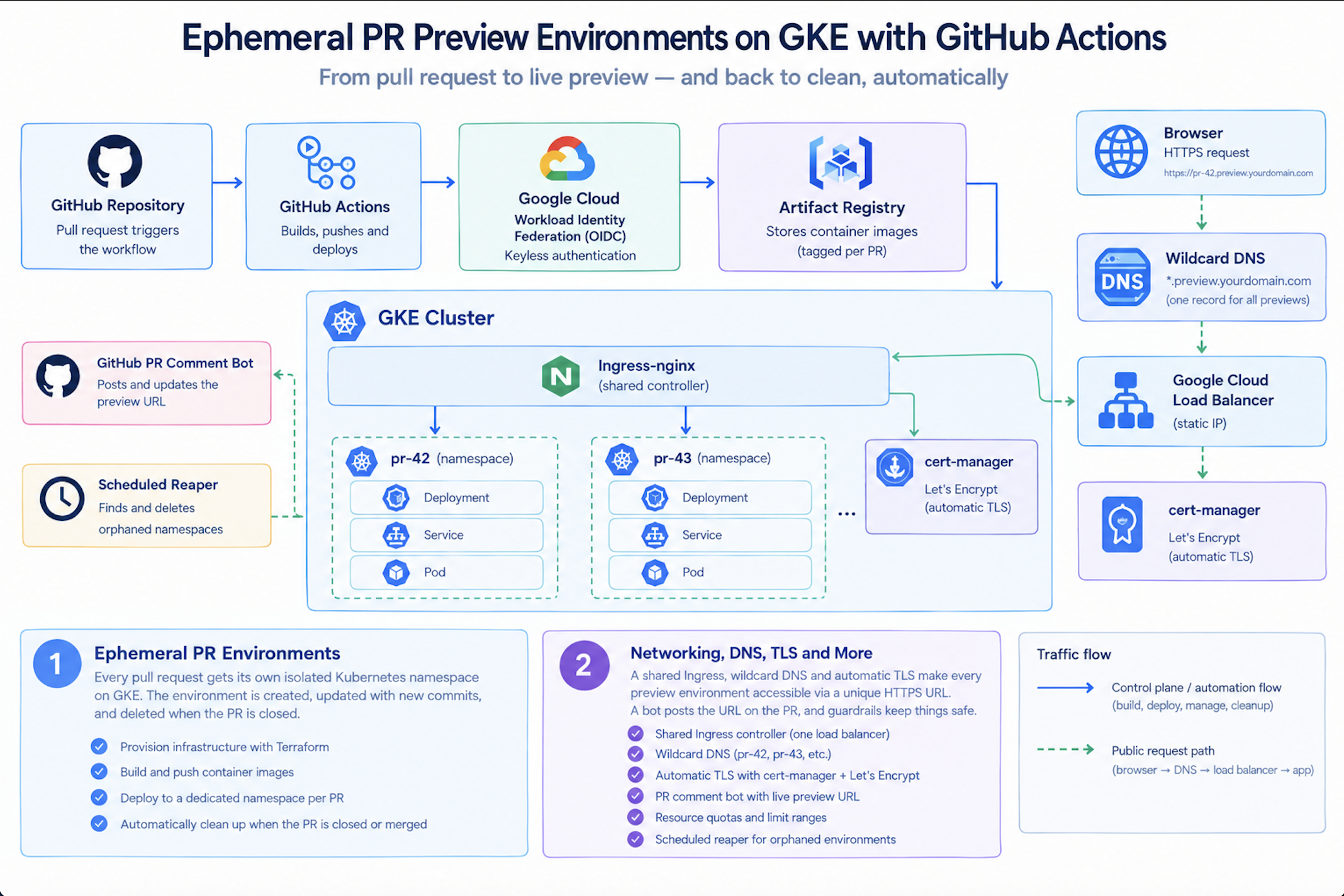
Simultaneously, public traffic handling is streamlined through a remarkably efficient model that avoids resource bloat. Rather than provisioning a costly separate load balancer and public IP address for every open pull request, the architecture utilizes a single wildcard DNS record pointing to a static IP address. This single address routes traffic to a shared Google Cloud load balancer, which hands off requests to an NGINX Ingress controller. By inspecting the incoming Host header, the Ingress controller intelligently directs traffic to the correct pull request namespace. Concurrently, cert-manager automates the issuance of valid Transport Layer Security (TLS) certificates via Let’s Encrypt, ensuring that every ephemeral environment remains securely encrypted over HTTPS.

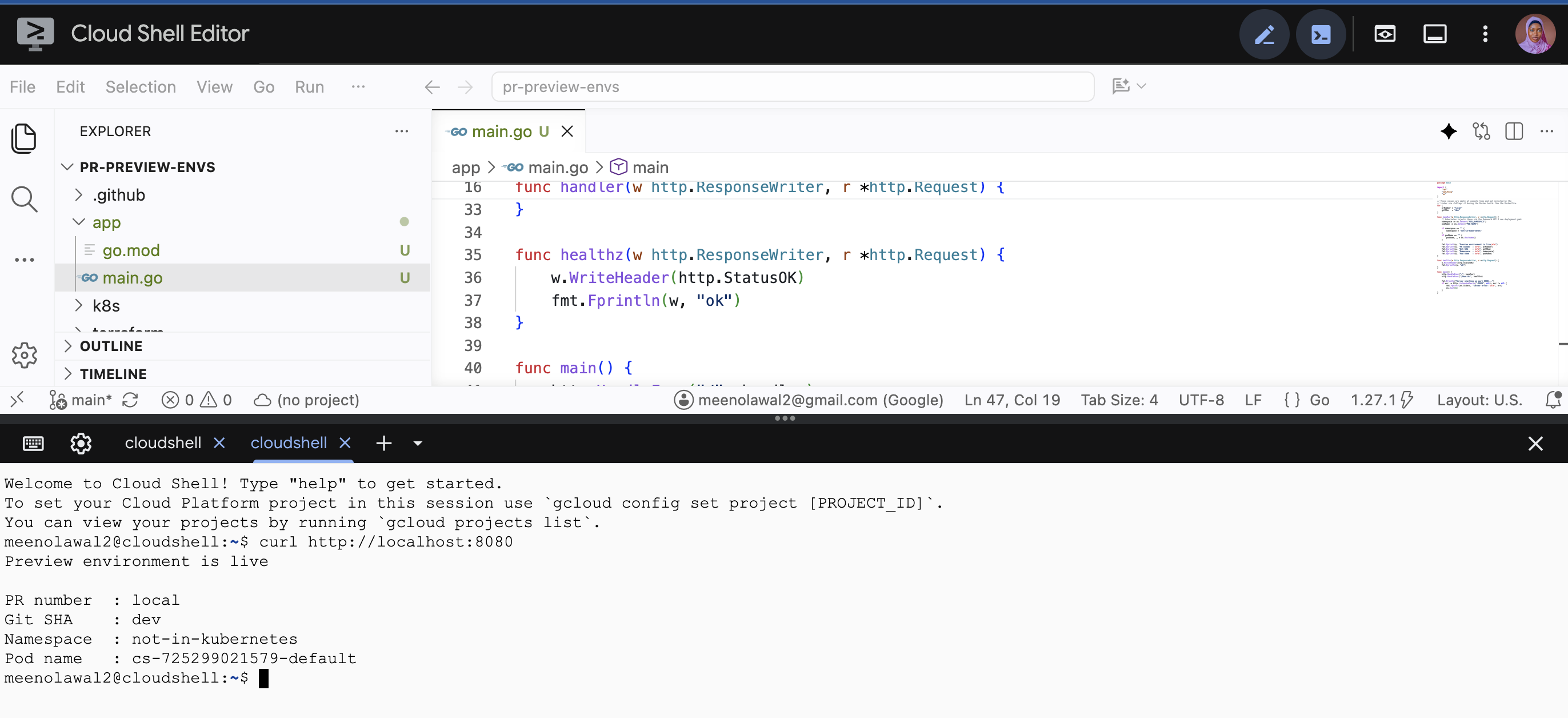
To ensure robustness without compromising security, modern implementations enforce strict cluster guardrails. Kubernetes primitives like ResourceQuotas and LimitRanges establish hard boundaries on CPU and memory consumption within each namespace, effectively preventing runaway pods from starving neighboring environments. Furthermore, a strict quota configuration can explicitly disallow the creation of external load balancer services, safeguarding the organization from accidental financial overhead. To mitigate the risk of orphaned infrastructure caused by failed workflow events or abandoned branches, automated cleanup routines or scheduled reaper jobs periodically audit active namespaces against open pull requests, safely scrubbing away stale environments that exceed predefined age limits.
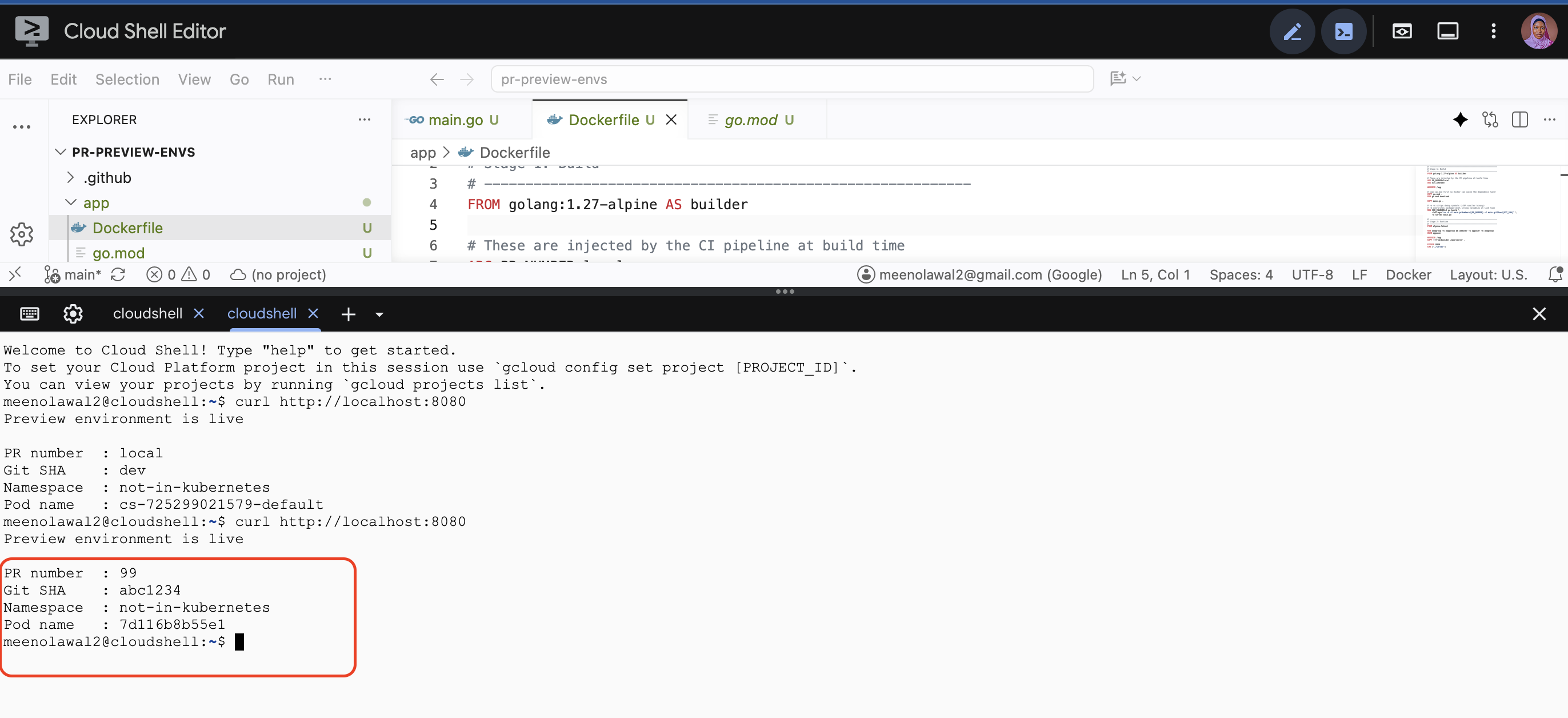
Ultimately, transitioning toward ephemeral preview environments transforms software delivery from a game of coordination guesswork into a streamlined, reliable operation. By making isolated, production-shaped environments the default standard for every code change, engineering organizations can drastically accelerate review cycles, improve code quality, and remove the friction that has historically plagued traditional staging workflows.