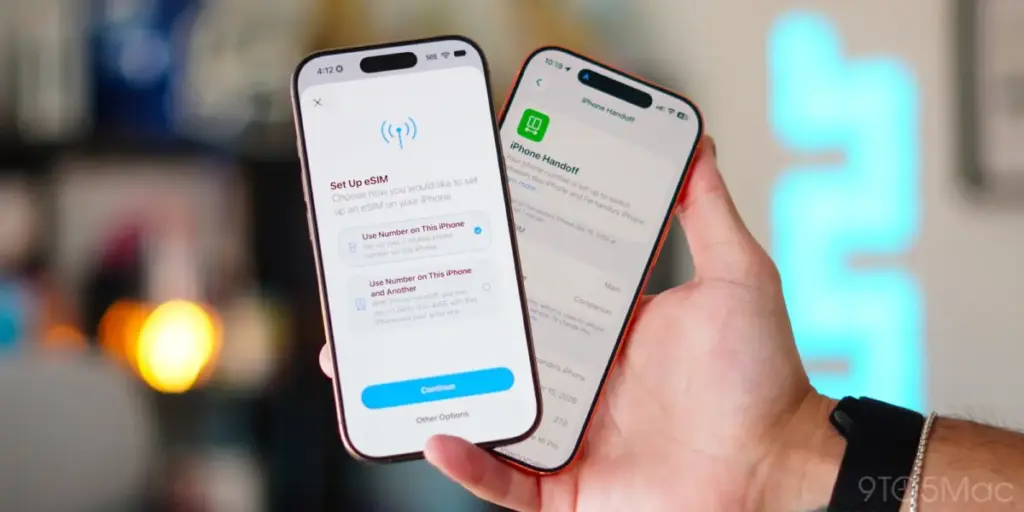
The landscape of mobile connectivity is shifting as major wireless carriers begin to define their support for one of Apple’s most significant software innovations of the year. Following recent announcements from T-Mobile and international provider Deutsche Telekom, Verizon has officially confirmed its pricing strategy for Apple’s "iPhone Handoff" feature. The service, which enables users to operate a single phone number across two distinct iPhone devices, will carry a monthly subscription fee of $10 for Verizon customers.
This development brings further clarity to the ecosystem surrounding iOS 27, which introduced the Handoff capability during Apple’s high-profile "Surprise and Shine" event last month. While the feature was initially teased during Apple’s Worldwide Developers Conference (WWDC) earlier this year, the specifics regarding carrier integration, technical requirements, and, most importantly, the associated costs have only recently begun to crystallize.
The Economics of iPhone Handoff
The announcement from Verizon places the carrier at the higher end of the current pricing spectrum for this specific utility. With a $10-per-month price tag, Verizon’s implementation costs twice as much as T-Mobile, which previously confirmed a $5 monthly fee for the same functionality. Meanwhile, in Germany, Deutsche Telekom has integrated the feature into its existing MultiSIM service, which is priced at €6.95 per month, though the cost may be waived depending on the customer’s specific mobile plan.
The discrepancy in pricing highlights how different carriers are positioning the value of multi-device connectivity. For many users, the ability to seamlessly switch between a primary device—such as the high-powered iPhone 18 Pro—and a more portable, secondary option like the newly introduced "iPhone Duo" represents a significant shift in how they manage their digital identity. Verizon’s decision to attach a premium price to this convenience suggests the company views the service as a value-added utility for professional users and power users who require consistent access to the carrier’s 5G network across multiple handsets simultaneously.
In an official statement regarding the rollout, Verizon outlined the utility of the service, emphasizing its flexibility. "Verizon will support iPhone Handoff, giving customers the flexibility to use a single Verizon phone number seamlessly across two compatible iPhone models," the company noted. "Whether using the pocketable iPhone Duo on the go or iPhone 18 Pro for work, customers can switch active status between devices at any time while keeping full access to Verizon’s 5G network. iPhone Handoff will be available from Verizon for $10/month on compatible iPhone models running iOS 27."
Contextualizing the Feature: Why iPhone Handoff Matters
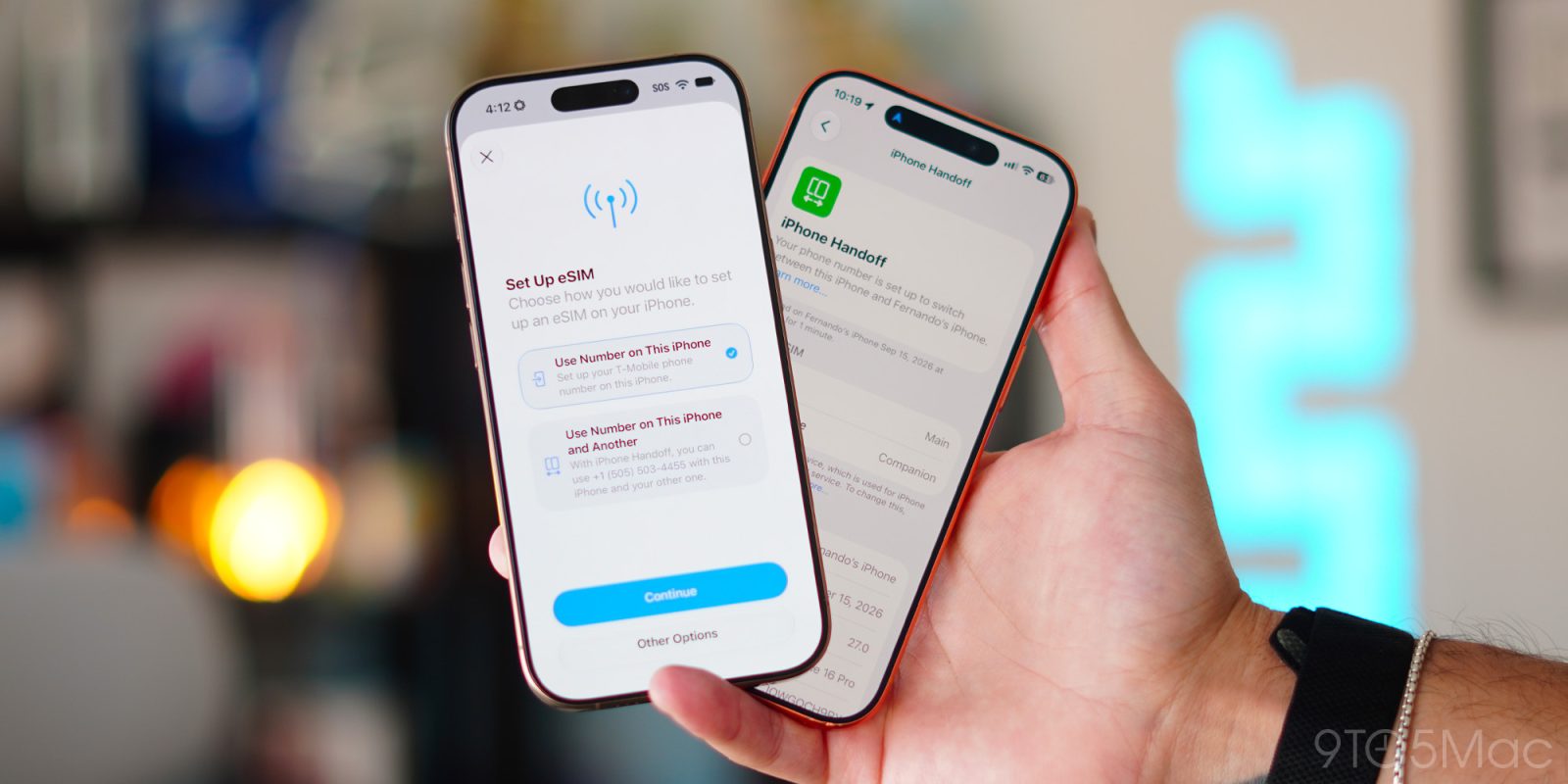
iPhone Handoff is designed to address a common pain point for modern mobile users: the friction involved in switching between different devices for different use cases. Until now, users wanting to use two phones generally had to manage separate SIMs, separate phone numbers, or rely on cumbersome call-forwarding services that lacked the deep integration Apple has now engineered into iOS 27.
The "Surprise and Shine" event served as the definitive introduction to this capability, positioning it as a cornerstone of the iOS 27 experience. By allowing a single identity to persist across multiple pieces of hardware, Apple is effectively decoupling the "phone number" from the "device." This has profound implications for how consumers purchase and carry mobile technology. A user might carry a rugged or compact device during a commute or workout, then transition to a premium "Pro" model for productivity or photography, all without needing to swap physical SIM cards or manage complex digital handoffs.
The technical backend of this feature is tied directly to the carrier’s network infrastructure, which explains why individual telecom providers must opt into the service. It requires sophisticated provisioning that allows the carrier to route calls, messages, and data requests to the currently active device. Because this necessitates a level of synchronization between Apple’s proprietary software and the carrier’s cellular network, the rollout has been staggered, with T-Mobile, Deutsche Telekom, and now Verizon leading the charge.
The Competitive Landscape and AT&T’s Position
While T-Mobile, Verizon, and Deutsche Telekom have embraced the technology, the industry response has not been universal. Notably, AT&T has maintained a different stance, signaling that it has no immediate plans to support iPhone Handoff.
When questioned about the feature, representatives for AT&T acknowledged the underlying technology’s potential benefits for customers seeking greater device flexibility. However, the company indicated that it is currently prioritizing other initiatives, specifically its existing eSIM activation and device transfer processes. For AT&T, the focus appears to be on streamlining the traditional "one-device-per-line" model rather than investing in the network infrastructure required to support multi-device, single-number synchronization.

This divergence in strategy creates a fragmented market for Apple users. Customers who prioritize the Handoff feature may find themselves reevaluating their carrier loyalty, as the availability of this specific iOS 27 capability is now a differentiator in the wireless market. For those on carriers that do not support the feature, the appeal of the "iPhone Duo" or similar form factors may be diminished, as the primary benefit—seamless switching—is locked behind network-level support.
Looking Ahead
As the year draws to a close, the market will likely see more data on how consumer adoption of iPhone Handoff scales. With major players like Verizon and T-Mobile now committed, the feature is moving from a niche novelty to a standard offering in the premium mobile tier.
For the average consumer, the choice now involves weighing the convenience of a dual-device lifestyle against the cumulative cost of monthly subscription fees. A $10-per-month add-on, while manageable for many, represents a permanent increase in mobile expenditure. Whether this cost is justified will ultimately depend on how effectively the "active status" switching works in real-world scenarios—specifically, how reliable the handoff is during voice calls, data-intensive tasks, and emergency situations where connectivity is paramount.
As iOS 27 continues to mature, and as more users begin to integrate the iPhone Duo and other compatible devices into their workflows, the pressure may mount on holdout carriers to reconsider their positions. For now, however, the playing field is clearly defined: those who want the full, integrated "Handoff" experience will need to be prepared to pay a premium to the carriers willing to support Apple’s vision for the future of mobile identity.
For further technical specifications, setup requirements, and troubleshooting for iPhone Handoff, users are encouraged to consult Apple’s official support documentation. As the technology evolves, the industry will be watching closely to see if this model of carrier-integrated device synchronization becomes the new standard for the smartphone industry at large.