









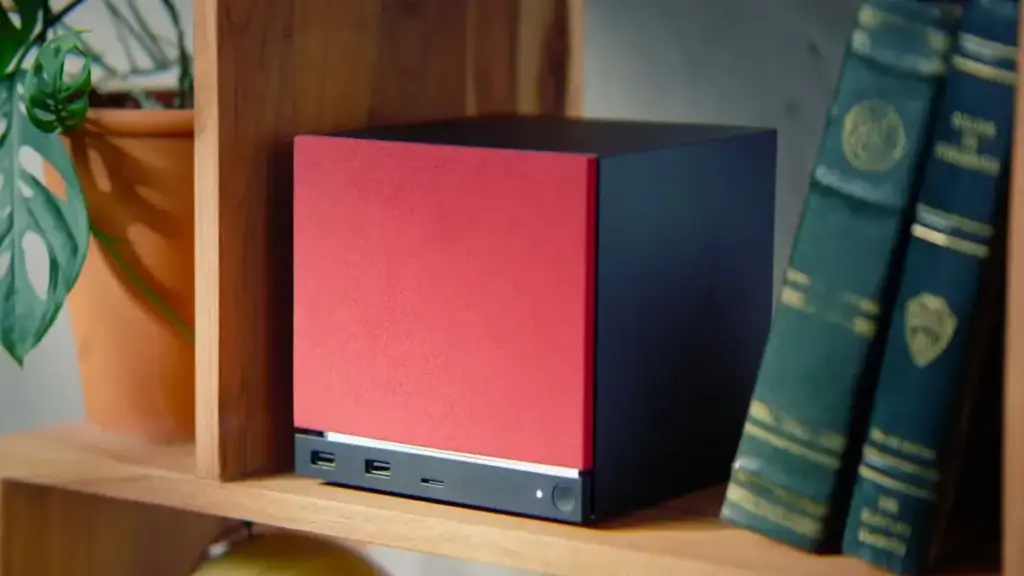
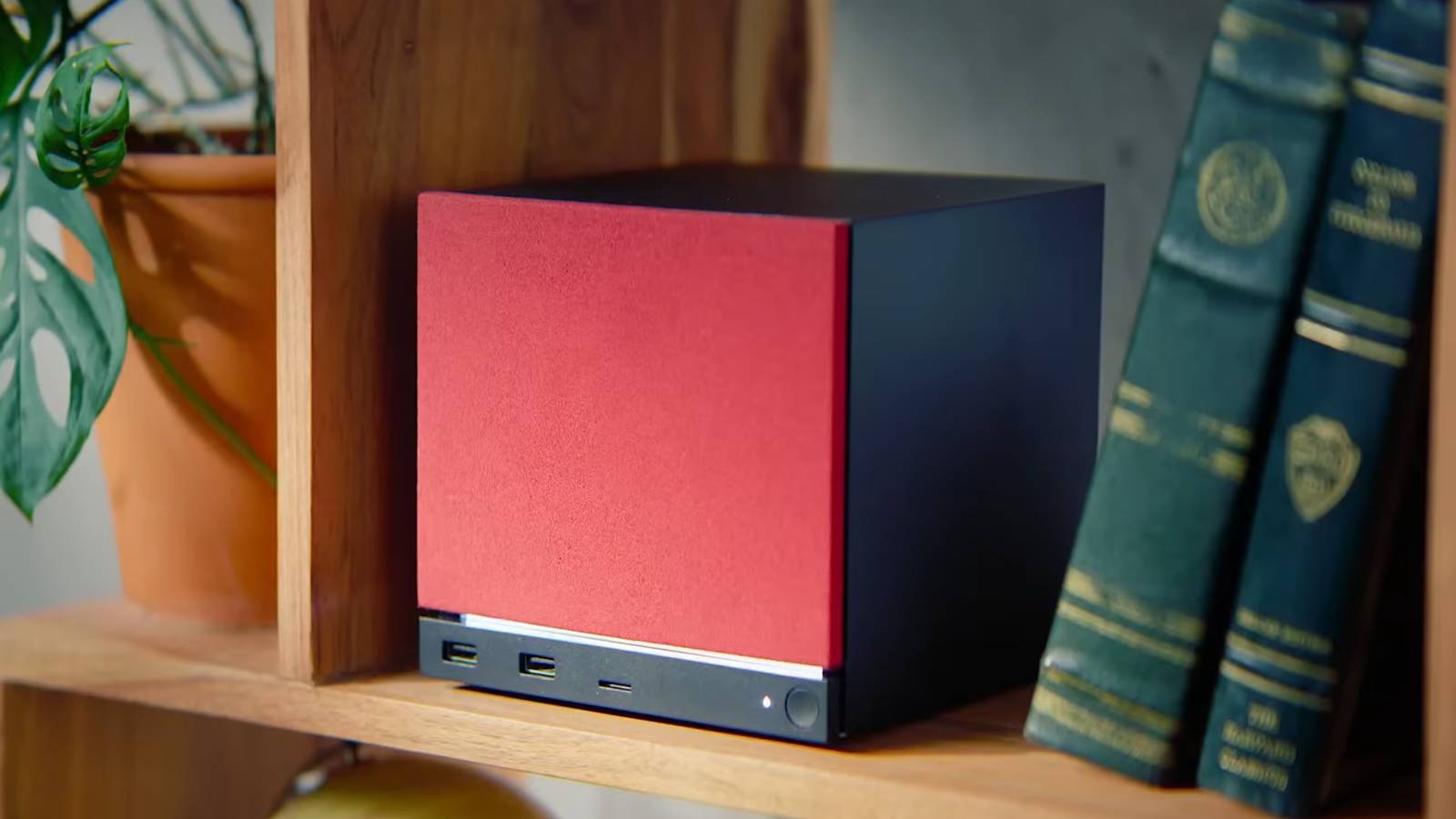
The landscape for gaming hardware has undergone a turbulent transformation throughout 2026, and Valve’s latest update regarding the Steam Machine serves as a stark reminder that the industry remains firmly in the grip of a global supply chain crisis. As major manufacturers like Nintendo, Sony, and Microsoft have all implemented price increases across their console lineups this year, Valve has now signaled that it may soon follow suit for its own hardware ecosystem. In a recent announcement, the company confirmed that it is facing mounting difficulties in sourcing necessary components, a reality that is complicating production and threatening the pricing stability of its Steam Machine units.
PC Components Are Getting More Expensive ‘At Unprecedented Levels’
On Thursday, Valve provided a transparent, albeit concerning, update regarding the availability and future cost of the Steam Machine. The company revealed that it has officially fulfilled all existing reservations for the 512 GB model—the entry-tier offering currently priced at $1,049—and has consequently opened up direct purchasing for the remaining units to the general public on a first-come, first-served basis. While this offers a window of opportunity for prospective buyers, it is tempered by the company’s sobering admission: supply constraints are tightening.
"However, we are continuing to encounter supply constraints for hardware components, which impacts our ability to source parts," Valve stated in its update. This supply volatility has forced the company to adopt a more conservative approach to inventory management. Once the current stock of the 512 GB model is depleted, Valve confirmed that it will not initiate a new waitlist. Instead, the item will be marked as "out of stock," signaling an end to the current production cycle for that specific configuration.

The situation is arguably more precarious for those seeking the premium 2 TB model. Valve noted that demand for the $1,349, 2 TB iteration significantly outstrips its current manufacturing capacity. Even as the company works to bring more units to the assembly line, the output will remain at quantities lower than what was initially projected at launch. Consequently, Valve has made the decision to close the waitlist for the 2 TB model entirely. Customers currently on that waitlist are being offered the option to purchase the 512 GB model instead, though doing so will automatically remove them from the queue for the larger-capacity machine.
The primary driver behind this instability is the relentless escalation in the cost of raw PC components. Valve explicitly noted that these parts are becoming more expensive "at unprecedented levels." Because the company cannot accurately predict the future cost of these essential materials, it remains unable to provide concrete assurances regarding the final pricing of future batches. The company stated that the 2 TB model, in particular, will remain "especially constrained," leaving the future of its pricing and availability in a state of flux until further updates are provided in January.
A Broader Industry Trend
The challenges facing Valve are not isolated incidents; they are symptomatic of a broader, systemic issue plaguing the technology sector. The "computer component crisis," as it has come to be known, has forced hardware giants to rethink their pricing strategies to offset the rising costs of semiconductors, memory, and other critical hardware elements.
Nintendo’s recent pricing adjustments for the Switch 2, Sony’s shifts regarding the PlayStation Portal, and Microsoft’s mid-year price hike for Xbox consoles have all reflected the same underlying pressure. For Valve, which has already navigated a series of price adjustments for its Steam Deck and dealt with the reality that the Steam Machine was ultimately more expensive than its initial design target of $750, this latest news is a significant development. The Steam Machine was intended to offer a streamlined, console-like experience with the power of a PC, but the economic realities of 2026 have made that goal increasingly difficult to achieve without passing costs on to the consumer.
Uncertainty for Prospective Buyers
For the average consumer, the current state of affairs presents a difficult decision. The market for high-performance PC hardware has become a game of timing, with potential buyers caught between the fear of missing out and the uncertainty of future market conditions. The prospect of an impending price hike, combined with the limited availability of the 2 TB model, leaves those waiting for a potential price drop or a more stable supply in a difficult position.

Those currently considering a Steam Machine face a trilemma: they can purchase the 512 GB model now, potentially securing a unit before the remaining inventory is exhausted by scalpers or general demand; they can hold their ground on the 2 TB waitlist, though the likelihood of receiving a unit at the current price point is increasingly slim; or they can wait for the new year, hoping that Valve will provide a clearer roadmap for production and pricing in January.
As the situation stands, the hardware market remains highly volatile. Valve’s commitment to transparency is a small comfort to those who have been waiting for their hardware, but the company’s inability to guarantee production levels or pricing underscores the severity of the component shortages. For now, the Steam Machine remains a high-end, elusive piece of hardware, its future tethered to the global supply chain’s ability to recover from a year of historic instability. Investors, analysts, and gamers alike will be looking toward January, when Valve is expected to share more definitive information regarding the next phase of its hardware distribution strategy. Until then, the landscape for PC gaming hardware looks set to remain as expensive and unpredictable as it has been throughout the latter half of 2026.