










By Gigi Onag
September 18, 2026
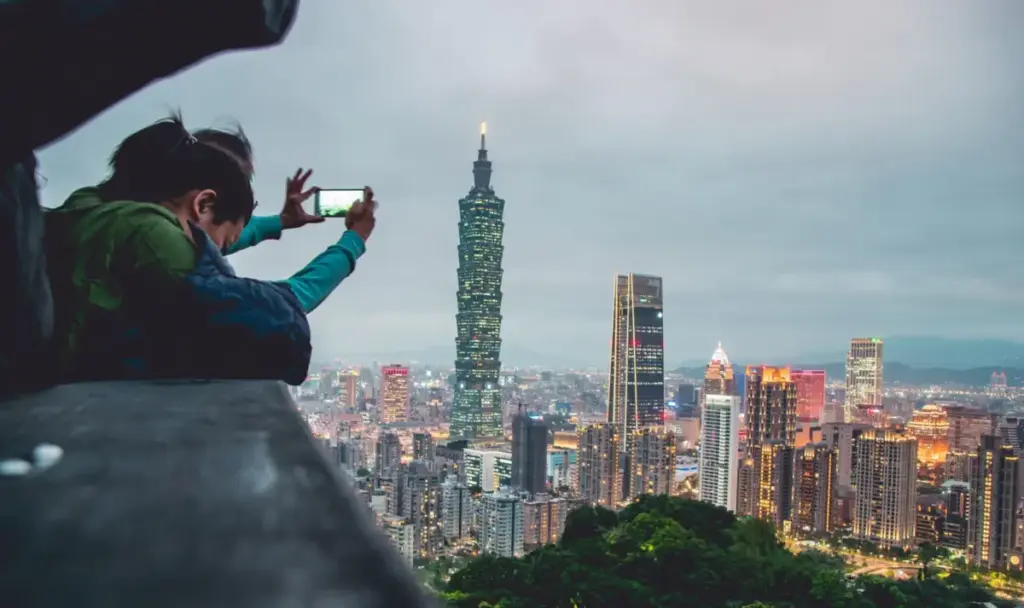
Chunghwa Telecom announced the official activation of the Taiwan-Matsu submarine cable, known as Taima No. 4, marking a significant milestone in enhancing the telecommunications resilience and internet stability of Taiwan’s outlying island communities. The newly operational subsea infrastructure injects crucial redundancy into the region’s digital network, drastically reducing vulnerability to unexpected outages and laying a robust foundation for future data transmission demands across the Taiwan Strait.
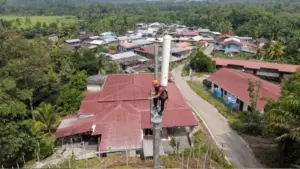
The Matsu archipelago, situated in the Taiwan Strait just a few kilometers off the southeastern coast of mainland China and in close proximity to the city of Fuzhou in Fujian Province, forms Lienchiang County, the smallest county in Taiwan. Because of their unique geographical positioning and isolated location relative to Taiwan’s main island, the Matsu Islands have historically faced unique challenges in maintaining uninterrupted, high-capacity telecommunications. The activation of Taima No. 4 represents a major leap forward in addressing these structural vulnerabilities, offering residents and local businesses a more dependable and high-speed digital connection.
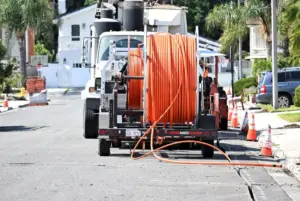
Partly subsidized by the Taiwanese government, the ambitious Taima No. 4 subsea cable project was constructed at a total cost of 1.4 billion New Taiwanese dollars, equivalent to approximately US$44 million. Spanning roughly 300 kilometers, the high-capacity cable establishes a direct and secure undersea pathway linking the Bali District in New Taipei City with the vital townships of Dongyin, Nangan, and Juguang within Lienchiang County. This expansive routing ensures that the primary administrative and residential hubs across the Matsu archipelago share uniformly distributed improvements in bandwidth and network reliability.
The necessity for a new, highly resilient submarine cable came into sharp focus following severe disruptions in recent years. In February 2023, both the Taima No. 2 and Taima No. 3 subsea cables suffered simultaneous breaks that crippled data transmissions and left the island chain struggling with severely degraded internet connectivity for nearly two months. Those high-profile outages were traced back to accidental damage inflicted by a Chinese fishing boat and a cargo ship operating in the busy waters of the Taiwan Strait. Compounding these man-made hazards, the very same two legacy subsea cables experienced another major service failure in 2025, which telecom authorities attributed to natural deterioration over time. These recurring incidents underscored the acute fragility of relying on a limited number of undersea routes, prompting urgent government and corporate intervention to secure the region’s digital lifelines.
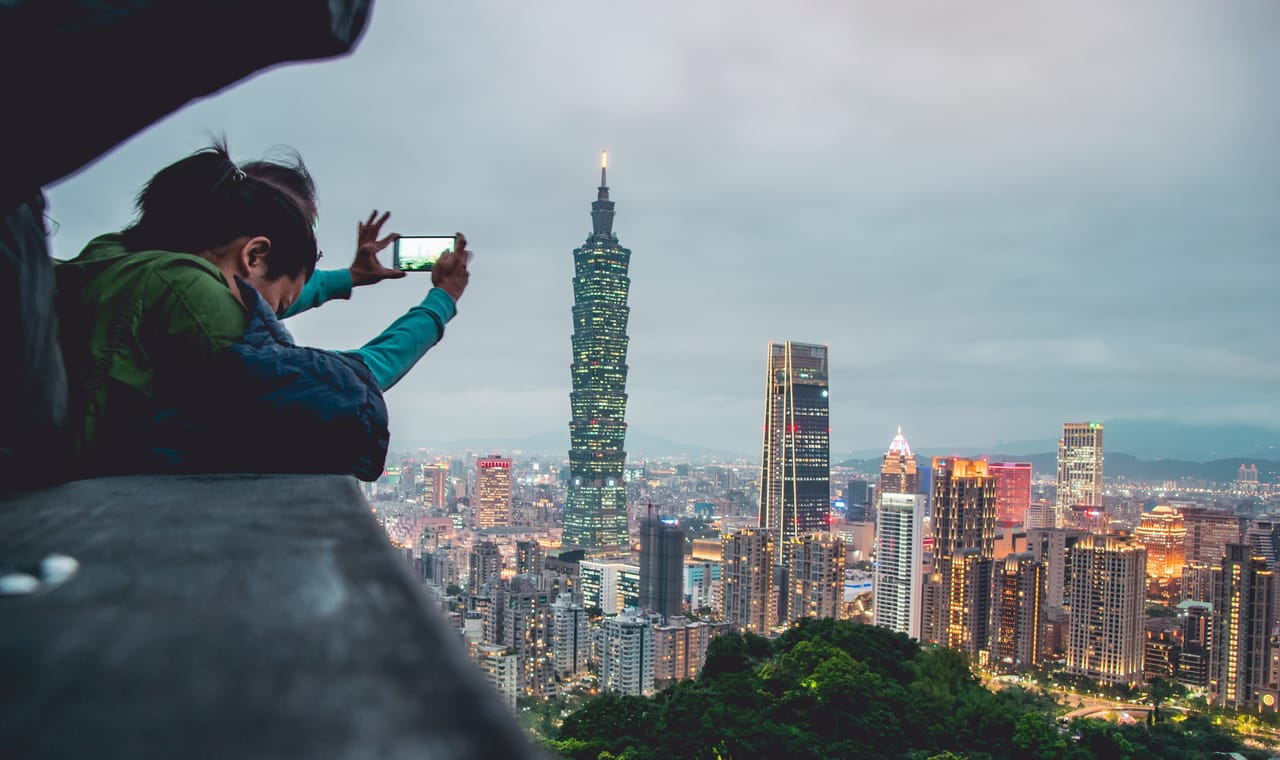
According to Chunghwa Telecom, the introduction of Taima No. 4 introduces an essential secondary communications route that fundamentally changes the risk profile for the area. By diversifying physical pathways, the network architecture significantly minimizes the threat of catastrophic, long-term disruptions, vastly improving the overall quality and reliability of internet services for Matsu residents, local government agencies, and commercial enterprises alike. With the successful integration of Taima No. 4 into the existing telecom grid, the aggregate transmission capacity along the critical Taiwan-Matsu route has surged to an impressive 1.9 Tbit/s.
Beyond the deployment of the submarine cable itself, Chunghwa Telecom has taken comprehensive supplementary measures to safeguard continuous operations. To ensure that the Matsu Islands remain firmly connected even in the worst-case scenario of a complete subsea cable failure, the operator has installed robust backup systems leveraging advanced microwave radio relay and satellite communications technologies. This multi-layered approach ensures that critical communications, emergency services, and daily digital transactions can proceed without interruption, regardless of physical disruptions at sea.
‘Pre-emptive preparations’
During the official lighting-up ceremony held to mark the activation of Taima No. 4, Taiwanese Premier Cho Jung-tai emphasized that the new subsea cable was conceived as a vital instrument to strengthen national communication resilience. He characterized the multimillion-dollar infrastructure initiative as a textbook example of "pre-emptive preparations" designed to safeguard the nation’s critical infrastructure against escalating geopolitical and environmental uncertainties.
Premier Cho noted that the deployment of the advanced subsea communications cable forms a cornerstone of broader governmental efforts to stabilize and bolster data transmission networks nationwide. He stressed that maintaining absolute continuity of communications is paramount, whether facing sudden natural disasters, extreme weather events, or man-made disruptions in the sensitive waters separating Taiwan and its outlying islands.
"Looking ahead, whether it is subsea cables, microwaves, or low-orbit satellites, capacity will far exceed demand here. We’re making pre-emptive preparations," Premier Cho stated, highlighting the government’s forward-looking strategy to future-proof the telecommunications landscape of Lienchiang County and protect its inhabitants from isolation.
Through a combination of substantial financial investment, advanced engineering, and strategic redundancy planning, the activation of Taima No. 4 marks a defining moment for Taiwan’s telecommunications sector. As Chunghwa Telecom continues to monitor and expand its network footprint across the region, the residents of the Matsu Islands can now rely on a modernized, multi-path communication framework engineered to withstand both the elements and the unpredictable realities of maritime traffic in the Taiwan Strait.