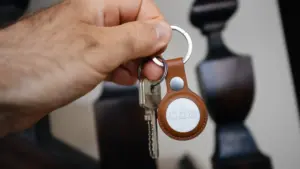










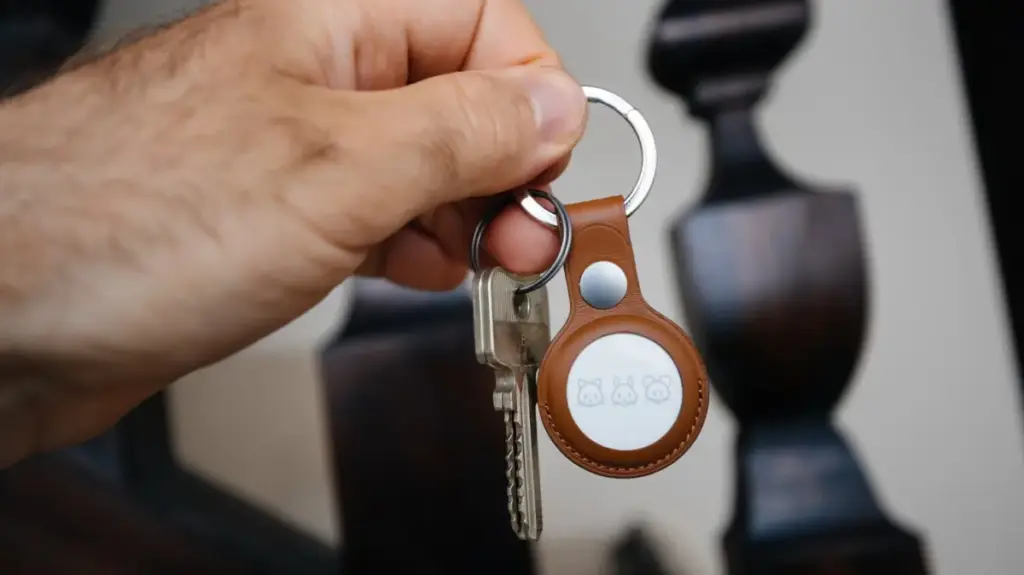
Earlier this year, Apple officially shifted its product strategy by introducing a new generation of the AirTag, marking the first major update to the popular item tracker since its debut in 2021. As the company pivots its retail focus entirely toward the upgraded model, the original first-generation AirTag has been quietly discontinued. While these earlier units are no longer the flagship offering in Apple’s hardware lineup, they remain fully functional within the Find My ecosystem. Rather than relegating these devices to a junk drawer or disposing of them, users have a variety of practical ways to integrate these capable trackers into their daily lives.
The transition to the second-generation AirTag is, by most metrics, a logical evolution of the hardware. The new model brings significant technical refinements to the table, most notably an updated second-generation ultrawideband chip and a more efficient Bluetooth module. These hardware adjustments allow for a more expansive finding range, improved Precision Finding capabilities—which can now pinpoint items from up to 50 percent farther away than the original—and a noticeably louder integrated speaker. Given that the entry price for these devices remains highly competitive, often retailing around $29, the incentive to upgrade for primary tracking needs is clear. For items of high personal value or those that are frequently misplaced, the enhanced range and audible alert system of the new model offer a tangible peace of mind.
However, the discontinuation of the first-generation hardware does not equate to obsolescence. The original AirTags continue to be supported by Apple’s robust Find My network, meaning they retain the same underlying location-tracking utility that made them a market success upon release. For many consumers, the most effective strategy for managing their existing hardware is a process of rotation, where newer units are designated for high-priority items and older units are reassigned to secondary roles.

Repurposing Trackers for Secondary Household Needs
When considering where to place your original AirTags, the goal is to shift them toward items that require less frequent, high-precision tracking but still benefit from the security of being locatable. For instance, the glove compartment or the trunk of a vehicle can serve as an ideal permanent home for an older AirTag. This provides an additional layer of security in the event of vehicle theft or, for parents of newly licensed teenagers, a method to verify a vehicle’s location if the driver chooses to disable location sharing within the Find My app.
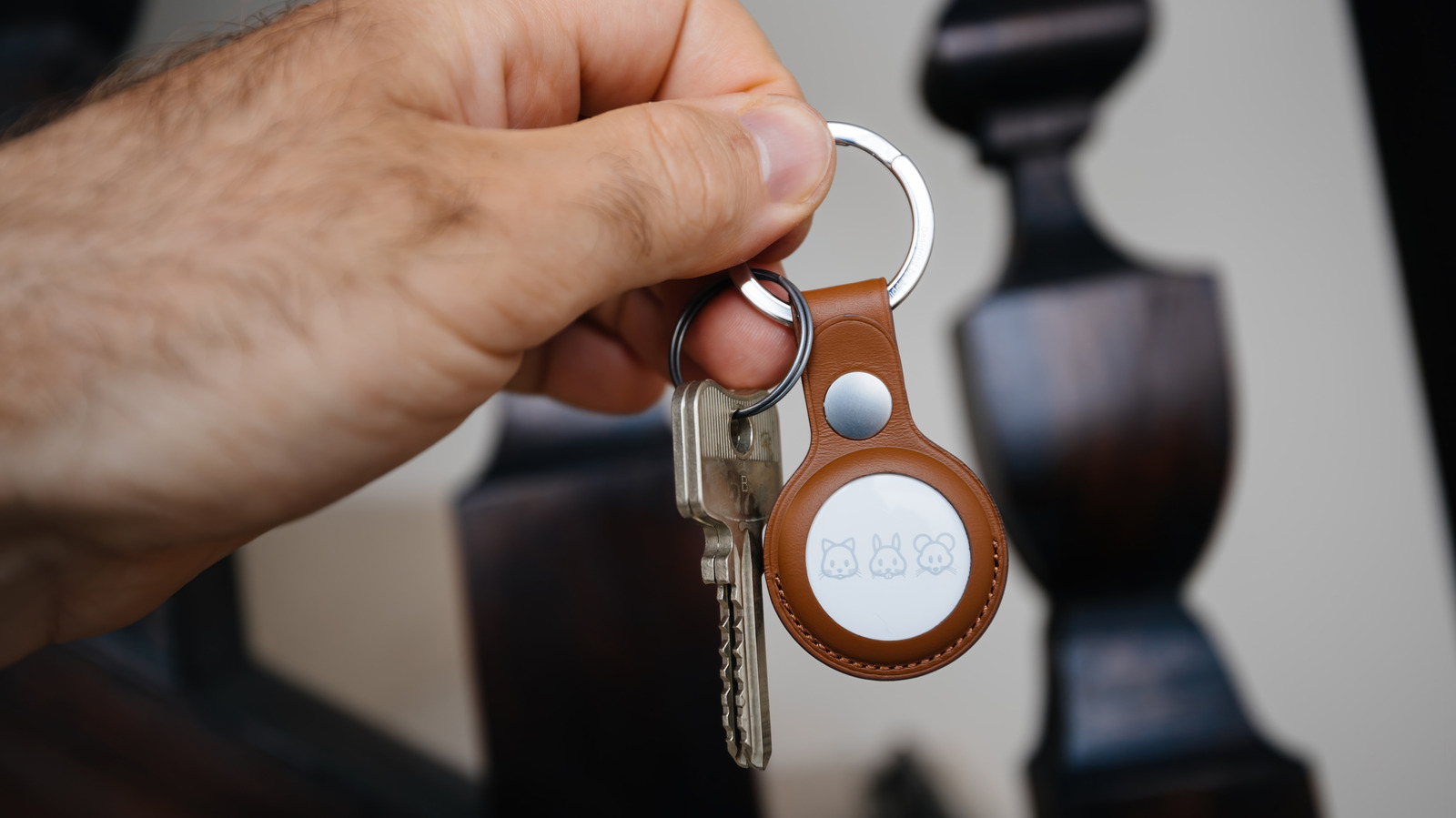
Luggage tracking is another domain where a backup tracker can be invaluable. While a primary tracker might be placed inside a main suitcase, having a second, older AirTag tucked into an external pocket or a hidden lining can act as a redundant fail-safe. In the unfortunate event of lost or misplaced luggage during air travel, having multiple points of data can significantly improve the chances of recovery.
Parents may also find value in securing these older trackers to items that children frequently misplace. Stitching a tracker into the lining of a child’s jacket or even inside their shoes ensures that even if they are separated from their primary backpack, they remain connected to the Find My network. Similarly, these units can be used to monitor stationary items within the home that are often difficult to locate. Items such as spare keys for back doors, home office filing cabinets, or even seasonal equipment stored in the attic or garage are perfect candidates for an older AirTag.
While the new AirTag offers superior acoustic and range performance, the original model remains more than sufficient for indoor use. Real-world testing shows that even the first-generation model is perfectly capable of assisting with Precision Finding within the confines of a standard home. The reliability of these devices is bolstered by the use of standard CR2032 coin-cell batteries, which are easily replaceable and typically offer about a year of service under normal usage conditions, ensuring that even older units can remain active with minimal maintenance.
Maximizing Utility Through Strategic Deployment
Beyond simply moving trackers to secondary items, there are creative ways to leverage the existing infrastructure of older AirTags. For those who find themselves frequently moving a single tracker between different bags—such as a work tote, a gym bag, or a dressy clutch—keeping an older, retired AirTag permanently inside each item eliminates the friction of manual transfer. This "set it and forget it" approach ensures that no matter which bag you pick up, it is already accounted for within your digital ecosystem.
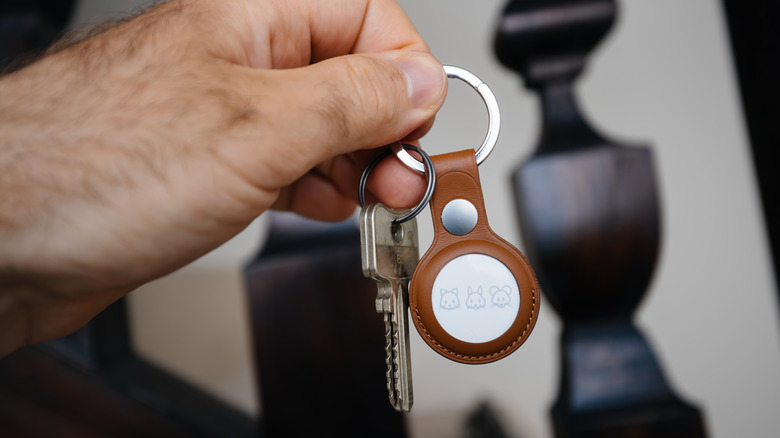
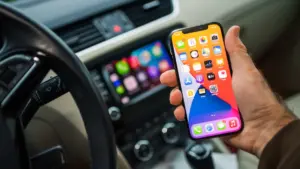
It is also worth noting that the advanced benefits of the second-generation AirTag, particularly the expanded range and refined Precision Finding, are most effectively utilized when paired with newer hardware, such as the iPhone 15 or later. For users who have not yet upgraded their smartphone, the functional gap between the first and second-generation AirTags is far less pronounced. If you are still using an older iPhone, you may find that your first-generation AirTags perform just as well as the new model would for your specific use case. In such instances, there is no urgent technical necessity to replace the hardware.
Furthermore, there is a strong argument for using older units as a "backup" or a secondary layer of defense for your most important belongings. If you have a high-value item, such as a bicycle, you might consider hiding two trackers on it. By placing the new AirTag in a more obvious location, such as under the seat, and tucking an older, second-generation-ready AirTag into a less accessible spot—like inside a bottle cage or the handlebars—you create a tiered security system. A thief who manages to find and discard one tracker may remain unaware of the second, significantly increasing the probability of tracking the item to its final destination.
If you find that you have a surplus of trackers, there is also the option of social utility. Handing down older, fully functional AirTags to friends or family members who have yet to invest in the ecosystem is a practical way to extend the lifespan of the technology. Whether it is a grandparent who often misplaces their eyeglasses case or a friend who loses their wallet, these devices can provide significant utility to those who might not have prioritized purchasing a tracker themselves.
Finally, while Apple does not currently offer a formal trade-in program for AirTags, the secondary market remains a viable path for those who would prefer to recoup some of their initial investment. Various specialized buyback platforms in different regions exist that facilitate the purchase of used tracking hardware. While this may not yield a significant profit, it allows for a more sustainable end-of-life cycle for the hardware compared to disposal.

Ultimately, the discontinuation of the first-generation AirTag is a milestone in product development rather than a signal of technological failure. The core functionality—the ability to leverage the vast, global Find My network to locate lost items—remains as robust as ever. By shifting these units toward secondary tasks, using them for redundant security, or finding new homes for them among family and friends, users can ensure that their original investments continue to provide value long after the product has left the store shelves.