








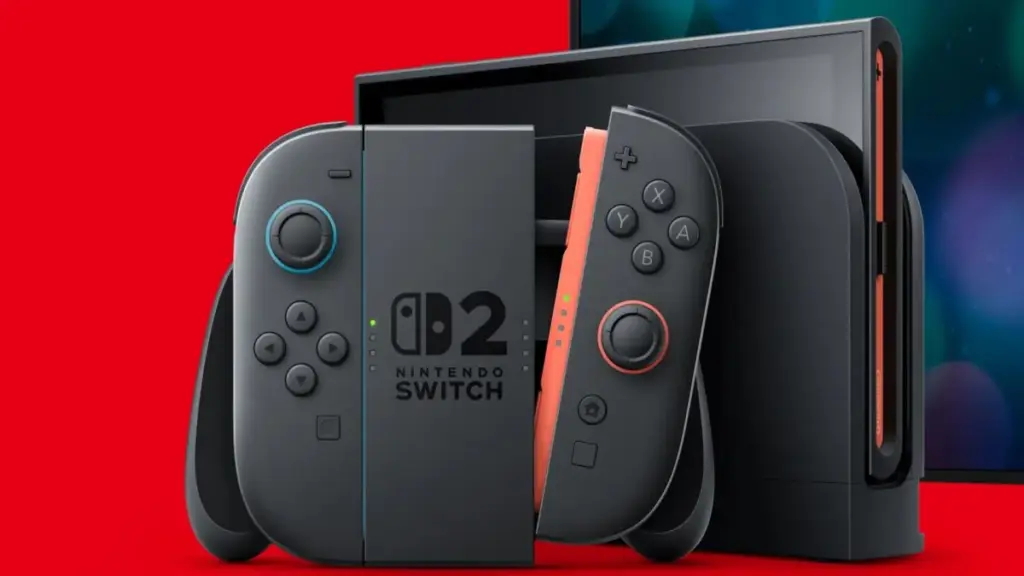
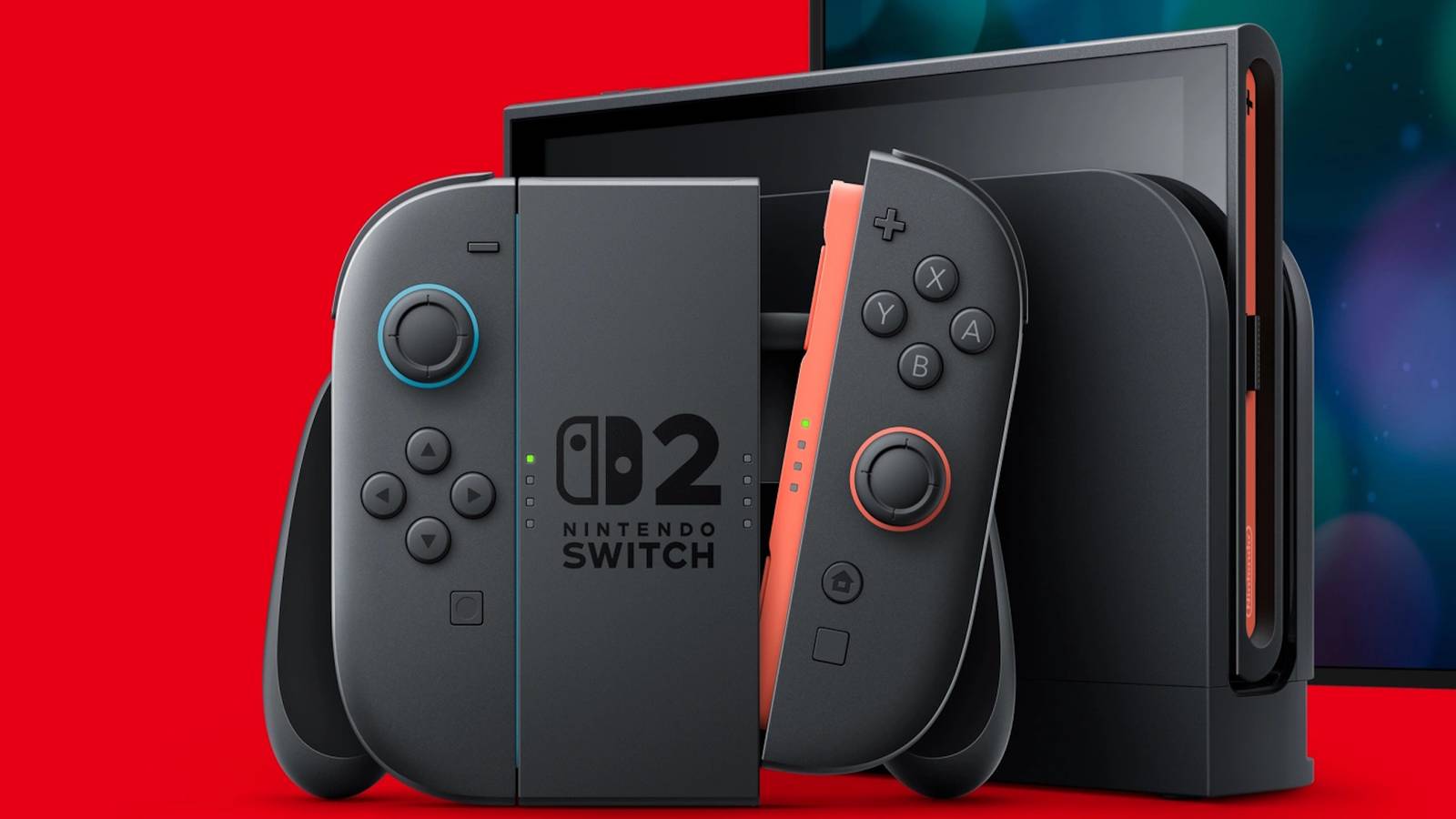
The sanctity of console ecosystems is once again under fire as the gaming industry grapples with a surge in sophisticated, AI-driven homebrew exploits. In the latest development involving the Nintendo Switch 2, a user has successfully bypassed the console’s security measures to enable custom character mods, sparking a renewed debate regarding the vulnerability of modern hardware in the age of generative artificial intelligence. While the ability to import eclectic characters like Family Guy’s Peter Griffin or Hatsune Miku into Mario Kart World might seem like harmless, if bizarre, fun, it highlights a deepening rift between console manufacturers and a community of tech-savvy tinkerers utilizing new tools to dismantle firmware protections.
The exploit, which surfaced this week, was brought to light by X user "pepsipu," who shared footage demonstrating Mario Kart World running with characters never intended for the Nintendo ecosystem. The demonstration featured icons like Sanrio’s Cinnamoroll and the digital idol Hatsune Miku navigating tracks, a visual confirmation that the console’s internal software environment had been breached. This breach is not a "jailbreak" in the traditional, plug-and-play sense that defined the hacking scenes of the early 2000s. Rather, it is a complex, fragile, and labor-intensive process that requires the acquisition of specific software—in this case, SmileBASIC 4, a $25 programming environment available on the Nintendo eShop—to serve as a gateway for the exploit.
Despite the technical achievement, the reality of this hack is far from a consumer-friendly revolution. According to reports, the method is notoriously difficult to replicate for the average user, requiring a high degree of technical literacy. Furthermore, the exploit is not persistent; the system’s integrity resets as soon as the console is powered off. This necessitates a tedious repetition of the entire bypass process every time the user wishes to play, acting as a significant barrier to entry for casual players. While Nintendo will undoubtedly look to close this vulnerability with a firmware patch, the incident serves as a stark reminder of the cat-and-mouse game that has long defined the console market.
The Rise of AI-Assisted "Vibe-Coding"
The most significant shift in this narrative is the role of generative AI. The current wave of homebrew development is being accelerated by the accessibility of powerful coding assistants. The release of Claude Opus 5.5 in September has been a watershed moment for the modding community, allowing developers to generate complex code, debug scripts, and identify security vulnerabilities with unprecedented speed. This phenomenon, often referred to as "vibe-coding," has moved beyond mere curiosity, becoming a potent tool for those looking to bypass hardware restrictions.
This is not a problem isolated to Nintendo. Sony has been engaged in a similar, high-stakes battle to secure the PlayStation 5. The company has rolled out a succession of firmware updates specifically designed to address security vulnerabilities that have emerged at a rapid, and frankly alarming, pace. Industry observers suggest that much of this heightened activity is driven by a restless community of hackers eager to challenge the system’s architecture ahead of major software releases, such as the highly anticipated Grand Theft Auto 6. For some, the motivation is rooted in a philosophical objection to the industry’s shift away from physical media and the increased reliance on "live service" models that restrict ownership.
The proliferation of these AI-assisted tools has led to a wider trend of community-led ports and modifications that would have taken months of work just a few years ago. We are seeing a wave of browser-based ports for classic titles like Halo: Combat Evolved, alongside viral videos showcasing Mario inserted into the world of Elden Ring or skateboarding through the environments of Call of Duty. These projects are no longer just the domain of expert programmers; they are becoming increasingly accessible to anyone with the right AI prompts and the patience to troubleshoot.

Industry Reactions and the Path Forward
Major players are beginning to take notice of this shift, not just in terms of defensive security, but in terms of organizational strategy. Xbox CEO Asha Sharma recently announced the formation of "Xbox Labs," a new division that, while keeping its specific mandate regarding AI and coding methodologies somewhat vague, appears to be deeply interested in these emerging community trends. By observing how the modding community uses AI to manipulate software, major corporations are beginning to analyze whether these same technologies could be leveraged to foster engagement rather than just fighting to suppress them.
However, the core issue remains the tension between hardware security and user autonomy. For Nintendo, the primary concern is the protection of its intellectual property and the stability of its eShop ecosystem. A jailbroken console, even one as restrictive as the current Switch 2 exploit, creates a pathway for piracy, unauthorized software distribution, and potential damage to the online multiplayer experience. The fact that an official piece of software like SmileBASIC 4 can be used as a springboard for an exploit puts Nintendo in a difficult position: do they pull the software from the eShop, potentially alienating legitimate users, or do they allow it to remain while risking further security breaches?
Historically, Nintendo has been exceptionally aggressive in protecting its digital assets. Given the complexity of the current hack, it is highly probable that a firmware update is already in development to plug the specific loophole provided by the eShop application. Yet, the history of the console scene proves that every time a manufacturer closes a door, the community finds a window. With AI tools continuously evolving, the barrier to entry for developing these exploits is lowering, which could mean that the next jailbreak will be faster, more stable, and more pervasive than the last.

As the industry moves toward a future where hardware is increasingly tethered to cloud services and digital verification, the battle for control over these machines is likely to intensify. The "vibe-coding" era of gaming is here, and it is reshaping the relationship between the creators of hardware and the people who use it. Whether these AI-driven developments lead to a more open, user-friendly era of gaming or a stricter, more locked-down digital environment remains to be seen. For now, the owners of the Nintendo Switch 2 are left with a system that is, at least for a few hours, a playground for the modding community—provided they are willing to jump through the necessary hoops to get there.
The industry will be watching closely to see how Nintendo responds to this latest intrusion. With the holiday season approaching and the console’s install base growing, the company cannot afford to leave security gaps unaddressed. The current situation with Mario Kart World and its unauthorized, modded roster may seem like a lighthearted anecdote today, but it represents a larger, more serious shift in how software vulnerabilities are discovered and exploited in the modern era. As artificial intelligence continues to lower the technical hurdles for amateur developers and hobbyist hackers, console manufacturers will need to reconsider their security strategies, ensuring that they can defend their products without stifling the creativity that has always been the lifeblood of the gaming community.