











WhatsApp is significantly broadening the scope of its event-planning capabilities, rolling out a robust new feature set designed to simplify how users coordinate gatherings. The update, which is scheduled to reach all users over the coming weeks, introduces a centralized hub for managing social plans, marking a strategic shift for the Meta-owned messaging giant as it seeks to rival popular dedicated platforms like Partiful.
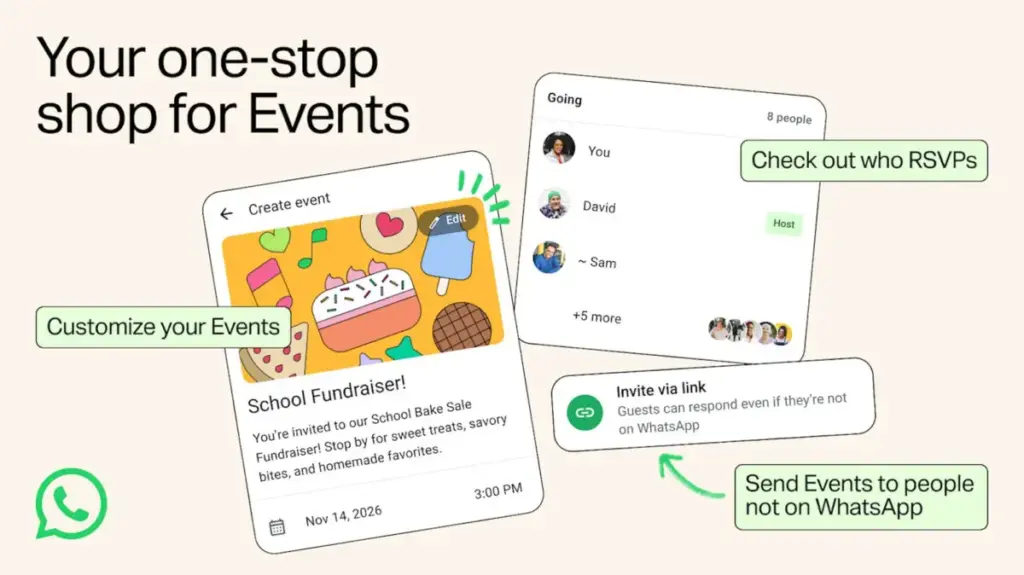
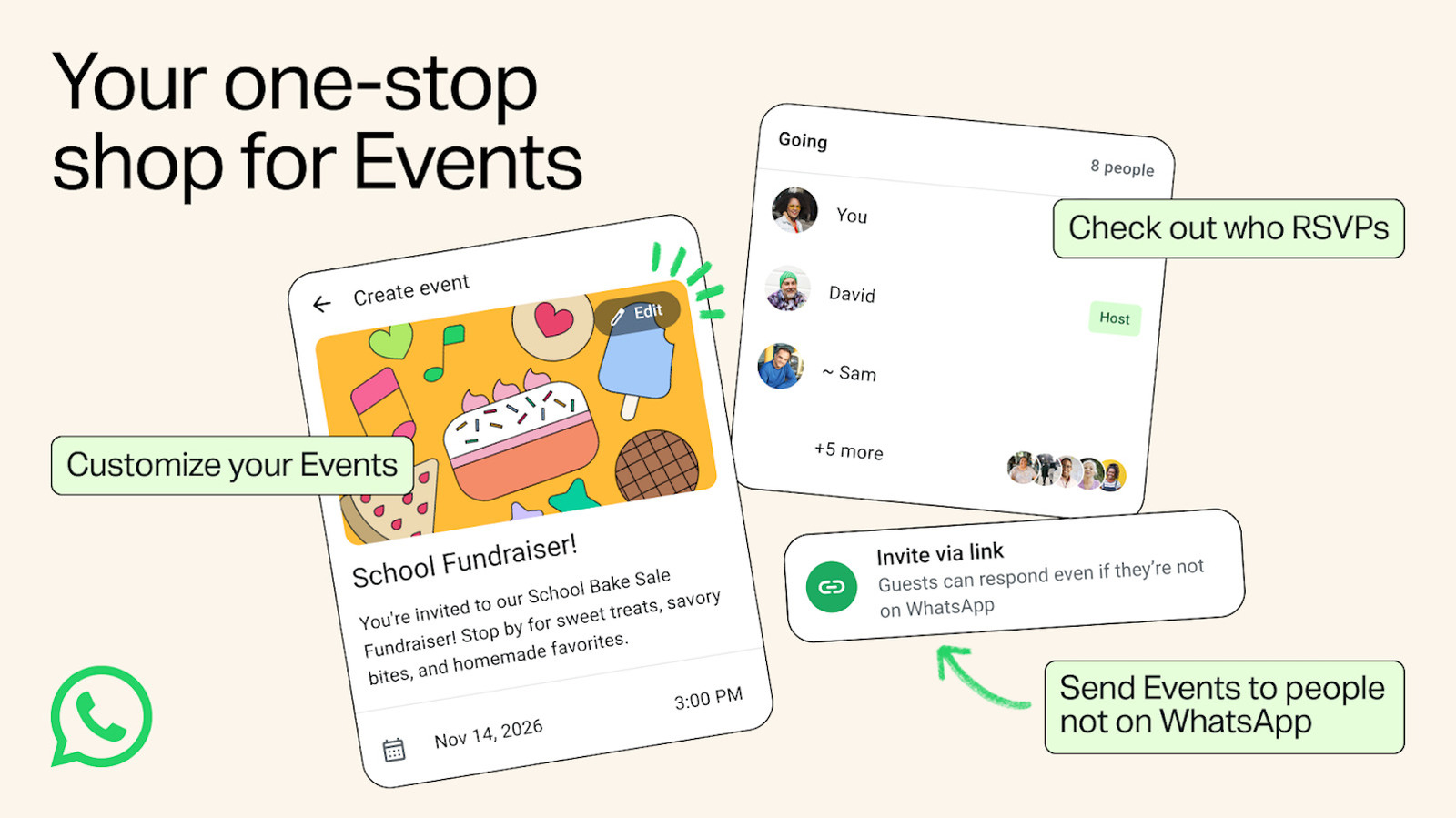
The new Events feature acts as a dedicated repository for all social coordination within the app. By navigating to the Events section within the WhatsApp settings menu, users will gain access to a comprehensive overview of their digital calendar. This hub allows individuals to track both past and upcoming plans, providing a streamlined interface to manage invitations, monitor RSVPs, and keep track of event details without needing to scroll through lengthy chat histories.
This functionality represents a major evolution from the basic event-planning tools that have existed on the platform in a limited capacity for some time. By formalizing these tools into a standalone section, WhatsApp is signaling its intent to capture a larger share of the social planning market, a space currently dominated by nimble, purpose-built apps that prioritize ease of use for diverse social circles.

One of the most significant aspects of this rollout is the removal of friction for participants who are not currently active on the WhatsApp platform. Historically, utilizing WhatsApp for group coordination necessitated that all participants maintain an account, which often acted as a barrier for inclusive social planning. With this update, hosts gain the ability to send invitations to guests regardless of whether they have a WhatsApp account. These external guests will be able to view essential event information, such as time and date, and confirm their attendance without the need to download the app or register for a profile.
Privacy, a cornerstone of WhatsApp’s branding, remains a central consideration in this update. To address potential concerns regarding the inclusion of non-users, the platform has implemented specific safeguards. A host’s phone number, typically a piece of personal contact information that is automatically shared within the app, will not be visible to guests whom the host does not know. Furthermore, the platform has implemented a tiered visibility system for those without an account: sensitive information, such as the specific event address, will remain hidden from guests who are not WhatsApp users until they have officially RSVP’d to the event. This balance of accessibility and privacy is intended to encourage users to utilize the feature for larger, more diverse groups where participants may not all be part of the same digital ecosystem.
Customization options have also been enhanced to ensure that these events carry a more personal touch. Hosts can now personalize their invitations with custom header photos, allowing for a more visually engaging experience that mirrors the aesthetic appeal of platforms like Partiful. Additionally, the inclusion of custom reminders ensures that guests stay informed about upcoming events, reducing the likelihood of missed plans and streamlining the communication process between the host and the group.
The decision to expand these features is part of a broader, sustained effort by WhatsApp to evolve beyond its roots as a simple peer-to-peer messaging service. Over the past year, the company has increasingly focused on initiatives that bridge the gap between its internal user base and the broader public. This strategy is clearly visible in the platform’s recent product roadmap. Last month, for example, WhatsApp introduced an option that allows individuals without a WhatsApp account to join video calls. This feature was designed to make the platform more useful for professional or social meetings where participants might be using different communication tools, effectively positioning WhatsApp as a more versatile utility for collaborative efforts.
Even more foundational to this strategy is the recent introduction of usernames, a change that stands as perhaps the most significant structural adjustment to the service this year. By allowing users to interact with one another using a unique handle rather than requiring the exchange of phone numbers, WhatsApp has significantly lowered the barrier to entry for new social connections. This move not only enhances user privacy by protecting personal contact details but also facilitates easier communication between individuals who are not yet well-acquainted, such as participants in large community groups or event planning threads.
The convergence of these updates—the new events hub, the ability to join calls as a guest, and the move toward username-based communication—suggests that WhatsApp is actively positioning itself to become a "super-app" for social life. By making its tools accessible to those outside its walled garden, WhatsApp is challenging the dominance of niche planning applications that have historically thrived by offering specific, easy-to-share web links that don’t require app installation.
For the average user, these changes translate to a more cohesive experience. Instead of relying on disparate services for messaging, photo sharing, and event planning, users can keep their coordination localized within the same environment where they already conduct their daily conversations. The shift toward a more open, inclusive, and feature-rich platform suggests that Meta is betting on the idea that users prefer convenience and consolidation over the fragmentation of their digital tools.
As the update rolls out over the coming weeks, the industry will be watching to see how successfully WhatsApp integrates these social features into its existing infrastructure. While the platform has long enjoyed a massive global user base, the success of these new event-planning tools will depend on how intuitively they function for the end user and how effectively they can maintain the platform’s reputation for security and privacy while opening its doors to non-users. By focusing on low-friction engagement, WhatsApp is not just adding a new feature; it is redefining its role in the daily lives of its users, aiming to be the primary destination for everything from intimate family gatherings to large-scale social coordination.