










For years, the software industry has been dominated by a subscription-based model that many users have come to view with growing resentment. Major corporations, most notably Adobe, have moved their flagship creative suites behind paywalls that require recurring monthly or annual fees to access essential tools. For the average user, this model creates a persistent financial burden, but for many, the true frustration lies in the difficulty of leaving. Once a user has spent years developing muscle memory within an interface like Photoshop or Lightroom, the "switching costs"—the time and effort required to learn a new, competing platform—become a powerful deterrent. However, a new wave of "vibe coding" and AI-driven reverse engineering is threatening to disrupt this status quo, offering users a potential escape route from the subscription trap.
"Vibe coding," a recent phenomenon where developers use AI models to conceptualize, write, and refine code through natural language prompts, has taken a significant turn. Earlier this month, a developer motivated by a deep-seated frustration with Adobe’s aggressive subscription terms utilized the power of Claude Opus 5.5 to perform a complex task: reverse-engineering Photoshop, Lightroom, and other staples of the Creative Cloud ecosystem. By deconstructing these applications, the developer and their team, operating under the banner of "Artcraft," successfully produced open-source, functional clones of these industry giants. These new versions are being made available for free, allowing anyone to download, use, and even modify the source code to their own specifications.
This development has ignited a fierce debate within the developer community and beyond. On one side are the proponents of the "open-source revolution," who argue that subscription-based software models are inherently abusive and that companies like Adobe have effectively held users hostage to their pricing structures. They view these AI-generated clones as a long-overdue form of digital liberation. On the other side, critics point to the legal and ethical gray areas, arguing that regardless of the intent, these projects may constitute unauthorized piracy and blatant infringement on intellectual property, trademarks, and copyright. The unprecedented speed with which AI is enabling these projects has left legal experts and industry observers scrambling to understand the implications for patent law and the future of software ownership.

Artcraft Sets Its Sights on Adobe
While the concept of free or open-source software is certainly not new—alternatives like GIMP, Darktable, and DaVinci Resolve have served as viable, free substitutes for Adobe’s tools for years—they have historically struggled to gain mass-market adoption. Despite their capabilities, they often fail to capture a significant user base because they require a complete departure from the workflows users have meticulously built over decades. Artcraft, however, is taking a different approach.
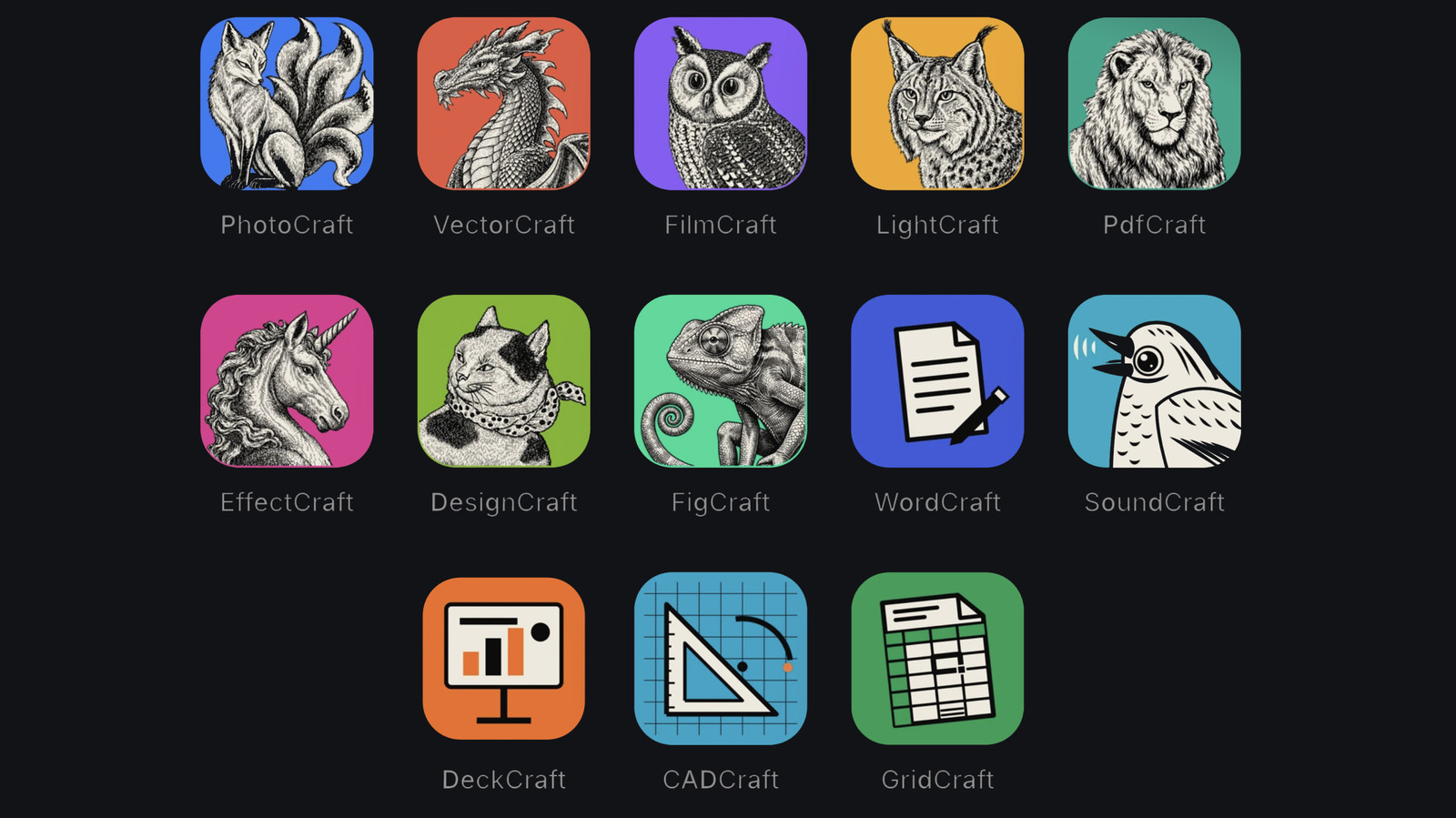
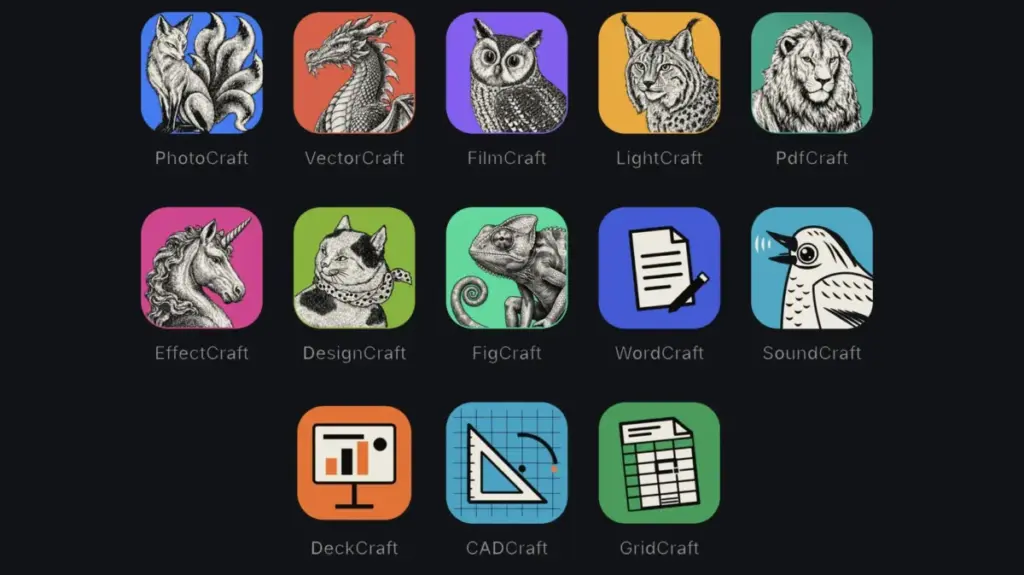
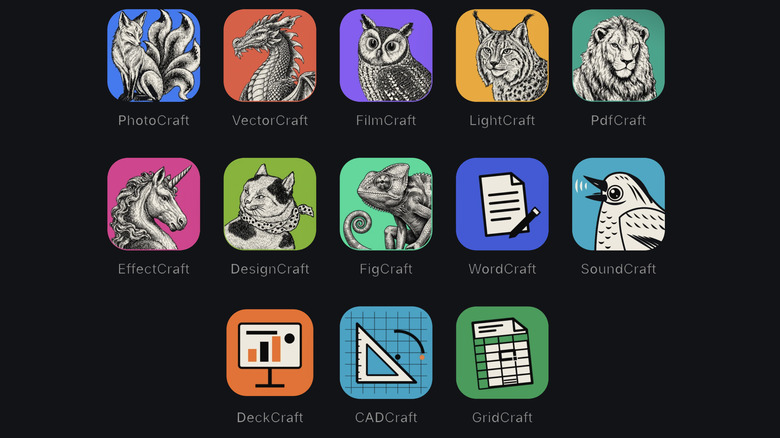
Launched in early October by software developer Brandon Thomas and his team, the Artcraft suite is marketed as a one-to-one replacement for Creative Cloud apps. The pitch is simple but compelling: the user interface is designed to mirror the Adobe experience, allowing users to transition without the steep learning curve that usually accompanies switching to a new program. "Free, no subscription, and you own the source code," the team declared in a recent Reddit thread detailing their project.
Thomas, who has been vocal about his motivations, turned to reverse engineering after feeling personally burned by Adobe’s policies, specifically the "cancellation fee" structures that many users find punitive. Using Claude Opus 5.5, he worked to create "clean room," pure Rust versions of the applications. He claims these versions are not only free from subscription requirements but also offer superior performance compared to the original, bloated software.
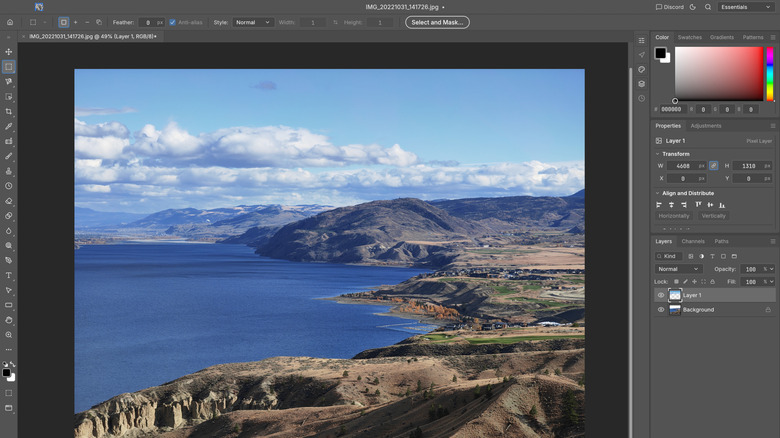
I was initially skeptical of the project, but my experience with "Photocraft," the team’s Photoshop replacement, was surprising. While it lacks the advanced AI-driven features found in modern Adobe releases, the application is surprisingly capable. I found that it could handle the core tasks I rely on most—resizing, masking, and color adjustments—with ease. Because the menus and controls are nearly identical to those in Photoshop, I was able to begin working immediately. It may not satisfy a high-end power user who relies on the full breadth of Adobe’s ecosystem, but for a significant portion of the subscriber base, it might prove to be more than adequate.
However, the project is not without its flaws. Users have reported significant bugs, including stability issues, instances of images being deleted, and random merging of layers. Furthermore, Photocraft currently struggles with native PSD files, a critical limitation for anyone looking to migrate their existing library of work. Despite these technical hurdles, Thomas remains undeterred, viewing the project as part of a larger mission to reclaim the digital landscape. "Software is over," he recently remarked on Hacker News. "AI lets us take back tech and set the clock back to the pre-sh***y era."
Reverse Engineering Anything
The success of the Artcraft team is not an isolated incident, nor is it limited to highly specialized developers. The trend is being accelerated by tools like "REA" (Reverse Engineer Anything), a project that has recently gone viral, racking up over 340,000 stars on GitHub. REA essentially does what its name implies: it allows users to deconstruct software and reconstruct it into clean, manageable code. According to its documentation, REA can inspect an application without needing the original source code, explain how individual features function, provide evidence of that functionality, and then build a version for the user’s own project.
This capability extends far beyond simple desktop apps. AI-driven reverse engineering is being applied to firmware in smart TVs to strip away intrusive advertisements, to household appliances like refrigerators, and even to musical instruments and smart frames. The gaming community, in particular, has seen an explosion of activity. Projects involving the full decompilation of classic titles like Tiger Woods PGA Tour 2004, Final Fantasy Tactics Advance, and Metroid Prime are becoming increasingly common. The impact is so profound that the community site decomp.dev recently announced its closure, noting that AI-driven decompilation has simply made the process too easy and accessible, effectively changing the nature of the hobby forever.
The Reaction So Far
The reaction to these developments has been sharply polarized. Within the SaaS (Software as a Service) community, some developers have expressed genuine admiration for the technical execution. One observer on Reddit noted that after years of building tools to read and write Photoshop files, they were impressed by the challenge of replicating such a complex interface and file format.
Conversely, the project has faced harsh criticism. Detractors argue that the resulting codebases are "unmaintainable" and lack the foundational understanding necessary for long-term development. Others have labeled the project "AI-driven slop," warning that such tools rely on intellectual property theft that violates the terms of service of the original software companies. There is also a significant legal hurdle: even if the Artcraft team never used a single line of Adobe’s original code, they may still be in violation of trademarks and patents that cover the specific workflows and user interface elements of the apps. Adobe’s terms of use explicitly prohibit the reverse engineering of their software, setting the stage for a potential legal showdown.
Regardless of the eventual legal outcomes, it is clear that the "Pandora’s box" of AI-assisted development has been opened. A single individual, armed with the right AI models, can now accomplish what previously required an entire engineering department. While this will undoubtedly lead to a flood of poorly constructed, low-quality software, it also presents a genuine threat to the dominance of subscription-reliant giants. For companies like Adobe, the rise of Artcraft and similar projects may serve as a warning: if they do not find ways to make their business models more palatable to the end user, they may find themselves being replaced by the very technology they helped to create.