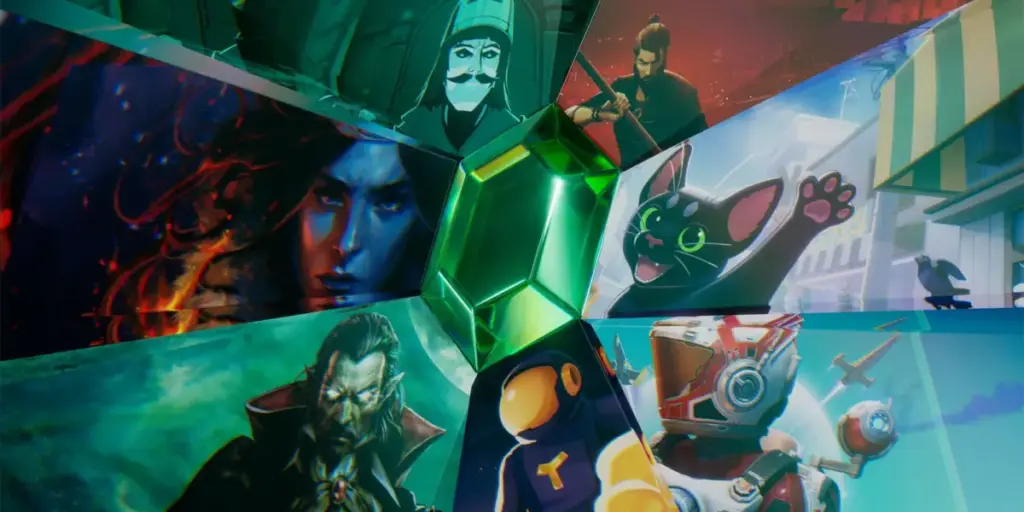
Apple has officially inaugurated its highly anticipated "Indie Games Week" on the App Store, a dedicated promotional event designed to shine a spotlight on the burgeoning ecosystem of independent game developers. By highlighting seven specific titles that have either recently debuted or are poised to launch in the immediate future, the company is reaffirming its commitment to the small-scale studios and solo creators who have become the heartbeat of mobile gaming innovation. This week-long celebration serves as both a showcase for cutting-edge artistry and a strategic effort to bridge the gap between niche, high-quality projects and the massive, global audience of iPhone users.
The move comes at a time when the App Store’s gaming category is increasingly dominated by massive franchises and live-service behemoths. By carving out a dedicated space for indie titles, Apple is looking to emphasize the diversity of experience available on its platform. These seven featured games represent a wide spectrum of creative expression, ranging from experimental gameplay mechanics and bold visual styles to narrative-driven experiences that challenge the traditional conventions of mobile gaming.
Celebrating the Creative Vanguard of Mobile Gaming
The spotlight provided by Apple during this week is more than just a marketing push; it is an acknowledgment of the distinct role indie developers play in the technology giant’s broader gaming strategy. While AAA studios often provide the high-fidelity experiences that showcase the technical power of the latest iPhone hardware, it is frequently the independent sector that introduces the most daring design philosophies and novel storytelling techniques.

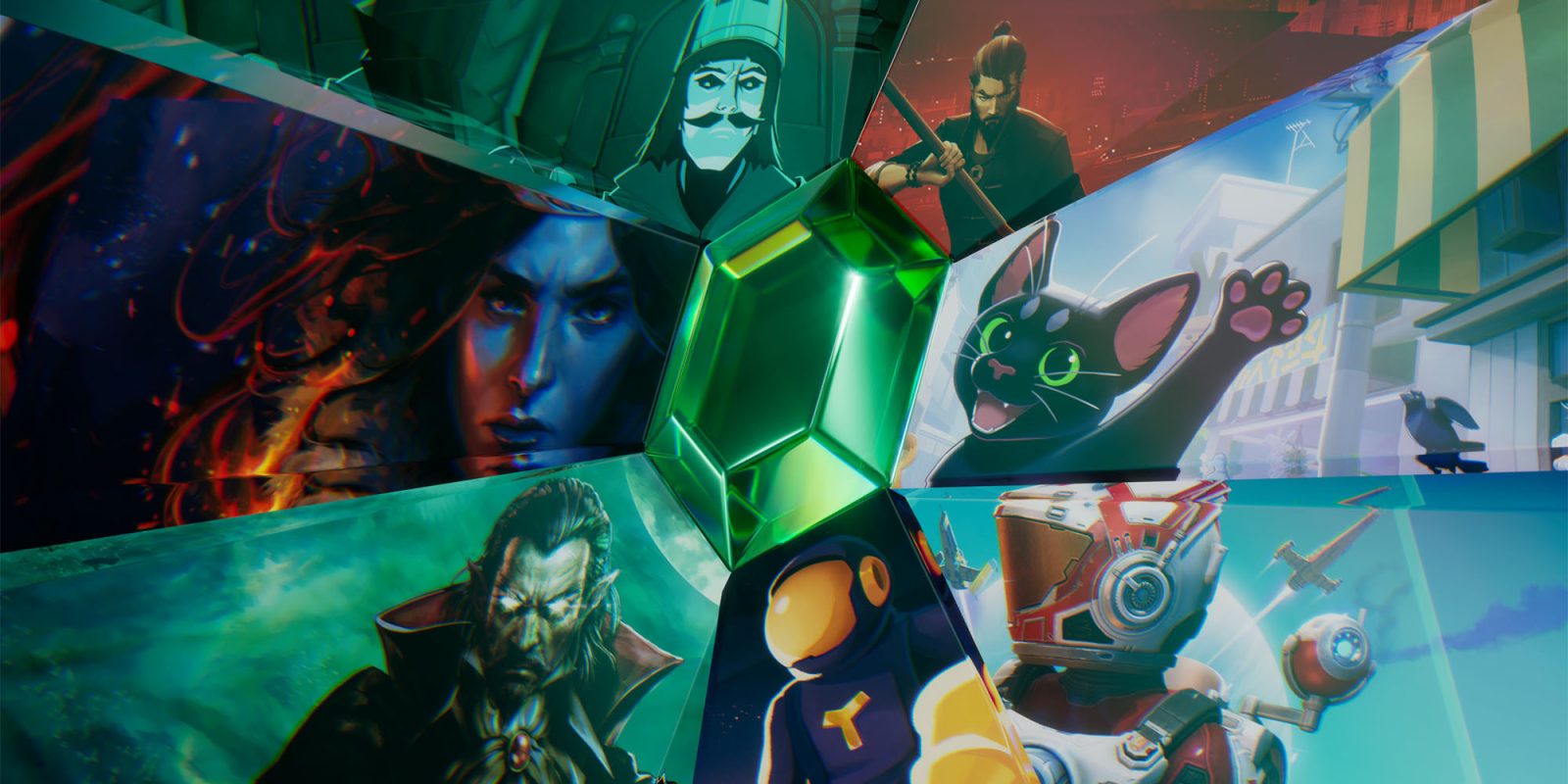
In a formal statement released in conjunction with the launch of the event, Carson Oliver, Apple’s head of App Store Worldwide, emphasized the importance of this creative diversity. He noted that independent games are consistently pushing the boundaries of what users expect from their mobile devices, often delivering unique gameplay experiences that might not find a home within the constraints of larger corporate publishers. According to Oliver, Apple’s goal is to celebrate not only the final products but the teams behind them—those who take the significant creative and financial risks necessary to move the entire medium of gaming forward.
The philosophy behind this celebration is rooted in the idea that the App Store acts as a vital conduit for talent. Whether a title originates from a dedicated solo developer working in a home office or a small, growing studio navigating the complexities of game production, Apple sees itself as the facilitator that provides these creators with a global stage. By transforming what are often considered "daring visions" into accessible, worldwide hits, the company hopes to maintain the App Store as a fertile ground for innovation rather than just a retail storefront. The excitement surrounding this week is palpable, as it offers a rare moment for these developers to receive the same level of editorial and promotional focus usually reserved for major industry players.
The Role of Indie Developers in the App Store Ecosystem
To understand why Apple invests in "Indie Games Week," one must consider the historical evolution of the App Store. Since its inception, the platform has thrived on the "long tail" of developers—the thousands of small creators who have built the app economy into what it is today. Independent games, in particular, have been instrumental in defining the "mobile-first" experience, utilizing touch controls, haptic feedback, and the portability of the iPhone to create games that feel native to the device rather than ported from consoles or PCs.
The current landscape of mobile gaming is incredibly competitive, with millions of apps vying for user attention. For an indie developer, the challenge is not just technical execution, but visibility. The App Store’s editorial team plays a critical role in this dynamic. By featuring these seven select titles, Apple is effectively providing a seal of quality that can significantly impact a developer’s reach. This visibility is often the difference between a game being lost in the noise of the algorithm and a game becoming a breakout success that defines a genre.
Furthermore, the emphasis on "breathtaking artistry, brilliant design, and deeply moving stories" in Apple’s announcement suggests a pivot toward valuing the emotional resonance of games. As mobile devices become more capable, the gap in quality between mobile titles and traditional gaming platforms has narrowed. This has allowed indie developers to focus on higher-fidelity art styles and more complex narrative arcs. Apple is clearly eager to showcase this maturation of the medium, demonstrating to its user base that their phones are as much a platform for prestige, art-house gaming as they are for casual, quick-fire sessions.
Looking Ahead: The Future of Independent Gaming
As the week progresses, users visiting the App Store will see prominent banners and curated collections highlighting these featured games. This initiative is expected to drive significant traffic toward these titles, potentially altering the trajectories of the studios involved. It is a mutually beneficial arrangement: developers receive the spotlight they deserve, and Apple solidifies its reputation as a champion of creativity and a patron of the arts in the digital age.

For users who are perhaps tired of the repetitive nature of some mainstream mobile titles, this week serves as an invitation to explore something different. The indie scene is often where the most interesting trends begin—from the rise of minimalist puzzle games that dominated the early days of the App Store to the complex, atmospheric adventures that are currently capturing the imaginations of players worldwide.
The success of these seven highlighted games will likely be monitored closely by both the developer community and Apple’s internal teams. If this week-long promotion proves successful in driving engagement and downloads, it may lead to more frequent, structured celebrations of independent creators throughout the year. The broader implication is that the App Store is continuing to evolve away from being a passive marketplace and toward becoming an active curator of digital culture.
Ultimately, the focus on these specific games acts as a microcosm of what makes the indie movement so vital. It celebrates the individual voice, the specific aesthetic, and the risk-taking nature of developers who prioritize innovation over market trends. As the industry looks toward the next generation of hardware and software, it is clear that independent developers will remain at the forefront, continuing to challenge expectations and proving that even the smallest teams can leave a lasting mark on the global gaming landscape. The invitation is now extended to the public to engage with these stories and designs, ensuring that the spirit of indie creativity remains a central pillar of the Apple ecosystem.