










Modern pet ownership has evolved far beyond traditional bowls and basic leashes. Over the past year, reviewers and their pets at CNET banded together to test the latest wave of technology designed specifically for animals. From smart pet cameras and app-connected litter boxes to specialized vacuums, tracking collars, and automated feeders, the team put a wide array of devices through real-world trials to determine which products genuinely improve the lives of pets and their human companions.
The goal of this extensive testing period was to collect the top-performing products in one comprehensive overview, helping pet owners decide what works best for their animals and which older pet products might be ready for a high-tech upgrade. While not every gadget survived the rigorous evaluation process, the selected items made a measurable difference in daily pet care routines.

Upgrading Home Monitoring with Advanced Pet Cameras
Keeping an eye on pets while away from home has become a primary focus for many owners, prompting a shift from standard home security equipment to dedicated pet monitoring devices. Among the top performers tested by the CNET team, the Petcube 360 Cam emerged as the best overall pet camera for its mix of affordability and capability. This compact 1080p camera offers an 8-fold digital zoom, 30-foot night vision, and a 360-degree panning function that allows owners to locate their pets from any central spot in the house. A physical privacy shutter provides added peace of mind, while a monthly subscription option unlocks advanced AI descriptive alerts for pet movements, sounds, and human detection.

For those seeking more interactive features, the Furbo 360-Degree Pet Cam offers a distinct alternative. Available in dedicated dog and cat versions, the camera integrates two-way audio and a treat-tossing function that lets owners interact with their pets remotely, provided it aligns with the animal’s diet. The device also features activity and object detection to send descriptive alerts, though reviewers noted that algorithms occasionally misidentify household objects like robot vacuums as pets. Ongoing features require a monthly subscription fee, making it best suited for owners who want detailed updates and remote treat-tossing capabilities.

Smart Collars for Safety and Health Tracking
Location tracking and health monitoring have also seen significant technological advancements, particularly through smart collars. For cat owners looking to keep tabs on adventurous felines, the Petcube GPS Collar Tracker offers an affordable option equipped with built-in GPS and a glow-in-the-dark LED light. This feature proves especially useful for finding cats that wander into the dark or hide under porches. The device is fully waterproof, fits most average-sized collars, and boasts a battery life of up to 30 days.
Experts in veterinary telehealth emphasize that modern smart collars serve purposes far beyond simple location tracking. According to Dr. Abel Gonzalez, clinical director and veterinarian at the telehealth platform Dutch, smart collars now function as comprehensive health monitors. These devices track heart rate, temperature, and shifts in activity or sleep patterns that can signal early illness, pain, or anxiety—particularly helpful when holiday travel or visiting guests disrupt a pet’s normal routine.

For larger dog breeds, the Tractive Dog 6 GPS tracker provides reliable location monitoring and health insights by combining satellite networks, cellular signals, and Bluetooth. Available in two sizes and multiple colors, the Tractive tracker offers unlimited range tracking and remote activation lights and sounds via a mobile app, though a mandatory monthly subscription is required for operation.
Meanwhile, small dog owners often turn to the Fi Series 3 GPS Dog Collar. Offering similar health and activity tracking targets tailored by breed and age, the Fi collar stands out for an industry-leading battery life that can last up to three months on a single charge. Its lightweight design accommodates petite dogs under 15 pounds, while its durable build withstands heavy resistance from larger, active animals.

Revolutionizing Pet Hydration and Feeding Routines
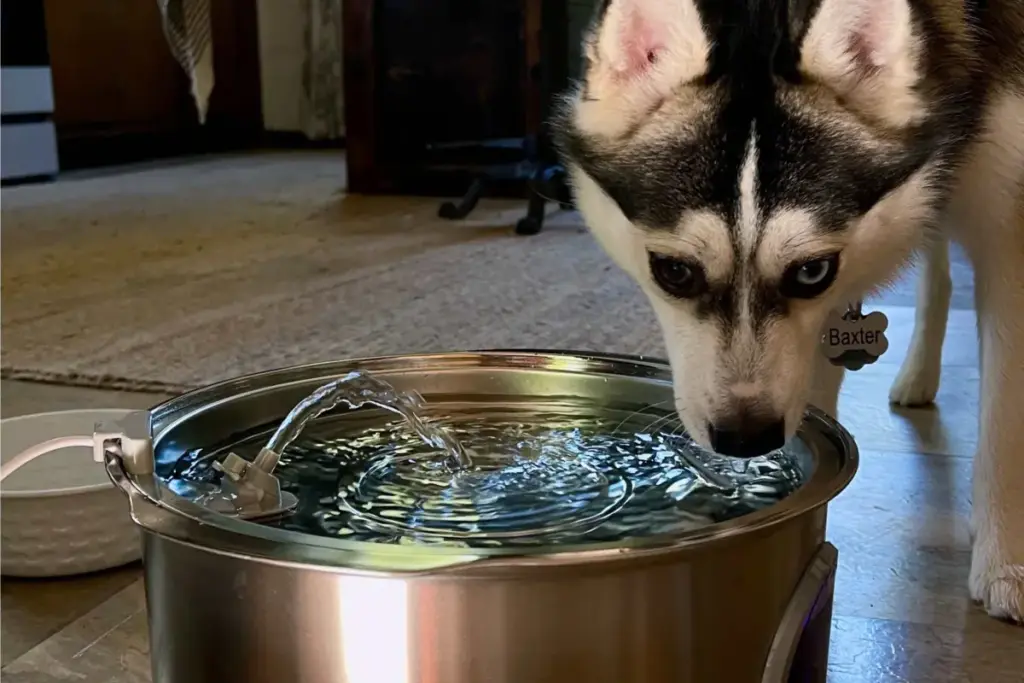
Hydration technology has similarly advanced to encourage better drinking habits among picky pets. Wireless pet fountains, such as the Petcube Wireless Smart Fountain, allow owners to place moving water sources wherever animals feel most comfortable. Incorporating motion-sensing technology and app controls, the Petcube fountain preserves battery life by activating only when movement is detected nearby, featuring a near-noiseless bubbling spout and a multi-layer filtration system.
For larger dogs requiring higher water capacities, the PawsPik Bubbling Water Bowl offers a 1.8-gallon capacity, five-layer filtration, and an adjustable nozzle to minimize splashing noises. While it requires a wall outlet rather than operating on a rechargeable battery, its low-water alert light simplifies monitoring.

Automatic feeding devices have likewise transformed portion control and meal scheduling. The PawSync Smart Feeder addresses a common frustration among cat owners by integrating a built-in scale directly into the bowl. This scale provides precise portion control, tracks food intake, and automatically skips scheduled meals if previous food remains uneaten in the bowl.
For cats requiring specialized diets, the Petlibro Polar Wet Food Feeder keeps wet food fresh and cool for up to three days using an integrated cooling system. The device operates quietly, sounds an alert bell at mealtime, and allows owners to customize feeding schedules down to the minute via a mobile app, solving the common issue of spoiled wet food when owners are away from home.

Maintaining Clean Floors and Identifying Hidden Messes
Living with pets inevitably involves managing hair, litter scatter, and occasional accidents, prompting many households to invest in automated cleaning technology. The Shark Matrix Self-Emptying Robot Vacuum helps eliminate daily sweeping routines by navigating floors via LiDAR mapping and storing up to 45 days of debris in a bagless base. Operating quietly enough to avoid startling animals or interrupting work calls, the vacuum handles a mix of hardwood floors and low-pile rugs efficiently.
For spot-cleaning localized messes, the Shark StainForce portable spot cleaner combines wet-dry vacuuming with stain removal to tackle stubborn carpet spots left by fast-eating pets or muddy paws. Reviewers noted its effectiveness even on older, dried-out stains, making it a valuable tool for quick interventions.

To locate invisible pet messes that require cleaning, the OLIGHT ArkPro Ultra Flashlight offers a powerful multi-mode lighting system, including an effective ultraviolet setting. The UV mode helps owners identify biological spots and stains across floors and carpets even after initial cleaning attempts, functioning as a practical diagnostic tool for pet households.
Advanced Litter Management and High-End Tech
Multicat households often face the heaviest maintenance burdens, leading to investments in advanced automated litter boxes like the Whisker Litter-Robot 5. Designed for easy setup and daily time savings, the device identifies individual cats by weight, records facility usage duration, and automatically cycles waste after a set interval. The accompanying mobile app tracks waste bin levels, litter capacity, and usage history, helping multi-pet owners eliminate the need for manual daily scooping.

For owners seeking a comprehensive high-end device, the Petkit Eversweet Ultra Pet Water Fountain combines a multi-tank water filtration system with an integrated AI camera. The low-angle camera captures nearby pet activity and distinguishes between an animal simply approaching the fountain and actually taking a drink, enabling precise hydration tracking.
When introducing any new technology into a household, experts recommend a cautious, gradual approach to ensure pets remain comfortable and unstressed. Monitoring an animal’s initial reaction, maintaining familiar placement, and consulting a veterinarian when concerns arise remain essential steps for integrating smart devices into animal care routines.