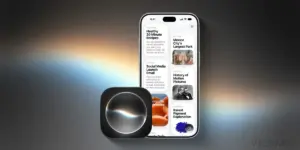









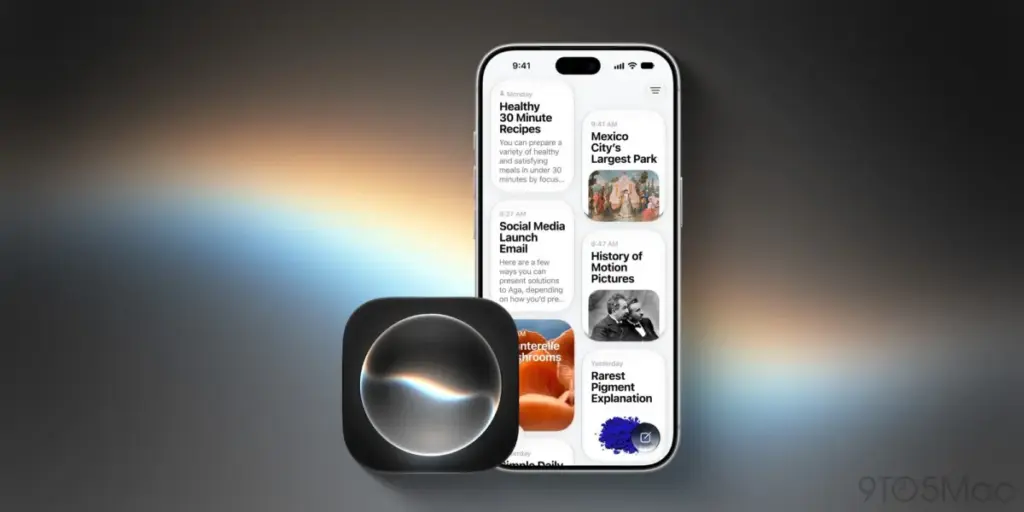
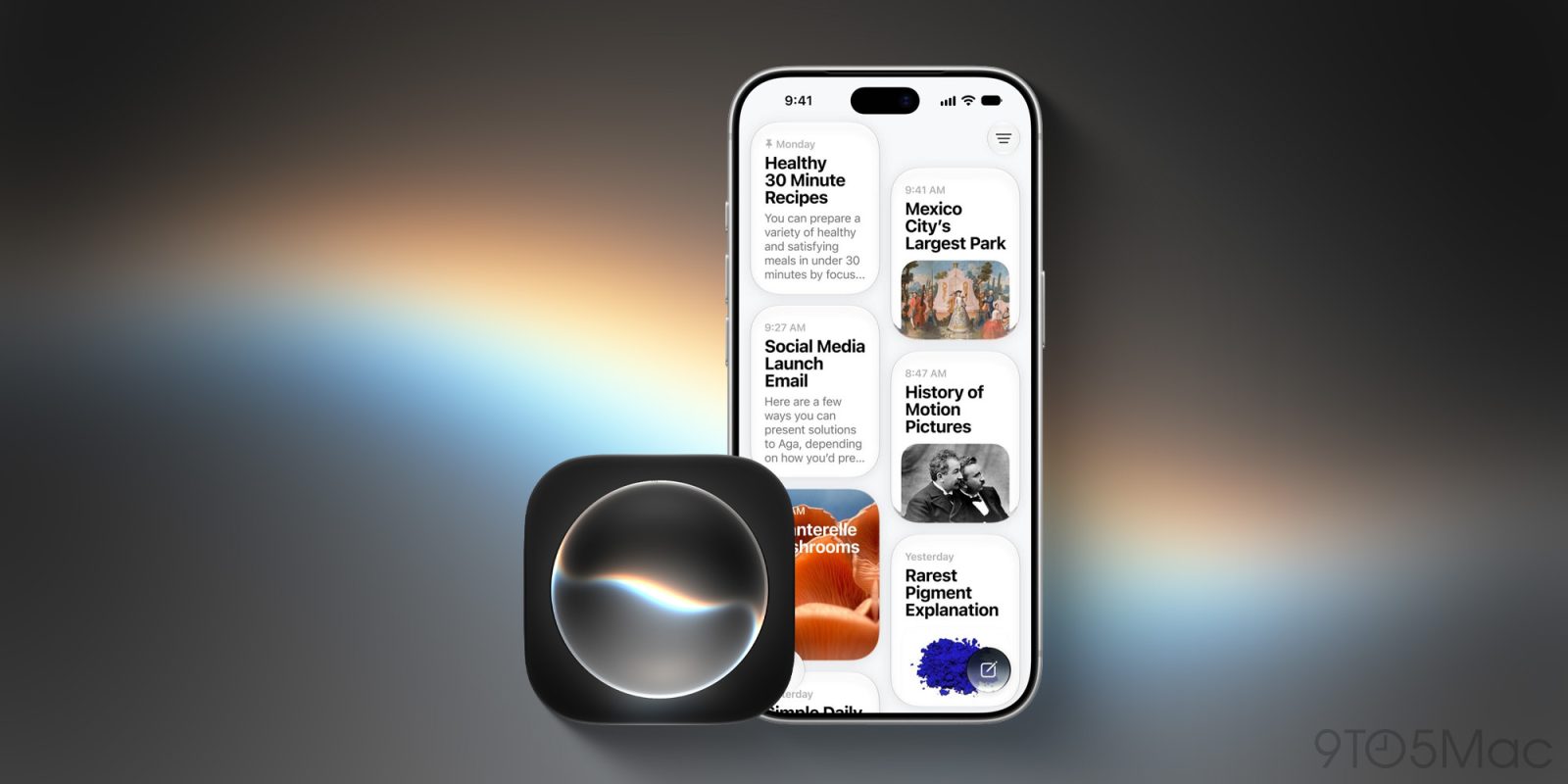
Apple has officially reached a significant milestone in its long-term artificial intelligence roadmap with the release of the personalized Siri capabilities in iOS 27. The rollout marks the culmination of a multi-year effort that began in earnest back in 2024, when the company first signaled its intent to overhaul its voice assistant to meet the rapidly shifting demands of the generative AI era. By delivering on these initial promises, Apple has successfully integrated a more context-aware, personalized assistant into the core of its mobile ecosystem. However, even as users settle into the latest version of iOS, the tech industry’s focus has already moved toward the next frontier: proactive, agentic AI.
While the current iteration of Siri represents a substantial leap forward in personalization, it still lacks the ability to function as a truly autonomous agent—a feature that has become the gold standard among leading AI competitors. In the current market, "agentic" capabilities refer to the ability of an AI system to take proactive, multi-step actions on a user’s behalf without requiring constant manual intervention or individual prompts. As other major technology firms pivot toward this new paradigm, Apple finds itself at a critical juncture. According to recent reporting from Mark Gurman in his Power On newsletter, Apple is already deep in the development phase for iOS 28, with the express goal of transforming Siri into a more sophisticated, agent-driven assistant.
The Rise of Agentic AI and Apple’s Competitive Landscape
The push toward agentic AI is not merely a trend; it represents a fundamental shift in how consumers interact with their devices. In recent months, industry heavyweights including Meta and various specialized AI firms have aggressively shifted resources toward interfaces that can carry out complex, multi-stage tasks. These new "agents"—such as the emerging systems known as Muse and Grok Bot—operate by maintaining their own virtual machines. This allows them to proactively handle tasks in the background, keeping track of long-term goals and determining the necessary sequence of actions to reach them. Unlike traditional assistants that respond to a single query, these agents can continue pursuing objectives even after the user has moved on to other tasks.

For Apple, the challenge is to match this level of sophistication while maintaining its signature focus on user privacy and seamless integration. The company arguably holds a unique advantage in this race. Over the past several years, Apple has built a robust foundation of proprietary frameworks, most notably "App Intents." These frameworks allow the operating system to understand and interact with third-party applications at a granular level.
By leveraging App Intents, Apple could potentially leapfrog some of the "computer-use" challenges that other AI companies face. While competitors are working to build AI models that can "see" and navigate a graphical user interface like a human, Apple’s architecture allows its AI to talk directly to apps via code. This makes the execution of complex tasks significantly more efficient, less computationally expensive, and inherently more reliable. If Apple can successfully transition Siri into an agent that utilizes these existing deep-system integrations, it could provide a level of performance that is difficult for external AI wrappers to replicate.
Navigating the Future: The Vision for iOS 28
Mark Gurman’s latest reporting highlights that the transition to a proactive, agentic Siri is likely on the roadmap for as early as next year. In his analysis, Gurman notes that the pressure on Apple to evolve is immense, driven by both rapid consumer expectations and the blistering pace of competition.
"Dots, Muse, and Grok can keep track of goals, determine what needs to happen next, and continue pursuing objectives without the user initiating every individual step," Gurman explains. "Apple ultimately wants to go in this direction, I’m told, and I believe the company could make Siri more like an agent as early as next year—not that it has much of a choice, given current consumer and market demands."
The vision for this next-generation Siri is one where the user acts more as a project manager than a manual operator. Instead of telling Siri to "set a timer for 10 minutes" or "send a message," a user might simply express a goal—such as "plan a travel itinerary for my trip to Tokyo next month"—and the agentic Siri would take over. It would determine the necessary steps: checking calendars, researching flights, consulting weather patterns, and cross-referencing user preferences, all while seeking confirmation only when a final decision is required. Whether Apple chooses to brand this as an evolution of Siri or a new, distinct category of AI remains to be seen, but the intent to move beyond reactive voice commands is clear.
Refining the Internal Development Engine
Achieving such a monumental shift in functionality requires more than just high-level engineering; it requires a structural change in how Apple builds its software. Recognizing that the traditional development cycles that served the company well for decades may be insufficient for the age of AI, Apple has begun to overhaul its internal processes.
According to reports, Apple is shifting its focus to provide engineers with more "breathing room" to explore and refine features before they are committed to the rigid constraints of the operating system integration phase. In the past, Apple’s development cycle for major updates was typically split into two four-week blocks: one for development and one for integration. This cadence often prioritized the stability of the OS above all else, which, while beneficial for software reliability, sometimes limited the scope for experimental feature development.

For the development cycle of the M1 milestone in the lead-up to iOS 28, Apple has reportedly adopted a new, more flexible approach. The cycle has been extended to an eight-week window, with six weeks dedicated to coding, creative exploration, and feature development, and only two weeks allotted for integration. This change is widely seen as a direct response to the rise of AI-assisted coding tools, which have drastically increased the velocity at which developers can write and test code.
Early feedback from within the company suggests that this change has been met with enthusiasm. By granting engineers an extra two weeks to experiment before the "lock-in" phase of development, Apple is fostering a culture of innovation that is better suited to the unpredictable nature of machine learning development. Employees have indicated that the new process allows them to better visualize the potential of new AI features and refine them to a higher standard before they are integrated into the final build.
As the company looks toward the launch of iOS 28, this internal shift toward a more agile, exploration-focused pipeline may prove to be just as important as the underlying AI models themselves. With a refined development process and a massive ecosystem of App Intents already in place, Apple is positioning itself to be a formidable player in the agentic AI landscape. While the path from the current version of Siri to a fully proactive agent is complex, the structural changes and clear strategic focus indicate that Apple is preparing to meet the challenge head-on. The industry will be watching closely to see if the company can deliver an agentic experience that lives up to its reputation for user-centric design.