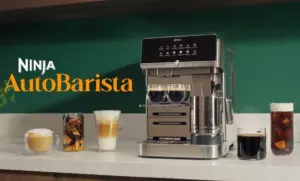







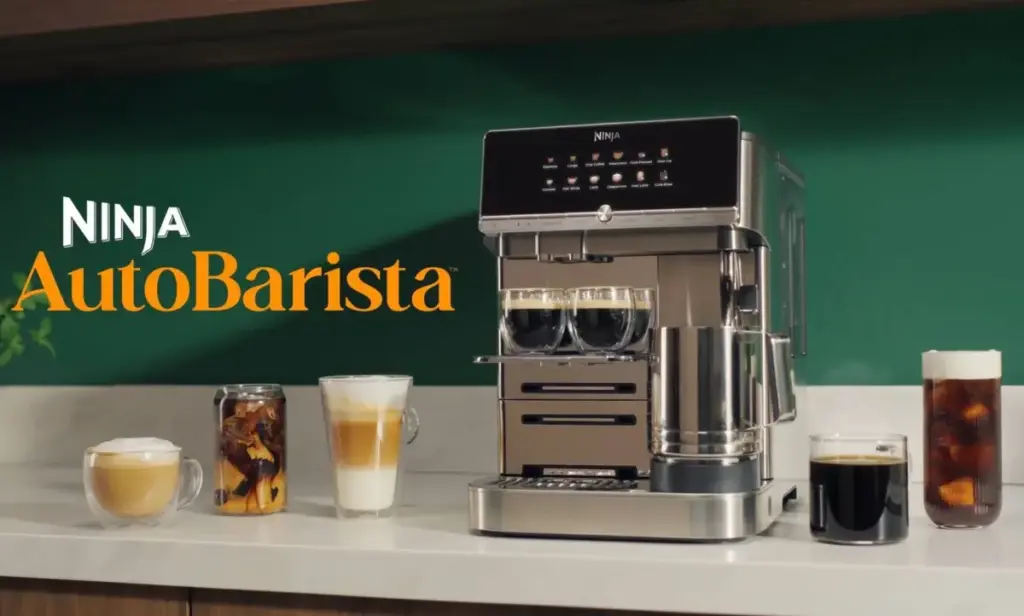
For many coffee lovers, the path to the perfect morning cup is a ritual steeped in precision. It involves meticulously weighing beans, calibrating burr grinders to the micron, monitoring water temperatures with digital thermometers, and perfecting the art of the tamp. But for those who crave the quality of a café-style beverage without the steep learning curve or the time-intensive labor, the modern kitchen appliance market has long promised a compromise. Enter the Ninja AutoBarista, a fully automatic espresso machine designed to bring the complexity of a neighborhood coffee shop into the home—provided you are willing to let the machine do all the thinking for you.
The promise of the AutoBarista is one of radical simplification. Having experimented with a dozen different drink varieties on the machine, it becomes clear that the device is built for a specific kind of user: one who wants a premium result but has no interest in mastering the variables of grind size, extraction pressure, or brew timing. With the press of a single button, the AutoBarista navigates these technical hurdles automatically, offering a menu of 13 different beverages. It is a machine that bridges the gap between a high-end manual espresso setup and a basic drip coffee maker, capable of handling everything from standard drip coffee to milk-based drinks like cappuccinos and flat whites, as well as rapid cold brew and cold-pressed espresso.
At the heart of this functionality is what Ninja calls "Grind iQ." This proprietary technology serves as the machine’s internal brain, designed to sense the characteristics of the coffee beans placed in the hopper. By analyzing bean size, roast profile, and freshness, the system auto-calibrates the grind, dosage, and water flow to match the specific drink selected. If the user adjusts the desired shot intensity, temperature, or number of shots, the Grind iQ system recalculates these parameters in real time. For the uninitiated, this is a transformative level of convenience; for the traditionalist, it represents a total relinquishing of control.

It is important to recognize where the AutoBarista fits within the broader landscape of home coffee brewing. If the prospect of a machine handling these variables feels like "bowling with the bumpers up" or navigating a video game with steer assist, it is likely not the right tool for your kitchen. This device is not designed for the self-proclaimed coffee snob who finds joy in the tactile, granular control of a manual espresso pull or the meditative process of a pour-over. It is, however, an intriguing solution for the person who loves the taste of a high-quality espresso but has never felt the need to analyze the composition of a spent espresso puck.
The physical design of the AutoBarista reflects its ambition to be an all-in-one station. One side of the unit is dedicated to the extraction of espresso or the brewing of drip coffee, while the other features an integrated automatic milk frother complete with a stainless steel pitcher. This frothing system allows for a degree of customization, letting users adjust both the temperature and the texture of the foam. Notably, the system includes a specific setting for plant-based milks, acknowledging the shift in consumer preferences toward dairy alternatives.

In terms of performance, the AutoBarista succeeds in delivering high-quality beverages, even if the user is not particularly invested in the mechanics of the process. The drinks are consistent, and the interface is intuitive enough that the complexity of the internal engineering remains largely invisible. However, the machine’s commitment to maintenance is a double-edged sword. To ensure that every cup tastes fresh and to prevent the buildup of oils, the AutoBarista performs an automated rinse cycle before and after every drink. While this is an excellent feature for hygiene—particularly for those who, like many casual users, might not make a cup of coffee every single day—it introduces a practical design challenge.
The rinse water is diverted into a drip tray that, in practice, fills up far more quickly than one might expect. For a household with more than one person, the drip tray becomes a daily maintenance requirement rather than a weekly one. The tray is easy to remove, but the design is prone to overfilling, which has led to more than one instance of coffee-tinted water spilling onto the kitchen floor. For a device that prides itself on seamless convenience, this creates a frustrating point of friction.
Furthermore, the machine requires a disciplined approach to the internal waste bin. When the drip tray is removed, the user gains access to the knock box, which stores the spent espresso pucks. Because the machine is essentially an all-in-one system, it is easy to forget about the waste collection until it becomes an issue. If the knock box is left unemptied for several days, the moisture trapped within the pucks can quickly lead to mold growth—a jarring experience for any user expecting a clean, high-tech experience. While this level of maintenance is perhaps standard for any automatic espresso machine, it serves as a stark reminder that even the most "automatic" devices require human intervention. For some, the prospect of cleaning moldy waste might be enough to push them back toward simpler, more manual alternatives, such as a basic cold brew carafe that costs a fraction of the AutoBarista’s $999.99 price point.
That said, the "arduous" nature of the machine’s maintenance is subjective. It largely depends on the user’s habits. For someone who prefers a minimal morning routine and is willing to stay on top of the bin and tray, the maintenance may feel like a minor tax on the convenience of the machine. The AutoBarista is ultimately a testament to Ninja’s broader design philosophy: the company excels at creating multi-use kitchen appliances that consolidate several disparate tools into a single, cohesive unit. In this case, the machine serves as a grinder, a drip coffee maker, an espresso machine, a milk frother, and a food scale.
The value proposition of the Ninja AutoBarista hinges entirely on the user’s intention to utilize that versatility. If you are a casual drinker looking for a one-stop-shop for a variety of café-style beverages and you are willing to embrace the automated "Grind iQ" ecosystem, the machine offers a significant step up in convenience and quality. However, if you do not plan to leverage the machine’s ability to switch between drip, espresso, and various milk-based drinks, the $999.99 price tag may be difficult to justify. It is a powerful, capable, and highly opinionated piece of technology that works beautifully for the right person, provided that person remembers to empty the knock box.