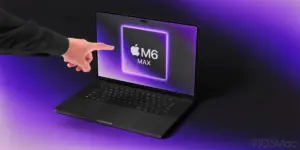










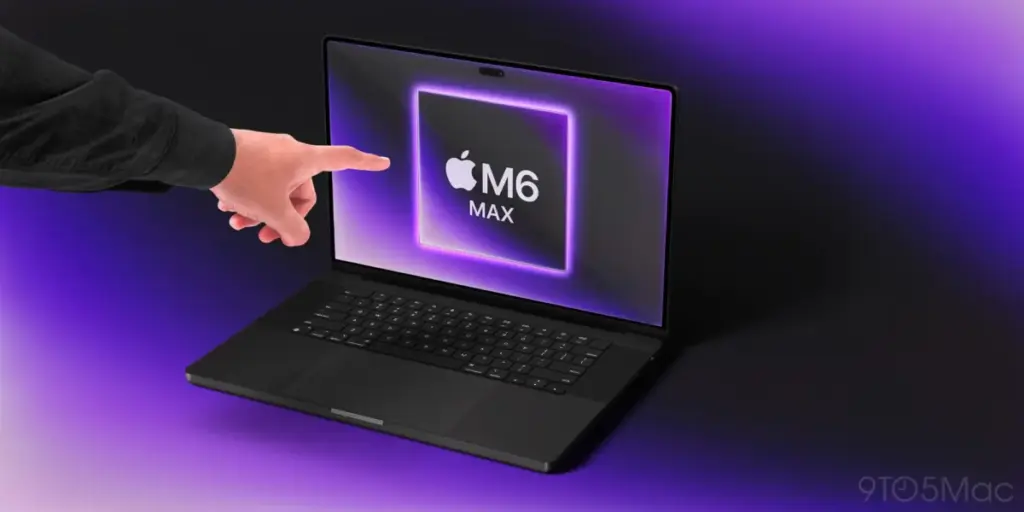
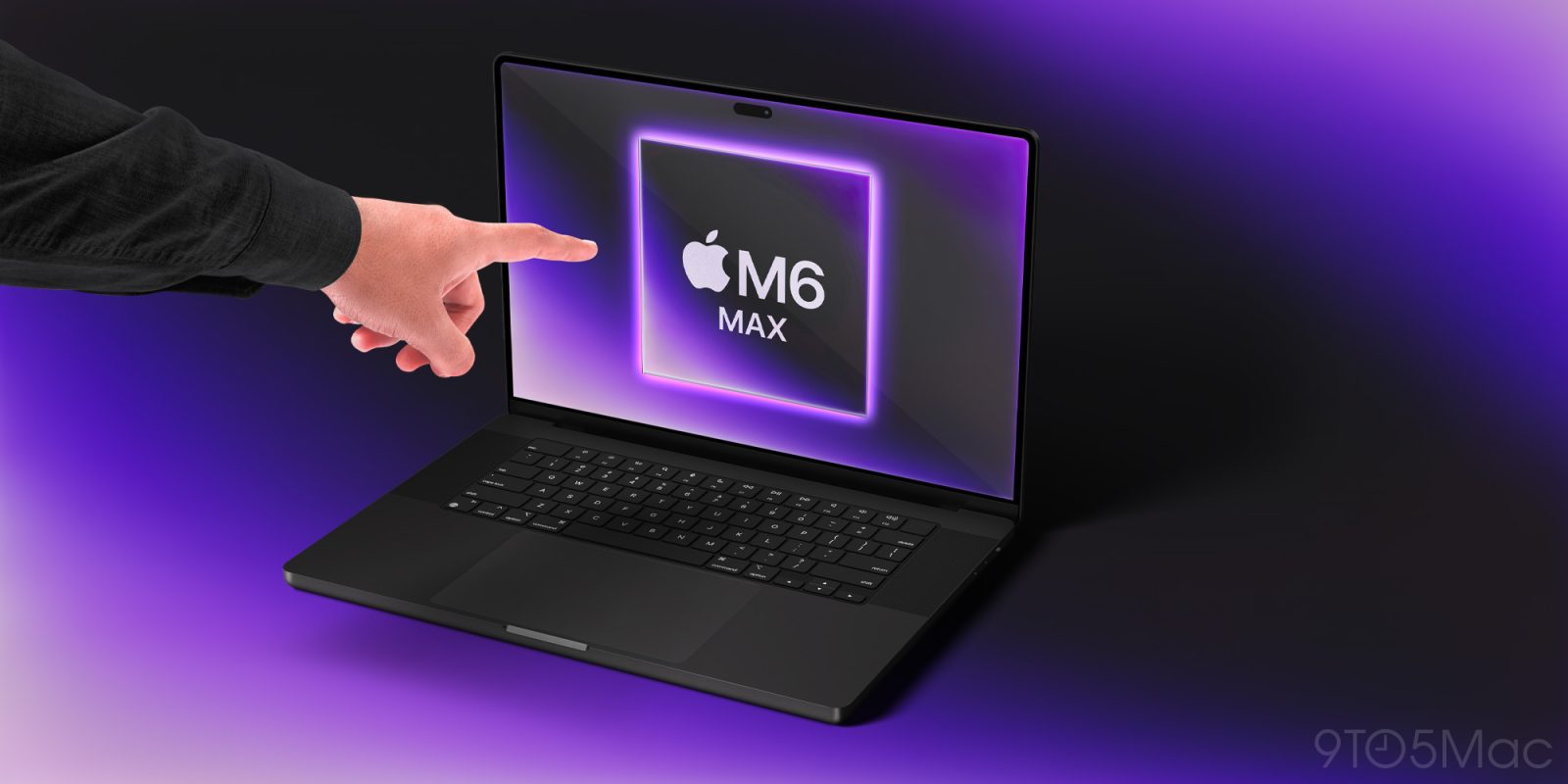
As Apple prepares for its highly anticipated “Pro and Tell” event scheduled for tomorrow, October 28, the tech world is bracing for what could be the most significant hardware shift in the history of the Mac. According to the latest reporting from Bloomberg’s Mark Gurman, Apple is set to unveil its first-ever MacBook Pro models equipped with OLED touchscreens. These new machines represent more than just a component upgrade; they signify a fundamental shift in Apple’s design philosophy, blending the high-performance requirements of professional users with the interactive versatility of touch-based computing.
A New Chapter for the MacBook Pro
For years, Apple maintained a steadfast stance against integrating touchscreens into its laptop lineup, often arguing that the ergonomics of a vertical display were inferior to those of a traditional trackpad and keyboard. However, the upcoming announcement suggests that the company’s internal calculus has changed. Sources indicate that Apple has been working on this project for approximately four years, with CEO Tim Cook reportedly giving the "green light" to the initiative after persistent feedback from the customer base.
The new MacBook Pro models are expected to feature more than just a touch-sensitive layer. They will reportedly include vibrant OLED displays, which are anticipated to offer superior contrast, deeper blacks, and improved color accuracy compared to existing Liquid Retina XDR panels. Furthermore, the design is expected to be thinner and lighter, marking a departure from the current chassis design. Perhaps most notably, the inclusion of the “Dynamic Island”—the interface element popularized by the iPhone—will likely bring a new level of software-hardware integration to the macOS environment.

Premium Pricing for a Premium Experience
One of the most discussed aspects of this upcoming launch is the anticipated price tag. While the MacBook Pro has always occupied the premium tier of the laptop market, the new touchscreen models are expected to command a significant markup. According to Gurman’s latest intelligence, Apple has discussed a starting price of $2,899 for the 14-inch model equipped with the M5 Pro chip.
If this pricing structure holds, the 16-inch model—assuming it follows the standard $400 price differential—would start at a staggering $3,399. This represents a marked increase from the current baseline for Apple’s professional laptops. To put this in perspective, prior to the price adjustments implemented in June of this year, the 14-inch and 16-inch M5 Pro models started at $2,199 and $2,699, respectively. The potential $700 increase over just a few months underscores Apple’s strategy to position these new touchscreen devices as the absolute flagship of its portable computer portfolio.
This pricing strategy would place these new devices in an elite category. At $2,899, the 14-inch model would effectively become the most expensive entry-level MacBook Pro in modern history, surpassing the $2,799 price point of the legendary 17-inch MacBook Pro introduced in 2006. In this space, Apple will be competing directly with premium Windows-based laptops from manufacturers like Dell, which have long utilized high-end OLED displays and touch-sensitive panels in their flagship configurations.
A Two-Tiered Strategy: Coexistence in the Lineup
Despite the excitement surrounding the new touchscreen hardware, Apple appears to have no immediate plans to phase out the current non-touch MacBook Pro models. Mark Gurman has clarified that the existing M5 Pro and M5 Max models will remain available for purchase.
In a recent communication shared on the social media platform X, Gurman emphasized that retail stores are currently well-stocked with these non-touch units, suggesting that Apple intends to keep them as a lower-cost alternative for professionals who may not require or desire touch functionality. This dual-track strategy allows Apple to cater to both the traditional power user who prefers the classic laptop experience and the forward-thinking professional looking to integrate touch into their workflow.
However, this choice may present a dilemma for some consumers. Those who desire the physical design improvements—such as the thinner bezels, the lighter chassis, and the rumored refined cooling system—will likely be forced to pay the premium for the touchscreen model, even if they do not intend to utilize the touch interface. By tying the hardware redesign to the inclusion of the touchscreen, Apple is effectively creating a clear distinction between the “standard” professional experience and the “future-proofed” experience.
Engineering for Touch: Hardware Refinements
The transition to a touchscreen laptop is not merely a software or display upgrade; it requires significant mechanical adjustments. According to reports, Apple has had to rethink the structural integrity of the MacBook Pro. A primary concern for touch-enabled laptops is display stability—specifically, preventing the screen from wobbling or shifting when a user interacts with it.

To mitigate this, Apple has reportedly engineered a redesigned hinge mechanism specifically for these models, ensuring the display remains rigid under physical pressure. Furthermore, internal reports highlight a reworked cooling system. By optimizing airflow through the hinge area, Apple has managed to reduce the overall weight of the machine while simultaneously improving thermal efficiency. This engineering feat, overseen by John Ternus, reflects an internal shift in perspective. Sources close to the company indicate that Ternus viewed touchscreens as “table stakes” for modern professional laptops, suggesting that Apple had reached a point where it could no longer ignore the evolution of the market.
The Road to Launch
The timeline for these devices appears to be aggressive. Following tomorrow’s official unveiling, preorders are expected to open immediately on October 28. If the current trajectory holds, customers could see their orders arriving as early as November 6. This rapid turnaround would align with the broader announcements expected during the event, including the introduction of new M6-powered Macs.
As the industry turns its eyes toward Apple’s Cupertino headquarters, the core question remains: will the market embrace the touch-enabled MacBook Pro with the same enthusiasm that it has for the iPad and iPhone? By combining the power of the M5-series chips with the versatility of an OLED touchscreen, Apple is attempting to bridge the gap between its mobile and desktop ecosystems. Whether this high-priced gamble pays off will depend on how effectively Apple can integrate touch-based workflows into the robust, professional-grade environment of macOS. For now, the stage is set for a pivotal moment in Apple’s hardware history, signaling that for the company’s flagship laptop, the future is officially hands-on.