










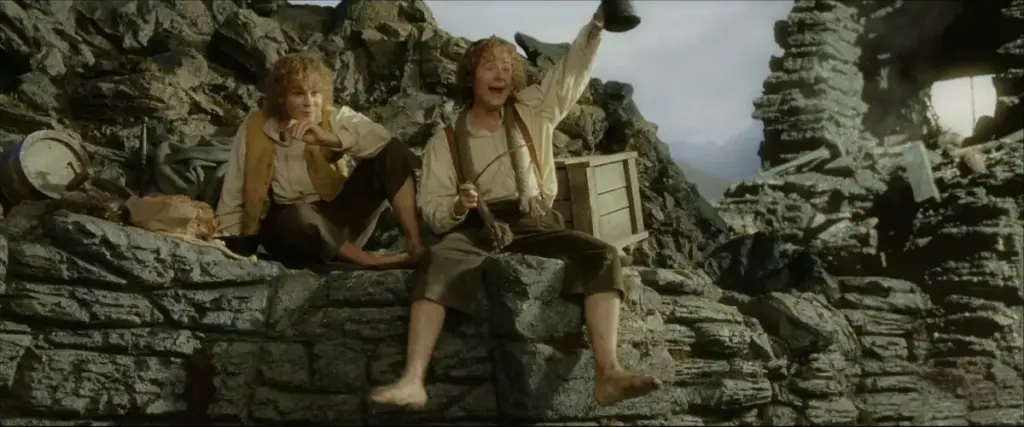
For decades, J.R.R. Tolkien’s The Lord of the Rings has served as the bedrock of modern fantasy, inspiring countless adaptations across film, literature, and gaming. While massive, complex strategy games and sprawling campaign-driven apps have become standard for bringing Middle-earth to the tabletop, a new, more intimate approach is capturing the hearts of players. Designer Bryan Bornmueller’s The Lord of the Rings Trick-Taking Game series has quietly become one of the most resonant ways to experience the journey of the Fellowship, stripping away the bloat of traditional heavy board games to focus on the narrative’s core: the burden of the mission and the bonds between companions.
Following the success of The Fellowship of the Ring in 2024 and the critically acclaimed The Two Towers earlier this year, the trilogy is set to reach its emotional conclusion with the release of The Return of the King in February 2027.
A New Lord of the Rings Game is Making Players Cry
The resonance of the series lies in its ability to marry mechanical simplicity with the high-stakes drama of the source material. By utilizing the framework of trick-taking—a genre popularized by games like Hearts or The Crew: The Quest for Planet Nine—Bornmueller has created an environment where players must operate with limited information, mirroring the uncertainty and desperation faced by the heroes of the story.
The result has been an unexpectedly emotional experience for those at the table. "My proudest achievement with this game is I had multiple playtest groups tell me that they teared up a little bit when they played the last chapter, especially people who have played for a few years together," Bornmueller said in an interview at the recent Spiel Essen convention.
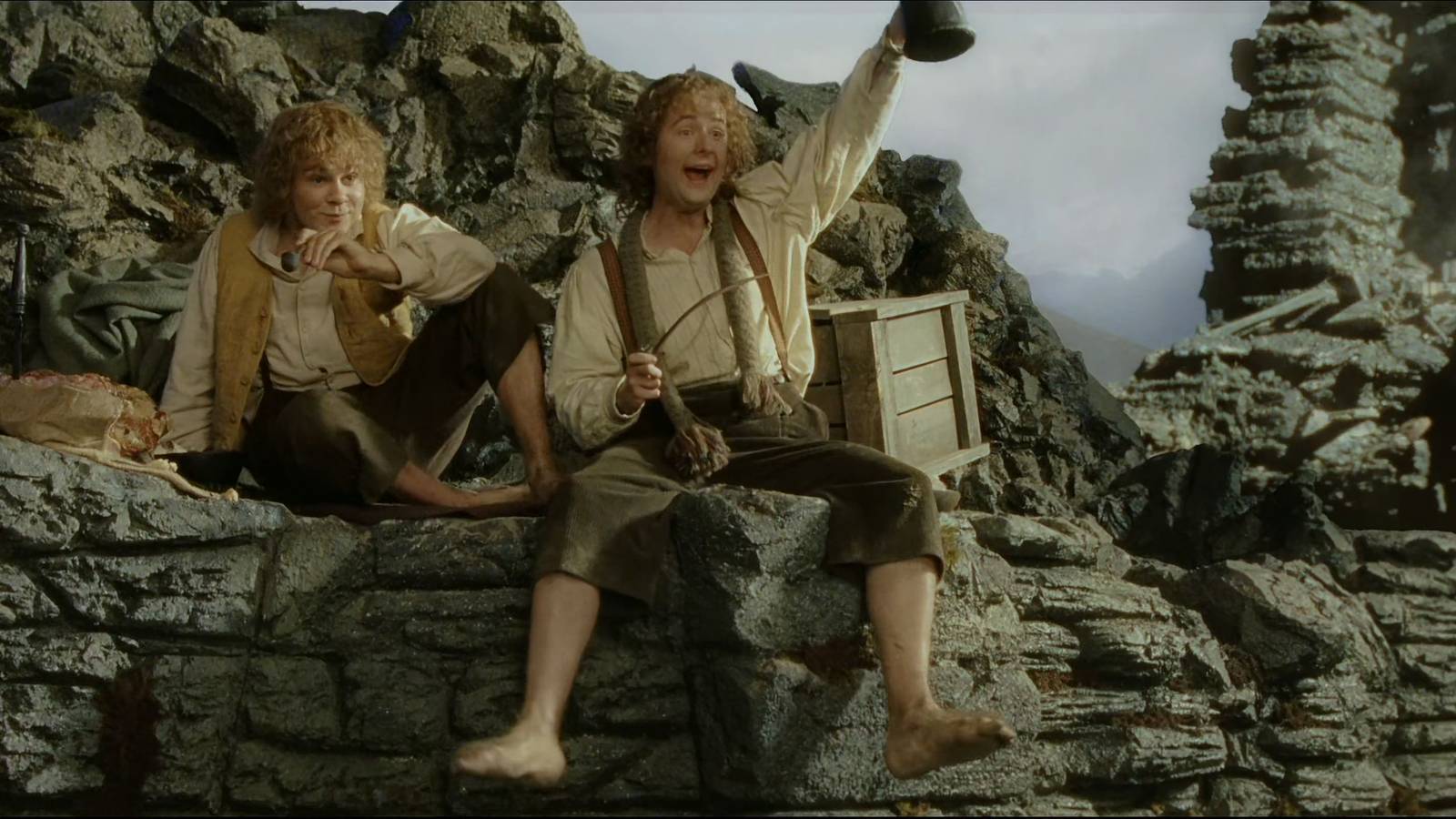
For Bornmueller, the game is the culmination of a lifelong devotion to Tolkien’s work. His history with the series is deeply personal; he recalls his father reading The Hobbit and The Lord of the Rings to him during his childhood. During his years as a student at Iowa State University, he worked at a local comic book shop, where he was instrumental in organizing midnight screenings for Peter Jackson’s film trilogy. His professional journey eventually led him to the board game industry, starting as a senior sales associate at Asmodee before rising to the position of innovation and sourcing director. In this role, he has spent years collaborating with various studios to bring new titles to market, eventually deciding to apply his own design sensibilities to his favorite franchise.
From Childhood Passion to Professional Design
Asmodee had been seeking to expand its catalog of Tolkien-based products, having already seen success with titles like the app-supported campaign game Journeys in Middle-Earth and the long-running The Lord of the Rings living card game. Bornmueller saw an opportunity to contribute a different kind of experience—one that captured the feeling of the journey rather than just the combat.
Drawing from his early experiences playing German-style card games, including Doppelkopf, which he learned from an exchange student, Bornmueller realized that the trick-taking format was the perfect vehicle for a cooperative narrative. "My original idea was going to be like the moment when the Fellowship leaves Rivendell," he explained. "There are 10 characters, and you just play two or three hands and you see how it goes. You win or you lose. When I played it with gamers who played a lot of card games, it worked really well. When I taught normal people, those 10 options were too much."
This initial realization led to the development of the episodic structure that defines the series. By breaking the massive scope of the trilogy into bite-sized chapters, the game introduces players to characters and mechanics gradually. To ensure the design remained sharp and accessible, Bornmueller partnered with Taylor Reiner, a notable figure in the board game community and host of a YouTube channel dedicated to the intricacies of trick-taking games. Together, they refined the mechanics for The Fellowship of the Ring, setting the stage for the sequels.

The Mechanics of Middle-earth
Transitioning from Reiner Knizia’s classic 2000 The Lord of the Rings board game—which Bornmueller remembers as the first collaborative game he ever played—to his own design required a deep dive into the lore. Bornmueller’s research was exhaustive; he reread the books and turned to the analysis found on The Prancing Pony Podcast to dissect the motivations and defining moments of every major character.
The challenge was in the translation: how to turn a character’s personality or a specific scene into a card rule without making the game feel like a generic fantasy simulation. "You can’t have absolutely everything in The Lord of the Rings in the game, but you just need to evoke the feeling of experiencing the story," Bornmueller noted. "People know so much about The Lord of the Rings, and you can leverage all of that knowledge and feeling with the game mechanics where it makes sense. It’s not generic fantasy. It’s kind of its own thing. The more it feels like D&D, the less it probably feels like it’s working."
For example, the character of Treebeard, the oldest of the Ents, is represented by a rule where the player controlling him must always act a turn behind everyone else, setting aside their card for the next trick. It is a subtle, mechanical way to represent the slow, deliberate nature of the Ents. Similarly, The Two Towers introduced the White and Black Towers as dueling trump cards, adding a layer of tactical tension to the gameplay.
The Climax of the Saga
The Return of the King promises to be the most complex entry yet. It introduces a new "crown" mechanic, designed to represent the political and personal stakes of the final book. Rather than trading cards directly, players must place them under the crown, effectively "kneeling to the king" to exchange them. This system is tied directly to the character arcs within the narrative: Pippin, for instance, must win tricks with a card matching what is placed under the crown to simulate his role in Aragorn’s army.
Denethor, the steward of Gondor, is granted a special king card that serves as the highest value card of any suit. However, the mechanics force the player to give it away, reflecting the tragedy of his character—a caretaker who ultimately fails to understand his position as a steward rather than a king. The game begins with the build-up to the Battle of the Pelennor Fields and culminates in the destruction of the One Ring, leading into the series of emotional farewells that define the book’s final pages.
By focusing on the collective puzzle, the game ensures that no single player can carry the burden of the group. "Everyone has to be trying all the time," Bornmueller said. "It makes it a little less casual than it could be, but I think it really adds to people’s engagement. There can’t just be one smart friend who solves the puzzle for everyone. We all have to understand how to solve this puzzle."
For fans who have followed the series since its inception, the final chapter offers more than just a victory condition; it offers a conclusion to the collaborative journey they have undertaken across three distinct games. As the project prepares for its final release, the focus remains on that sense of shared experience.
The Return of the King Trick-Taking Game will have a limited pre-release at PAX Unplugged and select U.S. game stores this December, followed by a wider retail release in February 2027.