







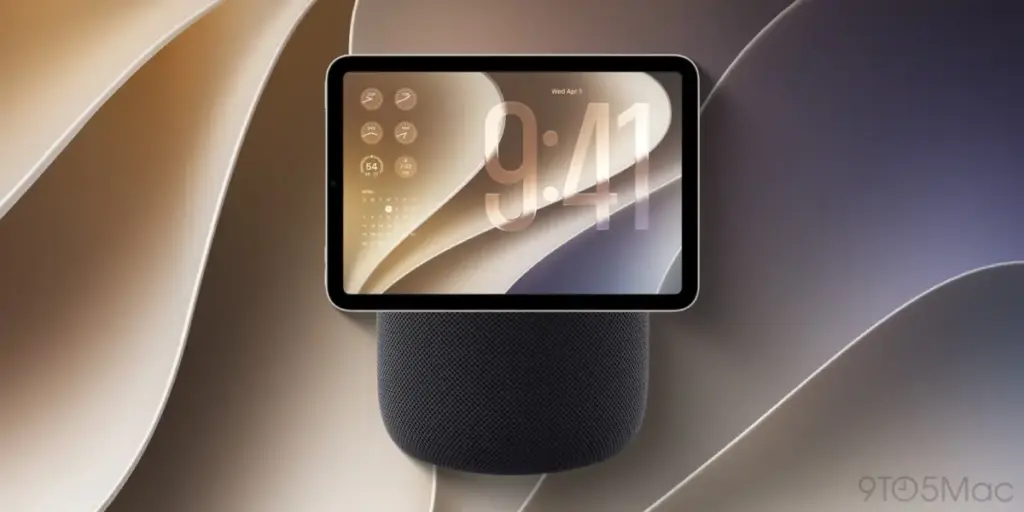
As anticipation builds for Apple’s next major entry into the smart home ecosystem, new details have emerged regarding the hardware aesthetics of the highly anticipated "HomePad." Following recent reports pinning the official launch date for the new device to October 13, a fresh leak has provided a clearer picture of what consumers can expect when they head to the Apple Store later this month. The latest discovery, brought to light by the leaker known as pdfu, suggests that Apple is planning a sophisticated palette for the device, aligning it with the design language seen across its current product lineup.
The HomePad, which is poised to serve as the central nervous system for Apple’s home automation efforts, has been the subject of intense speculation for several months. By consolidating control over HomeKit devices, media playback, and interactive smart features, the device is expected to be a cornerstone of the modern connected home. Now, thanks to insights gleaned from the device’s setup assets, we have a firm indication that the hardware will be available in four distinct finishes: Silver, Space Gray, Starlight, and Rose Pink.
A Deeper Look at the HomePad Color Palette
The inclusion of these four colors reflects a strategic move by Apple to ensure the HomePad integrates seamlessly into various interior design aesthetics. The classic Silver and Space Gray options cater to the minimalist, industrial aesthetic that has defined Apple hardware for decades. Meanwhile, the inclusion of Starlight—a soft, warm-toned metallic hue—and Rose Pink indicates a desire to appeal to a broader demographic, moving away from strictly utilitarian black-and-white appliances toward devices that act as home decor.

The revelation regarding these finishes stems from an analysis of the HomePad’s internal setup process. According to pdfu, the software responsible for initializing the device is designed to detect the hardware’s specific color identifier, which then dynamically updates the on-screen preview art to match the physical unit. This level of attention to detail is characteristic of Apple’s software-hardware integration, ensuring that the out-of-the-box experience feels cohesive and premium.
Beyond simply identifying the colors, these assets confirm that the device will utilize a square form factor. This design departure from the circular or cylindrical shapes of previous smart speakers and hubs suggests a shift toward a more interface-heavy experience, likely designed to display information in a way that feels natural in a portrait or landscape orientation.
Integrating the HomePad into the Apple Ecosystem
The leak also sheds light on how the HomePad will interact with the broader Apple ecosystem, specifically its connection to the recently discussed "iPhone Duo." It appears that the setup procedures for the HomePad share significant architectural DNA with the iPhone Duo, suggesting that Apple is refining a unified "pairing and configuration" language across its entire hardware range. This cross-device consistency is a critical component of Apple’s strategy to reduce the friction often associated with setting up smart home hubs. By utilizing a setup process that mirrors the simplicity of an iPhone or Apple Watch, Apple is clearly targeting a seamless transition for users who are already deeply embedded in its ecosystem.
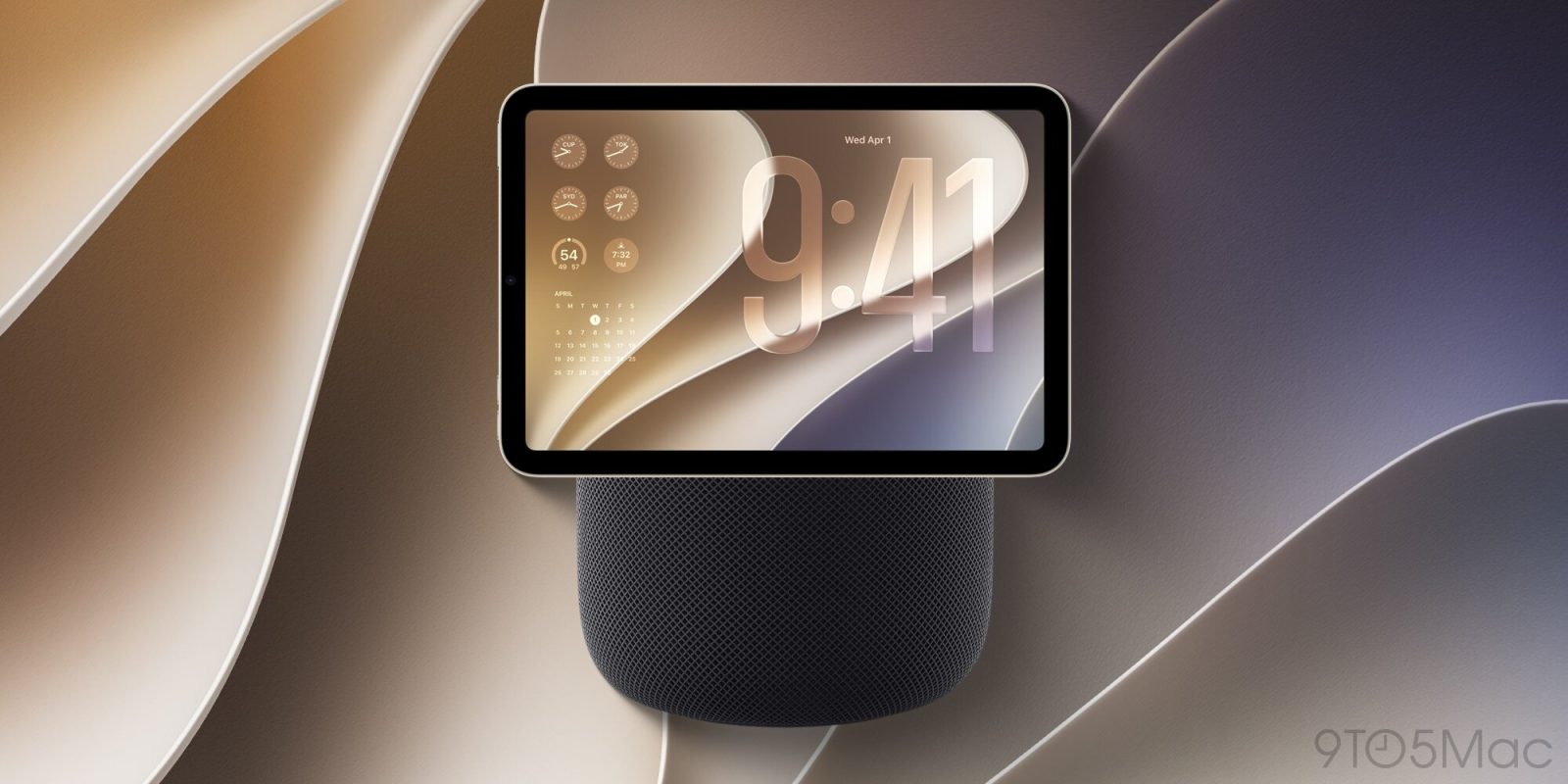
One of the most compelling aspects of the HomePad’s software is the inclusion of "watchOS-style" customizable faces. Previous reporting on the device has indicated that Apple intends to turn the HomePad into an interactive dashboard, rather than a static control node. By allowing users to configure these faces—much like they do on the Apple Watch—the HomePad will be able to display vital information at a glance, such as local weather, security camera feeds, thermostat status, or upcoming calendar events.
The "Photo Face" feature, as seen in the leaked setup screens, appears to be a key element of this interface. It allows users to personalize the device with their own photography, effectively turning the smart hub into a digital frame that serves a functional purpose when needed. This approach cleverly balances the device’s utility with its role as a piece of household furniture, ensuring that it remains visually appealing even when it is not being actively used to manage smart home tasks.
The Significance of the October 13 Launch
With the October 13 launch date now seemingly set in stone, the industry is closely watching how the HomePad will compete in a market dominated by incumbents like Amazon and Google. Apple has historically taken a more deliberate, privacy-focused approach to the smart home, and the HomePad represents a significant scaling of that ambition. By positioning this device as a high-end hub that prioritizes data privacy and local processing, Apple is differentiating itself from competitors who rely more heavily on cloud-based processing.
The choice of an October launch is also strategically sound. As the holiday shopping season approaches, releasing a flagship smart home device provides a compelling "anchor" product for consumers looking to upgrade their living spaces before family gatherings and the end-of-year holiday period. The wide range of color options—from the professional, understated tones of Space Gray to the more contemporary and vibrant Rose Pink—suggests that Apple is banking on the device being a popular gift item as well as a functional tool for tech enthusiasts.

Building on the Foundation of Apple’s Smart Home Ambitions
While the HomePad is an exciting new development, it is important to view it as part of a broader, long-term trend in Apple’s product roadmap. Over the past few years, the company has been methodically improving the stability and reach of the HomeKit framework. The HomePad serves as the physical realization of these software improvements. By providing a dedicated, high-performance hub, Apple is solving the connectivity issues that have plagued smaller, less capable hubs in the past.
Furthermore, the integration of features from the iPhone Duo into the HomePad’s setup process suggests that these devices will likely function as a symbiotic pair. It is highly probable that users will be able to hand off tasks from their iPhone to the HomePad, or use their phone as a remote configuration tool for the hub. This continuity of experience is what Apple refers to as the "Magic" of its ecosystem, and it is the primary driver behind the company’s ability to retain users across generations of hardware.
As we approach the mid-October launch, the tech community remains eager to see how the final retail units look and perform. While the leaked images provide a fantastic sneak peek into the design and initial setup experience, the true test for the HomePad will be its day-to-day performance in a real-world home environment. If it can deliver on the promise of a responsive, intuitive, and highly secure smart home controller, it could very well become the standard-bearer for Apple’s home strategy for years to come.
For those who have been waiting for a more comprehensive, dedicated solution to manage their smart home accessories, the HomePad represents a significant step forward. Whether you are a long-time HomeKit user or someone looking to finally start building a smart home, the versatility offered by the hardware design and the software interface suggests that Apple is aiming to make the "smart home" feel like a natural, essential part of the modern domestic experience.
As always, while these leaks provide valuable insight into what is coming down the pipeline, the official unveiling on October 13 will be the definitive moment for consumers to assess the device’s value. With the colors now seemingly confirmed and the interface design beginning to take shape, the HomePad is shaping up to be one of the most intriguing hardware releases of the 2026 calendar year. For now, users can look forward to a device that blends high-end technology with the kind of aesthetic customization that Apple users have come to expect, all packaged in a form factor that promises to be as functional as it is stylish.