










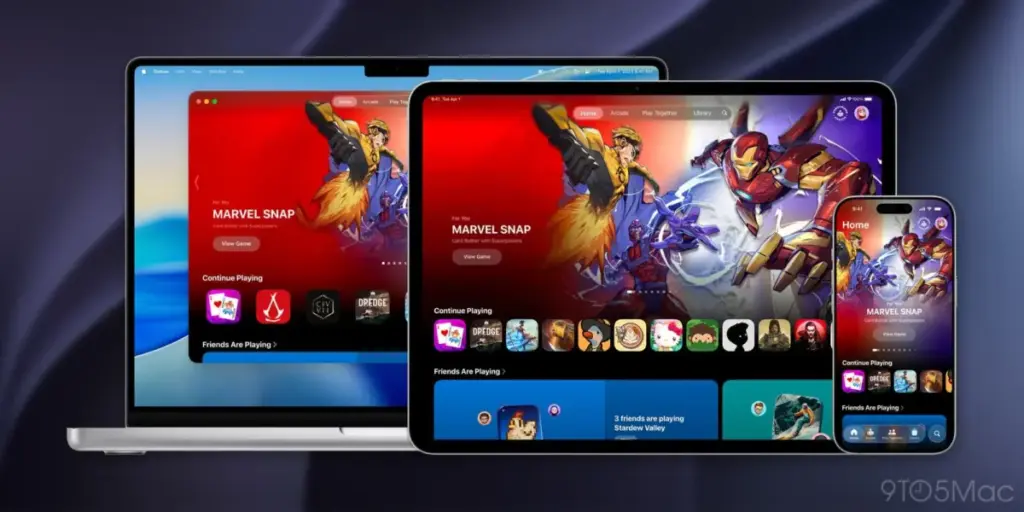
Apple has long harbored ambitions of positioning itself as a formidable force in the gaming industry, consistently seeking to transition from a mere platform provider to a destination for premium, high-fidelity gaming. While the company’s history in the space has been marked by varying degrees of success, a fresh strategy is taking shape under new leadership. Carson Oliver, recently appointed as the head of the App Store worldwide, has provided new insight into how Apple intends to bridge the gap between casual mobile play and the world of high-end console and PC gaming.
In a recent interview with Polygon, Oliver outlined the company’s evolving philosophy, emphasizing that the App Store is undergoing a significant shift. No longer content with just being a repository for time-killing puzzles or ad-supported experiences, Apple is leaning into a future where the iPhone and iPad serve as legitimate, high-performance gaming hardware.
The Evolution of the Apple Gaming Ecosystem
The company’s efforts to court major developers and convince a skeptical gaming public are no longer just talk; they are increasingly visible in the hardware itself. Over the past several years, Apple has systematically bolstered its technological foundation to support more complex gaming experiences. Key to this strategy is the integration of hardware-accelerated ray tracing, a feature that brings realistic lighting, shadows, and reflections to mobile devices. Complementing this is the continuous refinement of the Metal graphics framework, which allows developers to extract peak performance from Apple’s proprietary silicon.

Furthermore, Apple has invested heavily in developer tools designed to lower the barrier for porting titles from PC and consoles to iOS and iPadOS. These initiatives have begun to bear fruit, as evidenced by the growing list of high-profile titles finding their way to the platform. Following the recent announcement of his promotion to vice president of the App Store, Oliver’s tenure has already been marked by a proactive push to highlight these gains, specifically through the launch of "Indie Games Week," a promotional event showcasing a diverse array of upcoming titles for the iPhone and iPad ecosystem.
A New Generation of Players
For Apple, the key to long-term success lies in understanding the changing demographics of the gaming audience. Oliver pointed out that the industry is currently witnessing a paradigm shift: an entire generation of players has come of age with the iPhone as their primary gaming device. Unlike their predecessors, who may have been raised on dedicated living-room consoles or desktop PCs, these users view mobile hardware as their default gaming platform.
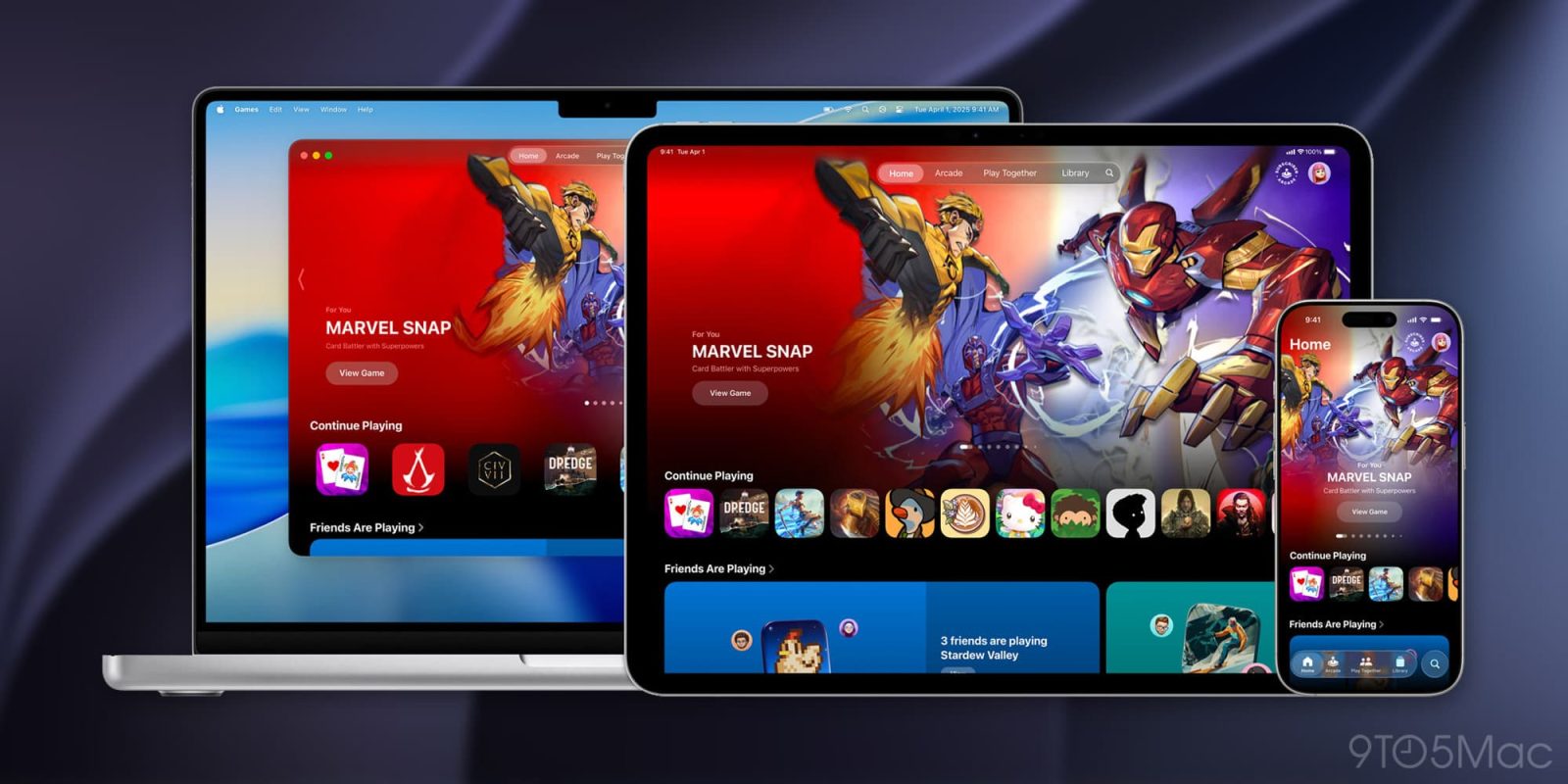
This shift in behavior has fundamentally changed how games are designed and consumed. "These users embrace direct touch as their primary controller, making iPhone and iPad the ultimate canvas for indie innovation," Oliver noted. By leaning into this reality, Apple is attempting to cultivate an environment where developers can create titles that feel native to the touch interface while still offering the depth and graphical fidelity previously reserved for more traditional hardware.
According to Oliver, the sheer volume of high-quality content reaching the App Store is on an upward trajectory. "We’ve seen incredible growth of games coming to the App Store, in general, with more premium games releasing on the App Store this year than last," he explained. While independent developers continue to be a vital part of this ecosystem, the influx of established PC and console franchises suggests that publishers are beginning to view mobile not as an afterthought, but as a "burgeoning audience" that can no longer be ignored.
Balancing Premium Downloads and Apple Arcade
A common question regarding Apple’s strategy is how the subscription-based Apple Arcade fits into a marketplace that is simultaneously seeing a rise in high-quality, one-time-purchase premium games. Critics have occasionally argued that the presence of a subscription service might cannibalize sales for standalone premium titles, but Oliver contends that the two models serve different needs and offer developers greater flexibility.
The goal, according to Oliver, is to provide a "trusted place to reach users around the world" and to support creators at every stage of their business lifecycle. He emphasizes that Apple is not forcing a "one-size-fits-all" approach on developers. Instead, the company aims to offer a variety of business models, allowing the market to dictate the best path for each individual title.
"We provide developers with flexible business model options," Oliver stated. "That means a breakthrough phenomenon like Balatro can thrive as a premium download, and it can also find a home as part of the Apple Arcade service. The important thing is that we give developers the flexibility to make the best choice for every game and players the freedom to play how they want."

This perspective highlights a move toward a more pragmatic relationship with the development community. By facilitating both premium, ad-free storefront sales and subscription access, Apple hopes to attract a wider variety of studios. For developers, this means the ability to choose whether to bet on the potential of a viral hit through direct sales or to secure a more stable, recurring revenue stream through the Apple Arcade platform.
The Path Ahead
Despite these advancements, Apple faces a challenging road ahead. The mobile gaming market is famously crowded, and competing with the established console giants—Nintendo, Sony, and Microsoft—requires more than just technical specifications. It requires a library of exclusive, must-play content that compels users to view the iPhone as more than a casual device.
Oliver’s comments suggest that Apple is aware of this challenge and is focused on discoverability and quality curation as the next frontiers. As the company continues to refine its software and hardware offerings, the focus will likely remain on providing a "no compromises" experience. The diversity of the titles highlighted during the recent Indie Games Week serves as a microcosm of this ambition: a mix of creative, innovative, and technically demanding games that aim to prove that mobile gaming has truly grown up.
Ultimately, Apple’s strategy appears to be one of patience and infrastructure building. By improving the tools available to developers and providing flexible distribution models, the company is betting that the quality of games on the App Store will naturally rise to meet the expectations of even the most dedicated gamers. Whether this approach will be enough to solidify Apple’s status as a top-tier gaming platform remains to be seen, but the clear commitment from the new App Store leadership indicates that the push into high-end gaming is far from over.