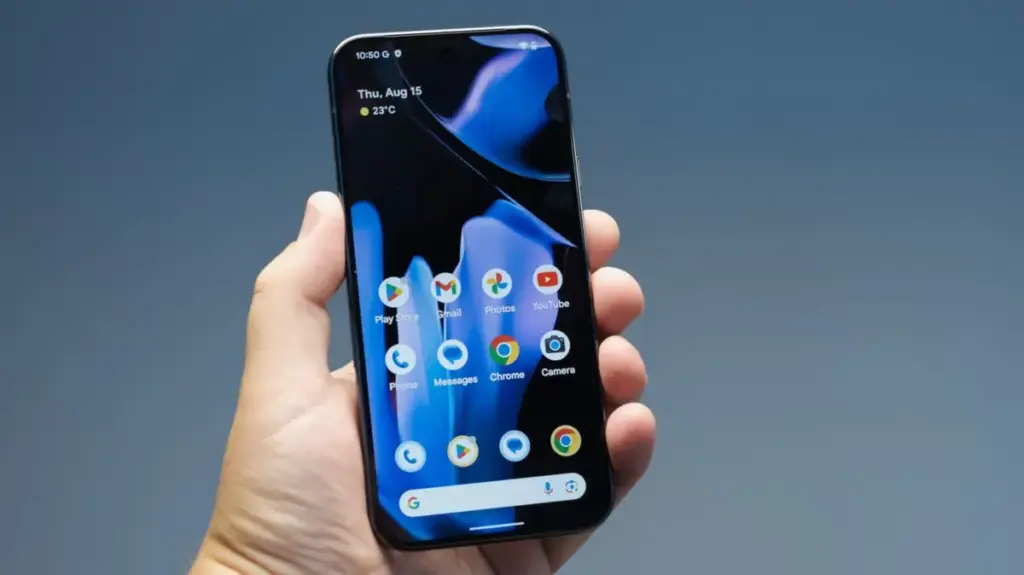
In an era where flagship smartphones frequently command prices exceeding $1,000, the prospect of purchasing a budget-friendly device is increasingly appealing to the average consumer. However, the decision to save money should not necessitate a compromise on the fundamental utility that a modern smartphone is expected to provide. A phone that struggles to keep pace with basic daily requirements—whether that involves toggling between messaging apps, streaming media, or navigating with GPS—ultimately serves little purpose, regardless of how much capital was saved at the point of purchase.
The good news for consumers is that the market for sub-$300 Android smartphones has matured significantly. It is entirely possible to acquire a highly capable device without spending an exorbitant amount of money, provided the buyer understands exactly what to look for and, perhaps more importantly, what to avoid. While it is perfectly acceptable to sacrifice premium aesthetics—such as a titanium chassis or elaborate glass finishes, which are often obscured by protective cases anyway—there are specific hardware specifications where one must draw a firm line. Compromising on critical areas like random access memory (RAM), battery capacity, image processing, or display quality can quickly turn a cost-saving measure into a source of long-term frustration.
The Foundation of Performance: Screen and RAM Requirements
The modern smartphone experience is fundamentally visual and tactile, which makes the display and memory capacity the most critical components of any device. Gone are the days when a 4.5-inch screen was considered state-of-the-art; by today’s standards, such a small footprint severely limits productivity and media consumption. Consumers should prioritize a device with a display measuring at least 5.6 inches, with the industry standard now hovering closer to 6.1 inches. This size provides enough real estate for comfortable two-handed typing and clear content viewing without becoming unwieldy.

However, size is only one piece of the puzzle. The quality of the panel is equally vital. A budget device should ideally feature an AMOLED panel, which offers superior contrast and color reproduction compared to older LCD technologies. Furthermore, users should seek out an HD resolution at a minimum, coupled with a peak brightness of at least 1,000 nits. This brightness threshold is particularly important for usability; without it, the screen becomes nearly impossible to read in direct, harsh sunlight, rendering the phone practically useless in outdoor environments.
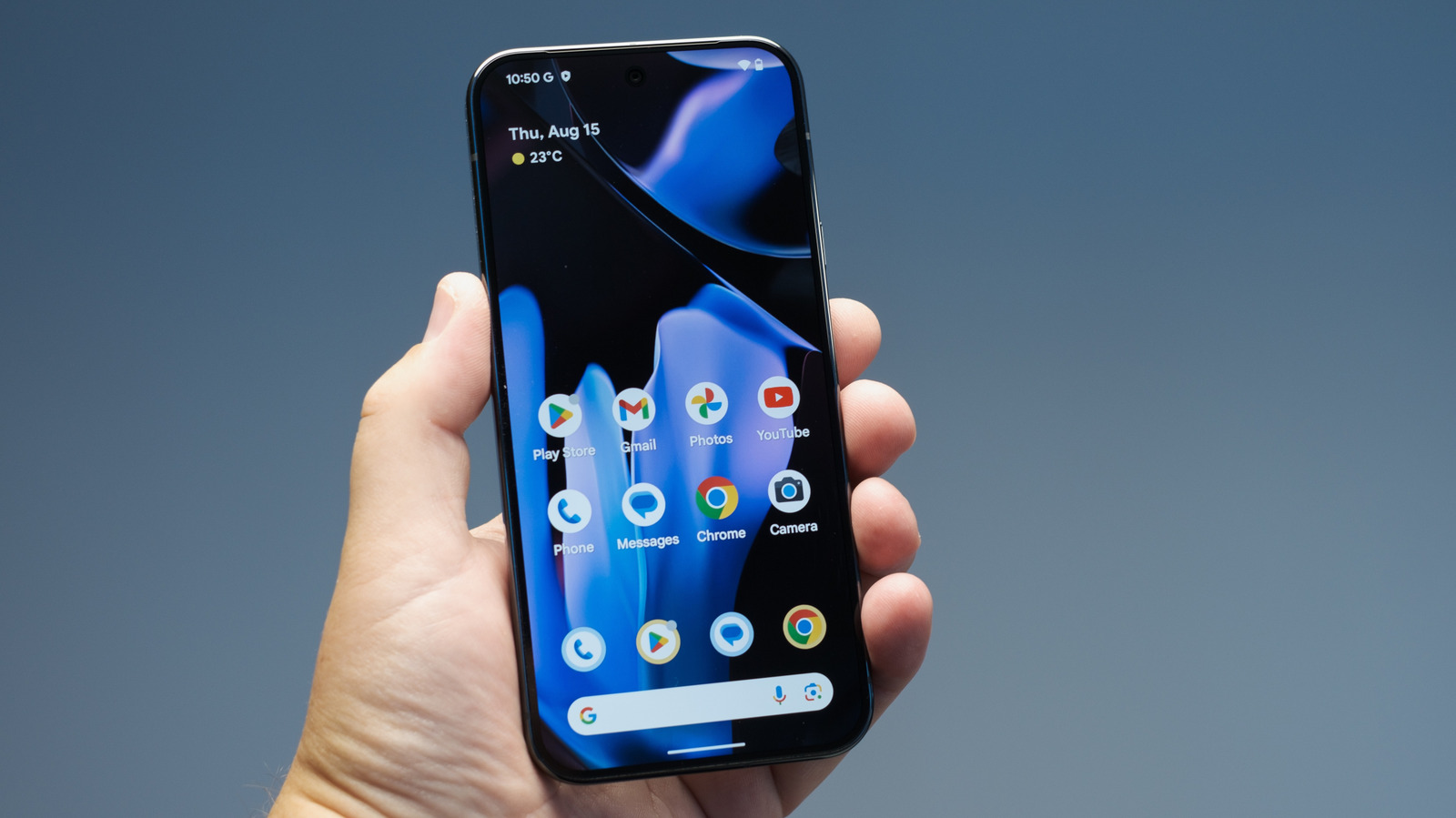
Matching this display performance is the internal memory, or RAM. This is the "workspace" of the phone, and if it is too small, the device will struggle to manage multiple applications simultaneously. A minimum of 6GB of RAM is essential for a fluid experience; anything less will likely lead to stuttering during video streaming, lag when multitasking, or sluggish responses when switching between messaging and social media applications. For users who intend to engage in mobile gaming, pushing for 8GB of RAM is a wise investment that will pay dividends in system longevity.
Closely tied to memory is storage capacity. With the inclusion of expandable storage becoming increasingly rare in modern hardware, internal capacity is a non-negotiable factor. A baseline of 128GB is the absolute minimum a consumer should accept. However, for those who wish to avoid the frequent "storage full" notifications that plague users of entry-level devices, 256GB is the recommended target. Without sufficient space, users are often forced to delete precious photos or rely on recurring monthly subscriptions for cloud storage, which can negate the initial savings of a cheap device.
Finally, the processor acts as the engine of the entire experience. While a budget phone does not need the fastest, most expensive chipset on the market, it must be capable enough to handle modern operating systems and apps without dragging. Consumers should research the age and performance of the processor inside any potential purchase. A chip that was outdated upon release will quickly show its age, turning the phone into a device that feels "slow as molasses" when performing simple tasks like opening a browser or streaming a movie.
Prioritizing Reliability: Battery Life and Camera Standards
Beyond the internal processing power, the physical endurance and imaging capabilities of a smartphone define its daily reliability. Battery life is arguably the most common pain point for smartphone users, and it is a critical area where skimping can lead to significant inconvenience. A battery with a capacity of 4,500mAh is the absolute minimum requirement to ensure a device can last through a standard day of moderate use. Ideally, consumers should look for a 5,000mAh battery, which provides a comfortable buffer and ensures that even with a busy schedule, the phone won’t die before the user returns home.
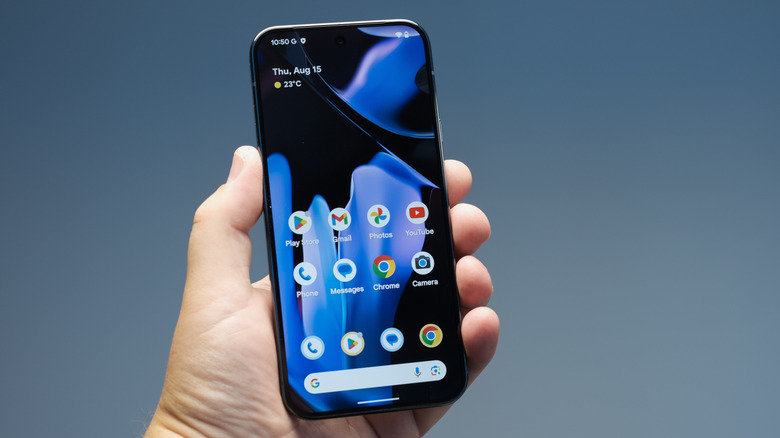
The camera system is another area where, while users may not need the professional-grade optics of a flagship, they should still expect a certain standard of quality. The ability to capture clear photos for social media or personal archiving is a core expectation. A 32MP rear sensor is a reasonable benchmark for resolution, but megapixels alone do not tell the whole story. The physical size of the sensor is just as important, as a larger sensor can capture more light, resulting in better image quality, particularly in challenging lighting conditions.
Equally important is the front-facing camera. Given the prevalence of video calls and the popularity of selfies, a 12MP front sensor with a high-quality sensor size is a must. If the camera produces grainy, blurry, or washed-out images, the device will fail to meet the needs of even casual users.
Beyond these major components, there are several "invisible" features that often distinguish a good budget phone from a subpar one. Support for NFC (Near Field Communication) is essential for modern tap-to-pay services, which have become a staple of daily life. Similarly, ensuring the device supports recent Bluetooth versions is critical for maintaining a stable, reliable connection to wireless headphones, speakers, and smartwatches.
Software longevity is another factor that often gets overlooked. Even if a phone is cheap, it should not be obsolete the moment it is purchased. Consumers should verify that the manufacturer is still providing active software and security updates. A device that is stuck on an outdated version of Android with no security patches is a liability.
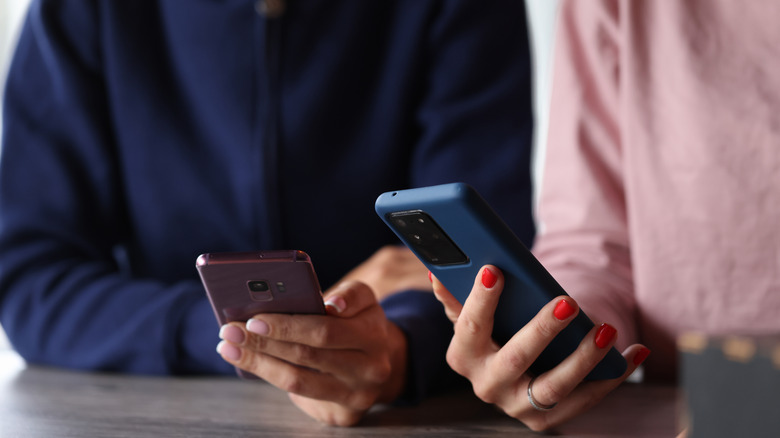
Fortunately, there are several avenues for finding such devices. Manufacturers like Samsung, through its Galaxy A series, and brands such as Motorola and Nothing, have consistently proven that it is possible to balance affordability with these essential features. Additionally, the market for "renewed" or refurbished devices offers a compelling path. A previous-generation Google Pixel, for instance, can often be found for just over $300, providing high-end camera software and reliable updates that exceed the capabilities of many brand-new, entry-level models.
Ultimately, the goal when buying a cheap Android phone is not to find the cheapest item on the shelf, but to find the best value. By waiting for seasonal promotions or identifying models that prioritize the core pillars of display, memory, battery, and camera, consumers can navigate the budget market successfully. While compromises are inevitable at this price point, they should be made on luxury features rather than the essential hardware that defines the daily smartphone experience. With a discerning eye and a focus on these non-negotiable specifications, a sub-$300 smartphone can serve as a dependable, capable, and long-lasting companion.