












For years, the wearable technology market has been defined by a clear divide: those who prioritize the convenience and utility of a smartwatch, and those who prioritize the deep, actionable data insights provided by dedicated fitness trackers like WHOOP. Earlier this year, I made the decision to bridge that gap by picking up a WHOOP device. As a longtime Apple Watch user, I was drawn to the promise of a cleaner, more focused interface—a platform that treated health statistics not as an afterthought, but as the primary user experience. However, the landscape has shifted significantly with the arrival of the Apple Watch Series 12 and the accompanying release of iOS 27, creating a compelling case for me to return to the Apple ecosystem.
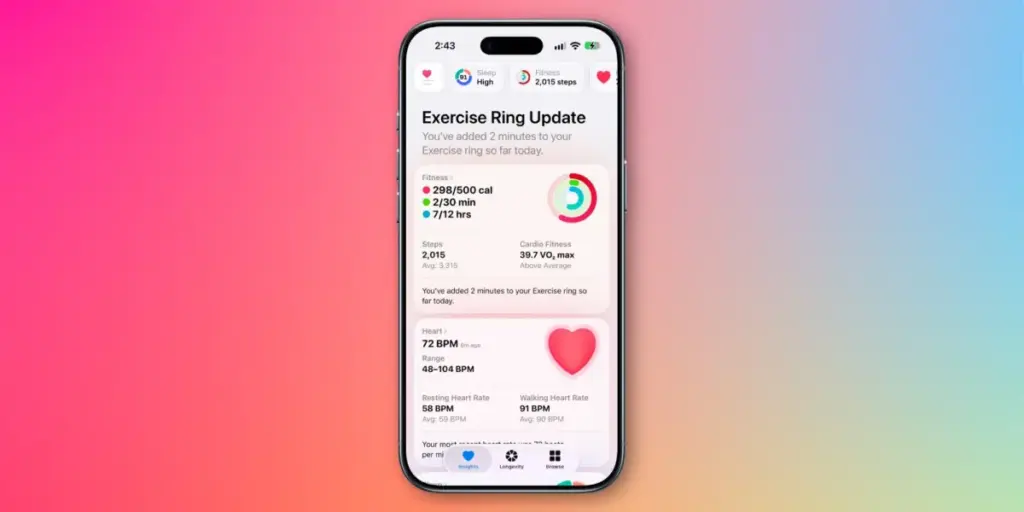
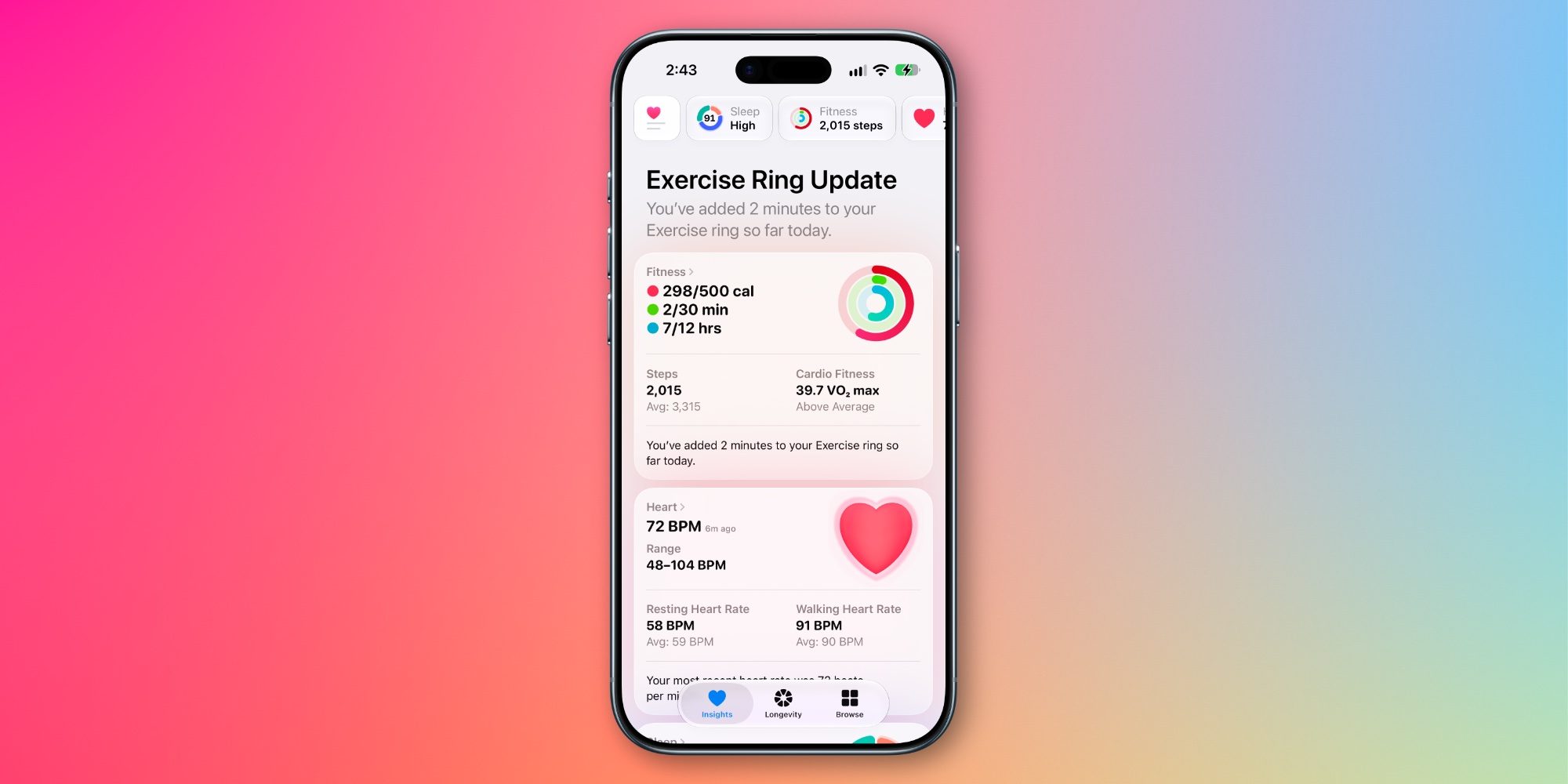
The transition back to the Apple Watch is not merely a hardware decision; it is the result of a symbiotic relationship between the new Series 12 hardware and the substantial overhaul of the Apple Health app in iOS 27. For many users, the primary criticism of the Apple Watch—even in its most advanced iterations—has been the accessibility and presentation of data. While the watch was always capable of capturing vast amounts of information, the Apple Health app previously struggled to synthesize that data into a format that was immediately useful. The new interface introduced in iOS 27 addresses this directly. By refining the visual hierarchy and simplifying how statistics are displayed, Apple has transformed the Health app from a complex data repository into a genuinely intuitive dashboard. This shift in design language allows users to understand their physiological trends at a glance, effectively eliminating one of the most significant barriers to entry for data-driven fitness enthusiasts.

Beyond the interface, a critical point of contention for dedicated athletes and health-conscious users has been the sampling rate of heart rate data. Historically, the Apple Watch favored battery efficiency over constant monitoring, typically sampling heart rate data every five minutes. While this was sufficient for general health tracking, it left a gap for those accustomed to the near-constant stream of data provided by devices like WHOOP, which record heart rate every single second. With the introduction of the Apple Watch Series 12, Apple has taken a meaningful step toward closing this gap by increasing the sampling frequency to once every five seconds. While this still falls short of the one-second granularity offered by specialized trackers, the practical impact for the average user is negligible. For those who are not professional athletes requiring millisecond-level precision, a five-second interval provides a robust, granular look at cardiac performance throughout the day and night. It strikes a pragmatic balance between power consumption and data density, making the Apple Watch a much more viable tool for long-term health monitoring.

Perhaps the most significant addition to the Series 12 experience is the introduction of the new Readiness app. This feature represents a fundamental change in how the Apple Watch interprets physiological data. By generating a 1-to-10 health score based on Heart Rate Variability (HRV) and other critical biomarkers, the device now provides a holistic view of the user’s recovery status. This is a direct competitor to the recovery scores that have long been the hallmark of platforms like WHOOP. In the past, the Apple Watch relied heavily on sleep duration as a primary metric for recovery, which often led to skewed data. A user might record a long night of sleep and receive a high score, even if the quality of that sleep was poor or if their body was clearly under stress from previous workouts. By integrating more complex factors into a unified "Readiness" score, the Apple Watch Series 12 finally offers a more nuanced and accurate reflection of how a user should approach their daily training or rest.
It is important to acknowledge that throughout my time using the WHOOP, I never fully abandoned my Apple Watch. The utility of having a screen on my wrist remained an indispensable part of my daily workflow. Being able to view notifications, control media, and access apps without needing to reach for my phone is a convenience that single-purpose fitness trackers simply cannot match. The Apple Watch has always held a massive advantage in terms of ecosystem integration and daily usability, and the improvements in the Series 12 have essentially removed the "health data" argument that previously made me consider switching away from the watch entirely.
As we look at the current trajectory of wearable technology, the question of whether the Apple Watch Series 12 is a true "game changer" remains to be seen. It will take more time to evaluate how the new sensor suite and software algorithms hold up against the rigorous demands of varied training schedules and long-term health tracking. However, for a user like myself, who has spent the last half-year testing the specialized capabilities of a device like WHOOP, the advancements in the latest Apple Watch are impossible to ignore. The combination of more frequent data collection, the refined interface in iOS 27, and the highly anticipated Readiness scoring system makes a powerful argument for consolidating my health tracking back into the Apple Watch.

The evolution of these devices highlights a broader trend in the industry: the convergence of general-purpose smartwatches and specialized health monitors. As Apple continues to iterate on its hardware and software, it is clear that they are aiming to capture the market share that was previously ceded to dedicated fitness trackers. By bringing the most requested features—data density and meaningful, actionable health insights—into the familiar Apple Watch environment, the company is making it increasingly difficult for power users to justify wearing two devices or switching to a screenless tracker.
Ultimately, the choice to upgrade to the Apple Watch Series 12 will depend on the individual user’s needs. For those who have been waiting for the Apple Watch to reach a level of sophistication where it can reliably inform training decisions through recovery metrics and higher-frequency heart rate sampling, this latest generation represents the most compelling upgrade in years. Whether you are a casual user looking for better health insights or a data-focused enthusiast who wants the best of both worlds, the Series 12 and the iOS 27 update provide a level of utility that is difficult to find elsewhere. As I prepare to go all-in on the Apple Watch once again, the transition feels less like a compromise and more like a return to a more efficient, integrated way of managing my personal health and daily connectivity. The future of health tracking on the wrist is clearly becoming more comprehensive, and for Apple, the Series 12 appears to be the standard-bearer for that shift.