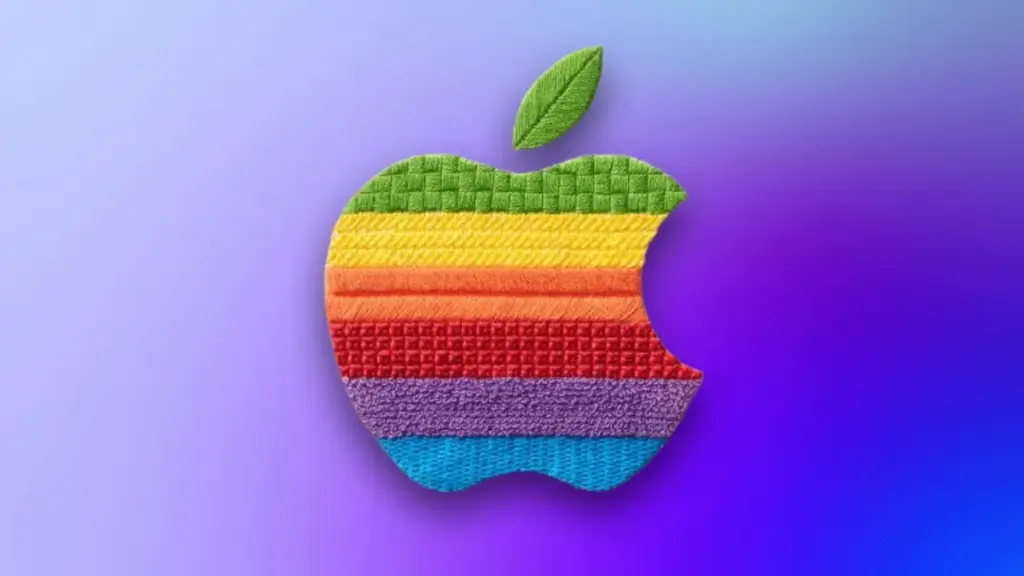
Apple has officially confirmed its upcoming “Welcome Home” special event, sending out media invitations featuring a distinctive rainbow-colored Apple logo ahead of Tuesday’s presentation. The event is widely expected to center on Apple and Siri entering the home technology space in entirely new ways, setting the stage for a dramatic escalation in competition with established smart home heavyweights like Amazon, Google, and other major industry players.
Industry reports, insider claims, and persistent leaks collected over the past few weeks point toward a substantial shake-up spanning home security, smart home hardware, and deeper integration with Siri AI. While Apple representatives did not respond to requests for comment, analysts and industry watchers anticipate a broad portfolio of hardware and software announcements designed to cement the company’s presence within residential spaces.
A Siri Smart Display at Last
For more than a year, persistent rumors have suggested that Apple is preparing to introduce a Siri-focused smart display hub for the home. While occasionally referred to unofficially as a HomePad, the final naming convention remains unconfirmed. This upcoming display is expected to lean heavily on Siri AI capabilities to compete directly with products like Amazon’s Echo Show and the Google Nest Hub line by functioning as a central HomeKit hub.

Smart touchscreens offer expanded functionality compared to traditional smart speakers by providing visual interfaces for media, web browsing, and organizational tools. Leaks indicate the device could feature a screen roughly six inches in size, potentially mounted on a wall or attached to a swivel base, and integrated with a speaker similar to the HomePod. Unlike many portable devices, it is expected to rely on standard AC power rather than USB-C connectivity.
Given the inclusion of screen technology, observers anticipate that elements of Apple TV and Safari will be incorporated into the user interface. While existing hardware such as the Apple TV 4K, iPads, and current HomePod models can already act as HomeKit hubs, a dedicated smart display would offer a tailored user interface and user experience specifically optimized for stationary home environments. Industry insiders view this product as highly likely to appear given the volume of supply chain reports, though its final aesthetic design remains subject to debate.
Updates to the HomePod Line
Alongside a potential smart display, industry murmurs suggest Apple may update its HomePod smart speaker lineup for the first time in several years. The timing aligns naturally with a broader residential technology push, though analysts note that some early reports may conflate plans for a standalone smart speaker with the rumored smart display, as both products share acoustic lineage.

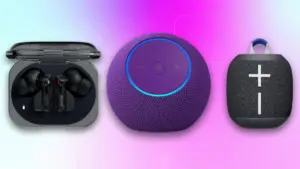
If a refreshed HomePod model materializes, reports indicate it would take the form of a revised HomePod Mini. The original full-sized HomePod faced criticism for its high introductory price point above $300, prompting Apple to pivot its focus toward the more accessible Mini tier. Recent leaks point toward prospective updates for a second-generation HomePod Mini, including new color options such as green and pink, alongside a faster S-series processor under the hood. Industry experts consider a hardware refresh for the smaller speaker to be quite probable if Apple intends to maintain momentum within its audio ecosystem.
A New Apple TV
Parallel reports pointing to a smart display and updated HomePod also indicate that Apple is planning a refresh for its Apple TV set-top box line. Rumored specifications for the new streaming device include an upgraded N1 processor, 8GB of RAM, Wi-Fi 7 connectivity, and a redesigned Siri remote.
The set-top box maintains a close relationship with the broader smart home ecosystem, particularly in the context of a new smart display launch. Because Apple has not released a new streaming box since 2022, hardware analysts suggest the product line is overdue for an upgrade. The updated internal components could provide additional processing headroom for advanced Siri AI features. Furthermore, speculation persists regarding potential compatibility improvements with new HomePod units to facilitate multi-speaker home cinema surround sound configurations, though this product is generally considered less certain than the anticipated smart display or speakers.

Little Apple Security Cams — With No Recording
Recent reports indicate that Apple is preparing to enter the home security market with proprietary hardware. According to insights shared by industry analysts, these upcoming devices are expected to be unusually compact security cameras that, notably, do not record continuous video. By omitting local or cloud-based video recording, Apple could bypass the complexities of extensive cloud storage infrastructure and potentially avoid recurring subscription fees for end-users.
Despite the lack of permanent recording, the cameras are rumored to incorporate advanced presence-sensing and human-recognition technologies, alongside AI-generated video descriptions. This suggests that the Apple Home ecosystem would analyze video feeds in real time without retaining raw footage files. While separate rumors have previously touched upon facial recognition capabilities and a Ring-like doorbell camera featuring Face ID for door unlocking, those features are widely believed to be distinct from the rumored indoor monitoring devices. Analysts view a broader home security push as probable, though the precise feature set of these compact cameras remains to be verified.
An LG Collab for a New Thermostat
Strategic partnerships may also play a role in Apple’s smart home expansion, with reports pointing to potential collaborations with LG. Leaked product concept materials circulating online suggest the development of an Apple-compatible smart thermostat. The leaked imagery displays a round, dial-based interface reminiscent of competing devices, with rumors pointing to far-sight presence sensing, humidity monitoring, and various temperature calibration settings.

In tandem with the thermostat, the rumored hardware partnership is expected to yield satellite temperature sensors capable of transmitting localized readings back to the main thermostat hub. Similar remote sensing accessories are utilized by brands like Nest and Ecobee, though Apple’s implementation may utilize simplified adhesive mounting solutions. While Apple previously collaborated with LG years ago on compatible security camera hardware, those legacy lines were rarely refreshed. Should a renewed partnership exist, a smart thermostat represents a strong contender for release, though introducing a massive slate of new products at a single October event presents logistical questions.
Further LG Collabs for Smart Locks and Beyond
Additional rumors tied to the purported LG partnership point toward the development of an Apple-branded smart lock. While numerous third-party locks currently support Apple Home and Apple Home Keys, the Cupertino company has not previously participated in the direct manufacturing of a smart lock.
Leaked product renderings depict a round, twist-to-unlock exterior keypad featuring an illuminated interface, a design departure from conventional deadbolt accessories. If realized, an Apple-backed smart lock would enter a competitive market alongside recent entries from brands like Amazon’s Ring, which recently announced its first smart lock featuring Alexa integration and an energy-generating thumbturn mechanism. Additional leaked imagery suggests the collaboration could theoretically extend to video doorbells and floodlight cameras, though analysts remain skeptical that these peripheral designs align with traditional Apple hardware aesthetics. While smart locks and thermostats fit natural expansion vectors for the brand, introducing an extensive catalog of partner hardware all at once remains speculative.

The Role of Apple Intelligence and iPad News
Underpinning these anticipated hardware announcements is Apple Intelligence, which is expected to power advanced Siri capabilities within the Apple Home application. This includes AI-driven video descriptions for supported security cameras, a feature currently rolling out to select compatible third-party hardware hubs. As Apple expands its ecosystem, native security and automation features are poised to leverage these machine learning tools. Meanwhile, separate industry rumors regarding an anticipated iPad Mini launch later this month are expected to remain distinct from Tuesday’s presentation, which is anticipated to maintain a strict focus on residential technology and smart home infrastructure.